
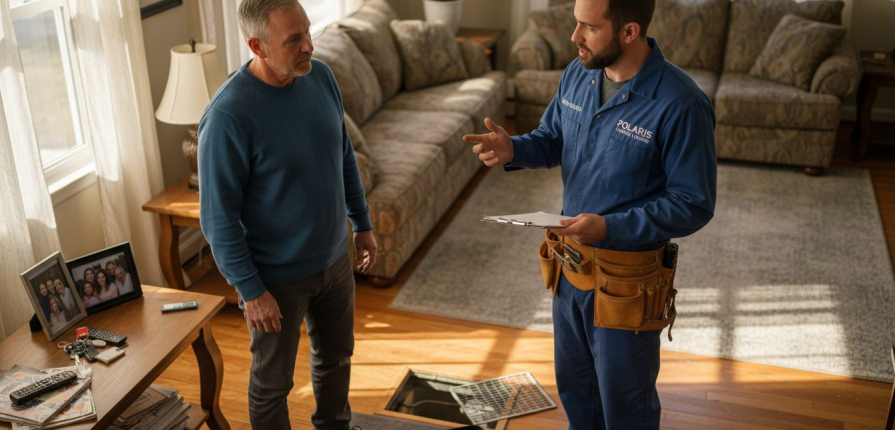
Balancing the hot, humid climate of Florida with reliable indoor comfort can quickly turn stressful if your HVAC system starts acting up. For homeowners in Eustis, understanding each repair step means fewer surprises and better results—especially when weighing financing options or choosing trustworthy local experts. By focusing on a systematic assessment and clear communication with technicians, you create a path toward long-term efficiency and peace of mind for your home.
Table of Contents
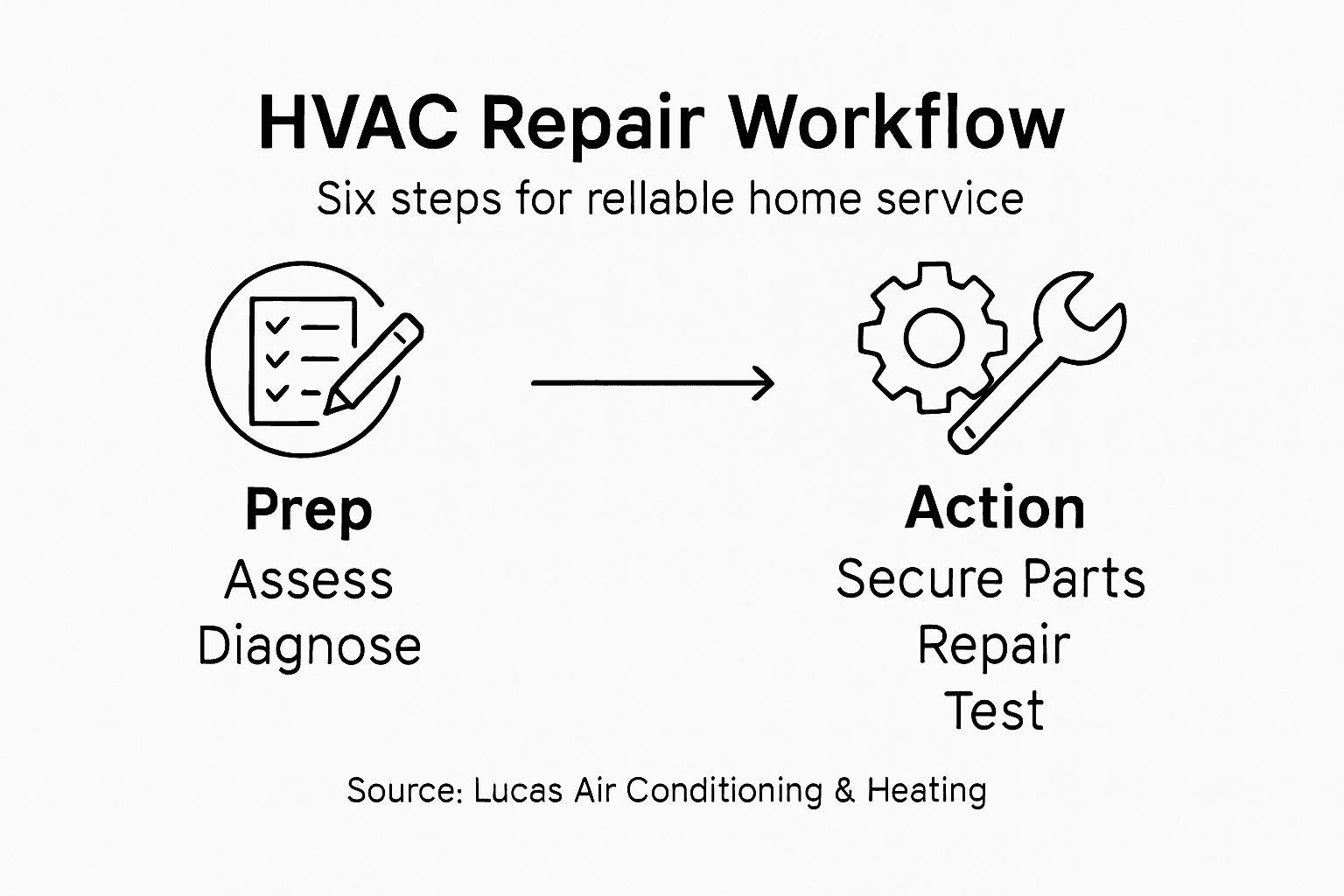
- Step 1: Assess System And Gather Essential Details
- Step 2: Diagnose Issues And Identify Root Causes
- Step 3: Secure Parts And Prepare Work Area
- Step 4: Execute Repair And Address Malfunctions
- Step 5: Test Performance And Verify System Operation
- Step 6: Document Repairs And Advise Homeowner
Quick Summary
| Key Point | Explanation |
|---|---|
| 1. Document Your HVAC System | Gather details like model numbers and maintenance history to aid technicians in repair processes. |
| 2. Perform Thorough Diagnostics | Ensure technicians identify root causes, not just symptoms, to prevent future issues and unnecessary costs. |
| 3. Use Quality Replacement Parts | Verify that all replacement parts match specifications to avoid compatibility issues and ensure long-term performance. |
| 4. Test System Performance After Repair | Having your technician run complete heating and cooling cycles confirms that the repair is successful and everything works properly. |
| 5. Keep Detailed Service Records | Maintain a thorough log of all repairs and maintenance activities to assist future technicians and validate warranties. |
Step 1: Assess System and Gather Essential Details
Before any technician can fix your HVAC system, they need to understand what they’re working with. This step is about collecting the information that will guide the entire repair process. You’ll document your system’s configuration, operational history, and current condition so that your repair technician in Eustis can make informed decisions about what needs fixing and how to fix it right.
Start by walking through your home and observing how your system performs in different areas. Do certain rooms feel warmer or cooler than others? Is your thermostat reading accurate, or does it seem off by several degrees? Listen for unusual sounds coming from your air handler or outdoor unit like grinding, squealing, or rattling noises. Check your filter status by looking at the current air filter and noting when it was last replaced. These observations give your technician real world context about what’s happening with your system. Next, gather your system’s vital statistics. Find your furnace or air handler and document the manufacturer, model number, and serial number, usually found on a label on the unit itself. Record the age of your equipment if you know it, along with when the last maintenance visit occurred. Note any recent repairs or issues you’ve experienced. Your technician will also want to know about ventilation rates and filter conditions to assess how well air is flowing through your home. Open your thermostat and check the current settings, including what temperature you typically keep it at and whether you use a programmable or smart thermostat.
If you have access to your maintenance records or documentation from previous HVAC work, gather those too. Photos of any visible damage or problem areas on your units can also help your technician understand what you’re dealing with before they arrive. All this information creates a complete picture of your system’s status and history, making the diagnostic process faster and more accurate when your local technician evaluates what repair work your system actually needs.
Pro tip: Keep a simple notebook or digital file with your system’s model number, filter size, last maintenance date, and any symptoms you’ve noticed. Your Eustis HVAC technician can reference this during every service call, saving time and ensuring nothing gets overlooked.
Step 2: Diagnose Issues and Identify Root Causes
Now that you’ve gathered your system information, the real detective work begins. This step is where your technician pinpoints exactly what’s broken and why it stopped working. The goal here is to move beyond the surface symptoms and uncover the actual underlying problem, which prevents you from paying for unnecessary repairs down the road.
Your technician will start by checking the obvious culprits first. Is the system getting power? Does the thermostat have fresh batteries and correct settings? These simple checks eliminate quick fixes before diving deeper. Then they’ll move to examining your air filter and checking airflow throughout your home. A clogged filter restricts airflow and causes numerous problems that mimic other issues, so ruling this out early saves time. Next comes component testing. Your technician will inspect your condenser unit for debris or damage, check refrigerant levels if your system uses refrigerant, test your capacitor with a multimeter, and listen for unusual sounds that indicate motor or compressor problems. Systematic troubleshooting of common faults like thermostat errors, refrigerant leaks, and airflow problems helps isolate the real issue. They’ll also verify that your ductwork is properly sealed and that your system is actually delivering conditioned air where it needs to go. Each test narrows the field until one clear culprit emerges.
Root cause analysis is the key difference between a quick band-aid fix and a real solution. Your technician isn’t just asking “Why is the air not cold?” They’re asking “Why is the air not cold?” repeatedly until they reach the actual cause. Maybe the compressor isn’t running because the capacitor is dead. Maybe the capacitor died because it’s been running too hard due to a refrigerant leak. That refrigerant leak exists because a fitting came loose years ago. Finding that loose fitting and fixing it prevents the whole chain of failures from happening again. This thorough approach takes more time upfront but saves you money and frustration in the long run.
Here’s a quick summary of common HVAC diagnostic steps and why each matters:
| Diagnostic Step | Main Purpose | Impact if Skipped |
|---|---|---|
| Check power and settings | Ensure system basics function | May miss simple fixes |
| Inspect/replacement of air filter | Maintain proper airflow | System overworks, higher bills |
| Test components with equipment | Identify faulty parts accurately | Costly trial-and-error repairs |
| Check refrigerant levels | Confirm efficient cooling/heating | System runs inefficiently |
| Examine ductwork for leaks | Ensure air reaches intended rooms | Inconsistent comfort |
Pro tip: Ask your technician to explain their diagnosis in plain language and show you what they found. A good repair professional will walk you through the problem, point out the failed component, and explain why it failed. This transparency builds trust and helps you understand why the repair is necessary.
Step 3: Secure Parts and Prepare Work Area
With the problem identified, your technician now needs to get the right replacement parts and set up a safe, organized workspace. This step separates professional repairs from rushed jobs that create more problems down the line. Getting the correct components and preparing properly ensures the repair goes smoothly without delays or complications that waste your time and money.
Your technician will start by verifying that any replacement parts match your system exactly. A capacitor that looks similar but has different electrical specifications won’t work. A refrigerant designed for one system type performs differently in another. Verifying component compatibility through system analysis ensures the parts meet your equipment’s requirements and industry standards. They’ll cross-reference your system’s model number against parts catalogs, check voltage ratings and size specifications, and confirm the replacement components will integrate seamlessly. Quality matters here. Cheap knockoff parts might seem like cost savings now, but they fail quickly and create bigger problems. Your technician should source parts from reputable suppliers who guarantee compatibility and performance. While waiting for parts to arrive, they’ll prepare your work area. This means clearing space around your furnace or air handler, ensuring adequate lighting so they can see what they’re doing, and setting up a clean workspace that prevents dirt or debris from entering your system during repairs. They’ll also gather their tools, test equipment, and safety gear before touching anything on your equipment.
Preparation also includes protecting your home. Your technician should lay down drop cloths or cardboard if working near finished surfaces, identify where they’ll need to turn off power or water, and plan the workflow so they’re not running back and forth across your house multiple times. A well-prepared technician minimizes disruption to your home and completes the job efficiently. This upfront work might seem like extra steps, but it prevents costly mistakes and ensures your repair lasts.
Pro tip: Ask your technician what parts they’re ordering and request they source them from established suppliers rather than discount retailers. Having quality components on hand before they start work means they finish faster and you avoid repeat service calls.
Step 4: Execute Repair and Address Malfunctions
This is where the actual repair happens. Your technician now takes everything they’ve learned and fixes the problem, following a methodical approach that addresses both what’s broken and why it broke. The goal is to restore your system to full working order and prevent the same issue from happening again.
Your technician begins by turning off power to the system, a critical safety step that prevents electrical shock or injury while working on components. They’ll disconnect parts carefully, keeping track of how everything connects so reassembly goes smoothly. If your repair involves refrigerant, they’ll follow strict Environmental Protection Agency protocols for safe handling and recovery. Methodical component replacement after diagnosis means they’re not just swapping out the failed part and hoping for the best. They’re replacing it correctly, testing connections, and verifying everything fits properly before moving forward. For example, if replacing a capacitor, they’ll discharge the old one safely, install the new one with correct electrical connections, and verify the voltage rating matches your system. If addressing a refrigerant leak, they’ll locate and seal the leak, recover the old refrigerant responsibly, add new refrigerant to proper levels, and test for leaks again to confirm the fix holds. Each step follows manufacturer guidelines and industry standards because cutting corners here means your repair won’t last.
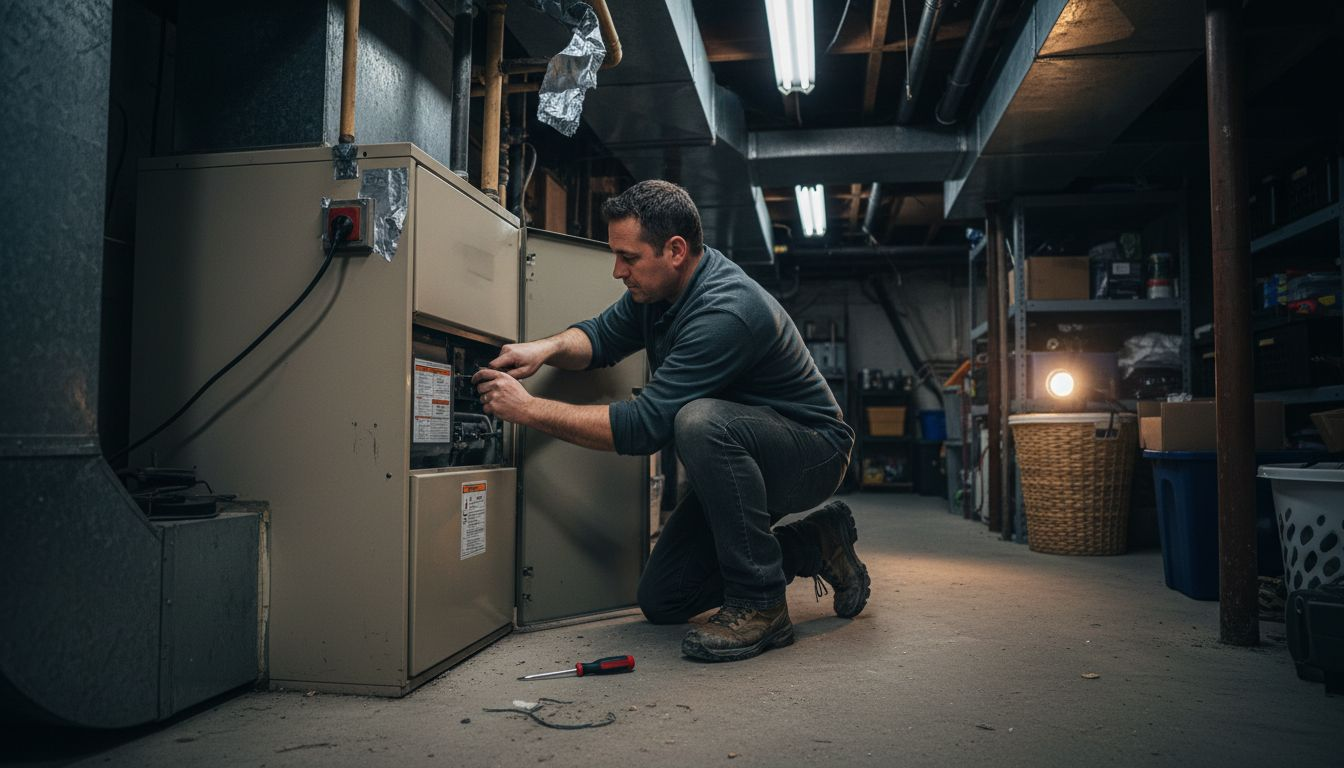
As your technician works, they’re also addressing underlying causes. Replacing a failed compressor is only half the job if something caused it to fail in the first place. Maybe the electrical capacitor was already dying, stressing the compressor. Maybe the refrigerant leak caused the compressor to work too hard. Your technician identifies these contributing factors and fixes them too, which is why thorough diagnostics matter so much. They’ll test the repaired system before declaring it complete, running it through heating and cooling cycles to confirm everything operates normally. This testing phase catches problems early and ensures you’re paying for a complete repair, not a temporary fix that fails next week.
Pro tip: Ask your technician to demonstrate that your system is working before they leave your home. Have them show you the temperature readings, explain what they fixed, and point out what they did to prevent future problems. A good technician will spend a few minutes ensuring you understand the repair.
Step 5: Test Performance and Verify System Operation
The repair is complete, but your technician isn’t done yet. This step involves thoroughly testing your system to confirm the repair actually worked and that everything is operating as it should. Testing catches any remaining issues before you’re left without cooling or heating, and it gives you confidence that your money was well spent.
Your technician will run your system through complete heating and cooling cycles, monitoring temperatures throughout your home to ensure consistent comfort. They’ll use specialized equipment to measure airflow at different vents, checking that air is moving at proper velocities and reaching all areas of your home. They’ll verify that your thermostat is reading temperatures accurately and responding correctly to temperature changes. If your repair involved refrigerant work, they’ll use a thermometer and pressure gauges to confirm refrigerant levels are correct and that your system is operating within manufacturer specifications. They’re also listening and watching for any signs of problems. Do they hear unusual noises that suggest something isn’t quite right? Do they notice the compressor cycling on and off correctly, or is something triggering early shutdowns? Comprehensive monitoring of temperature, humidity, airflow, and energy consumption validates that your repair has restored your system to proper working order. This goes beyond just checking if cold air comes out. They’re verifying that your system is operating efficiently, not burning extra energy to compensate for an undetected problem.
Once testing confirms everything works properly, your technician documents what they found and what they fixed. They’ll explain the test results to you, walk you through what to expect from your system going forward, and answer any questions about maintenance or future care. A quality technician also provides you with written documentation of the repair for your records. This matters when you sell your home or file insurance claims. Before they leave, ask them to show you the test results and explain what each measurement means. If something seems off during the first few days after the repair, call your technician back. Reputable HVAC companies in Eustis stand behind their work with service guarantees.
Pro tip: Request a written copy of all performance test results showing temperature readings, airflow measurements, and any adjustments made. Keep this documentation in your HVAC service file for future reference and warranty purposes.
Step 6: Document Repairs and Advise Homeowner
As your repair nears completion, your technician needs to document everything that happened and educate you about your system’s care going forward. This final step transforms a successful repair into a lasting solution by creating a clear record and ensuring you understand how to keep your system running smoothly. Good documentation protects both you and your technician, creating accountability and warranty validation for years to come.
Your technician should provide you with a detailed service report that includes the date of service, what problem they diagnosed, which parts they replaced or repaired, and the specific steps they took to fix it. This report should list the manufacturer and model numbers of any components installed, warranty information for those parts, and confirmation of all testing performed. Comprehensive documentation of diagnoses, parts used, repair steps, and test results follows industry best practices and ensures transparency. Beyond the technical details, your technician should explain what caused the problem and why it happened. Did your system fail because of age and normal wear? Was it due to neglect or missed maintenance? Understanding the root cause helps you prevent future problems. They should walk you through how your system operates now that it’s been repaired, showing you the thermostat settings, explaining what sounds are normal versus concerning, and pointing out any maintenance tasks you should handle yourself like changing air filters every few months.
Your technician should also discuss preventive maintenance. Many repairs can be avoided entirely through regular tune-ups and filter changes. They’ll explain what maintenance schedule makes sense for your system, what you can do yourself versus what requires professional service, and how regular care extends your equipment’s lifespan while keeping it running efficiently. If your system is aging or approaching the end of its serviceable life, they should discuss that honestly so you can plan ahead rather than facing an emergency replacement. Ask about financing options if you’re concerned about future costs. In Eustis, many HVAC companies offer financing plans that make equipment upgrades affordable. Before your technician leaves, make sure you have the service report, any warranty documentation, and contact information for scheduling future maintenance or emergency service.
Here is a reference table outlining recommended HVAC maintenance tasks and who should perform them:
| Task | How Often | Performed By |
|---|---|---|
| Replace air filter | Every 1-3 months | Homeowner |
| Check thermostat settings | Each season start | Homeowner |
| Clean condenser coils | Annually | Technician |
| Inspect refrigerant level | Annually | Technician |
| Tighten electrical connections | Annually | Technician |
Pro tip: File your service report, warranty documents, and technician contact information in a dedicated folder or digital file. When your next service visit happens, provide this history to your new technician so they understand your system’s complete maintenance and repair timeline.
Ensure Your HVAC Repair Is Done Right the First Time with Lucas Air Conditioning and Heating
If you have faced challenges like inaccurate diagnostics, improper repairs, or unexpected system malfunctions described in the “HVAC Repair Workflow Residential: Step-by-Step Guide” you know how frustrating and costly these problems can become. Your goal is clear: a reliable, efficient HVAC system that keeps your home comfortable without surprise breakdowns or wasted energy. Our team understands terms like “root cause analysis” and “component compatibility” because we follow the same thorough process to safeguard your system’s performance.
Do not settle for rushed fixes or unclear repair explanations. At Lucas Air Conditioning and Heating, we specialize in detailed diagnostics, quality parts, and expert repairs backed by transparent communication. Benefit from our veteran-owned company’s dedication to precision and customer care, plus take advantage of current savings through our Special Offers. For ventilation concerns that impact your HVAC’s efficiency check out our Ventilation Services for solutions tailored to your home. Ready to experience trustworthy HVAC repairs by technicians who value your time and investment Visit us at Lucas Air Conditioning and Heating to schedule your service today. The comfort of your Central Florida home should never wait.
Frequently Asked Questions
What initial steps are involved in the HVAC repair workflow?
Gathering essential details about your HVAC system is the first step. Document your system’s model, age, and operational history to aid your technician in diagnosing the issue accurately.
How do technicians diagnose HVAC issues during repairs?
Technicians start by checking basic functionalities, like whether the system has power and the thermostat settings. They will also inspect airflow and filters, and perform targeted tests on components to identify the root cause of the issue.
What should I expect during the HVAC repair process?
During the repair, the technician will turn off the system’s power, replace faulty parts, and ensure all connections are correct. They will follow industry best practices to address both the symptoms you noticed and any underlying problems.
How do technicians verify that the HVAC system is functioning correctly post-repair?
After completing repairs, technicians run the HVAC system through heating and cooling cycles to check for consistent performance. They will measure airflow, monitor temperatures, and ensure the system operates safely and efficiently.
What documentation should I receive after the HVAC repair?
You should receive a detailed service report that includes the problem diagnosed, parts replaced, and testing results. This documentation helps keep track of your HVAC system’s maintenance history for future reference and accountability.
