
TL;DR:
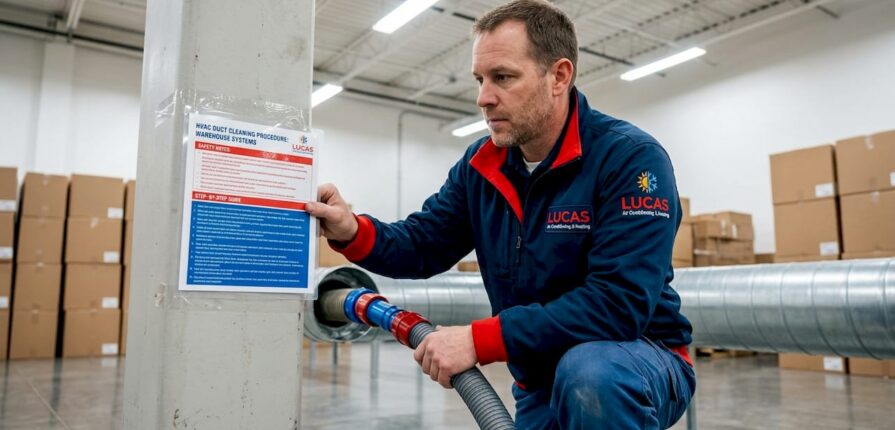
- Most manufacturing facility managers underestimate the importance of proper containment during duct cleaning, risking recontamination and air quality issues. Regular, risk-based cleaning of HVAC systems reduces airborne contaminants, maintains energy efficiency, and ensures regulatory compliance. Effective industrial duct cleaning requires comprehensive scope, negative-pressure containment, and thorough documentation to protect worker health and operational integrity.
Most facility managers think about duct cleaning the way they think about changing a furnace filter: put it on a schedule, check it off the list, move on. But the role of duct cleaning in manufacturing is far more nuanced than that. Dirty ducts in a production environment don’t just affect comfort. They restrict airflow, drive up energy costs, circulate hazardous particulates, and create real compliance exposure. This guide cuts through the noise to give you a precise, evidence-based picture of what duct cleaning actually does for your facility, when it’s necessary, and how to do it right.
Table of Contents
- Key takeaways
- The role of duct cleaning in manufacturing efficiency
- Air quality, worker health, and workplace safety
- Industrial duct cleaning best practices
- Regulatory requirements and fire safety
- Scheduling duct cleaning to minimize disruption
- My take on duct cleaning in manufacturing programs
- How Lucasair supports manufacturing HVAC and duct health
- FAQ
Key takeaways
| Point | Details |
|---|---|
| Risk-based scheduling beats routine | Clean ducts based on contamination evidence and facility risk factors, not arbitrary intervals. |
| Full-system scope is non-negotiable | Cleaning only visible duct sections risks re-contamination; coils, fans, and registers must be included. |
| Containment prevents cross-contamination | Negative-pressure systems are required to stop dislodged particulates from spreading into production areas. |
| Compliance carries real consequences | NFPA 96 and OSHA standards create documentation and inspection requirements that facility managers must track. |
| Air quality connects to productivity | Poor manufacturing air quality from dirty ducts drives respiratory illness, absenteeism, and potential OSHA violations. |
The role of duct cleaning in manufacturing efficiency
Particulate buildup inside duct systems is not a cosmetic problem. In manufacturing environments, the volume and variety of airborne contaminants are dramatically higher than in office buildings or residential spaces. Metal shavings, welding smoke, chemical vapors, and process-generated dust all find their way into HVAC ductwork. Over time, that accumulation restricts the cross-sectional area of the duct, forcing fans and air handlers to work harder to move the same volume of air.
Particulate buildup reduces airflow and increases strain on HVAC systems in large facilities, accelerating wear on motors, bearings, and coils. The practical result is higher utility bills, more frequent equipment repairs, and shortened component life cycles. For a facility running continuous production shifts, that’s not an abstract concern. It’s a measurable line item on the maintenance budget.
The connection between duct cleanliness and HVAC energy consumption is well-documented. When filters and ductwork are clogged, static pressure in the system rises, and the fan motor draws more amperage to compensate. In a large manufacturing plant, even a modest reduction in system efficiency compounds across dozens of air handlers and thousands of operating hours per year.
Pro Tip: Install magnehelic gauges or differential pressure sensors across key duct sections. A rising pressure differential over weeks or months is one of the clearest objective indicators that cleaning is warranted, far more reliable than a calendar date.
Beyond energy, consider the downstream effect on HVAC components. Coil fouling from airborne grease or dust creates insulating layers that reduce heat transfer capacity. A coil that’s only 80% efficient forces the compressor to run longer cycles to achieve the same temperature outcome. That’s real wear compounded over a full production season.
Air quality, worker health, and workplace safety
Manufacturing environments generate a category of duct contamination that simply doesn’t exist in most commercial buildings. Consider what circulates in a typical metalworking or chemical processing plant:
- Metal particulates and grinding dust with sharp, respirable edges
- Welding fumes containing manganese, hexavalent chromium, and other regulated substances
- Microbial growth in ducts where moisture and organic material accumulate
- Chemical vapors from solvents, coatings, and adhesives that adsorb onto duct surfaces
Dirty ducts in industrial spaces can circulate harmful particulates throughout the facility and create elevated fire risk, particularly where combustible dust or flammable vapors are present. When the HVAC system is distributing rather than removing these contaminants, the result is chronic low-level exposure for every worker in the facility.
The health consequences are not hypothetical. Workers exposed to poor manufacturing air quality experience higher rates of occupational asthma, irritant-induced respiratory disease, and sick building syndrome symptoms. Productivity drops, absenteeism rises, and workers’ compensation claims increase. That’s before any regulatory action enters the picture.
OSHA’s General Duty Clause requires employers to provide a workplace free from recognized hazards that are causing or likely to cause death or serious physical harm. A duct system that distributes welding fume or silica dust throughout a facility is not a theoretical compliance gap. It is a documented hazard.
OSHA’s specific standards for hexavalent chromium, lead, silica, and welding fumes all carry exposure limits that are increasingly difficult to meet when the ventilation system itself is a contamination source. Regular, targeted duct cleaning as part of a broader industrial hygiene program is one of the controls that supports compliance. For guidance on evidence-based air quality practices, the principles translate directly from commercial to industrial contexts.
Industrial duct cleaning best practices
Industrial duct cleaning is a fundamentally different operation than the residential service most people picture. The scope, equipment, and containment requirements bear almost no resemblance to a residential job. Getting this wrong doesn’t just waste money. It can actively worsen conditions on the production floor.
Here is the sequence that qualified industrial providers follow:
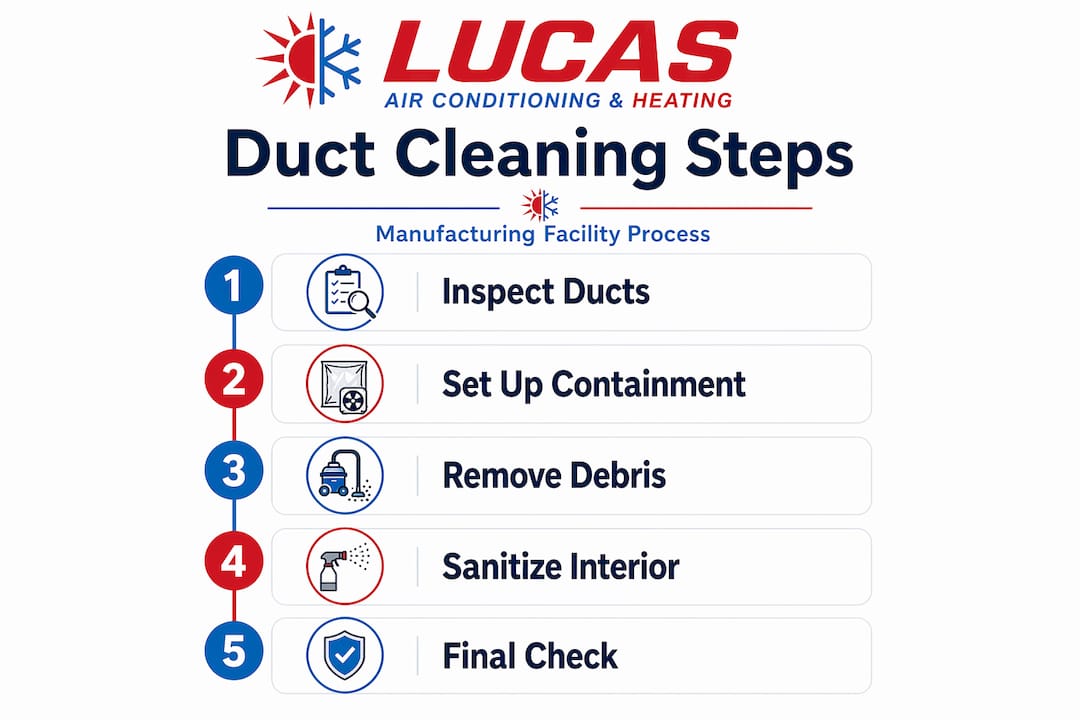
- System mapping and access planning. Before any cleaning begins, the full duct network and all HVAC components are documented. Access points are identified and, where necessary, cut and re-sealed after cleaning.
- Negative-pressure containment setup. Industrial containment requires negative-pressure environments to prevent dislodged particulates from migrating into occupied production spaces. HEPA-filtered negative air machines are connected to the duct system before any mechanical agitation begins.
- Mechanical agitation and extraction. Rotary brush systems, compressed air whips, and high-powered vacuums sized for large industrial ductwork remove accumulated material. Residential equipment lacks the airflow capacity to clean large industrial trunk lines effectively.
- Full component cleaning. Coils, drain pans, fans, registers, and air handlers are cleaned alongside the duct surfaces. Cleaning only visible sections without addressing the full HVAC system risks immediate re-contamination.
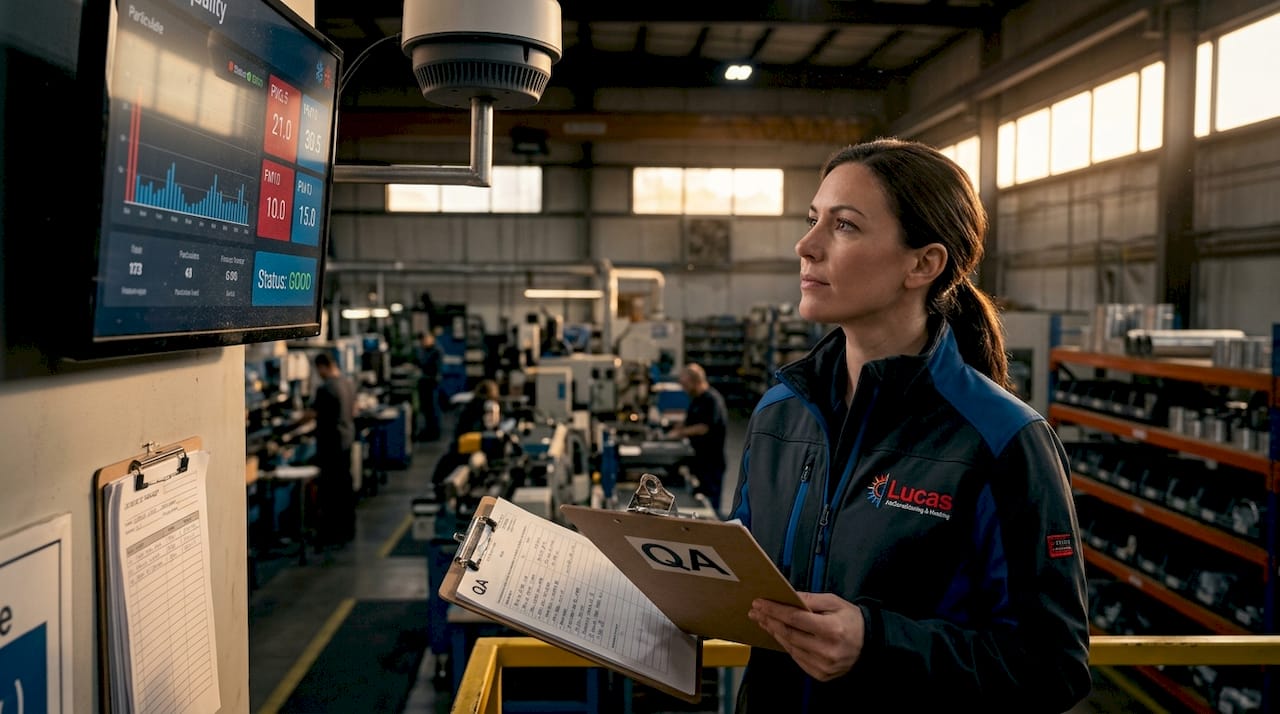
- Post-cleaning inspection and documentation. Video inspection of duct interiors, written records of cleaned zones, and photographic documentation support both internal quality verification and regulatory compliance.
The most common pitfall in industrial duct cleaning is scope creep in the wrong direction. A contractor who cleans accessible trunk lines but skips coils, plenums, and fan sections is delivering an incomplete job. The EPA warns that partial cleaning can cause re-aerosolization and residual contamination, effectively redistributing what was already present.
| Factor | Residential duct cleaning | Industrial duct cleaning |
|---|---|---|
| Equipment scale | Portable vacuum units | Truck-mounted or large-capacity industrial vacuums |
| Containment required | Rarely needed | Negative-pressure containment standard |
| System scope | Ducts and registers | Full HVAC system including coils, fans, plenums |
| Documentation | Optional | Required for compliance and post-cleaning verification |
| Contaminant types | Dust, allergens, mold | Metal particulates, chemical residue, combustible dust, biologicals |
Pro Tip: Request a pre-cleaning video inspection of your duct interior. It establishes a documented baseline, helps contractors scope the job accurately, and gives you objective evidence to compare against post-cleaning results.
Regulatory requirements and fire safety
Regulatory compliance is not optional for manufacturing facilities, and duct system condition is directly relevant to several major codes and standards.
NFPA 96 is most commonly associated with commercial kitchens, but its principles extend to any manufacturing process that introduces grease-laden or flammable particulate into exhaust systems. NFPA 96 Section 11.6.2 sets cleaning thresholds and requires service labels and photographic documentation to demonstrate fire code compliance. For food manufacturing, chemical processing, or any facility with combustible dust, the standard is directly applicable.
Key regulatory touchpoints for manufacturing facility managers:
- OSHA 29 CFR 1910.94 covers ventilation requirements for operations generating toxic or hazardous airborne substances
- NFPA 654 addresses prevention of fire and dust explosions from combustible particulates in manufacturing and processing facilities
- OSHA Permissible Exposure Limits (PELs) for specific substances like silica, hexavalent chromium, and welding fume require effective ventilation controls
- Insurance policy requirements often mandate documented HVAC maintenance records as a condition of coverage
Documentation is the part most facility managers underestimate. Cleaning a duct system without generating inspection reports, service labels, and photographic records leaves you with no evidence of compliance when an OSHA inspector or insurance adjuster asks for it. For commercial facilities, compliance and documentation requirements apply whether you are running a restaurant exhaust hood or an industrial process ventilation system.
Scheduling duct cleaning to minimize disruption
The EPA recommends as-needed cleaning rather than automatic routine intervals, and that guidance applies directly to manufacturing. However, “as needed” is not a license to ignore the system. It means building a risk-based monitoring program that identifies when cleaning is genuinely warranted.
Indicators that signal cleaning is necessary in a manufacturing environment:
- Visible particulate accumulation on supply registers or return grilles during normal operations
- Rising differential pressure readings across duct sections or filter banks
- Increased frequency of filter replacement to maintain target airflow
- New or expanded processes generating additional airborne contaminants
- Post-construction or post-renovation debris in the duct system
- Any confirmed microbial growth or moisture intrusion in duct components
Routine cleaning every one to two years is common practice in industrial buildings, but high-contaminant operations may require more frequent attention while low-intensity facilities may go longer without measurable accumulation. The schedule should follow the evidence.
When selecting an industrial duct cleaning provider, verify NADCA certification (National Air Duct Cleaners Association), ask for documented references from comparable industrial facilities, and confirm that the contractor uses negative-pressure containment as standard practice. For context on when cleaning is genuinely warranted, the risk-based framework applies equally to industrial settings.
Pro Tip: Coordinate cleaning with planned production shutdowns or maintenance windows. Scheduling duct cleaning during a line changeover or scheduled equipment maintenance minimizes production disruption and gives technicians unobstructed access to the full facility.
My take on duct cleaning in manufacturing programs
I’ve worked with enough manufacturing facilities to say plainly that containment is the most chronically underestimated element of industrial duct cleaning. Facility managers focus on frequency and cost. Contractors focus on access and scope. Almost everyone underestimates what happens when you mechanically agitate a duct system that’s been accumulating welding fume residue or chemical vapor deposits for three years without proper negative-pressure isolation.
I’ve seen post-cleaning air quality measurements that were worse than pre-cleaning baselines, not because the contractor was incompetent, but because containment was treated as optional. Dislodged particulates re-entered the production environment and settled on surfaces, in machinery, and in workers’ breathing zones. That outcome is entirely preventable.
My practical advice: stop treating duct cleaning as a standalone task and start treating it as a system event. It touches energy performance, air quality, regulatory compliance, and equipment lifespan simultaneously. The EPA’s own guidance warns against improper procedures worsening conditions, and in manufacturing, that warning carries much higher stakes than it does in a residential setting.
The facilities that manage this well are the ones that own the evidence. They track pressure differentials, document cleaning events, and require post-cleaning inspections before they release a contractor from the job. That approach gives you a defensible maintenance record and a duct system that actually performs.
— Lucasair
How Lucasair supports manufacturing HVAC and duct health

Manufacturing facility managers in Central Florida have specific needs that generic HVAC contractors aren’t set up to meet. Lucasair provides commercial and industrial duct cleaning and HVAC maintenance services built around the operational and compliance realities of production environments. That means proper scoping, documented results, and technicians who understand the difference between a residential clean and an industrial-grade service.
Whether your facility needs a one-time targeted cleaning following a process change, ongoing preventative maintenance, or a commercial HVAC installation to replace aging infrastructure, Lucasair brings the documentation practices and technical standards your facility requires. For a direct look at how professional duct cleaning supports both compliance and air quality, explore Lucasair’s duct cleaning efficiency guide. Contact Lucasair to schedule an assessment for your Central Florida facility.
FAQ
What is the role of duct cleaning in manufacturing?
Duct cleaning in manufacturing removes accumulated particulates, chemical residue, and biological growth from HVAC ductwork, restoring airflow capacity, reducing energy consumption, and preventing the recirculation of hazardous contaminants throughout the facility.
How often should manufacturing facilities clean their ducts?
Most industrial facilities clean ducts every one to two years, but the correct interval depends on contaminant load, process changes, and monitoring data like differential pressure readings rather than a fixed calendar schedule.
Does duct cleaning improve energy efficiency in factories?
Yes. Particulate buildup increases static pressure in duct systems, forcing HVAC fans to draw more energy to maintain airflow. Cleaning restores designed airflow capacity and reduces the strain on motors, coils, and compressors.
What regulations apply to duct cleaning in manufacturing?
Key standards include OSHA 29 CFR 1910.94 for industrial ventilation, NFPA 654 for combustible dust environments, and NFPA 96 for grease-laden or flammable particulate exhaust systems. All require documentation and inspection records.
Why is negative-pressure containment necessary for industrial duct cleaning?
Without negative-pressure isolation, dislodged particulates from cleaning migrate into the production environment, contaminating work surfaces, machinery, and air that workers breathe. Containment keeps the cleaning process from creating a new contamination event.
Recommended
- Restaurant duct cleaning: Keep compliant and customers happy – Lucas Air Conditioning and Heating
- Why Regular Duct Cleaning Boosts Air Quality and Efficiency – Lucas Air Conditioning and Heating
- Duct Cleaning & Indoor Air Quality: Evidence & Best Practices – Lucas Air Conditioning and Heating
- When does duct cleaning really help Florida homes? – Lucas Air Conditioning and Heating
