
TL;DR:
- Your AC unit often freezes due to restricted airflow or low refrigerant pressure, which causes the evaporator coil to drop below freezing.
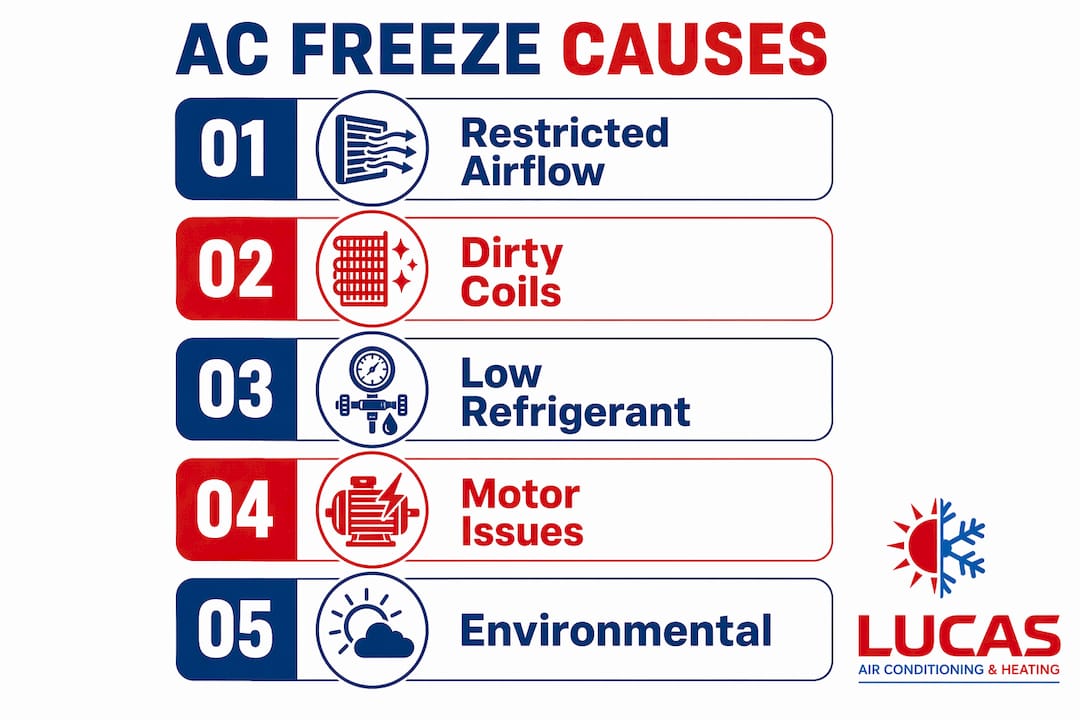
- Frequent causes include dirty filters, blocked vents, dirty coils, refrigerant leaks, blower motor issues, or thermostat malfunctions.
Why your AC unit keeps freezing up
A home AC unit freezes when the evaporator coil drops below 32°F and moisture in the air turns to ice on the coil surface. Two conditions drive this: restricted airflow and low refrigerant pressure. Either one starves the coil of the heat exchange it needs to stay above freezing.
The most common culprits behind frozen AC coils are:
- Dirty or clogged air filters blocking warm air from reaching the coil
- Closed or blocked supply and return vents reducing system airflow
- Dirty evaporator coils coated in dust that insulates the coil from heat
- Low refrigerant from a leak, causing pressure to drop and coil temperature to plummet
- Blower motor failure cutting airflow even when filters are clean
- Thermostat malfunctions running the system longer than needed
- Outdoor temperatures below approximately 60°F causing pressure drops during operation
Running a frozen unit risks permanent compressor damage, with replacement costs that can reach several thousand dollars. Shut it down first, then diagnose.
Pro Tip: Cleaning or replacing your air filter monthly during peak cooling season can improve system efficiency by 5–15% and significantly cuts the chance of a freeze-up.
Common causes and how to diagnose a frozen AC unit
Restricted airflow: the most frequent trigger
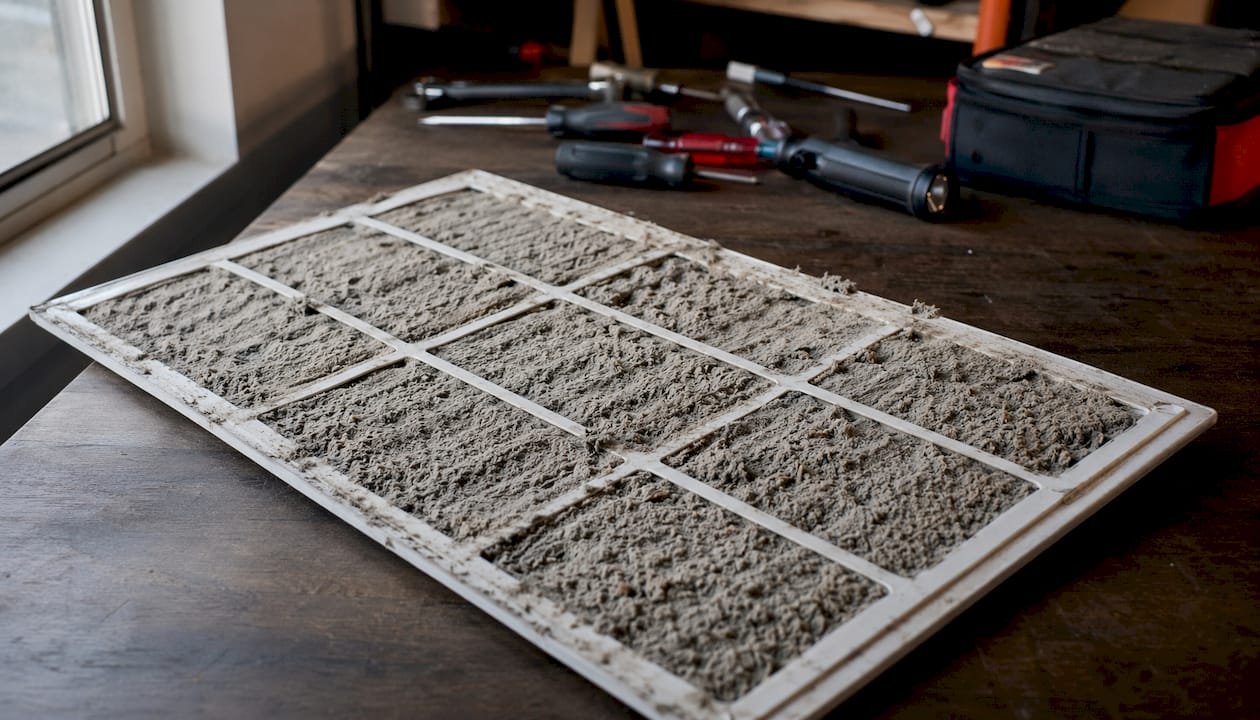
Dirty filters are the single most common reason a home AC unit freezes up in summer. When a filter is packed with dust and pet hair, warm air can’t move across the evaporator coil freely. The coil gets colder and colder until condensation freezes solid. Check your filter first. If it’s gray and stiff, that’s your answer.
Blocked vents are just as guilty. Furniture pushed against a supply register, a closed vent in a spare room, or a return vent covered by a curtain all choke the system. The Department of Energy notes that closed-off rooms disrupt airflow throughout the home. Walk your house and confirm every vent is open and clear.
Dirty evaporator coils
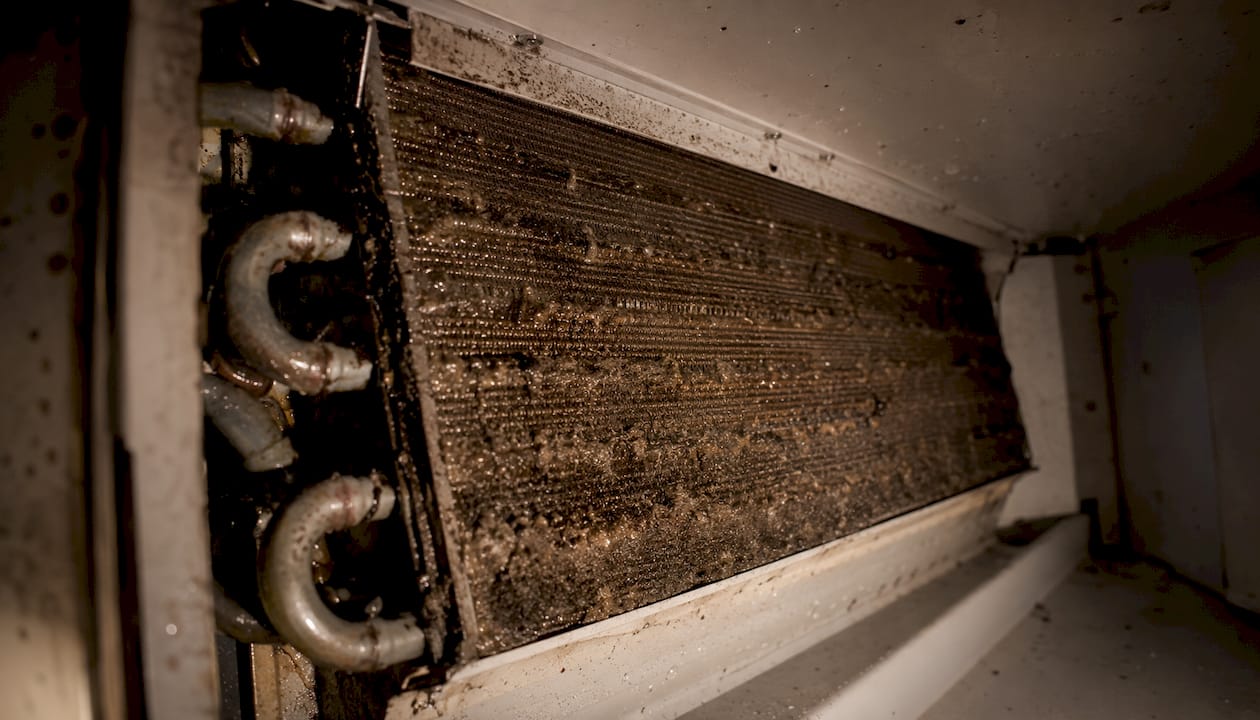
Even with a clean filter, coils accumulate a thin layer of grime over time. That layer acts as insulation, blocking heat transfer and dropping coil temperature. You may not notice it until the unit stops cooling effectively or you spot ice on the refrigerant lines. Coil cleaning is not a DIY job for most homeowners. It requires access to the air handler and the right cleaning solution.
Low refrigerant from a leak
When refrigerant leaks, pressure inside the evaporator coil drops. Lower pressure means lower temperature, and the coil freezes. Signs of a refrigerant issue include a hissing or bubbling sound near the unit, ice forming on the copper lines outside, and a system that runs constantly but barely cools. Refrigerant leaks require a licensed technician to locate, repair, and recharge the system. EPA regulations prohibit homeowners from handling refrigerants themselves.
Blower motor and thermostat problems
A failing blower motor mimics the effect of a clogged filter. Airflow drops, the coil gets too cold, and ice forms. You can test this by holding your hand near a supply register. Weak or barely perceptible airflow when the system is running points to a motor problem. A faulty thermostat can cause the system to run nonstop without cycling off, which also drives coil temperature below freezing over time.
Pro Tip: Before calling a technician, check these items first: filter condition, all vent positions, and whether the blower fan is actually running. This saves time and helps the tech diagnose faster.
Environmental conditions
Outdoor temperatures below roughly 60°F can cause pressure drops in the refrigerant circuit, leading to coil freezing even when everything else is working correctly. This is less common in Central Florida’s climate but can happen during cooler nights in spring or fall if the system runs overnight.
Safe steps to fix and unfreeze your AC unit
Once you spot ice on the coils or lines, stop the system immediately. Running a frozen AC puts severe strain on the compressor.
- Turn the thermostat to “Off,” not just a warmer setting. You want to stop the cooling cycle entirely.
- Switch the fan setting to “On” so it continues to circulate warm air across the coil and speed up thawing.
- Remove the air filter and inspect it. A clogged filter is often the cause, and removing it improves airflow during the thaw.
- Wait for the ice to melt fully following this step-by-step guide. Depending on how much ice has built up, this can take several hours. Place towels around the air handler to catch drip water.
- Check the condensate drain line for clogs. A backed-up drain can overflow as ice melts.
- Replace the filter with a clean one before restarting.
- Restart the system only after all ice is gone and airflow feels normal at the vents.
Never chip ice off the coil with a screwdriver or use a heat gun to speed up thawing. Thermal shock can crack aluminum fins and damage copper refrigerant lines, turning a simple fix into an expensive repair. Let the ice melt on its own.
If the unit freezes again within 24 hours of thawing and filter replacement, stop trying to restart it. That pattern points to a refrigerant leak or blower motor failure, not an airflow issue you can fix yourself. Call a licensed technician.
Preventative maintenance practices to reduce AC freeze-ups
Consistent maintenance is what separates a system that runs reliably for 15 years from one that ices up every summer. The habits below address every major cause of AC unit ice formation.
- Replace or clean air filters monthly during peak cooling season. The Department of Energy confirms this single habit lowers energy consumption by 5–15% and directly reduces freeze risk.
- Keep all supply and return vents open and unobstructed. Closing vents in unused rooms does not save energy; it creates the pressure imbalance that causes coils to freeze.
- Schedule a professional coil cleaning and inspection annually. A technician can clean the evaporator coil, check refrigerant charge, and catch problems before they cause a breakdown. The ENERGY STAR guide recommends verifying refrigerant level meets manufacturer specifications every season.
- Flush the condensate drain line at the start of each cooling season. Algae and debris clog the drain, causing water backup that can damage the air handler.
- Verify proper system sizing. The Air Conditioning Contractors of America ACCA Manual J calculation is the industry standard for sizing residential equipment. An oversized unit short-cycles, never fully dehumidifying the air, which contributes to humidity buildup and freeze risk.
- Enroll in a preventative maintenance agreement. Annual or semi-annual professional inspections verify refrigerant levels, coil cleanliness, blower operation, and electrical connections before problems develop.
A Florida homeowner’s guide to preventative HVAC is worth reviewing if your system runs nearly year-round, since continuous operation accelerates filter loading and coil fouling faster than in cooler climates.
What Lucasair’s HVAC experts say about diagnosing and preventing AC freezing
Thawing the ice is the easy part. The harder part is identifying why the coil froze in the first place, and that distinction is what separates a one-time fix from a recurring problem.
Fixing a frozen AC unit means more than melting the ice. The underlying failure in the heat exchange cycle must be diagnosed and corrected, or the system will freeze again. Airflow restrictions are often DIY-fixable, but refrigerant leaks and mechanical failures require a trained technician with the right diagnostic tools.
Refrigerant handling is not optional to leave to professionals. EPA regulations require certified technicians to manage refrigerant recovery, repair, and recharge. Faulty installation and improper refrigerant charge are among the most frequent causes of recurring freeze-ups, and an incorrect charge can damage the compressor whether the system is overcharged or undercharged.
Lucasair’s team, led by Army Veteran Cameron Lucas, has served Central Florida homeowners and property managers since 2018. The focus is always on diagnosing the root cause, not just clearing the symptom. If your system ices up repeatedly, the residential repair process starts with a full diagnostic, not a guess.
Pro Tip: If your AC was installed without an ACCA Manual J load calculation, it may be the wrong size for your home. Oversized and undersized units both contribute to freeze problems and humidity issues. Ask your technician to verify sizing at your next service call.

Chronic freeze-ups often signal that a system is overdue for professional attention. Lucas Air offers HVAC repair services for Central Florida homeowners, from refrigerant leak diagnosis to blower motor replacement.
Key Takeaways
A home AC unit freezes primarily because restricted airflow or low refrigerant causes the evaporator coil to drop below 32°F, and running the unit in that state risks compressor damage that can cost thousands to repair.
| Point | Details |
|---|---|
| Top cause is airflow restriction | Dirty filters, blocked vents, and dirty coils are the most common triggers for AC unit ice formation. |
| Low refrigerant requires a pro | A refrigerant leak causes pressure to drop and the coil to freeze; only a certified technician can repair and recharge legally. |
| Shut down immediately | Turn the thermostat off and run the fan on “On” to thaw safely; never chip ice or use heat tools on the coil. |
| Monthly filter changes cut freeze risk | Replacing filters monthly during peak season improves efficiency by 5–15% and directly reduces freeze likelihood. |
| Repeat freezing means call a technician | If the coil freezes again within 24 hours of thawing and filter replacement, the cause is mechanical, not a simple airflow fix. |
Need a hand? Lucas Air Conditioning and Heating offers evaporator coil cleaning in Tavares, FL for homes and businesses across Lake County.
Recommended
- Common AC Repair Issues Every Homeowner Should Know – Lucas Air Conditioning and Heating
- Things to Check Before Your AC Repair Call – Lucas Air Conditioning and Heating
- Can Air Conditioners Blow Up? What Homeowners Must Know – Lucas Air Conditioning and Heating
- Winterizing HVAC Systems: A Complete 2026 Checklist – Lucas Air Conditioning and Heating