
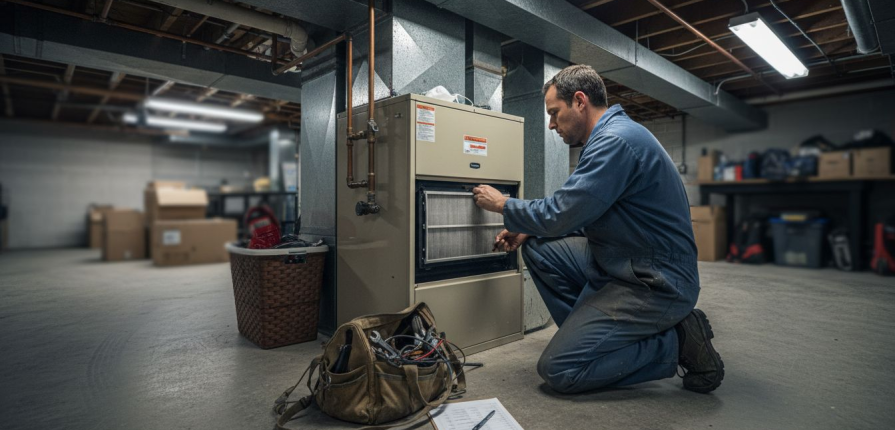
Dusty vents, clogged filters, and neglected outdoor units can quietly cause your HVAC system to consume more energy and leave your indoor air less fresh. When your system struggles with these common issues, you might notice higher bills, uneven temperatures, or a lingering musty smell throughout your home. Regular attention makes a big difference, but it’s not always clear where to start or what action delivers real results.
This guide unveils the proven steps to keep your home’s HVAC system running efficiently and your air healthy. You’ll discover practical, homeowner-friendly tips backed by trusted sources like ASHRAE and Consumer Reports. Each step is easy to follow and addresses the details that protect your comfort, your wallet, and your indoor environment.
Get ready to learn exactly what you need to do—no guesswork, no unnecessary tasks—just actionable advice you can use right away for a cleaner, safer, and more efficient home.
Table of Contents
- Change Air Filters For Better Efficiency
- Clean And Unblock Air Vents
- Inspect And Clear Outdoor Units
- Check Thermostat Settings
- Examine And Clean Condensate Drain
- Test System Safety Controls
- Schedule Professional HVAC Inspection
Quick Summary
| Takeaway | Explanation |
|---|---|
| 1. Change Air Filters Regularly | Clean air filters enhance HVAC efficiency, indoor air quality, and energy savings. Replace filters every 3-12 months based on type. |
| 2. Keep Air Vents Clean | Regularly cleaning air vents prevents dust buildup, ensuring proper airflow and better air quality. Clean every 3-6 months for optimal results. |
| 3. Inspect Outdoor Units | Regular inspections of outdoor units prevent damage from debris and ensure efficient operation. Maintain a clear area around the unit for airflow. |
| 4. Optimize Thermostat Settings | Proper thermostat settings can significantly lower energy costs. Adjust temperatures based on occupancy patterns for maximum efficiency. |
| 5. Schedule Professional HVAC Inspections | Professional inspections ensure comprehensive evaluation of HVAC systems, preventing costly repairs by addressing issues before they escalate. Schedule biannually for best results. |
1. Change Air Filters for Better Efficiency
Maintaining clean air filters is one of the most straightforward yet critical steps in keeping your home’s HVAC system running smoothly. Regularly replacing your air filters directly impacts your system’s performance, energy efficiency, and indoor air quality.
Filters play a crucial role in trapping dust, allergens, and airborne particles that can circulate through your home. Consumer Reports recommends changing filters every 3 to 12 months depending on the filter type and thickness. Disposable filters typically need replacement every 3 to 6 months, while more robust filters can last longer.
When air filters become clogged, your HVAC system must work harder to push air through, which increases energy consumption and reduces overall system efficiency. This extra strain can lead to higher utility bills and potentially costly repairs down the line. ASHRAE recommends using filters rated MERV 13 or better to efficiently capture airborne particles while maintaining proper airflow.
To change your filter, first locate the filter compartment in your HVAC system. Check the current filter’s size printed on its frame, then purchase a matching replacement. Turn off your HVAC system before removing the old filter, slide the new filter into place ensuring the airflow arrow points in the correct direction, and secure it properly.
Pro tip: Set a digital calendar reminder every three months to check and replace your air filters, ensuring consistent HVAC system performance and indoor air quality.
2. Clean and Unblock Air Vents
Your home’s air vents are the respiratory system of your HVAC system, and keeping them clean is crucial for maintaining optimal indoor air quality and system performance. Blocked or dusty vents can significantly reduce airflow and force your HVAC system to work harder than necessary.
Cleaning indoor air vents every 3 to 6 months removes accumulated dust, pet hair, and debris that can obstruct airflow and degrade your home’s air quality. These blockages not only reduce system efficiency but can also contribute to respiratory issues and allergic reactions.
To effectively clean your air vents, start by turning off your HVAC system. Remove the vent covers using a screwdriver and vacuum the interior with an extended hose attachment. Use a microfiber cloth or soft brush to gently wipe away dust from the vent surfaces and surrounding wall areas. For deeper cleaning, you can use a mild eco-friendly cleaning solution applied to a soft cloth.
Proper ventilation controls humidity and reduces airborne contaminants throughout your home. Pay special attention to vents in high moisture areas like bathrooms and kitchens, where dust and potential mold can accumulate more quickly.
Pro tip: Consider investing in magnetic vent covers with built-in filters to catch additional dust and make future cleaning even easier.
3. Inspect and Clear Outdoor Units
Your outdoor HVAC unit is exposed to Florida’s harsh environmental conditions and requires regular maintenance to function efficiently. Keeping this critical component clean and well maintained can significantly extend its operational life and prevent unexpected breakdowns.
Inspecting outdoor HVAC units involves carefully examining the physical condition, checking for damage, and ensuring proper airflow around the system. During your inspection, look for signs of rust, physical damage, or vegetation growth that might impede the unit’s performance.
Clearing debris is essential for maintaining your outdoor unit’s efficiency. Remove leaves, branches, grass clippings, and other organic materials that can accumulate around the unit. Maintain at least two feet of clear space around all sides of the unit to ensure optimal airflow and prevent potential system strain.
Home inspections recommend checking unit placement to confirm it remains level and stable. Uneven ground can cause vibration and potential damage to internal components. Use a carpenter’s level to verify the unit sits evenly, and consider adding gravel or a concrete pad if the ground has shifted.
Pro tip: Cover your outdoor unit during extreme weather conditions to protect it from debris and potential damage, but ensure the cover allows proper ventilation.
4. Check Thermostat Settings
Your home’s thermostat is the control center for comfort and energy efficiency, acting as the brain of your HVAC system. Understanding and optimizing its settings can significantly reduce energy consumption and maintain consistent indoor temperatures.
Thermostat calibration requires annual checking to ensure accurate temperature control. Compare your thermostat’s temperature reading with an accurate thermometer to verify its precision. If discrepancies exist, you may need professional calibration or replacement.
Advanced thermostat configurations offer sophisticated efficiency options. Modern thermostats can integrate with temperature and humidity sensors, allowing automated scheduling that adapts to your specific living patterns. Look for features like outdoor temperature thresholds and occupancy detection that can automatically adjust your home’s climate control.
Consider programming different temperatures for daytime and nighttime. During summer, set your thermostat a few degrees higher when you are away. In winter, lower the temperature when you are sleeping or out of the house. These small adjustments can result in substantial energy savings without compromising comfort.
Pro tip: Invest in a smart thermostat that learns your temperature preferences and automatically creates an energy efficient schedule, potentially saving up to 15% on your annual heating and cooling costs.
5. Examine and Clean Condensate Drain
The condensate drain is a critical yet often overlooked component of your HVAC system that prevents water buildup and potential water damage to your home. Understanding how to maintain this system can save you from costly repairs and potential mold growth.
Plumbing codes mandate specific condensate drainage requirements to ensure proper water management. The drain line must have an appropriate slope and discharge to an approved location that prevents water damage to your home’s structure.
Condensate drains require specific technical considerations including a minimum three-fourths inch diameter and proper installation of drainage traps. These traps prevent sewer gases from entering your living space while allowing water to flow smoothly away from your HVAC system.
To clean your condensate drain, start by locating the drain line near your indoor air handler. Use a wet vacuum or specialized drain cleaning solution to remove any potential blockages. Pour a mixture of bleach and water through the drain to eliminate algae or mold growth that could cause clogs. Check the drain pan for standing water or signs of leakage that might indicate a more significant drainage issue.
Pro tip: Install a condensate overflow switch that automatically shuts down your HVAC system if water backs up, preventing potential water damage and giving you early warning of drainage problems.
6. Test System Safety Controls
Your HVAC system’s safety controls are the unsung heroes that protect your home from potential hazards like electrical failures, overheating, or unexpected system malfunctions. Understanding and regularly testing these critical components can prevent costly repairs and ensure your family’s safety.
System safety engineering involves identifying potential risks and implementing controls to minimize potential mishaps. This approach goes beyond simple maintenance by proactively assessing and mitigating potential system vulnerabilities before they become serious problems.
Testing, Adjusting, and Balancing verifies system safety features to ensure all components operate within designed specifications. Key safety controls to check include the emergency shutoff switch, temperature limit switches, pressure relief valves, and electrical connections. Look for signs of wear, corrosion, or unusual resistance when testing these components.
Start by locating your system’s main safety switches and control panels. Carefully inspect electrical connections for any signs of fraying or damage. Test the emergency shutoff switch to confirm it immediately stops system operation. Check that temperature and pressure sensors respond correctly when manually adjusted.
Pro tip: Keep a log of your safety control tests with dates and observations, which can help identify potential issues early and provide valuable documentation for future maintenance or insurance purposes.
7. Schedule Professional HVAC Inspection
A professional HVAC inspection is the ultimate health check for your home’s heating and cooling system, providing comprehensive evaluation beyond what typical homeowner maintenance can achieve. This critical service goes far beyond a simple visual inspection, diving deep into system performance and potential hidden issues.
ASHRAE Standard 180 specifies minimum inspection practices to ensure thermal comfort, energy efficiency, and indoor air quality. Professional technicians use specialized tools and expertise to assess components that are not easily visible or accessible to homeowners.
Professional inspections include comprehensive Testing, Adjusting, and Balancing services that systematically verify system performance and safety controls. During a thorough inspection, technicians will evaluate electrical connections, refrigerant levels, motor operations, thermostat calibration, and overall system efficiency.
Ideal timing for professional inspections includes once before the summer cooling season and once before the winter heating season. This biannual approach allows technicians to address potential issues before they become costly repairs and ensures your system operates at peak performance throughout the year.
Pro tip: Schedule your professional HVAC inspection during the shoulder seasons of spring and fall when technician availability is typically higher and emergency repair wait times are shorter.
Below is a comprehensive table summarizing the main steps and considerations for maintaining an HVAC system as discussed in the article.
| Maintenance Task | Steps and Actions | Benefits |
|---|---|---|
| Change Air Filters | Replace air filters every 3–12 months (depending on type). Ensure the airflow direction matches the markings. | Improved air quality, enhanced energy efficiency, and extended HVAC system lifespan. |
| Clean Air Vents | Vacuum and wipe vent covers and surrounding areas. Use an eco-friendly cleaner for thorough cleaning. | Augmented airflow and reduced respiratory irritants in the living area. |
| Inspect Outdoor Unit | Clear debris, check for damage, and ensure proper leveling. Maintain a minimum two-foot clearance around the unit. | Increased efficiency, reduced system strain, and prevention of costly issues. |
| Adjust Thermostat | Verify calibration and implement programmed temperature adjustments for various times of the day. Consider upgrading to a smart thermostat. | Energy savings and consistent indoor comfort. |
| Check Condensate Drain | Clear blockages using a wet vacuum. Sanitize with a bleach-water solution to prevent mold growth. | Prevention of water damage and maintenance of proper system operation. |
| Test Safety Controls | Inspect safety switches and sensors. Test emergency shutoff and balance system components. | Enhanced safety measures and prevention of operational hazards. |
| Schedule Inspections | Have a professional inspection biannually—spring and fall are ideal. Assess all hidden and inaccessible system components. | Comprehensive assurance of HVAC functionality and energy efficiency. |
Keep Your Home Comfortable and Efficient with Expert HVAC Care
Struggling to stay on top of your home HVAC maintenance checklist can feel overwhelming. From changing air filters to inspecting outdoor units and testing safety controls every step matters for energy savings and indoor air quality. If you want peace of mind knowing your system runs smoothly throughout Florida’s seasons, expert help is just a click away.
Don’t wait until minor issues turn into costly repairs. Lucas Air Conditioning and Heating specializes in comprehensive HVAC services including tune-ups, repairs, and preventative maintenance that align perfectly with your home maintenance needs. Explore our current Special Offers for January 2026 and discover how easy it is to protect your comfort. Ready to enhance your home’s ventilation and system efficiency? Visit our Ventilation Archives page for tips or schedule your service today at https://lucasair.com. Take the next step toward reliable home comfort now.
Frequently Asked Questions
How often should I change my HVAC air filters?
Regularly changing your HVAC air filters is essential for performance and efficiency. Aim to change disposable filters every 3 to 6 months and check for more robust filters that can last up to 12 months. Replace them based on your filter type and the air quality in your home.
What steps should I follow to clean my air vents?
To clean your air vents, first turn off your HVAC system to ensure safety. Remove the vent covers, vacuum inside with a hose attachment, and wipe down the covers with a microfiber cloth. Repeat this process every 3 to 6 months to maintain airflow and indoor air quality.
How do I inspect and maintain my outdoor HVAC unit?
Inspect your outdoor HVAC unit by checking for physical damage, rust, and debris around the unit. Clear leaves and other organic materials to ensure optimal airflow, and maintain at least two feet of clear space around it. Conduct this inspection at least twice a year to prevent operational issues.
What should I do if my thermostat is not accurate?
If your thermostat is not accurately reading the temperature, compare its reading with a reliable thermometer. If discrepancies persist, consider recalibrating or replacing the thermostat. Ensure you perform this check annually to maintain effective temperature control.
How can I prevent condensate drain issues in my HVAC system?
Prevent condensate drain issues by regularly cleaning the drain line and checking for blockages. Use a wet vacuum or a cleaning solution to clear debris, and pour a mixture of bleach and water through the drain to eliminate algae. Perform this maintenance at least once a year to avoid water damage and costly repairs.
Why is a professional HVAC inspection important?
A professional HVAC inspection ensures comprehensive evaluation of your system beyond basic homeowner maintenance. Schedule this inspection biannually, ideally before the summer and winter seasons, to address potential issues and enhance system efficiency throughout the year.
Recommended
- 7 Essentials for a Thorough Commercial HVAC Checklist
- Why Schedule AC Tune-Ups in Eustis – Protect Home Comfort
- Landing Page for Seasonal Specials – Online Booking – Lucas Air Conditioning and Heating
- Landing Page for Seasonal Specials – Lucas Air Conditioning and Heating
- 7 Essential Steps for an Effective Hardwood Maintenance Checklist
- Why Automate Home Lighting: Enhance Safety, Efficiency, Comfort
- HVAC Contractor Eustis FL
- Air Conditioning Installation Eustis FL
