
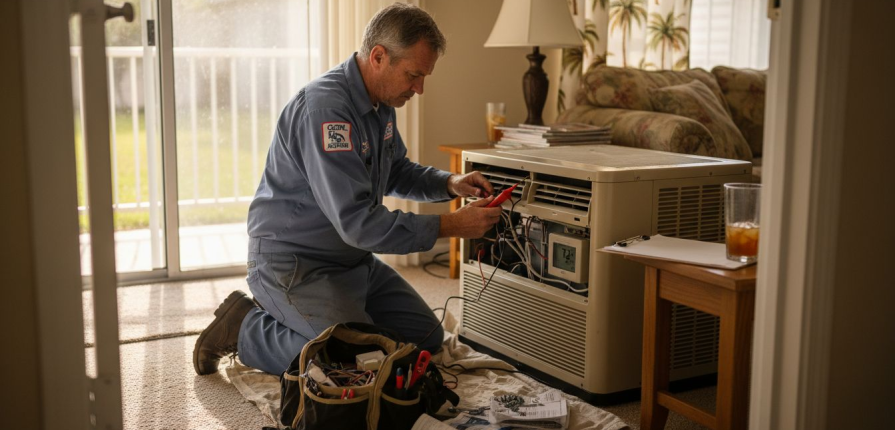
Hot afternoons and chilly nights in Eustis make a reliable HVAC system more than a luxury for local homeowners. When your comfort depends on consistent air conditioning and heating, missing routine inspections can leave you exposed to surprise breakdowns and expensive repairs. A professional visit ensures your home’s system offers consistent temperatures, reasonable utility bills, and healthy indoor air year-round. Discover how routine inspections deliver long-term peace of mind and protect your investment.
Table of Contents
- Defining HVAC Inspection And Its Purpose
- Common Types Of HVAC Inspections Explained
- Inspection Steps And Core System Checks
- Expected Costs And Typical Service Timelines
- Risks Of Skipping HVAC Inspections
- Common Mistakes Homeowners Should Avoid
Key Takeaways
| Point | Details |
|---|---|
| HVAC Inspection Importance | Regular inspections help identify and resolve issues early, ensuring efficient operation and reducing emergency repair costs. |
| Inspection Types | Understanding different inspection types—routine preventive, detailed system, commissioning, and TAB—helps determine which best meets your needs. |
| Skipping Inspections Risks | Neglecting HVAC inspections can lead to higher energy bills, decreased system lifespan, and unhealthy indoor air quality. |
| Common Homeowner Mistakes | Avoid choosing inspections based solely on price, neglecting filter changes, and skipping documentation of maintenance activities. |
Defining HVAC inspection and its purpose
An HVAC inspection is a detailed evaluation of your heating, ventilation, and air conditioning system to verify it’s operating safely, efficiently, and reliably. Think of it as a health checkup for your home’s comfort system. Rather than waiting until something breaks down and leaves you sweating through a Florida summer or shivering on a cold night, a professional inspection catches problems early, keeps your system running smoothly, and protects your investment.
The core purpose of HVAC inspection aligns with standardized inspection and maintenance requirements established by industry experts. A thorough inspection preserves three critical outcomes: thermal comfort in your home, energy efficiency in your system’s operation, and indoor air quality in the air you breathe. For Eustis homeowners, this means maintaining consistent temperatures throughout your house, keeping utility bills reasonable even during peak cooling and heating seasons, and ensuring the air circulating through your home is clean and healthy for your family.
When a technician performs an HVAC inspection at your Eustis residence, they’re systematically checking multiple components. They examine your thermostat to ensure accurate temperature control, inspect ductwork for leaks or blockages that waste energy, clean or replace air filters, evaluate refrigerant levels in your cooling system, test airflow patterns, check electrical connections and safety controls, and inspect the overall condition of indoor and outdoor units. The inspection also identifies potential safety hazards, from electrical issues to gas leaks, that could endanger your household. Essentially, the technician is verifying that every part of your system works together as intended and that nothing poses a risk to your home or family.
What makes inspection different from simple maintenance is its diagnostic nature. During an inspection, technicians look for developing problems before they become expensive repairs. A worn bearing in a motor, refrigerant charge that’s dropping slowly, or airflow restrictions building up in your ducts all become visible during a proper inspection. For homeowners in Central Florida where air conditioning runs much of the year, catching these issues early prevents breakdowns during the sweltering summer months when you need cooling most and emergency service costs skyrocket. An inspection essentially gives you early warning and control over your system’s future rather than leaving you at the mercy of unexpected failures.
To help clarify the differences between HVAC inspection, maintenance, and repair, see the table below:
| Service Type | Primary Goal | Typical Timing |
|---|---|---|
| Inspection | Diagnose system condition and spot issues early | Annually or before peak seasons |
| Maintenance | Perform routine cleaning, adjustments, and replace parts | Every 1-6 months, seasonally |
| Repair | Fix identified problems or failed components | As needed, after failures |
Pro tip: Schedule your HVAC inspection before the start of summer cooling season in May, when technicians are less busy and can provide thorough attention to your system, ensuring it performs at peak efficiency when you need it most.
Common types of HVAC inspections explained
Not all HVAC inspections are created equal. Depending on your system’s age, your home’s condition, and what you’re trying to accomplish, different inspection types serve different purposes. Understanding these variations helps you know what to expect when a technician arrives at your Eustis home and ensures you’re getting the specific evaluation your system needs.
Routine preventive maintenance inspections are the most common type and the one most homeowners should schedule annually or twice yearly. These inspections focus on keeping your system running smoothly by checking filters, cleaning components, testing controls, and identifying minor issues before they escalate. A technician examines your thermostat settings, inspects visible ductwork for obvious problems, checks refrigerant levels, listens for unusual noises, and verifies that airflow feels normal throughout your home. For Eustis residents who run air conditioning for much of the year, this routine checkup typically happens in spring before the cooling season kicks into high gear. It’s the preventive approach that stops small problems from becoming expensive emergency repairs during a sweltering afternoon.
Detailed system inspections dig deeper than routine maintenance. These comprehensive evaluations examine every aspect of your HVAC equipment, including electrical connections, safety controls, ductwork integrity, insulation condition, and system efficiency measurements. A detailed inspection might involve using specialized equipment to measure airflow, test refrigerant charge accuracy, or scan for leaks using electronic detection. This type of inspection becomes necessary when you suspect a problem, after you’ve experienced system failures, or when buying a home and you want to understand the condition of the existing HVAC system. It provides a complete picture of what’s working, what needs attention, and what might fail soon.
Commissioning inspections occur after new system installation or major repairs to verify everything operates according to design specifications and manufacturer recommendations. This inspection confirms that your newly installed system actually performs as promised, achieving the efficiency ratings advertised and maintaining proper thermal comfort throughout your home. It’s your verification that the installation was done correctly and your system will deliver the performance you paid for.
A specialized type gaining recognition is Testing, Adjusting and Balancing (TAB) inspections, which focus specifically on optimizing airflow and temperature balance across different rooms and zones. TAB certified technicians measure air and water flow rates, adjust dampers and registers, and fine-tune your system to eliminate hot and cold spots. If you’ve noticed certain rooms stay cooler or warmer than others, a TAB inspection identifies the cause and corrects the imbalance. Some homeowners benefit from professional HVAC repair services that include TAB work, ensuring both problem resolution and comfort optimization happen together.
The table below breaks down when each inspection type makes sense for your situation:
| Inspection Type | Best Timing | What It Covers | Right For You If |
|---|---|---|---|
| Routine Preventive | Spring and fall | Filters, controls, basic components | You want to prevent problems |
| Detailed System | After problems or before purchase | Complete electrical, safety, efficiency | You need comprehensive diagnostics |
| Commissioning | After new installation | Verification against specifications | You just had work done |
| TAB Inspection | Anytime comfort issues exist | Airflow balance and temperature control | Rooms have temperature differences |
Pro tip: Schedule a routine inspection in late April before Eustis reaches peak cooling season, allowing time for any minor repairs before you desperately need your system running at full capacity during the hottest months.
Inspection steps and core system checks
When a technician arrives to inspect your HVAC system in Eustis, they follow a methodical process designed to evaluate every critical component. Understanding what they’re checking helps you appreciate the work involved and explains why a thorough inspection takes time rather than a quick once-over. The inspection process isn’t random but follows structured steps that ensure nothing gets missed.
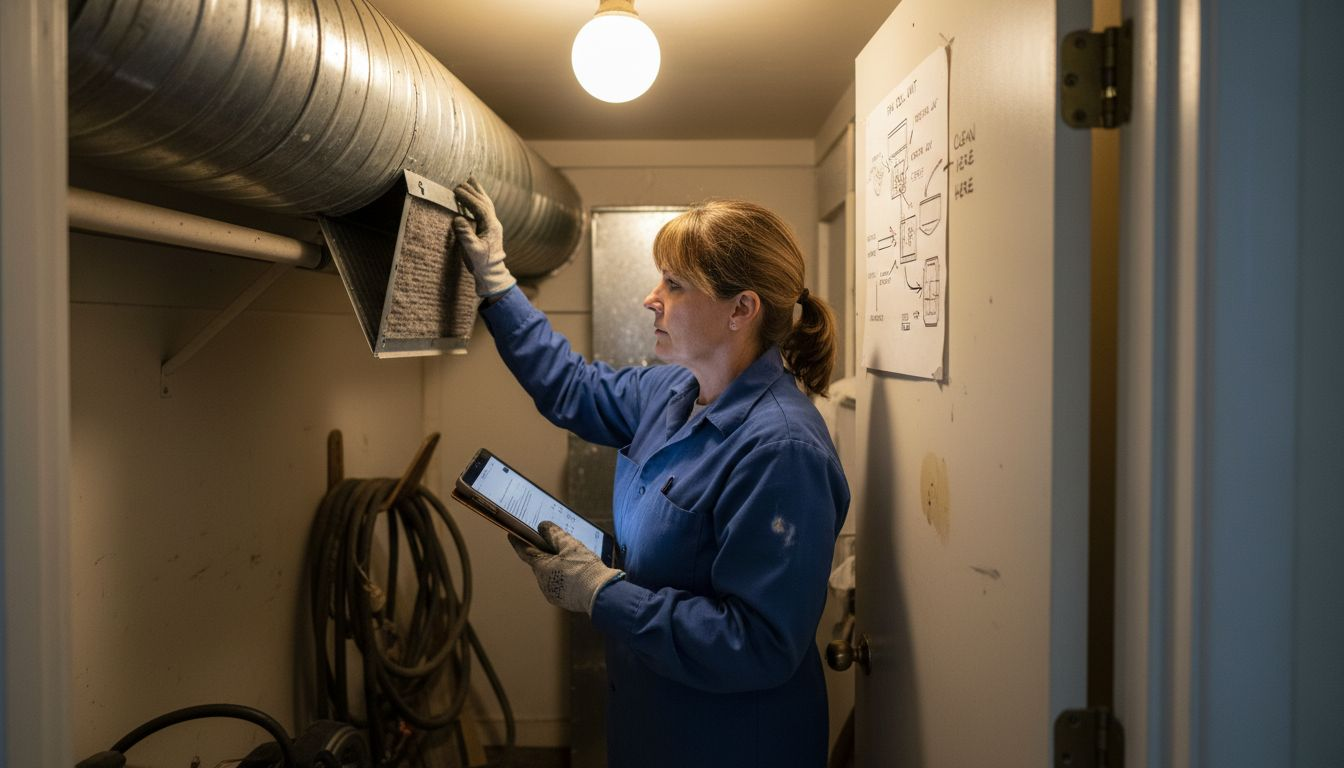
The inspection begins with visual assessment of your system’s overall condition and accessibility. The technician examines your outdoor condenser unit for damage, debris, or obstructions that might restrict airflow. They check your indoor air handler for leaks, corrosion, or signs of age. They inspect visible ductwork for obvious damage, disconnections, or poor insulation. They locate and visually assess your thermostat, checking for proper mounting and obvious damage. This initial walkthrough gives the technician a sense of how well your system has been maintained and identifies any obvious red flags that require deeper investigation.
Next comes the systematic examination of core components. The technician checks your air filter condition, notes the size and type, and flags if it’s clogged or overdue for replacement. They inspect your blower fan for debris, listen for unusual noises, and verify it spins freely. They examine your evaporator and condenser coils for dirt buildup or ice formation, both of which reduce efficiency significantly. The refrigerant lines get checked for leaks using specialized electronic detection equipment. Electrical components and controls receive systematic examination to verify safe operation and proper grounding. They check refrigerant levels against manufacturer specifications, test capacitors, and verify that safety shutoff switches operate correctly.
Ductwork inspection involves checking for leaks, proper insulation, and blockages. The technician might use a smoke pencil to detect air escaping from joints or seams. They verify that ductwork isn’t kinked, collapsed, or disconnected. They check that registers and returns throughout your home aren’t blocked by furniture or closed off. They measure airflow at key points to ensure balanced distribution throughout your home. For homes with multiple zones, they verify that dampers are functioning and balancing air appropriately. Measurement of airflow, pressure, and temperature across the system ensures your system delivers conditioned air where and when you need it.
The final steps involve testing system operation under actual conditions. The technician sets your thermostat to cooling mode and verifies that the system starts, runs smoothly, and maintains proper temperatures. They run heating mode if applicable and check for proper operation. They listen for unusual sounds like grinding, squealing, or rattling that indicate mechanical problems. They feel airflow at your returns and registers to confirm it matches expectations. They check that your system cycles on and off at appropriate intervals, not running constantly or short cycling.
Here’s what a comprehensive inspection typically covers:
- Air filters and filter housing condition
- Blower fan operation and bearing condition
- Evaporator and condenser coils for dirt or frost
- Refrigerant lines for leaks and proper insulation
- Refrigerant charge level accuracy
- Electrical connections and component safety
- Thermostat calibration and response
- Ductwork integrity and insulation
- Airflow balance throughout the home
- Unusual noises, vibration, or odors
- System cycling and run times
- Safety controls and shutoff switches
The inspection process takes time because quality work requires attention to detail. A rushed inspection misses problems that a careful one catches. When choosing a technician for your Eustis home, expect the inspection to take one to two hours depending on your system’s complexity and age.
Pro tip: Before your inspection appointment, locate your system’s model number and age information (typically on the outdoor unit’s nameplate), and write down any recent issues you’ve noticed, so you can discuss them with the technician and help them prioritize their investigation.
Expected costs and typical service timelines
One of the first questions homeowners ask is simple: how much will an HVAC inspection cost, and how long will it take? The answer depends on several factors, but understanding the typical range helps you budget appropriately and know what to expect when you call for service. For Eustis residents, these costs vary based on whether you need a routine check or a comprehensive diagnostic evaluation.
A routine preventive maintenance inspection typically runs between 75 and 150 dollars and takes about one to one and a half hours. This inspection covers the essentials without extensive diagnostic equipment or deep system analysis. You’re paying for the technician’s time to check filters, measure refrigerant, test controls, and identify obvious problems. Many homeowners find this expense worthwhile as a preventive measure, essentially an insurance policy against breakdowns. When you schedule this inspection in spring or fall during slower seasons, you might find promotional pricing or discounts that reduce costs further. Some service providers bundle inspections with maintenance plans that spread costs across the year, making budgeting easier.
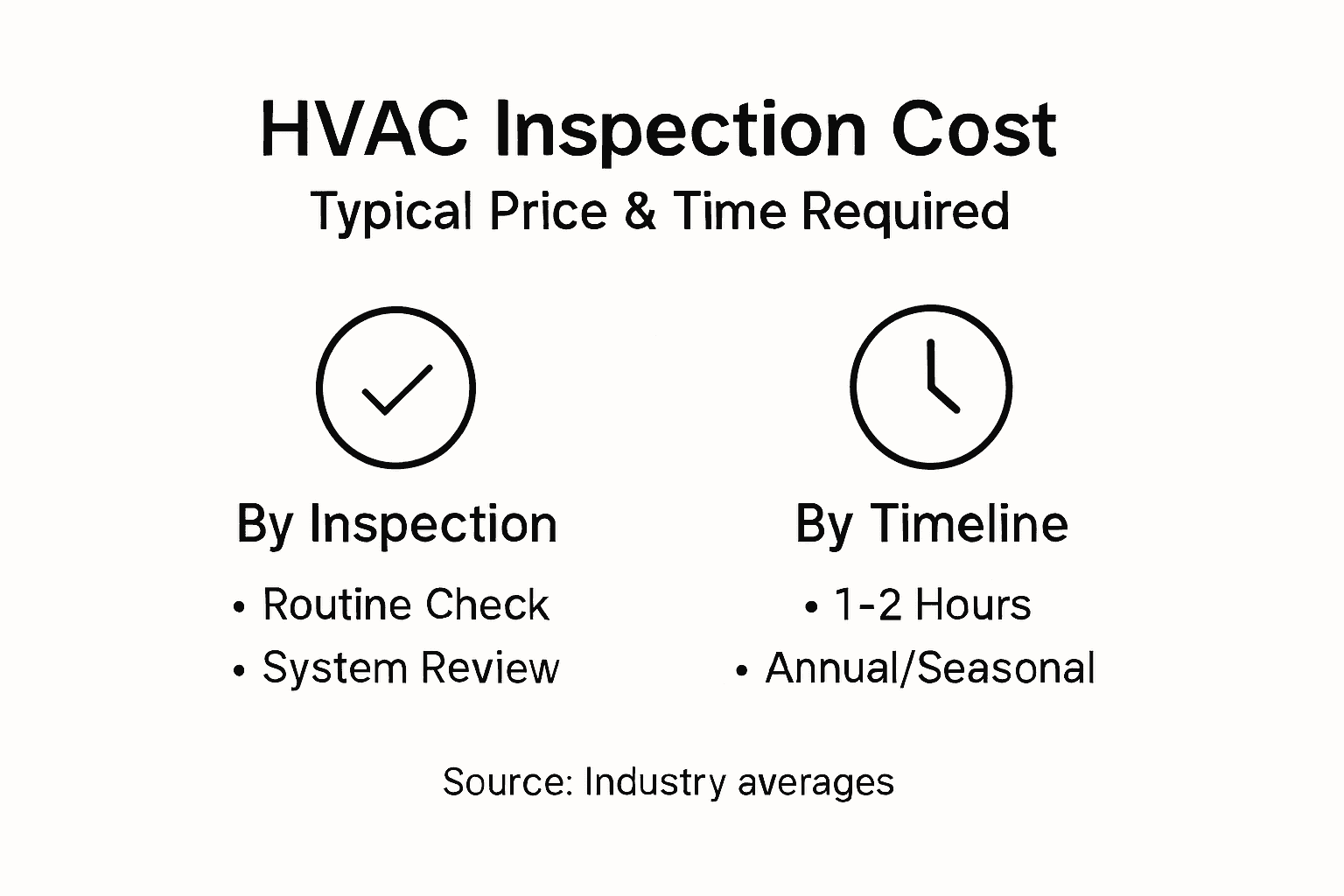
A detailed system inspection costs more because it involves comprehensive diagnostics, specialized testing equipment, and thorough documentation. Expect to pay between 200 and 400 dollars for this level of evaluation, which can take two to three hours depending on your system’s size and complexity. This inspection might include electronic leak detection, ductwork pressure testing, airflow measurement at multiple points, or thermal imaging to spot problem areas. You’re paying for expertise and equipment that identifies issues a routine inspection might miss. If you’re buying a home or dealing with chronic comfort problems, this investment in detailed diagnostics saves money by preventing expensive repairs based on incomplete information.
Commissioning inspections for newly installed systems typically cost between 300 and 600 dollars, though this often gets wrapped into installation costs or warranty packages. The timeline extends to half a day or more because the technician verifies every aspect of installation quality and system performance. They’re ensuring your new equipment actually delivers on its promised efficiency ratings and comfort levels.
Testing, Adjusting and Balancing (TAB) services carry specialized costs reflecting technician certification and compliance with local codes and standards. For residential systems, TAB work ranges from 300 to 800 dollars depending on your home’s size and system complexity. The timeline varies from a few hours for simple balancing adjustments to a full day for comprehensive airflow optimization across multiple zones. Larger homes with multiple zones or complex ductwork take longer than modest single-story homes.
The table below shows typical cost and timeline expectations for common inspection scenarios:
| Inspection Type | Typical Cost | Time Required | When to Schedule |
|---|---|---|---|
| Routine Preventive | 75 to 150 dollars | 1 to 1.5 hours | Spring and fall |
| Detailed Diagnostic | 200 to 400 dollars | 2 to 3 hours | Before purchase or after problems |
| Commissioning | 300 to 600 dollars | 3 to 4 hours | After new installation |
| TAB Service | 300 to 800 dollars | 2 hours to full day | When comfort problems exist |
When budgeting for HVAC care, remember that inspection costs pale in comparison to repair costs. A 150 dollar inspection that catches a refrigerant leak early prevents a 1,500 dollar compressor replacement. A 400 dollar diagnostic that identifies a failing capacitor prevents a 2,000 dollar emergency service call and potential system failure during peak season. Industry data on equipment maintenance costs and service life consistently demonstrates that preventive inspection saves money over the equipment’s lifespan.
Some technicians offer package deals combining routine inspection with filter replacement, coil cleaning, and minor adjustments for a bundled price. Others provide discounts if you’re a new customer or if you schedule during slower business periods. Many companies like Lucas Air Conditioning and Heating offer maintenance plans where inspection costs get applied toward service work if problems are found, essentially guaranteeing no wasted money if repairs become necessary.
The timing of your inspection also affects scheduling flexibility. If you call in May when everyone scrambles to prepare for summer, you might wait weeks for an appointment. Call in March or April, and you’ll get faster scheduling, potentially better pricing, and more thorough attention from technicians who aren’t overwhelmed with emergency calls.
Pro tip: Schedule your inspection and pay the service fee in late March or early April to secure spring availability at standard rates, which typically run 20 to 30 percent lower than emergency service calls during peak cooling season when demand spikes dramatically.
Risks of skipping HVAC inspections
Skipping HVAC inspections might seem like a way to save money today, but it’s actually a gamble that often costs thousands tomorrow. When you defer inspections, you’re essentially flying blind with a system that handles your home’s comfort and air quality. The risks accumulate silently until something breaks, usually at the worst possible moment. For Eustis homeowners who depend on air conditioning for much of the year, skipping inspections creates vulnerabilities that compound over time.
One immediate consequence of skipping inspections is energy waste and inflated utility bills. A system running without proper maintenance becomes progressively less efficient. Dirty filters force your blower to work harder, consuming more electricity for the same cooling output. Refrigerant leaks mean your system cycles longer to reach target temperatures. Ductwork with undetected leaks wastes conditioned air before it reaches your rooms. Research shows that neglecting standards-based inspection and maintenance can increase annual energy consumption by 30 percent or more, translating to hundreds of dollars in wasted energy costs annually. What started as avoiding a 150 dollar inspection cost turns into paying 50 dollars extra every month on your electric bill. Over a year, that’s 600 dollars in additional costs that a simple inspection would have prevented.
Beyond energy waste, skipping inspections allows problems to develop into system failures. A worn bearing in your blower fan becomes complete failure. A slow refrigerant leak becomes a major compressor issue. Minor ductwork disconnections become major airflow problems. Undetected installation defects from your system’s original installation persist and worsen. What might have been a 200 dollar repair during an inspection becomes a 2,000 dollar emergency replacement when the compressor fails on the hottest day of summer. Emergency service calls cost three to four times more than scheduled maintenance visits. You’ll pay rush fees, weekend surcharges, and premium pricing because your system failed at the exact moment when every other homeowner also needs cooling.
There are also comfort and health implications you can’t ignore. Without regular inspection, your system fails to maintain consistent temperatures throughout your home. Some rooms become too hot while others stay uncomfortably cool. Your family experiences temperature swings instead of reliable comfort. More concerning, skipping inspections leads to decreased thermal comfort, energy inefficiency, and indoor air quality degradation. Dirty coils and filters don’t adequately clean circulating air, allowing dust, pollen, and allergens to accumulate in your home. Family members with allergies or respiratory conditions suffer unnecessarily. Mold can develop on coils that aren’t cleaned and inspected, spreading throughout your ductwork and into every room. What should be a healthy indoor environment becomes one that aggravates health issues.
Equipment lifespan also suffers when inspections are skipped. An HVAC system properly maintained and inspected regularly lasts 15 to 20 years. A system starved of inspection and maintenance fails after 10 to 12 years. That’s several years of potential service lost to preventable degradation. You’ll need a complete system replacement years earlier than necessary, an expense ranging from 5,000 to 10,000 dollars. Compare that to the cumulative cost of regular inspections and maintenance spread across those same years, which typically totals a fraction of replacement costs.
Consider the cascading effects of a mid-summer system failure. If your AC fails in July in Central Florida, you’re not just uncomfortable. You might need to stay in a hotel while repairs take days to complete. Your food spoils if refrigeration fails. Your pets suffer in the heat. Elderly or health-compromised family members face genuine danger. A single comprehensive inspection costing 200 to 400 dollars prevents this scenario entirely.
The risks break down into concrete categories:
- Higher utility bills from decreased efficiency
- Expensive emergency repairs and replacements
- Reduced system lifespan and shortened equipment life
- Decreased thermal comfort and temperature inconsistencies
- Degraded indoor air quality affecting family health
- Potential mold growth and allergen accumulation
- Lost warranty coverage due to lack of maintenance documentation
- Undetected safety hazards like refrigerant leaks or electrical issues
Pro tip: Document every inspection and maintenance visit you schedule, keeping records that prove regular maintenance, which not only protects your system’s warranty coverage but also preserves resale value if you ever sell your Eustis home, as buyers value homes with documented HVAC care histories.
Here is a summary of key financial impacts from regular HVAC inspections versus skipping them:
| Scenario | Upfront Cost | Long-Term Impact |
|---|---|---|
| Regular inspections | $75-$400/year | Lower repair bills, longer system life |
| Skipping inspections | $0 upfront | Higher energy bills, costly breakdowns |
Common mistakes homeowners should avoid
When it comes to HVAC inspections and maintenance, good intentions often lead nowhere because homeowners make predictable mistakes that undermine their efforts. These aren’t failures of character but rather misunderstandings about how HVAC systems work and what inspections actually accomplish. Recognizing these mistakes helps you avoid them and make smarter decisions about your Eustis home’s comfort system.
The first and most costly mistake is choosing the cheapest inspection available. When you shop primarily on price, you often get what you pay for: a cursory once-over that misses developing problems. A technician rushing through your system to keep costs low can’t properly diagnose issues that require deeper investigation. They might check basic things but skip the detailed work that catches problems early. You save 50 dollars today and spend 2,000 dollars on emergency repairs next month. The cheapest inspection isn’t a bargain; it’s a false economy. A properly priced inspection by a qualified technician represents genuine value because thorough work prevents expensive failures.
Another common mistake involves neglecting filter changes between inspections. Many homeowners assume their annual inspection covers everything, but filters need changing every one to three months depending on your home’s dust levels and whether you have pets or allergies. A clogged filter forces your blower to work harder, wasting energy and reducing airflow. Over months, a neglected filter significantly reduces your system’s efficiency. Worse, it can allow dust and debris to reach your coils and internal components, causing damage that an inspection might not catch if the filter problem developed between visits. Filters are inexpensive and require five minutes to change, yet skipping this simple task compounds all the other maintenance work.
Many homeowners overlook duct leaks and air handler sealing issues. You might think your ductwork is fine because you can’t see obvious problems, but common mistakes include ignoring duct leaks and not sealing air handler cabinet seams, both of which cause pressure loss and reduce system efficiency. Leaks in your attic or crawlspace ducts waste conditioned air before it reaches your rooms. Air handler cabinet seams that aren’t sealed allow air to bypass your system’s filtration. These problems are invisible during casual observation but obvious during a professional inspection. When your technician identifies ductwork or sealing issues, take them seriously and authorize the repairs rather than deferring them.
A significant mistake is misunderstanding what inspections actually accomplish. Homeowners often overlook the scope and limitations of HVAC inspections, expecting exhaustive assessments, but inspections document your system’s condition at one point in time. They don’t guarantee future performance or predict when components might fail. An inspection showing your system operating normally today doesn’t mean it won’t develop problems months later. Inspections identify current issues and allow preventive action, but they’re not crystal balls. This is why follow-up maintenance based on inspection findings matters so much. If your inspection identifies refrigerant charge issues, dirty coils, or electrical concerns, address them promptly rather than hoping they resolve themselves.
Homeowners also make mistakes by failing to document their maintenance. Keep records of every inspection, filter change, repair, and maintenance visit. Documentation protects your warranty coverage, which often requires proof of regular maintenance. It also preserves your system’s resale value if you sell your home, as buyers value documented maintenance history. Without records, you can’t prove your system received proper care, even if you spent significant money on it.
Another error is attempting DIY repairs on complex HVAC components. Your HVAC system involves refrigerant handling, electrical work, and precision adjustments that require specialized certification. Attempting these yourself risks personal injury, system damage, and voiding your warranty. Leave technical repairs to qualified professionals and focus on basic maintenance like filter changes and keeping your outdoor unit clear of debris.
Common mistakes to avoid:
- Choosing inspections based solely on lowest cost
- Neglecting filter changes between professional service visits
- Ignoring identified duct leaks or air handler sealing issues
- Expecting inspections to predict future system performance
- Failing to maintain documentation of service and repairs
- Attempting complex repairs without proper certification
- Postponing recommended repairs after inspections
- Misunderstanding your system’s warranty requirements
- Ignoring unusual noises, odors, or performance changes
- Assuming your system is fine without professional evaluation
Pro tip: Set calendar reminders for filter changes every 60 to 90 days and annual inspections in spring, treating these as non-negotiable appointments rather than optional tasks, which prevents most common maintenance mistakes before they become expensive problems.
Protect Your Home Comfort with Professional HVAC Inspections in Eustis
Understanding HVAC inspections is the first step toward preventing costly breakdowns and ensuring your home stays comfortable year-round. The article highlights common challenges like unseen refrigerant leaks, ductwork issues, and inefficient airflow that can increase your utility bills and threaten your family’s indoor air quality. If you want to avoid emergency repairs during Central Florida’s hottest months or winter chill, taking action early is essential.
Trust Lucas Air Conditioning and Heating to keep your system running at peak performance. Our comprehensive HVAC inspection services identify hidden problems before they grow, improve energy efficiency, and extend your equipment’s lifespan. Don’t wait for discomfort or expensive breakdowns to strike when preventive maintenance can save you money and stress.
Discover our current Special Offers for January 2026 that make scheduling your inspection even more affordable. Learn about our proven Ventilation services designed to enhance your indoor air quality for a healthier home environment.
Schedule your HVAC inspection now at Lucas Air Conditioning and Heating to gain peace of mind and enjoy the comfort your home deserves. Act today to secure reliable service before the cooling season rush begins.
Frequently Asked Questions
What is an HVAC inspection?
An HVAC inspection is a comprehensive evaluation of your heating, ventilation, and air conditioning system to ensure it operates safely, efficiently, and reliably. It helps identify potential problems before they escalate into costly repairs.
Why is HVAC inspection important?
HVAC inspections are crucial for maintaining thermal comfort, energy efficiency, and good indoor air quality in your home. They help prevent unexpected breakdowns, reduce energy costs, and ensure safe operation, ultimately protecting your investment in the HVAC system.
How often should I schedule an HVAC inspection?
It’s recommended to schedule an HVAC inspection annually or twice a year, ideally before peak heating or cooling seasons, to catch any potential issues early and maintain the efficiency of your system.
What does an HVAC inspection cover?
An HVAC inspection typically covers a thorough examination of core components such as the thermostat, air filters, ductwork, refrigerant levels, electrical connections, and overall system operation to ensure everything is functioning optimally.
Recommended
- 7 Essentials for a Thorough Commercial HVAC Checklist
- Why Upgrade HVAC Systems: Comfort and Cost Benefits
- Why Choose Professional HVAC Repair in Eustis, FL
- Seasonal HVAC Tune-Ups: Protecting Florida Homes
- What To Do If Your Property Suffers Hail Damage | Public Adjusters Atlanta
- HVAC Contractor Eustis FL
- Air Conditioning Installation Eustis FL
