
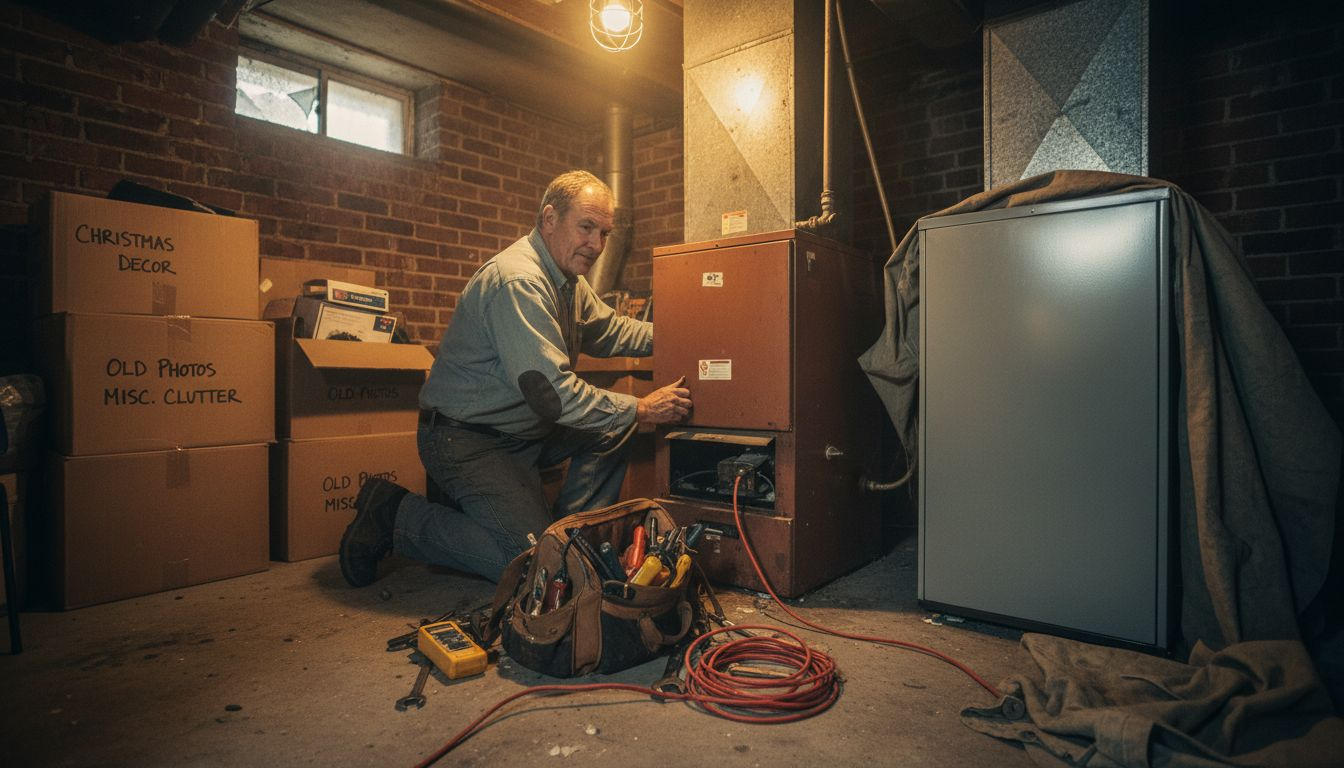
Most American homes lose over 20 percent of their heated or cooled air to leaky ducts and outdated HVAC systems. If you live in Eustis, Florida, you know the struggle of keeping your house comfortable during sudden temperature swings while trying to keep costs down. This guide explains what a true HVAC system upgrade means for American homeowners, highlighting how new technologies can boost efficiency, improve your air quality, and put real savings back in your pocket.
Table of Contents
- What Upgrading HVAC Systems Really Means
- Types of Modern HVAC Upgrades Explained
- How New Systems Improve Comfort and Air Quality
- Financial Impact: Savings, Incentives, and Financing
- Risks of Delaying HVAC System Upgrades
Key Takeaways
| Point | Details |
|---|---|
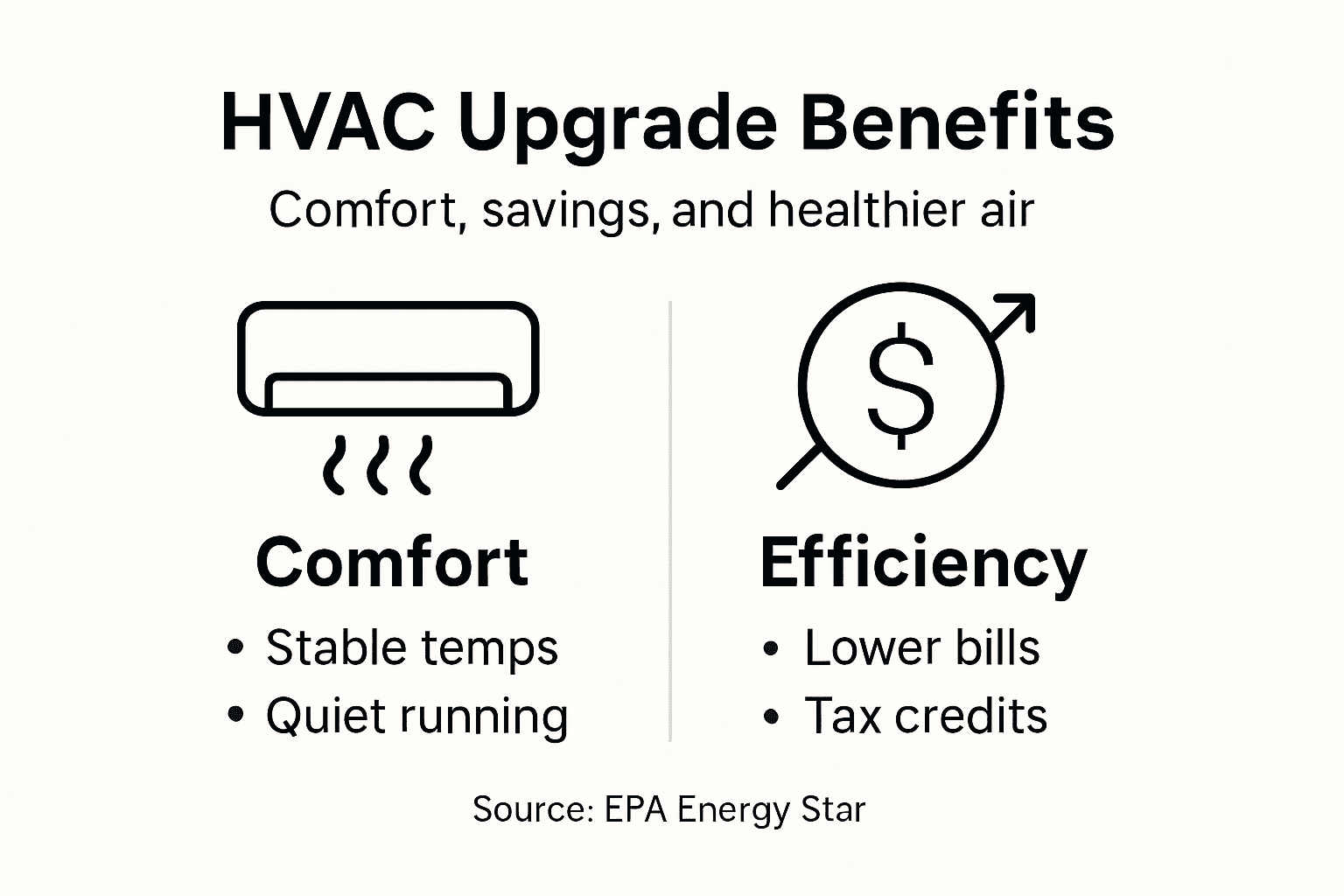
| Comprehensive HVAC Upgrades | Upgrading an HVAC system involves enhancing the entire heating, ventilation, and air conditioning infrastructure for better comfort and energy efficiency. |
| Advanced Technologies | Modern HVAC systems use advanced components such as smart thermostats and heat pumps for improved temperature control and significant energy savings. |
| Financial Incentives | Homeowners can benefit from federal tax credits and utility rebates, reducing the upfront costs of energy-efficient system installations. |
| Health and Environmental Standards | New systems not only improve indoor air quality but also adhere to evolving environmental regulations, promoting sustainability and health. |
What Upgrading HVAC Systems Really Means
Upgrading an HVAC system goes far beyond simply replacing old equipment. At its core, it involves strategically enhancing your home’s heating, ventilation, and air conditioning infrastructure to improve comfort, energy efficiency, and overall performance. Modern upgrades are comprehensive transformations that touch multiple aspects of your home’s climate control ecosystem.
In practical terms, upgrading means installing high-performance HVAC equipment that can dramatically reduce energy consumption while providing superior temperature management. These advanced systems incorporate sophisticated technologies that balance precise temperature control, air quality improvement, and significant energy savings. Homeowners can expect potential energy cost reductions ranging from 10% to 40% with a well-planned upgrade.
The upgrade process also involves critical environmental considerations. Recent regulatory changes mandate transitions to refrigerants with lower global warming potential. This means newer HVAC systems not only deliver better home comfort but also align with evolving environmental standards set by agencies like the Environmental Protection Agency (EPA). The transition represents a broader commitment to sustainable home technologies that reduce carbon footprints while maintaining exceptional performance.
Crucial system components receiving attention during upgrades include advanced thermostats, improved ductwork, enhanced filtration systems, and more efficient compressors. These elements work together to create a holistic approach to home climate management that goes well beyond simple temperature adjustment.
Pro tip: Schedule a professional energy audit before your HVAC upgrade to identify specific efficiency opportunities and potential cost savings in your home’s unique climate control system.
Types of Modern HVAC Upgrades Explained
Modern HVAC upgrades represent a sophisticated approach to home comfort and energy management that goes far beyond traditional heating and cooling solutions. These upgrades encompass a wide range of technologies and strategies designed to maximize efficiency, improve indoor air quality, and reduce overall energy consumption for homeowners in Florida and beyond.
One critical aspect of contemporary HVAC upgrades involves advanced system component technologies that include innovative heat pumps, variable refrigerant flow systems, and integrated smart controls. These technologies allow for precise temperature management, enabling homeowners to customize their indoor climate while dramatically reducing energy waste. For instance, modern heat pump systems can provide both heating and cooling functions with significantly higher efficiency compared to traditional HVAC equipment.
Heating and cooling approaches have also evolved dramatically. Homeowners now have access to diverse upgrade options such as geothermal exchanges, radiant heating systems, and active mechanical ventilation technologies. These systems not only provide superior temperature control but also incorporate advanced filtration and air quality management features. Passive and active ventilation techniques can now be seamlessly integrated to ensure optimal air circulation, humidity control, and pollutant removal.
Smart home integration represents another frontier in HVAC upgrades. Modern systems now feature intelligent thermostats, zone-based temperature control, and remote monitoring capabilities that allow precise energy management. These technologies enable homeowners to create customized comfort zones, schedule temperature adjustments, and track energy consumption in real-time, leading to substantial long-term cost savings and improved environmental sustainability.
Here’s how key modern HVAC upgrades compare in terms of technology and advantages:
| Upgrade Type | Main Technology | Comfort Impact | Efficiency Benefit |
|---|---|---|---|
| Variable Refrigerant Flow | Adaptive compressors | Precise zone temperature | Cuts energy waste |
| Smart Thermostats | Learning algorithms | Adaptive, real-time control | Optimizes energy use |
| Geothermal System | Underground exchange | Consistent climate comfort | High savings long-term |
| Radiant Heating | In-floor piping | Even warmth, silent operation | Reduces heat loss |
| HEPA/UV Filtration | Multi-stage filters | Cleaner air, lower allergens | Improves air health |
Pro tip: Consult with a professional HVAC technician to perform a comprehensive home energy assessment before selecting your upgrade path, ensuring you choose the most appropriate technologies for your specific home environment and climate needs.
How New Systems Improve Comfort and Air Quality
Modern HVAC systems represent a revolutionary approach to indoor environmental control, delivering far more than simple temperature regulation. These advanced technologies are designed to create holistic living spaces that prioritize both human comfort and health through sophisticated air management strategies that go well beyond traditional heating and cooling methods.
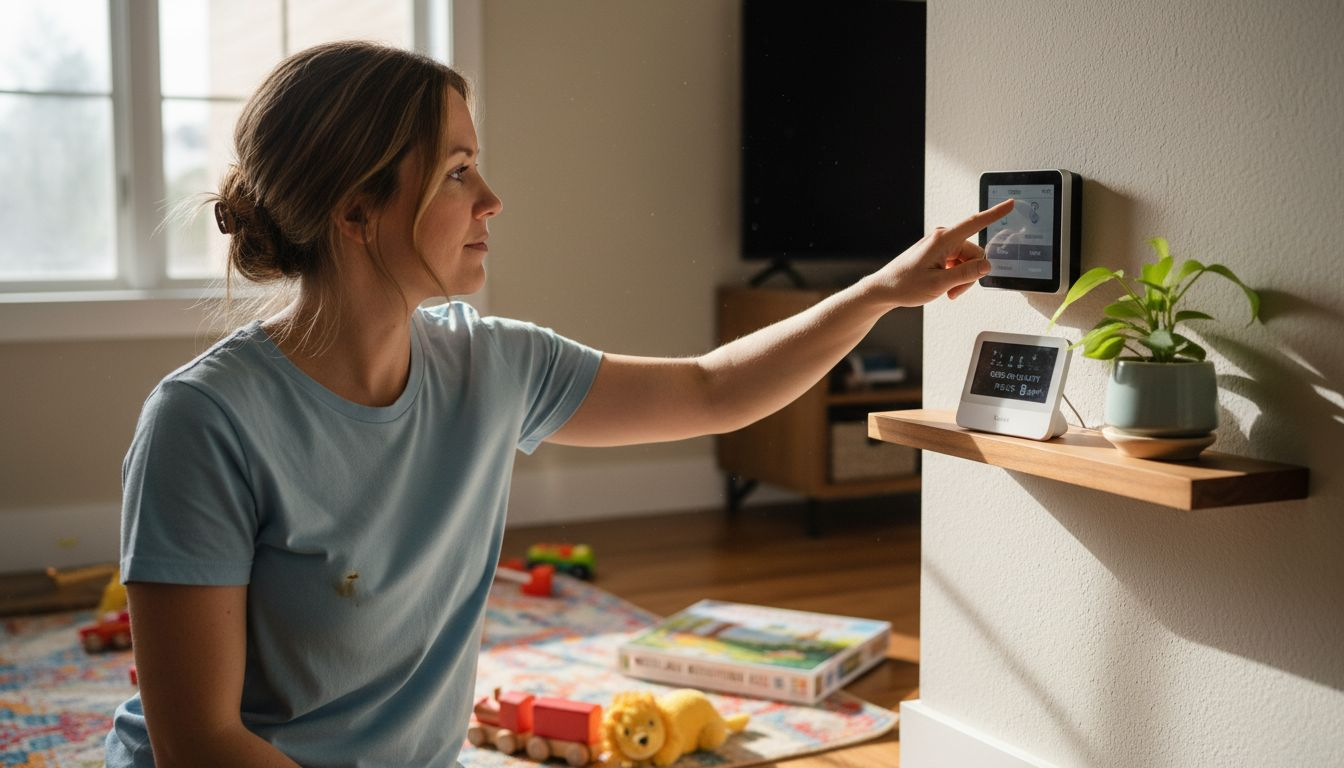
New HVAC technologies now offer comprehensive indoor air quality solutions that address multiple aspects of environmental control. Advanced filtration systems can capture microscopic particles, allergens, and potential contaminants with unprecedented efficiency. These systems incorporate multi-stage air purification techniques, including HEPA filters, UV light sanitization, and humidity control mechanisms that work together to create cleaner, healthier indoor environments. Homeowners can now effectively remove dust, pollen, mold spores, and even volatile organic compounds from their living spaces.
Heat pump technologies have emerged as a game-changing approach to comfort and efficiency. These systems provide both heating and cooling functions while dramatically improving energy management and environmental sustainability. Unlike traditional HVAC equipment, modern heat pumps can maintain consistent temperatures with minimal energy consumption, adapting quickly to changing indoor and outdoor conditions. They offer precise zone-based temperature control, allowing different areas of a home to be maintained at individualized comfort levels, which is particularly beneficial for households with varying temperature preferences.
Smart home integration has transformed HVAC systems into intelligent environmental management platforms. Sensors and advanced algorithms now continuously monitor indoor conditions, automatically adjusting temperature, humidity, and air circulation to maintain optimal comfort. These systems can learn household patterns, predict comfort needs, and even provide real-time air quality reports, giving homeowners unprecedented insight and control over their indoor environment.
Pro tip: Request a professional indoor air quality assessment alongside your HVAC upgrade to understand your specific environmental control needs and optimize your system’s performance.
Financial Impact: Savings, Incentives, and Financing
HVAC system upgrades represent a significant financial investment that extends far beyond the initial purchase price, offering homeowners multiple avenues for long-term economic benefits and substantial cost savings. Understanding the comprehensive financial landscape of modern HVAC technologies is crucial for making informed decisions that align with both comfort and budget considerations.
Homeowners can now leverage extensive federal tax credit opportunities that dramatically reduce the upfront costs of energy-efficient system installations. These incentives currently cover up to 30% of upgrade expenses, providing meaningful financial relief for homeowners investing in advanced heating and cooling technologies. Tax credits apply to a wide range of energy-efficient equipment, including heat pumps, advanced filtration systems, and smart home integration components, effectively lowering the economic barrier to technological upgrades.
Beyond immediate tax incentives, modern HVAC systems deliver substantial ongoing energy cost reductions. High-efficiency heat pumps and smart temperature control technologies can reduce monthly utility expenses by 20-40%, representing significant long-term savings. Advanced systems with zone-based controls and intelligent sensors optimize energy consumption, allowing homeowners to minimize waste and maximize comfort simultaneously. Additionally, many utility companies offer rebate programs and additional incentives for installing energy-efficient equipment, further enhancing the financial attractiveness of system upgrades.
Financing options have also evolved to make HVAC upgrades more accessible. Specialized home improvement loans, manufacturer rebates, and flexible payment plans enable homeowners to spread installation costs over time. Some financial institutions now offer zero-interest financing for energy-efficient home improvements, making technological upgrades more achievable for households with varying budget constraints. These flexible financing strategies transform what was once a significant financial burden into a manageable investment in home comfort and efficiency.
Pro tip: Compile a comprehensive list of available federal, state, and local incentives before your HVAC upgrade to maximize your potential financial benefits and reduce overall system investment costs.
Here is a summary of financial incentives and potential savings from HVAC system upgrades:
| Incentive Type | Eligibility Criteria | Typical Savings/Benefit | Application Process |
|---|---|---|---|
| Federal Tax Credit | ENERGY STAR equipment | Up to 30% installation cost | IRS tax forms submission |
| Utility Rebates | Qualified local upgrades | $100-$800 equipment rebate | Direct with utility |
| Manufacturer Rebates | New smart HVAC products | $50-$500 off purchase | At point of sale |
| Low-Interest Loans | Energy-efficient projects | Spread cost over 5-10 years | Bank or lender approval |
Risks of Delaying HVAC System Upgrades
Procrastinating on HVAC system upgrades is a decision that can have far-reaching consequences for homeowners, extending well beyond simple comfort considerations. Each year of delay represents a compounding financial and operational risk that can significantly impact both household budget and overall home environment quality.
Homeowners face substantial financial risks when postponing HVAC system replacements, with aging systems consuming dramatically more energy and requiring increasingly expensive maintenance. Older HVAC units operate at reduced efficiency, often consuming 30-50% more electricity compared to modern systems. This inefficiency translates directly into higher monthly utility bills, creating a hidden financial drain that can easily exceed the cost of a new system over several years. Moreover, these older systems become progressively unreliable, with repair costs escalating exponentially as critical components begin to fail.
Environmental and regulatory compliance represent another critical concern for homeowners delaying upgrades. Recent EPA regulations mandate transitions to more environmentally friendly refrigerants, meaning older systems not only consume more energy but may also become non-compliant with emerging environmental standards. Newer HVAC technologies incorporate advanced design principles that significantly reduce greenhouse gas emissions, improve indoor air quality, and align with increasingly stringent ecological requirements. Delaying upgrades means missing opportunities to reduce your home’s carbon footprint and potentially facing future retrofit or replacement mandates.
Safety risks constitute another compelling reason to consider timely HVAC system upgrades. Aging systems develop potential hazards like electrical inefficiencies, refrigerant leaks, and compromised structural integrity that can pose direct risks to household occupants. Electrical components degrade over time, increasing the potential for short circuits or system failures. Additionally, older units may develop issues with heat exchangers or combustion processes that could lead to dangerous carbon monoxide leaks or reduced indoor air quality, presenting serious health risks to residents.
Pro tip: Schedule a professional HVAC system assessment every two years to proactively identify potential performance degradation and determine the optimal timing for system upgrades.
Upgrade Your Home Comfort with Expert HVAC Solutions
The article highlights the challenges of aging HVAC systems that waste energy and compromise indoor comfort and air quality. You may be feeling frustrated by rising energy bills or uneven temperatures in your home. Upgrading your system with the latest energy-efficient technology and smart controls can transform your living space into a healthier and more cost-effective environment. Consider how advanced features such as zone temperature management and improved filtration can directly address your comfort goals while reducing your carbon footprint.
Make the smart choice today by partnering with Lucas Air Conditioning and Heating, a trusted local provider serving Central Florida since 2018 with veteran-owned commitment and personalized service. Visit Lucas Air Conditioning and Heating to schedule an energy audit or consult about upgrades tailored to your home. Explore our Air Conditioning Archives – Lucas Air Conditioning and Heating for tips and testimonials. Don’t wait until inefficiency costs more. Secure your enhanced home comfort and savings now.
Frequently Asked Questions
What are the main benefits of upgrading an HVAC system?
Upgrading an HVAC system improves comfort, enhances energy efficiency, and can lead to significant cost savings on energy bills. Modern systems utilize advanced technologies to provide better temperature control and air quality.
How much can I save on energy costs by upgrading my HVAC system?
Homeowners can expect potential energy cost reductions ranging from 10% to 40% with a well-planned HVAC upgrade, thanks to high-performance equipment that reduces energy consumption.
What components should I consider upgrading in my HVAC system?
Key components to upgrade include advanced thermostats, improved ductwork, enhanced filtration systems, and more efficient compressors. These elements work together to optimize your home’s climate control.
What is the importance of smart home integration in HVAC upgrades?
Smart home integration allows for intelligent control over HVAC systems, enabling homeowners to customize comfort zones, schedule temperature adjustments, and monitor energy consumption in real-time, leading to improved efficiency and comfort.
Recommended
- Why Upgrade Your HVAC System for Florida Homes
- Landing Page for HVAC Financing – Lucas Air Conditioning and Heating
- What Is Commercial HVAC and Its Impact on Business
- Landing Page for Coupons – Lucas Air Conditioning and Heating
- 7 Key Advantages of Deep Cleaning for Los Angeles Families
- HVAC Contractor Eustis FL
- Air Conditioning Installation Eustis FL
