
TL;DR:
- Proper insulation with UV protection and correct installation reduces energy loss and prevents moisture damage in Central Florida’s humid climate. NBR foam is the preferred material for refrigerant lines, with at least 1/2 inch wall thickness on outdoor suction lines, sealed with UV-rated tape. Regular inspection and maintenance ensure system efficiency, longevity, and cost savings by preventing insulation failure and moisture issues.
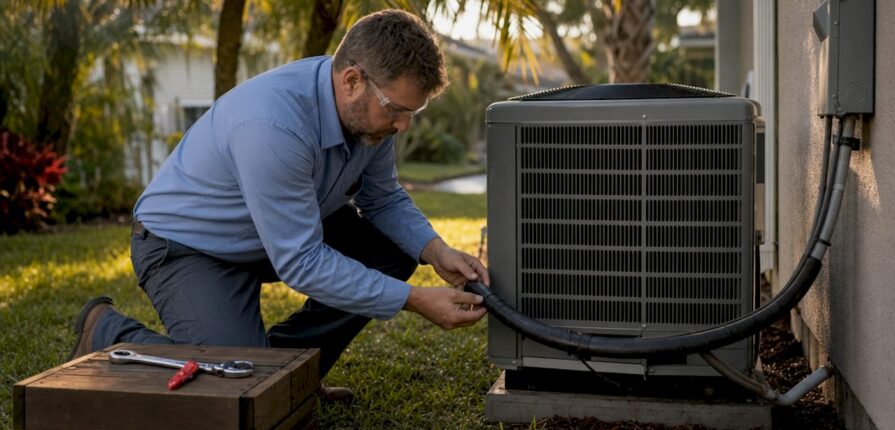
Air conditioning insulation is the process of applying specialized materials around refrigerant lines to reduce energy loss, prevent condensation, and protect your HVAC system from moisture damage. In Central Florida’s brutal heat and humidity, uninsulated or failing pipe insulation forces your compressor to work harder, drives up electric bills, and invites mold into your walls. This guide covers the best AC insulation materials, proper installation technique, and what every homeowner or property manager in Lake, Orange, and Sumter counties needs to know to keep their system running efficiently year-round.
What is air conditioning insulation and why does it matter?
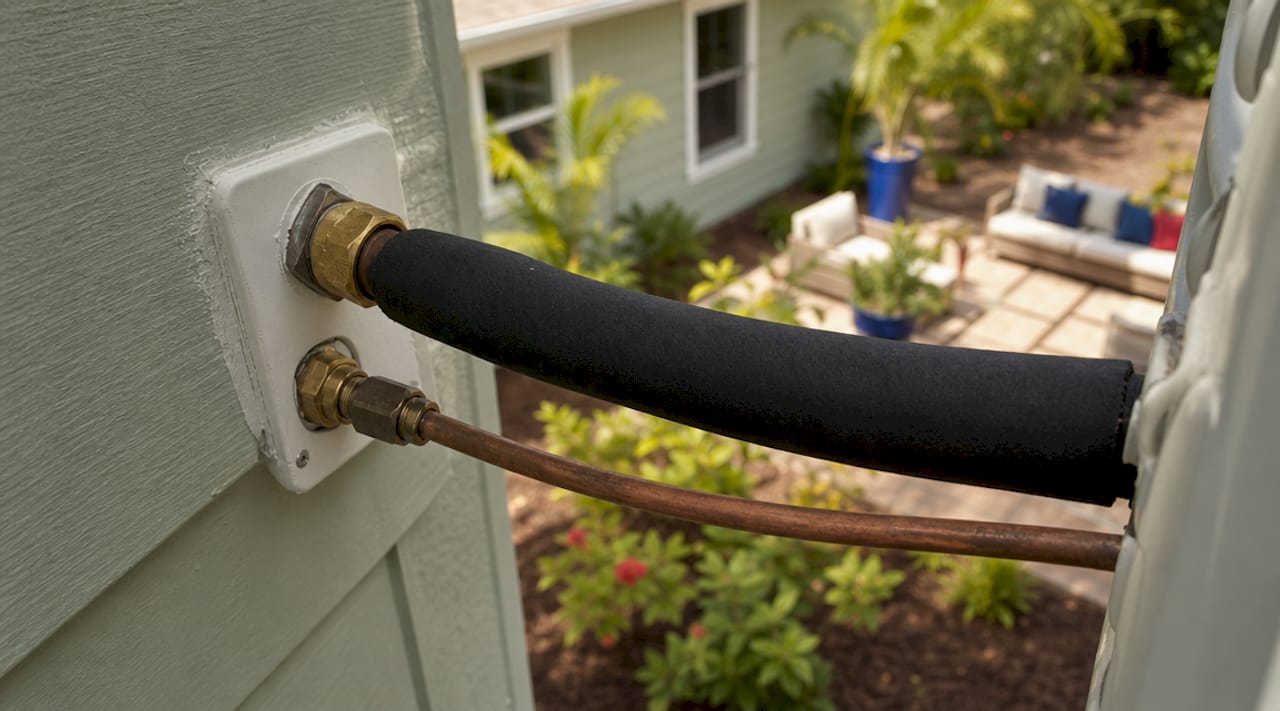
Air conditioning insulation, known in the HVAC industry as refrigerant line insulation or suction line lagging, refers to the foam or rubber sleeve material wrapped around the copper pipes that carry refrigerant between your indoor air handler and outdoor condenser unit. Proper insulation of refrigerant and suction lines prevents thermal energy loss and condensation, improving energy efficiency and protecting property from moisture damage. That means every degree of heat that bleeds into an uninsulated suction line is energy your compressor has to compensate for, which shows up directly on your FPL bill.
There are two copper lines running between your indoor and outdoor units. The larger one, called the suction line, carries cold refrigerant vapor back to the compressor and must always be insulated. The smaller liquid line carries high-pressure liquid refrigerant and typically does not require insulation unless your equipment manual specifies otherwise. Getting this distinction right from the start prevents both wasted material and efficiency losses.
Well-insulated tubes reduce compressor start-stop cycles, improving longevity and reducing energy use. For a home in Eustis or Clermont running the AC eight to ten months a year, that reduction in compressor cycling translates to measurable savings and a longer system lifespan.
What insulation materials work best for AC lines?
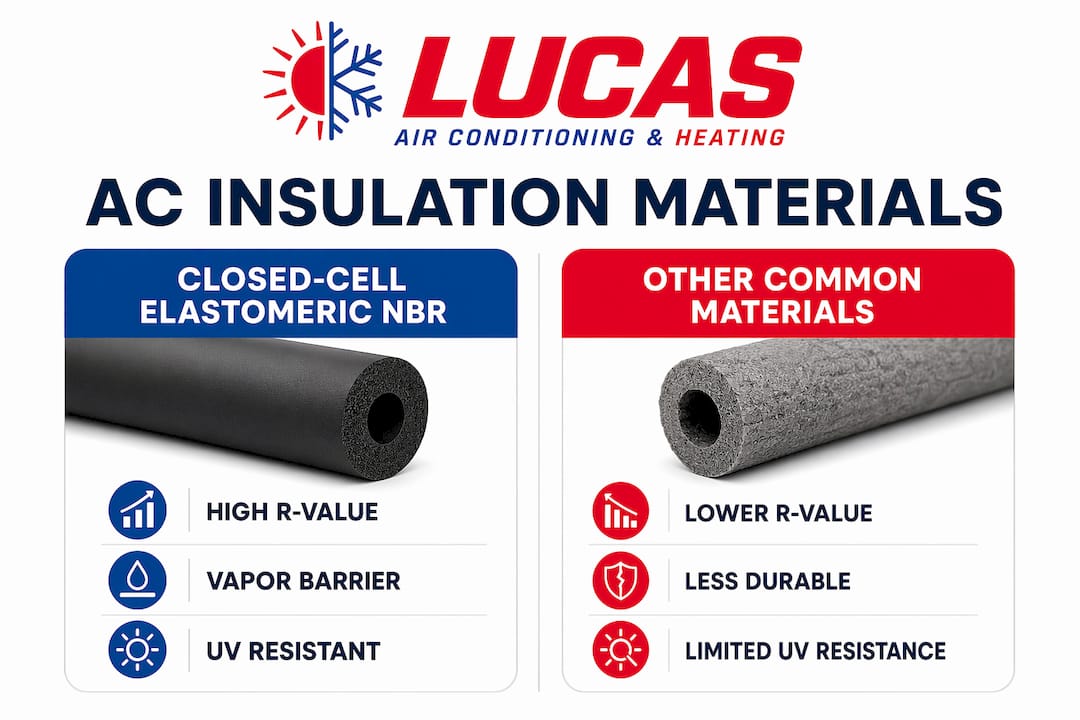
Closed-cell elastomeric nitrile rubber (NBR) foam is the industry-preferred insulation material due to its built-in vapor barrier and moisture resistance. It operates reliably from -50°C to +115°C, which covers every temperature extreme Central Florida will ever throw at it. NBR foam does not absorb moisture, which is the single most important property in a climate where relative humidity regularly exceeds 80%.
The table below compares the three most common AC insulation materials so you can see exactly where each one fits.
| Material | R-value per inch | Vapor barrier | UV resistance | Best use |
|---|---|---|---|---|
| NBR elastomeric foam | ~3.5 to 4.0 | Built-in (closed-cell) | Poor without coating | Suction lines, indoor and outdoor runs |
| Polyethylene foam | ~2.5 to 3.5 | Moderate (semi-closed) | Poor | Indoor lines, budget applications |
| Foil-faced foam wrap | ~3.0 to 4.5 | Good with sealed seams | Moderate | Attic runs, short outdoor sections |
NBR foam from manufacturers like Armacell (ArmaFlex) and Nomaco (K-Flex) is the material professional HVAC technicians specify on new installations across Central Florida. Polyethylene foam costs less but absorbs more moisture over time, making it a poor long-term choice outdoors. Foil-faced wrap performs well in attics where radiant heat is the primary concern, but it requires careful seam sealing to maintain its vapor barrier.
Pro Tip: Match insulation wall thickness to your pipe diameter and local conditions. Experts recommend 3/8″ to 1/2″ wall thickness for suction lines as a baseline, but in high-humidity climates like Central Florida, 1/2″ or thicker is the smarter choice for outdoor runs.
How to properly insulate air conditioner refrigerant lines
Correct installation matters more than material thickness alone. Gaps and seams compromise performance dramatically, which means a perfectly specified material installed sloppily will still fail. Follow these steps to get it right.
- Shut down the AC unit at the thermostat and the breaker before touching any refrigerant lines.
- Clean the copper pipes with a dry cloth to remove dust, oil, and oxidation. Contaminants prevent adhesive from bonding and can trap moisture under the insulation.
- Measure the pipe outside diameter. Suction lines on residential systems are typically 5/8″, 3/4″, or 7/8″ OD. Select insulation with the matching inside diameter for a snug fit.
- Slide the insulation over the pipe using a continuous coil rather than short sections wherever possible. Professional installations favor continuous coils to avoid joints that cause inefficiency.
- Orient the factory slit downward so any condensation that forms inside the foam drains away rather than pooling at the seam.
- Seal every seam and joint with UV-resistant HVAC-grade tape. Do not use standard duct tape. Standard duct tape adhesives degrade quickly in heat and humidity, causing insulation to loosen within one to two seasons.
- Avoid compressing the foam when taping or securing with pipe clamps. Compression reduces the effective R-value by collapsing the closed-cell structure.
- Check for bare spots at fittings, elbows, and where lines enter the wall. These are the points most likely to sweat and cause water damage.
One nuance worth understanding: liquid line insulation can reduce system efficiency unless specified by the manufacturer. Insulating the liquid line traps heat in the refrigerant that needs to dissipate, so check your equipment manual before wrapping both lines.
Pro Tip: Professional installers use UV-rated insulation tapes exclusively to seal refrigerant line insulation. Products like 3M Venture Tape 1580CW or Armacell self-sealing tape hold up in Florida sun where generic alternatives fail within a single summer.
Why Central Florida’s climate demands more from your insulation
Central Florida’s combination of high humidity, intense UV radiation, and year-round AC use creates conditions that destroy standard insulation faster than almost anywhere else in the country. High humidity creates a constant condensation risk on cold suction lines, and without a proper vapor barrier, moisture migrates into the foam and eventually reaches the copper pipe. Wet copper corrodes, and wet insulation loses most of its thermal resistance.
UV exposure is the second threat. Insulation without UV protection cracks and crumbles in a few years under intense sun. Any section of refrigerant pipe insulation running outdoors along an exterior wall or on a rooftop needs either a UV-resistant foam product or a protective PVC sleeve over the top. Many homeowners in The Villages and Clermont discover their outdoor insulation has turned brittle and hollow after just three to four years without this protection.
Here are the key regional best practices for Central Florida properties:
- Use NBR foam with a minimum 1/2″ wall thickness on all outdoor suction line runs.
- Cover outdoor insulation with a UV-resistant PVC conduit or purpose-made insulation jacket.
- Consult local building codes and manufacturer specifications to confirm required R-values and insulation thickness. Ignoring these can void your equipment warranty.
- Apply a UV-protective coating or aluminum foil tape over NBR foam on south-facing and west-facing wall runs where sun exposure is highest.
- Check commercial HVAC standards for Central Florida properties if you manage multi-unit buildings, since code requirements differ from residential installations.
Moisture is the enemy of every HVAC system in Florida. The right insulation material, installed correctly and protected from UV, is the single most cost-effective way to keep moisture out of your refrigerant lines and your walls.
Regular HVAC maintenance that includes insulation inspection helps extend system life and avoid costly repairs in humid environments where moisture damage compounds quickly. Scheduling an annual check before the peak summer season is the most practical approach for Central Florida homeowners.
How to inspect and replace failing AC pipe insulation
Insulation failure is easy to spot once you know what to look for. Insulation failure often shows as cracking, moisture stains, or visible bare copper, which signals the need for timely replacement to maintain system efficiency and prevent damage. Catching these signs early prevents the more expensive consequences: mold growth, water-damaged drywall, and compressor failure from thermal stress.
Watch for these specific warning signs during your own walkthrough:
- Foam that crumbles or flakes when you press it lightly.
- Visible bare copper sections where insulation has shrunk back or fallen off.
- Water stains on walls or ceilings near refrigerant line entry points.
- A noticeable increase in energy bills without a change in usage habits.
- Ice forming on the suction line, which often indicates both insulation failure and a refrigerant issue.
For small sections of damaged insulation on accessible indoor lines, a confident DIYer can handle the replacement using the installation steps above. For outdoor runs, rooftop installations, or any situation where disconnecting refrigerant lines may be necessary to slide new insulation over the pipe without seams, a licensed HVAC technician is the right call. Disconnecting refrigerant lines requires EPA Section 608 certification and specialized recovery equipment.
Pro Tip: When replacing insulation, do not layer new foam over old. Remove the degraded material completely, clean the copper, and start fresh. Old foam traps moisture against the pipe and defeats the purpose of the new insulation.
Key takeaways
Proper air conditioning insulation requires the right material, correct installation technique, and UV protection to deliver lasting energy savings and moisture control in Central Florida’s climate.
| Point | Details |
|---|---|
| NBR foam is the professional standard | Closed-cell nitrile rubber provides a built-in vapor barrier that polyethylene foam cannot match in humid climates. |
| Suction line only, unless specified | Insulating the liquid line can trap heat and reduce efficiency; always check your equipment manual first. |
| Sealing seams is non-negotiable | UV-rated HVAC tape, not standard duct tape, is required to maintain moisture resistance at every joint. |
| UV protection extends outdoor insulation life | PVC sleeves or UV-resistant coatings prevent foam from cracking within a few years on Florida exterior walls. |
| Annual inspection prevents costly repairs | Cracking, bare copper, or moisture stains are early signs that replacement is overdue and damage is starting. |
What I’ve learned from inspecting insulation across Central Florida
The most common mistake I see on service calls is homeowners or general contractors wrapping both refrigerant lines in identical foam without checking the equipment manual. The liquid line on most residential systems does not need insulation, and adding it can actually raise refrigerant temperature before it reaches the expansion valve, reducing system efficiency. It is a well-intentioned error that costs money.
The second pattern I see constantly is outdoor insulation that was installed correctly but never protected from the sun. Central Florida’s UV index is among the highest in the continental United States. Standard NBR foam without a PVC jacket or UV coating will look fine for the first year and then deteriorate fast. By year three, it is often hollow and crumbling while the homeowner assumes everything is fine because the AC still runs.
One thing I tell every property manager I work with: insulation specs are not suggestions. Standard 3/8″ or 1/2″ insulation thickness is often inadequate in high-humidity climates, and using undersized material can void your equipment warranty. Manufacturers write those specs based on real failure data, and in Florida, the margin for error is smaller than in drier states.
The practical takeaway is simple. Quality materials, correct installation, UV protection, and an annual inspection are not expensive. Replacing a compressor, remediating mold, or repairing water-damaged drywall absolutely is. Invest in the insulation once and maintain it, and your system will reward you with lower bills and fewer emergency calls.
— Lucasair
Get professional insulation service in Central Florida

Lucasair serves homeowners and property managers across Lake, Orange, and Sumter counties with residential and commercial HVAC installation, maintenance, and insulation upgrades. Whether you need a full refrigerant line insulation replacement, a UV-protection upgrade on outdoor runs, or a complete HVAC system installation with properly specified insulation from day one, the Lucasair team brings the expertise to do it right the first time. If you are in The Villages, Eustis, Clermont, or the surrounding area, you can schedule a service visit with a trusted HVAC contractor in The Villages who understands exactly what Central Florida’s climate demands from your system.
FAQ
What is the best insulation material for AC refrigerant lines?
Closed-cell elastomeric nitrile rubber (NBR) foam, such as ArmaFlex or K-Flex, is the industry standard for refrigerant line insulation. Its built-in vapor barrier and moisture resistance make it the most reliable choice in high-humidity climates like Central Florida.
Do both AC lines need to be insulated?
Only the suction line (the larger, cold line) requires insulation in most residential systems. Insulating the liquid line can reduce efficiency by trapping heat unless your equipment manufacturer specifically calls for it.
How thick should AC pipe insulation be in Florida?
A minimum of 1/2″ wall thickness is recommended for suction lines in Central Florida, though consulting your equipment manual for the manufacturer-specified R-value is the most reliable approach. Standard 3/8″ thickness is often insufficient in high-humidity conditions.
How do I protect outdoor AC insulation from sun damage?
Cover outdoor refrigerant line insulation with a UV-resistant PVC conduit sleeve or apply a UV-protective coating over the foam. Without this protection, standard NBR foam will crack and crumble within a few years under Florida’s intense sun exposure.
How often should AC line insulation be inspected?
Inspect refrigerant line insulation at least once a year, ideally before the peak summer cooling season. Look for cracking, bare copper sections, moisture stains, or foam that crumbles under light pressure, and replace damaged sections promptly to prevent mold and water damage.
Recommended
- First Air Conditioning: A Central Florida Homeowner’s Guide – Lucas Air Conditioning and Heating
- How to Schedule HVAC Service: A Central Florida Guide – Lucas Air Conditioning and Heating
- Energy-saving HVAC tips for Central Florida homeowners – Lucas Air Conditioning and Heating
- Upgrading HVAC systems in Central Florida: Your 2026 guide – Lucas Air Conditioning and Heating
