
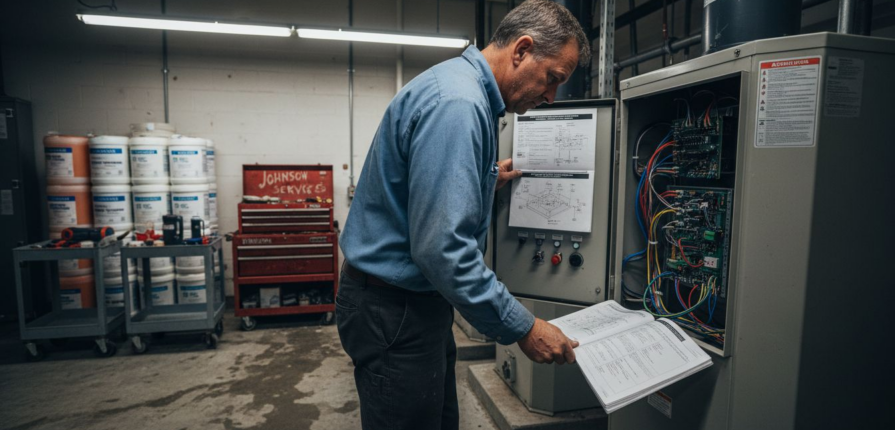
Neglecting regular maintenance of commercial pool heaters increases breakdown frequency by 60% and overall energy costs by 25%. Commercial pool heater repair differs significantly from residential work, requiring specialized diagnostics, compliance knowledge, and technical expertise. This guide helps Central Florida property managers and business owners understand common failures, repair processes, maintenance strategies, and how to choose qualified professionals for optimal outcomes and cost savings.
Table of Contents
- Introduction To Commercial Pool Heaters
- Common Causes And Symptoms Of Commercial Pool Heater Failure
- Step-By-Step Repair And Diagnostic Processes
- Maintenance And Service Recommendations
- Common Misconceptions And Pitfalls
- Cost Factors And Typical Repair Pricing In Central Florida
- Choosing Qualified Repair Professionals In Central Florida
- Conclusion And Action Steps
- Lucas Air Conditioning: Your Central Florida Commercial Pool Heater Repair Partner
- Frequently Asked Questions About Commercial Pool Heater Repair
Key Takeaways
| Point | Details |
|---|---|
| Maintenance impact | Regular upkeep cuts repair frequency by 60% and energy usage by 25%. |
| Common failures | Corrosion, control faults, and gas pressure issues dominate breakdown causes. |
| Specialized requirements | Commercial repairs demand advanced diagnostics and regulatory compliance beyond residential systems. |
| Cost variability | Repair expenses range from $300 to $1500+ based on parts, labor, and local conditions. |
| Professional selection | Experienced local technicians improve repair success and long-term reliability. |
Introduction to Commercial Pool Heaters
Commercial pool heaters serve hospitality venues, recreation centers, and fitness facilities where continuous heavy use demands durability and reliability. These systems feature advanced control mechanisms for precise temperature regulation, safety compliance, and integration with larger facility management systems. Unlike residential units, commercial units are larger and have more complex control systems designed for higher usage volumes and sustained performance.
Commercial heaters operate under stricter safety and environmental regulations than residential models. They must maintain consistent heating across larger water volumes while managing higher BTU outputs and more sophisticated ignition and combustion systems. This complexity requires technicians with specialized training in commercial HVAC systems rather than general residential experience.
The differences extend to repair strategies and parts availability. Commercial systems often use industrial-grade components with longer lead times and higher costs. Understanding these distinctions helps property managers set realistic expectations for commercial pool heater repair timelines and budgets.
Key commercial pool heater characteristics include:
- High BTU output capacity for large water volumes
- Advanced digital control systems with remote monitoring capabilities
- Industrial-grade heat exchangers and burner assemblies
- Compliance with commercial building codes and safety standards
- Integration with facility energy management systems
Recognizing these unique features prepares you to communicate effectively with repair professionals and make informed maintenance decisions.
Common Causes and Symptoms of Commercial Pool Heater Failure
Corrosion and scale buildup especially in hard water areas like Central Florida cause efficiency losses and breakdowns in commercial pool heaters. Heat exchangers suffer the most damage from mineral deposits, which can reduce efficiency by up to 20% before complete failure occurs. Gas pressure irregularities and control system faults frequently trigger operational problems that strand facilities without heating capability.
Central Florida’s combination of hard water and high humidity accelerates corrosion in metal components. Calcium and magnesium in local water supplies bond to heat exchanger surfaces, creating insulating layers that block heat transfer. This forces heaters to work harder and longer to achieve target temperatures, driving up energy consumption and wear on mechanical parts.
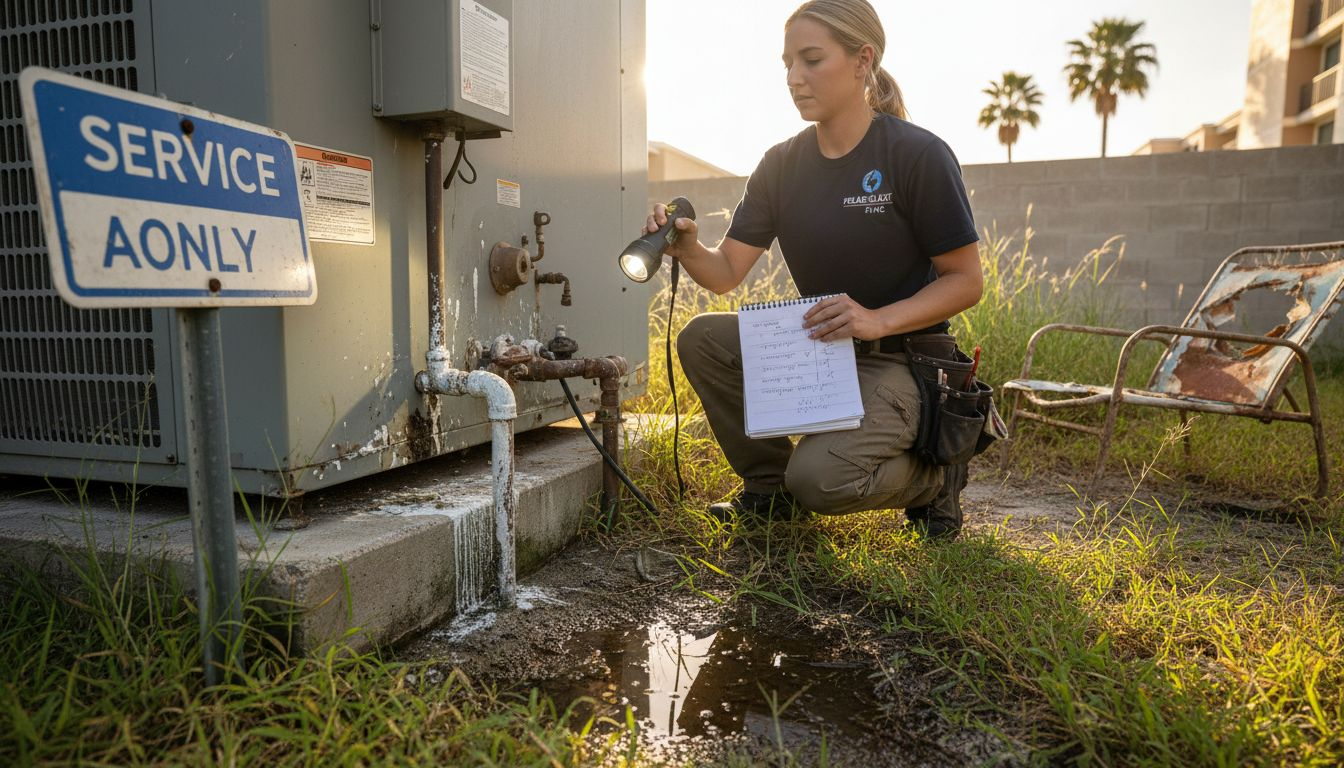
Control system failures often stem from sensor degradation or electrical component corrosion in humid environments. Faulty temperature sensors misreport water conditions, causing erratic heating cycles or complete shutdowns. Gas valve malfunctions and pressure regulator problems disrupt fuel delivery, preventing ignition or creating dangerous combustion conditions.
Property managers should watch for these warning signs:
- Unusual clicking, banging, or whistling noises during operation
- Inconsistent water temperatures or failure to reach setpoints
- Visible rust, water leaks, or corrosion on heater components
- Sharp increases in natural gas or propane consumption
- Error codes or warning lights on control panels
Critical Stat: Commercial pool heaters in Central Florida pool heater challenges face 40% higher corrosion rates than national averages due to regional water chemistry and humidity.
Early detection through regular monitoring prevents minor issues from escalating into expensive emergency repairs. Daily temperature logs and monthly visual inspections catch problems when they’re still manageable and less costly to fix.
Step-by-Step Repair and Diagnostic Processes
Certified commercial HVAC technicians begin diagnostics with comprehensive visual inspections of heat exchangers, burner assemblies, and control systems. They check for corrosion, cracks, blockages, and loose electrical connections that compromise performance. Specialized combustion analyzers measure efficiency and detect improper fuel-air mixtures that waste energy or create safety hazards.
Pressure testing identifies leaks in heat exchangers and gas lines before they cause catastrophic failures. Technicians use manometers to verify proper gas pressure at various points in the fuel delivery system. They test temperature sensors and control circuits with multimeters to confirm accurate readings and proper communication between components.
Repair procedures vary based on diagnosis findings:
- Heat Exchanger Service: Remove scale buildup through acid washing or mechanical cleaning; replace corroded sections if integrity is compromised.
- Burner Assembly Repair: Clean burner orifices, adjust air shutters for optimal combustion, replace damaged ignition systems.
- Control System Restoration: Replace faulty sensors, recalibrate thermostats, update control boards and reprogram settings.
- Gas System Repairs: Replace worn valves, clean or replace pressure regulators, seal detected leaks.
- Post-Repair Testing: Verify combustion efficiency, confirm temperature accuracy, run full heating cycles under load conditions.
Every repair must meet commercial building codes and manufacturer specifications. Technicians document all work for compliance records and warranty protection. Professional commercial pool heater repairs include calibration adjustments that optimize efficiency and prevent recurring problems.
Pro Tip: Schedule a comprehensive tune-up immediately after major repairs to address minor issues discovered during diagnostic work, preventing future breakdowns.
Post-repair performance testing confirms that all systems function safely and efficiently. Technicians should provide written reports detailing repairs completed, parts replaced, and recommendations for preventative maintenance going forward.
Maintenance and Service Recommendations
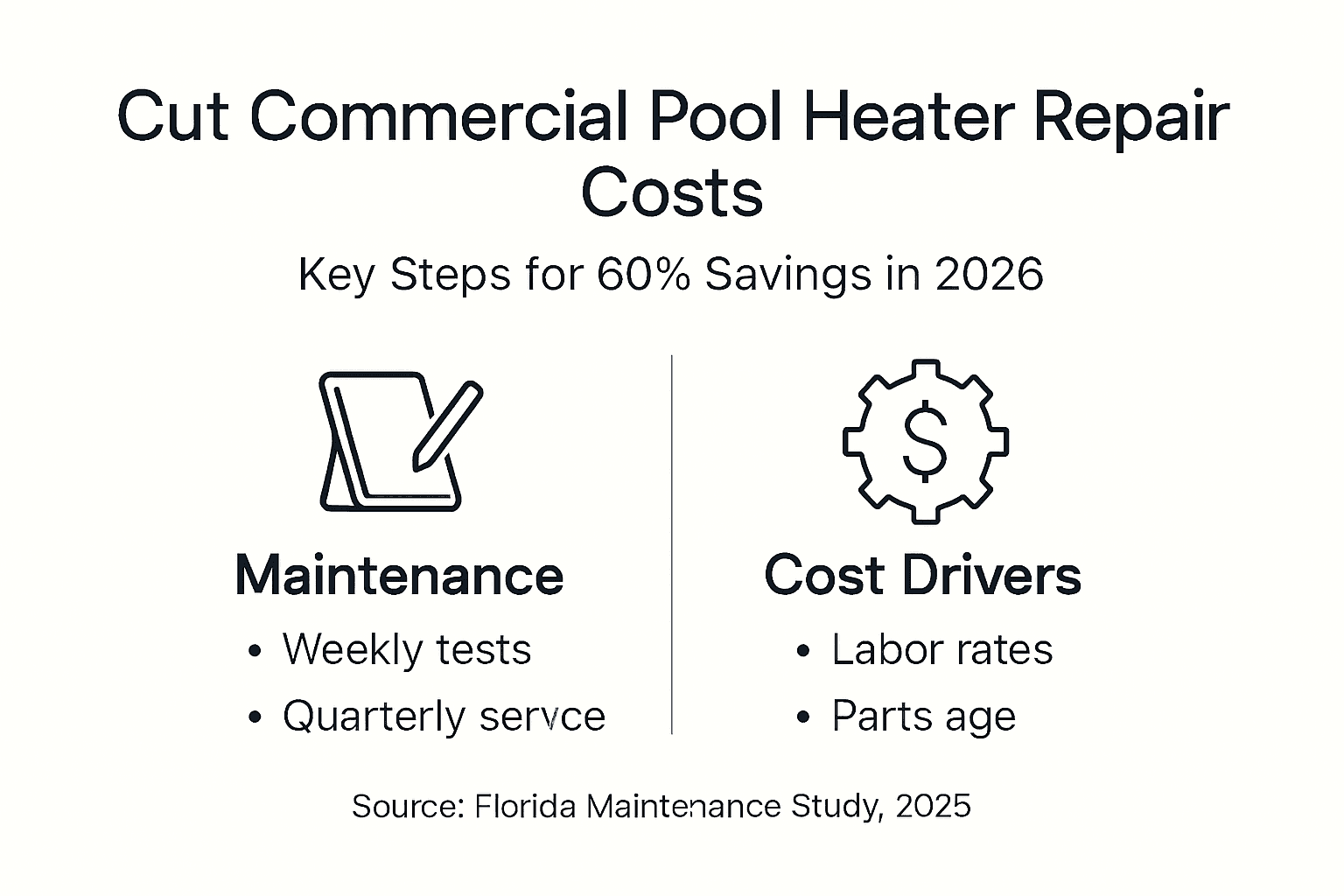
Regular chemical balance checks and filter cleaning prevent the scale buildup that causes most commercial pool heater failures. Water chemistry directly impacts equipment longevity, with proper pH and calcium hardness levels reducing corrosion rates by up to 70%. Monthly filter inspections ensure adequate water flow through heat exchangers, preventing hot spots that damage components.
Scheduled professional inspections catch early wear before it causes breakdowns. Quarterly service visits allow technicians to identify corroding parts, test safety controls, and verify combustion efficiency. Maintenance reduces breakdowns and energy costs, extending equipment life by up to 50% compared to neglected systems.
Preventative care delivers measurable financial benefits. Reactive repair approaches cost 30 to 50% more over a system’s lifetime compared to maintained equipment. Energy savings from properly tuned heaters often exceed annual maintenance costs, making routine service a profit-generating investment rather than an expense.
Implement these maintenance practices:
- Test and adjust water chemistry weekly during peak usage seasons
- Clean or replace filters monthly to maintain proper flow rates
- Schedule professional inspections quarterly or semi-annually
- Log daily operating temperatures and fuel consumption for trend analysis
- Inspect visible components monthly for corrosion, leaks, or unusual wear
Pro Tip: Create a digital maintenance calendar synced to usage patterns, scheduling heavier service before high-demand periods like winter months when heating needs peak.
| Maintenance Task | Frequency | Impact |
|---|---|---|
| Water chemistry testing | Weekly | Prevents 60% of corrosion-related failures |
| Filter cleaning/replacement | Monthly | Maintains efficiency and prevents overheating |
| Professional inspection | Quarterly | Catches 80% of problems before breakdown |
| Combustion efficiency testing | Annually | Reduces energy costs by 15-25% |
| Full system tune-up | Annually | Extends equipment life by 50% |
Tailoring maintenance frequency to your facility’s usage intensity maximizes reliability. High-traffic facilities with year-round pool use benefit from monthly professional attention, while seasonal operations can scale back during closed periods. Comprehensive preventative maintenance best practices adapt to your specific operational demands.
Common Misconceptions and Pitfalls
Commercial pool heater repair is more complex than residential, involving 30% more safety and compliance checks. Many property managers underestimate this complexity and attempt to use residential HVAC contractors for commercial work. This leads to incomplete repairs, safety violations, and voided warranties that create expensive problems down the road.
Not all damage requires complete heater replacement. Many failures involve repairable components like heat exchanger sections, control boards, or gas valves that cost a fraction of new equipment prices. Catching problems early through maintenance transforms major replacements into minor repairs, but delayed action often makes replacement the only viable option.
Repair cost assumptions often miss the mark. Central Florida labor rates, parts availability, and equipment age all influence final pricing significantly. A simple ignition system repair might cost $400, while heat exchanger replacement can exceed $2000 depending on heater model and local service rates.
Property managers frequently assume maintenance is optional or can be deferred without consequences. This belief directly contradicts data showing that neglected systems experience breakdown rates 60% higher than maintained equipment. Skipping routine service to save money guarantees higher long-term costs through emergency repairs and premature replacement.
Hiring uncertified or inexperienced technicians creates serious risks:
- Noncompliance with commercial building codes and safety regulations
- Improper repairs that cause additional damage or safety hazards
- Voided manufacturer warranties due to unauthorized service
- Liability exposure if improperly serviced equipment causes injuries
- Higher total costs from repeated failed repair attempts
Selecting qualified commercial pool heater repair professionals with proven commercial HVAC experience protects your investment and ensures complexity and compliance in commercial repairs meet industry standards. Proper credentials and local experience make the difference between successful repairs and costly mistakes.
Cost Factors and Typical Repair Pricing in Central Florida
Typical commercial pool heater repair costs range from $300 for minor component replacements to $1500 or more for major heat exchanger work or control system overhauls. Parts availability significantly impacts both pricing and repair timelines. Industrial-grade components often require special ordering with lead times of several days to weeks, extending downtime and potentially adding expedite fees.
Central Florida labor rates reflect the specialized expertise required for commercial work. Certified commercial HVAC technicians command premium rates due to their training and licensing requirements. Emergency service calls during peak season or after hours can double standard labor costs, making preventative maintenance even more financially attractive.
Several factors influence final repair bills:
- Equipment age and manufacturer (obsolete models require custom fabrication)
- Extent of damage (single component versus multiple system failures)
- Parts scarcity and shipping requirements
- Labor complexity and estimated repair duration
- Compliance testing and code upgrade requirements
Warranty coverage dramatically affects out-of-pocket costs. Many commercial pool heaters include five to ten year warranties on heat exchangers with shorter coverage on other components. Proper documentation of regular professional maintenance is often required to maintain warranty validity, making service records valuable financial protection.
Financing options help manage unexpected repair expenses. Many commercial HVAC providers offer payment plans or equipment financing that spreads costs over time. This prevents cash flow disruptions when major repairs arise suddenly. Understanding repair pricing factors in Central Florida helps you budget appropriately and evaluate whether repairs or replacement make better financial sense.
| Repair Type | Typical Cost Range | Timeline |
|---|---|---|
| Control board replacement | $400 – $800 | 1-2 days |
| Burner assembly service | $300 – $600 | 1 day |
| Heat exchanger cleaning | $500 – $900 | 1-2 days |
| Gas valve replacement | $350 – $700 | 1 day |
| Complete heat exchanger | $1200 – $2500 | 3-5 days |
Comparing repair costs against new heater installation helps inform replacement decisions. When repair costs exceed 50% of replacement value and equipment is past 60% of expected lifespan, replacement often provides better long-term value. Regional cost influences including local permitting fees and installation requirements factor into this calculation.
Choosing Qualified Repair Professionals in Central Florida
Prioritize technicians with certified commercial HVAC repair experience and documented training on pool heater systems. Commercial certifications from NATE, HVAC Excellence, or manufacturers demonstrate competency beyond residential qualifications. These credentials ensure technicians understand code requirements, safety protocols, and complex diagnostics unique to commercial installations.
Local expertise matters significantly in Central Florida where climate and water conditions create unique challenges. Technicians familiar with regional hard water issues, humidity impacts, and seasonal usage patterns deliver more effective solutions. They stock commonly needed parts and understand which heater brands perform best in local conditions.
Veteran-owned and community-trusted businesses often provide superior transparency and customer service. Their reputation depends on local relationships, incentivizing honest assessments and quality work. Check online reviews, Better Business Bureau ratings, and testimonials from other commercial property managers before selecting a provider.
Verify these qualifications when evaluating repair companies:
- Active state and local HVAC contractor licenses
- Commercial liability insurance covering your facility type
- Manufacturer certifications for your specific heater brand
- Positive customer reviews from other commercial clients
- Clear written estimates with itemized parts and labor costs
Transparent pricing and financing availability indicate customer-focused service. Reputable contractors provide detailed written quotes before starting work and offer payment options that accommodate commercial budgeting cycles. They explain repair versus replacement trade-offs honestly rather than pushing unnecessary services.
Pro Tip: Ask potential contractors for references from other commercial pool facilities they service, then contact those references to verify service quality, responsiveness, and pricing accuracy.
Trusted repair professionals in Central Florida combine technical expertise with local knowledge and business integrity. Their local Central Florida HVAC expertise translates to faster diagnostics, appropriate part selection, and repairs that address root causes rather than just symptoms. This expertise minimizes downtime and maximizes the return on your repair investment.
Conclusion and Action Steps
Regular maintenance stands as the single most effective strategy for reducing commercial pool heater repair frequency and costs. Implementing quarterly professional inspections and consistent water chemistry management prevents the majority of breakdowns while extending equipment life by up to 50%. This proactive approach transforms unpredictable emergency repairs into manageable scheduled maintenance.
Qualified local technicians with commercial expertise deliver superior repair outcomes through proper diagnostics, code-compliant work, and appropriate part selection. Their experience with Central Florida conditions ensures repairs address environmental factors that contribute to accelerated wear. Selecting certified professionals protects your investment and facility operations.
Early problem detection through monitoring and maintenance enables cost-effective repairs before minor issues escalate into major failures. Temperature logging, visual inspections, and professional assessments catch warning signs when component replacement costs hundreds rather than thousands. This vigilance directly impacts your bottom line and customer satisfaction.
Your commercial pool heater directly affects guest experience, facility reputation, and revenue potential. Equipment failures during peak seasons create dissatisfied customers and lost income opportunities. Taking action now to establish maintenance schedules and identify qualified service providers prevents these disruptions.
Implement these action steps immediately:
- Schedule a comprehensive heater inspection if none occurred in the past 90 days
- Establish a maintenance calendar aligned with your facility’s usage patterns
- Document current heater age, model, and service history for informed future decisions
- Identify and vet at least two certified commercial HVAC contractors in your area
- Review warranty coverage and explore financing options for future repairs
Lucas Air Conditioning: Your Central Florida Commercial Pool Heater Repair Partner
Lucas Air Conditioning and Heating delivers specialized commercial pool heater repair services designed for Central Florida’s unique climate challenges. Our certified technicians understand how regional hard water and humidity impact commercial equipment, providing diagnostics and repairs that address root causes for lasting results.
As a veteran-owned business established in 2018, we prioritize transparency, quality workmanship, and customer service that builds long-term relationships with commercial clients. Our team holds commercial HVAC certifications and manufacturer training that ensures compliance with all safety codes and warranty requirements.
Flexible financing and comprehensive maintenance plans help commercial property managers budget effectively while protecting their heating investments. We offer clear upfront pricing, detailed written estimates, and service guarantees that give you confidence in every repair decision. Our expert HVAC repair solutions and preventative maintenance plans keep your facility operating smoothly year-round.
Central Florida businesses trust Lucas Air for reliable commercial pool heater service that minimizes downtime and maximizes equipment performance. Contact us today to schedule your repair assessment or establish a preventative maintenance program tailored to your facility’s needs.
Frequently Asked Questions About Commercial Pool Heater Repair
How often should commercial pool heaters receive professional maintenance?
Quarterly inspections work best for high-use facilities, while seasonal operations can schedule semi-annual service. Usage intensity determines optimal frequency, with year-round pools benefiting from monthly attention during peak seasons.
What is the typical timeframe for commercial pool heater repairs?
Most repairs complete within one to three days depending on parts availability and damage extent. Emergency service may expedite timelines, though parts for older or specialized units sometimes require longer ordering periods.
How can property managers reduce commercial pool heater repair costs?
Regular maintenance prevents 60% of breakdowns and cuts lifetime costs by 30 to 50% compared to reactive approaches. Weekly water chemistry testing and monthly filter service provide the highest return on preventative investment.
Why do commercial pool heaters require specialized repair expertise?
Commercial systems involve 30% more safety and compliance requirements than residential units, with complex controls and higher-capacity components. Proper diagnostics demand commercial HVAC training and manufacturer certifications that residential technicians typically lack.
Do warranties cover commercial pool heater repairs?
Most manufacturers warranty heat exchangers for five to ten years with shorter coverage on other components. Warranty validity requires documented professional maintenance, making service records essential for covered repairs.
When should commercial pool heaters be replaced rather than repaired?
Replacement makes financial sense when repair costs exceed 50% of new equipment value and the heater has reached 60% of expected lifespan. Frequent recurring failures also indicate replacement provides better long-term value than continued repairs.
