
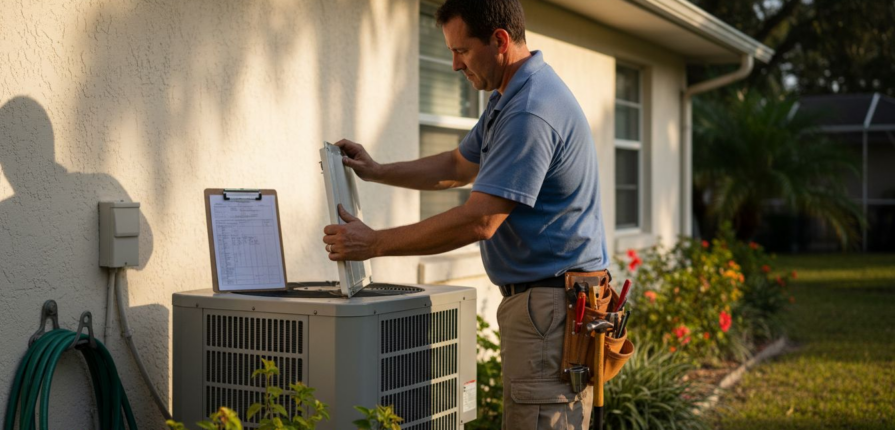
When muggy Florida summers push air conditioners to the limit, even the best systems can falter without regular care. For families and business owners in Central Florida, HVAC maintenance is more than a seasonal task. Staying proactive helps you steer clear of sudden breakdowns and keeps your energy bills steady. This guide clears up common HVAC myths and reveals practical steps to help you protect comfort, efficiency, and your budget year-round.
Table of Contents
- Defining HVAC Maintenance and Common Myths
- Florida’s HVAC Demands and System Types
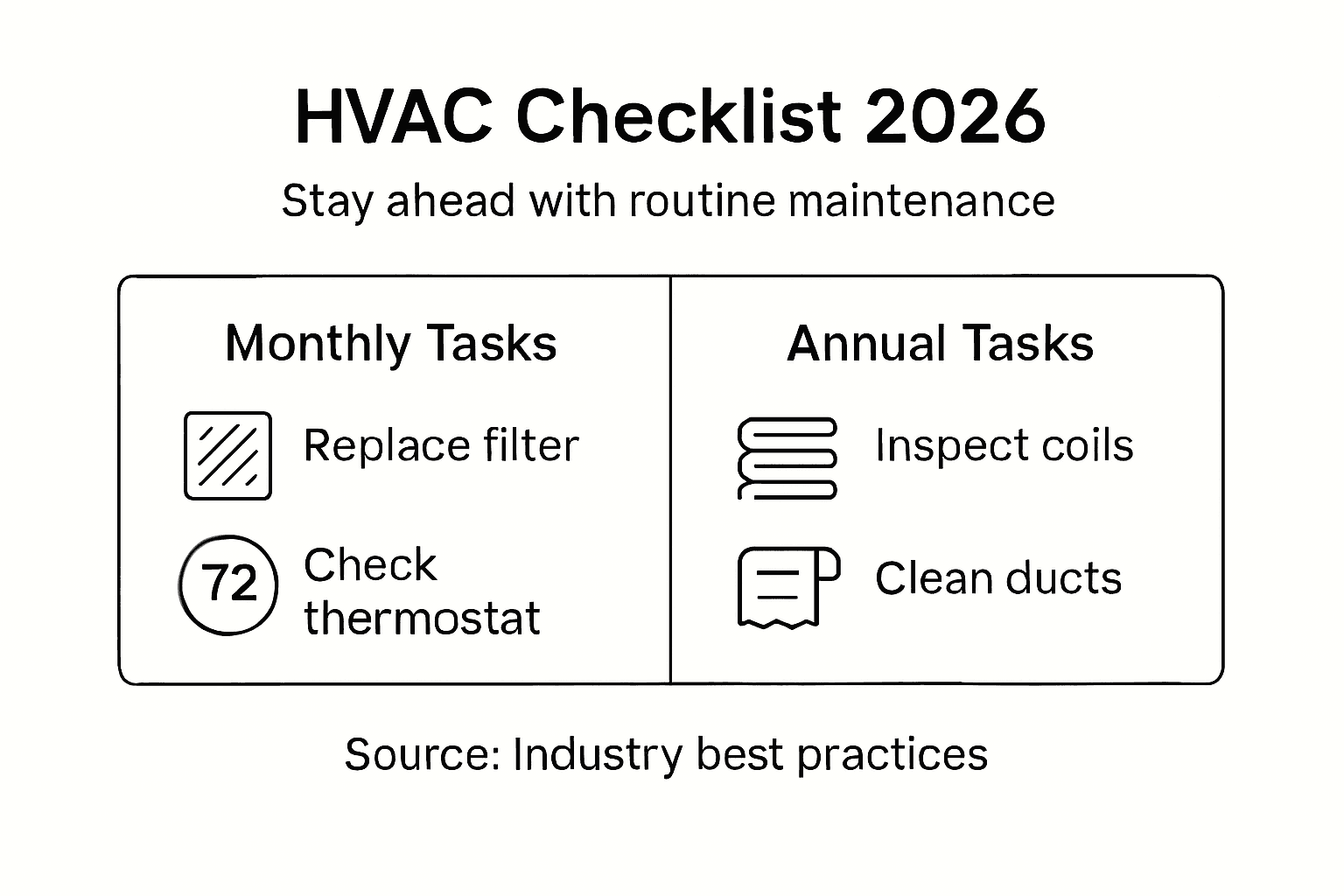
- Seasonal Checklist: Monthly and Annual Tasks
- Efficiency, Indoor Air Quality, and Upgrades
- Legal Compliance, Costs, and Warranty Essentials
- Avoiding Mistakes and When to Seek Professional Help
Key Takeaways
| Point | Details |
|---|---|
| Understanding HVAC Maintenance | Regular maintenance is essential for optimal performance, extending system life, and preventing costly repairs. |
| Common Myths to Avoid | Many homeowners mistakenly believe that maintenance is unnecessary or that replacing filters annually is sufficient. |
| HVAC Systems in Florida | Unique climate demands specialized systems that efficiently cool and manage humidity. |
| Knowing when to Seek Help | Recognizing signs of serious issues, such as unusual noises or temperature inconsistencies, is crucial for timely professional intervention. |
Defining HVAC Maintenance and Common Myths
HVAC maintenance involves systematic care and periodic inspection of heating, ventilation, and air conditioning systems to ensure optimal performance, energy efficiency, and longevity. Understanding what maintenance truly entails helps homeowners avoid costly misconceptions that can lead to unnecessary repairs or system failures.
At its core, HVAC maintenance is a comprehensive approach to keeping your home’s climate control system running smoothly. Complex system control sequences require regular professional attention to maintain stability across varying environmental conditions. This means more than just changing air filters – it involves intricate diagnostics and preventative strategies.
Some of the most persistent myths about HVAC systems can seriously impact homeowner decisions and maintenance practices:
- Myth 1: Maintenance is unnecessary if the system seems to work fine
- Myth 2: All HVAC technicians provide the same quality of service
- Myth 3: Replacing filters once a year is sufficient
- Myth 4: Newer systems don’t require regular maintenance
These misconceptions can lead to significant problems. Systematic HVAC maintenance principles demonstrate that proactive care prevents inefficiencies and extends system life. Regular inspections help identify potential issues before they become expensive repairs, ensuring your system operates at peak performance.
Proper HVAC maintenance is not an expense – it’s an investment in your home’s comfort and efficiency.
Pro tip: Schedule professional HVAC inspections at least twice per year to catch potential issues early and maintain optimal system performance.
Florida’s HVAC Demands and System Types
Florida’s unique climate presents extraordinary challenges for home heating, ventilation, and air conditioning systems. With high humidity and consistently warm temperatures, HVAC systems here must do far more than simply cool a space – they must manage moisture, maintain air quality, and operate efficiently under extreme conditions.
HVAC systems in Florida are specifically designed to handle the subtropical environment, with a primary focus on cooling and dehumidification. The state’s climate demands robust systems that can quickly remove moisture while maintaining comfortable indoor temperatures. Unlike regions with moderate temperatures, Florida homeowners require specialized equipment that can withstand intense heat and persistent humidity.
The most common HVAC system types in Florida include:
- Split Systems: Most popular residential configuration
- Heat Pumps: Efficient year-round temperature control
- Packaged Units: Compact systems ideal for smaller spaces
- Ductless Mini-Splits: Flexible cooling for targeted areas
Understanding regional HVAC operational needs is critical for selecting the right system. These systems must not only cool effectively but also manage indoor air quality and humidity levels. Proper sizing and installation become paramount, with factors like home square footage, insulation quality, and local microclimates significantly impacting system performance.
Here’s a comparison of common HVAC system types used in Florida and their ideal applications:
| System Type | Best For | Key Advantage |
|---|---|---|
| Split System | Most homes and medium spaces | Balanced efficiency and cost |
| Heat Pump | Year-round comfort | Both heating and cooling |
| Packaged Unit | Small homes and limited space | Space-saving and easy install |
| Ductless Mini-Split | Zoned or single-room solutions | Flexible temperature control |
Florida’s HVAC systems are more than appliances – they’re sophisticated climate management solutions.
Pro tip: Consult with local HVAC professionals who understand Florida’s specific climate challenges when selecting or maintaining your home cooling system.
Seasonal Checklist: Monthly and Annual Tasks
Maintaining an HVAC system requires a strategic approach that balances monthly monitoring and annual comprehensive inspections. Homeowners in Florida face unique challenges due to the intense climate, making regular maintenance not just recommended, but essential for system longevity and performance.
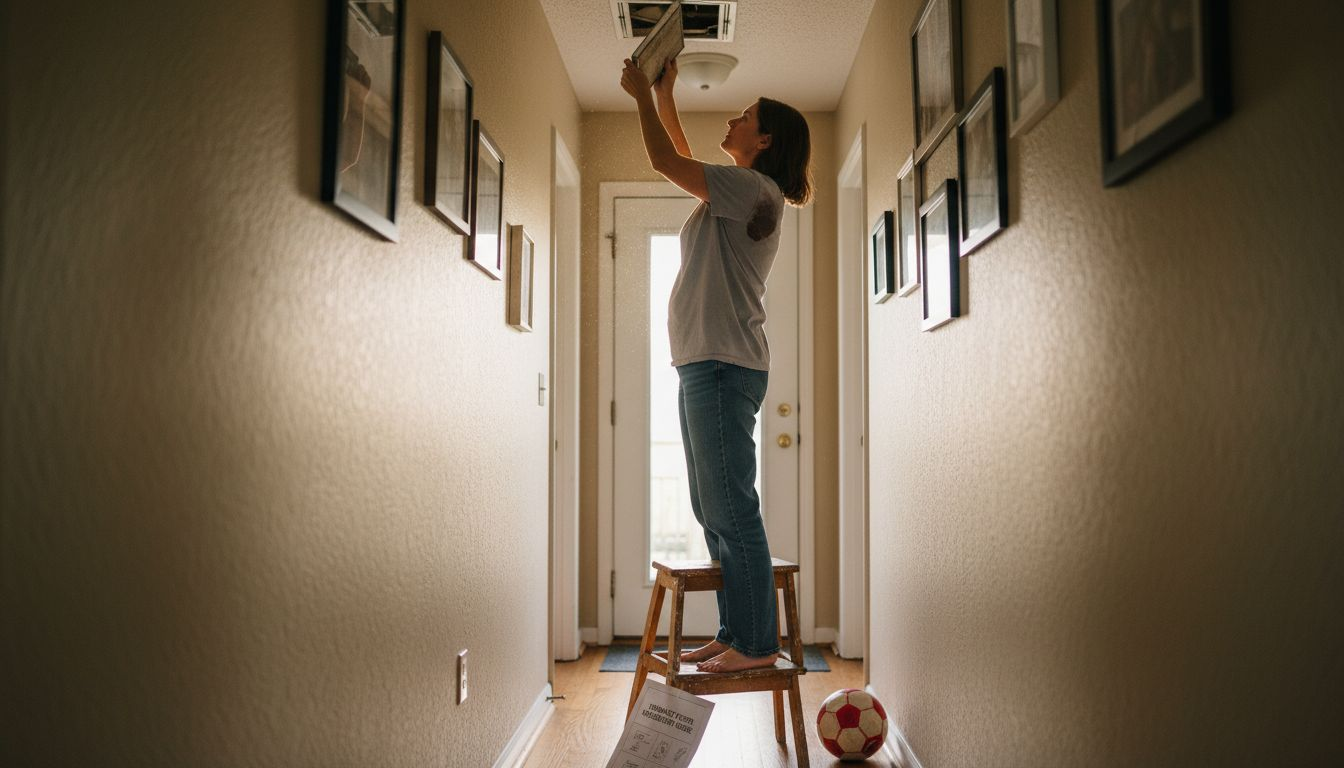
HVAC maintenance planning involves a systematic breakdown of tasks that protect your system’s efficiency and prevent unexpected breakdowns. These maintenance routines go beyond simple filter changes, encompassing detailed inspections of electrical components, refrigerant levels, and overall system performance.
Monthly maintenance tasks include:
- Inspect air filters: Check and replace if dirty or clogged
- Clean air vents and returns: Remove dust and debris
- Check thermostat settings: Ensure accurate temperature control
- Listen for unusual sounds: Detect potential mechanical issues
- Examine outdoor unit: Clear vegetation and debris
Annual maintenance requires more comprehensive preventive HVAC strategies. Typically performed before peak summer and winter seasons, these tasks involve professional-level diagnostics and system tune-ups. Professional technicians will perform detailed assessments including:
- Comprehensive system performance evaluation
- Refrigerant level checks and adjustments
- Electrical connection inspections
- Lubrication of moving mechanical parts
- Calibration of thermostat and control systems
Consistent maintenance is the key to preventing costly HVAC repairs and extending system life.
Pro tip: Create a digital or physical maintenance calendar to track and schedule your monthly and annual HVAC system tasks, ensuring no critical inspection is overlooked.
Efficiency, Indoor Air Quality, and Upgrades
Modern HVAC systems represent more than temperature control – they are sophisticated environmental management solutions that directly impact health, comfort, and energy consumption. For Florida homeowners, understanding the intricate relationship between system efficiency and indoor air quality is crucial for creating healthier living spaces.
Indoor air quality strategies have evolved dramatically, focusing on comprehensive approaches that go beyond traditional filtration. These strategies involve source control, advanced ventilation techniques, and targeted system upgrades designed to minimize pollutant exposure and optimize environmental performance.
Key efficiency and air quality upgrades include:
- Smart Filtration Systems: High-MERV rated filters capturing microscopic particles
- Humidity Control Technologies: Integrated dehumidification mechanisms
- Advanced Ventilation Upgrades: Energy recovery ventilators (ERVs)
- Programmable Smart Thermostats: Precision temperature and airflow management
- UV Light Purification: Eliminating microbial contaminants
Researchers from healthy building environments emphasize that strategic HVAC upgrades can dramatically improve occupant health and system performance. These innovations not only enhance air quality but also contribute to significant energy savings, creating a win-win scenario for homeowners seeking both environmental comfort and economic efficiency.
Upgrading your HVAC system is an investment in health, comfort, and long-term energy savings.
Pro tip: Consult with professional HVAC technicians to perform a comprehensive indoor air quality assessment before selecting system upgrades.
Legal Compliance, Costs, and Warranty Essentials
Navigating the complex landscape of HVAC warranties and legal requirements can be challenging for homeowners. Understanding the nuanced protections and financial considerations is crucial for making informed decisions about system maintenance, repair, and potential replacements.
Consumer product warranty standards establish critical legal frameworks that protect homeowners from defective equipment and inadequate service. These federal regulations mandate minimum warranty requirements, ensuring manufacturers provide transparent and fair coverage for HVAC systems, which can help consumers avoid unexpected financial burdens.
Key warranty and legal considerations include:
- Express Warranties: Specific written guarantees from manufacturers
- Implied Warranties: Legal protections beyond written documentation
- Manufacturer Liability: Obligations for system performance and replacement
- Duration of Coverage: Typical warranty periods for different components
- Service Contract Options: Extended protection beyond standard warranties
Understanding warranty procurement strategies involves analyzing both the financial implications and legal protections. Homeowners should carefully review warranty terms, considering factors such as coverage scope, repair versus replacement options, and potential additional costs for extended protection.
This table summarizes typical HVAC warranty and coverage considerations for homeowners:
| Warranty Aspect | What It Means | Homeowner Action |
|---|---|---|
| Express Warranty | Written manufacturer promise | Review for coverage details |
| Implied Warranty | Legal protection automatically | Understand state regulations |
| Service Contract | Optional extended coverage | Consider for aging systems |
| Coverage Duration | Time the warranty is valid | Track expiration dates |
Comprehensive warranty understanding is your first line of defense against unexpected HVAC system expenses.
Pro tip: Always request and carefully read the full warranty documentation before purchasing an HVAC system, paying special attention to exclusions and specific coverage terms.
Avoiding Mistakes and When to Seek Professional Help
Homeowners often face a critical decision point when addressing HVAC system issues: determining whether a problem requires DIY troubleshooting or professional intervention. Understanding the nuanced boundaries between minor maintenance and complex repairs can save significant time, money, and potential system damage.
HVAC troubleshooting strategies emphasize the importance of systematic diagnostic approaches. Amateur attempts to resolve complicated technical issues can often exacerbate existing problems, leading to more extensive and expensive repairs. Recognizing your technical limitations is as crucial as understanding basic system maintenance.
Key indicators that professional help is necessary include:
- Unusual Noises: Grinding, squealing, or banging sounds
- Inconsistent Temperature Control: Uneven cooling or heating
- Electrical Issues: Frequent circuit breaker trips
- Refrigerant Leaks: Any visible refrigerant signs
- System Age: Equipment over 10-15 years old
The comprehensive HVAC troubleshooting approach requires methodical symptom identification and understanding of system complexity. While some basic maintenance tasks are manageable for homeowners, advanced diagnostic procedures demand professional expertise to prevent potential system compromise.
Not all HVAC problems are created equal – knowing when to step back is as important as knowing how to intervene.
Pro tip: Maintain a detailed maintenance log documenting all repairs, inspections, and system performances to help professionals quickly diagnose potential issues.
Protect Your Home with Expert HVAC Maintenance from Lucas Air Conditioning and Heating
The 2026 HVAC Maintenance Checklist highlights the importance of regular inspections and preventative care to avoid costly repairs and ensure your system runs efficiently all year. If you are facing challenges like unpredictable temperature control, increased energy costs, or concerns about indoor air quality in Florida’s demanding climate, Lucas Air Conditioning and Heating is here to help. We understand the unique needs of Central Florida residents and offer trusted solutions that go beyond simple filter changes to comprehensive system tune-ups and advanced diagnostics.
Act now to secure your home comfort and energy savings by choosing a local, veteran-owned company with a proven track record. Discover our current Special Offers for January 2026 to maximize value. Learn more about how proper ventilation improves your indoor environment through our Ventilation Archive. Ready to schedule your appointment or need more information Visit Lucas Air Conditioning and Heating today to book professional maintenance services that keep your HVAC system performing at its best throughout the year.
Frequently Asked Questions
What is included in an HVAC maintenance checklist?
An HVAC maintenance checklist typically includes tasks such as inspecting and replacing air filters, cleaning air vents, checking thermostat settings, examining the outdoor unit, and performing detailed inspections of electrical components and refrigerant levels.
How often should I perform HVAC maintenance?
HVAC maintenance should be performed at least twice a year to ensure optimal performance. Monthly checks on air filters and other simple tasks can help maintain system efficiency.
What are the most common HVAC myths?
Common HVAC myths include the belief that maintenance is unnecessary if the system seems fine, that replacing filters once a year is enough, and that newer systems do not need regular maintenance.
Why is regular HVAC maintenance important?
Regular HVAC maintenance is crucial because it helps prevent costly repairs, extends the lifespan of the system, improves energy efficiency, and ensures better indoor air quality.
