
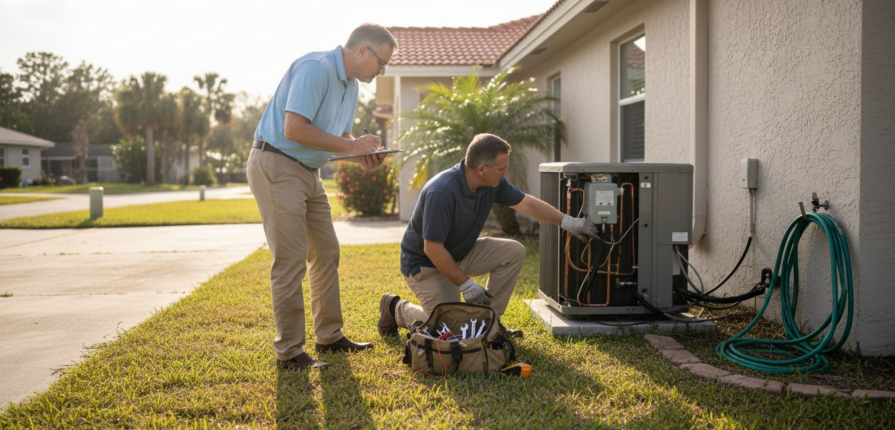
Landlords in Central Florida face constant pressure to keep HVAC systems running efficiently while controlling repair costs and maintaining tenant satisfaction. Without a strategic maintenance approach, you risk expensive emergency repairs, tenant turnover, and declining property value. This guide provides region-specific HVAC maintenance strategies to reduce costs, extend system lifespan, and keep your rental properties competitive in Central Florida’s demanding climate.
Table of Contents
- How To Choose HVAC Maintenance Strategies: Key Factors For Landlords
- Establish A Preventative HVAC Maintenance Schedule
- Implement Cost-Effective HVAC Maintenance Strategies
- Communicate HVAC Plans Clearly With Tenants
- Consider Smart HVAC Upgrades To Enhance Property Appeal
- Monitor HVAC Systems For Early Problem Signs
- Explore Financing Options For HVAC Services In Central Florida
- Summary And Situational Recommendations
- Enhance Your Rental Properties With Expert HVAC Services
- FAQ
Key takeaways
| Point | Details |
|---|---|
| Preventative maintenance cuts emergency costs | Regular HVAC maintenance reduces emergency repair expenses by up to 35%, protecting rental income from surprise bills. |
| Strategic communication improves retention | Transparent HVAC maintenance schedules boost tenant trust and increase retention rates by approximately 15%. |
| Energy upgrades add property value | ENERGY STAR-certified systems lower energy costs by 20-30% while making properties more attractive to quality tenants. |
| Early monitoring prevents failures | Tracking performance indicators like unusual noises and utility spikes helps catch problems before they become costly emergencies. |
| Financing enables timely action | Local providers offer payment plans at 0%-6% APR, allowing landlords to maintain systems without large upfront expenses. |
How to choose HVAC maintenance strategies: key factors for landlords
Selecting the right HVAC maintenance approach starts with understanding what makes Central Florida rental properties unique. The region’s hot, humid climate puts continuous stress on cooling systems, making tailored strategies essential rather than optional.
First, evaluate your property’s specific climate challenges. Central Florida’s year-round humidity creates ideal conditions for mold growth and strains HVAC components more than drier climates. Your maintenance plan must address these environmental factors directly.
Next, balance costs against tenant comfort and system reliability. Emergency repairs cost 2-3 times more than scheduled maintenance, but upfront preventative spending requires budget allocation. Consider your typical vacancy rates and repair history when setting maintenance budgets.
System age matters significantly. Units over 10 years old require more frequent inspections and are prime candidates for efficiency upgrades. Newer systems benefit most from consistent filter changes and seasonal tune-ups to maximize their expected 15-20 year lifespan.
Access to qualified local HVAC professionals affects your strategy too. Establishing relationships with trusted contractors who understand Central Florida properties means faster response times and better service quality. Look for providers offering seasonal HVAC tune-ups Florida residents can rely on year-round.
Pro Tip: Create a property maintenance file for each rental unit tracking HVAC service dates, filter changes, and repair history. This documentation helps identify patterns and supports insurance claims if major failures occur.
Establish a preventative HVAC maintenance schedule
A consistent maintenance schedule forms the foundation of cost-effective HVAC management. Scheduling biannual HVAC tune-ups in spring and fall aligns with Central Florida’s climate needs, preparing systems for peak summer cooling and milder winter months.
Follow this proven maintenance timeline:
-
Spring tune-up (March-April): Schedule professional inspections before summer heat arrives. Technicians should check refrigerant levels, clean coils, test electrical components, and verify thermostat accuracy.
-
Filter replacement (every 1-3 months): Replace standard filters monthly during heavy-use seasons. Higher-quality pleated filters can last up to three months but require monitoring in dusty environments.
-
Fall inspection (October-November): Prepare systems for reduced cooling loads. This visit should include ductwork inspection, condensate drain cleaning, and outdoor unit debris removal.
-
Duct cleaning (every 3-5 years): Professional duct cleaning reduces allergens and prevents mold accumulation common in humid climates. This service particularly benefits properties with tenant turnover or visible dust buildup.
-
Tenant-reported issues (immediately): Address unusual noises, weak airflow, or temperature inconsistencies within 24-48 hours to prevent minor problems from escalating.
Regular inspections extend equipment lifespan by identifying worn components before they fail completely. Catching a failing capacitor during a scheduled visit costs $150-300, while emergency replacement after system failure can exceed $800 including after-hours service fees.
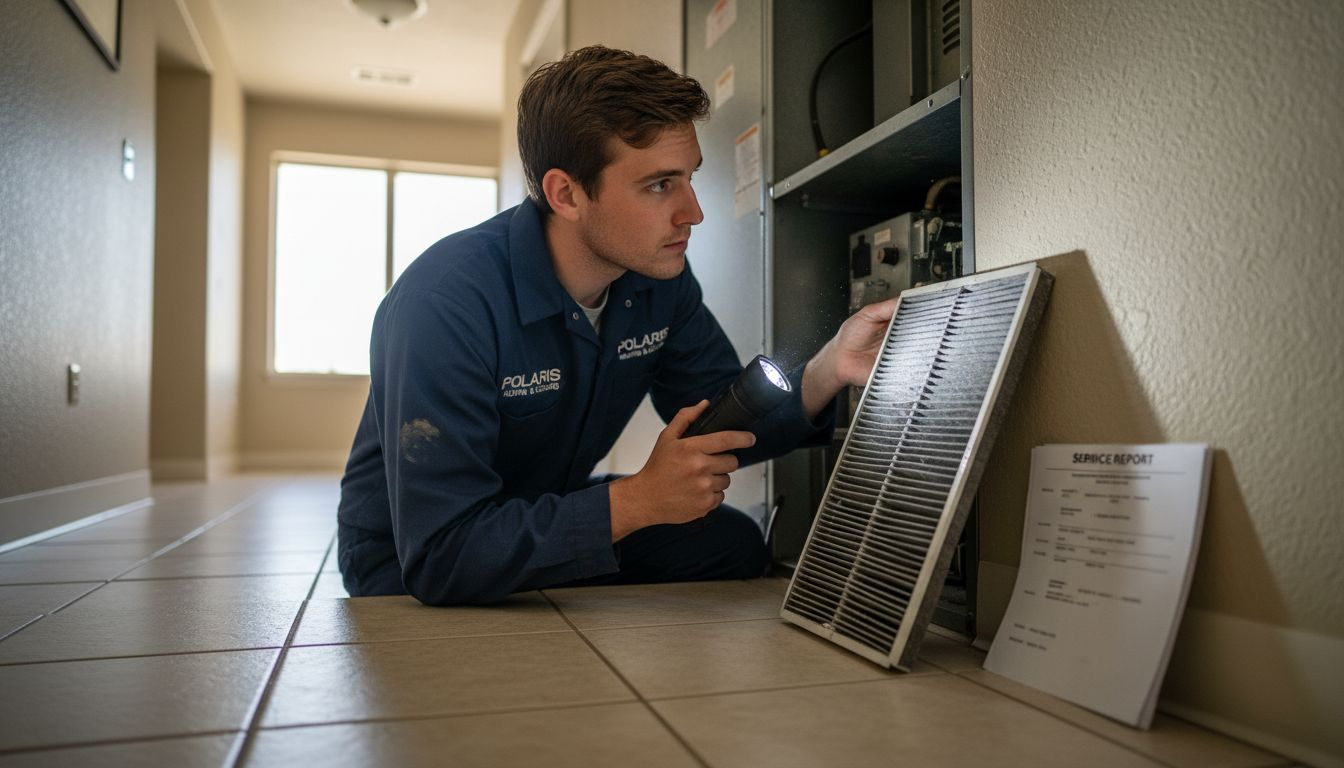
Watch for early warning signs between professional visits. Unusual sounds like grinding or squealing indicate mechanical wear. Musty odors suggest mold growth in ducts or drain pans. Uneven cooling across rooms often points to ductwork leaks or refrigerant issues requiring immediate attention.
Pro Tip: Install programmable thermostats in rental units and set them to energy-saving temperatures (78°F for cooling). This reduces wear during vacancy periods while maintaining air circulation to prevent humidity damage.
Implement cost-effective HVAC maintenance strategies
Controlling HVAC expenses requires proactive planning rather than reactive spending. Regular maintenance reduces emergency repair costs by approximately 35%, transforming unpredictable expenses into manageable line items in your property budget.
Emergency repairs carry premium pricing. After-hours service calls, rushed parts ordering, and crisis scheduling mean you’ll pay 2-3 times the cost of planned maintenance. A Sunday emergency compressor replacement might cost $2,500, while the same repair scheduled during business hours runs $900-1,200.
Consider these cost-control strategies:
-
Service agreements: Annual maintenance contracts typically cost $200-400 per property but include priority scheduling, discounted repairs, and guaranteed response times. Calculate whether the peace of mind justifies the expense based on your portfolio size.
-
Home warranty plans: These policies cover major system failures for $400-600 annually with $75-125 service call fees. Best for older properties where replacement risk is higher.
-
Preventative budgeting: Allocate 1-2% of property value annually for HVAC maintenance and repairs. This creates reserves for unexpected issues without disrupting cash flow.
-
Comparative shopping: Get quotes from multiple contractors for major work. Price variations of 20-30% are common for identical services in Central Florida markets.
“The best time to find an HVAC contractor is before you need one. Established relationships mean better pricing, faster service, and contractors who understand your properties’ unique needs.”
Explore HVAC service plans and financing options that spread costs across monthly payments, making major repairs or upgrades more accessible without depleting operating reserves.
Communicate HVAC plans clearly with tenants
Transparent communication about HVAC maintenance transforms a potential inconvenience into a trust-building opportunity. Tenants who understand your proactive approach to system care feel valued and are more likely to renew leases.
Notify tenants of scheduled maintenance at least one week in advance. Provide specific appointment windows, expected duration, and any preparation needed like ensuring access to units or thermostats. This courtesy reduces complaints and no-shows.
Explain the benefits clearly. Rather than simply stating “HVAC maintenance scheduled,” frame it as “We’re performing seasonal tune-ups to ensure your cooling system runs efficiently all summer and to catch any issues before they affect your comfort.”
Transparency drives retention. Properties with regular communication about maintenance and upgrades see approximately 15% higher tenant retention compared to those with minimal landlord interaction. Retained tenants save you turnover costs averaging $1,000-3,000 per unit.
Address questions promptly:
- “Will I need to be home?” Clarify access requirements and offer flexible scheduling when possible.
- “How long will service take?” Set realistic expectations, typically 45-90 minutes for routine tune-ups.
- “What if problems are found?” Explain your process for addressing issues and expected timelines for repairs.
Indoor air quality ranks among tenants’ top comfort priorities. When performing duct cleaning or filter upgrades, highlight these improvements in your communication. Tenants appreciate knowing you’re investing in their health and comfort.
Pro Tip: Create a simple one-page HVAC care guide for tenants explaining filter locations, recommended thermostat settings, and when to report issues. This reduces unnecessary service calls while empowering tenants to participate in system care.
Consider smart HVAC upgrades to enhance property appeal
Strategic HVAC upgrades deliver multiple benefits: lower operating costs, improved tenant comfort, and increased property values. In Central Florida’s competitive rental market, modern, efficient systems differentiate your properties from alternatives.
ENERGY STAR-certified HVAC units save 20-30% on energy costs compared to standard models. While tenants typically pay utilities, energy efficiency has become a significant factor in rental decisions, particularly among environmentally conscious renters willing to pay premium rates for sustainable features.
| Upgrade Type | Typical Cost | Annual Savings | Tenant Appeal |
|---|---|---|---|
| ENERGY STAR HVAC | $4,000-7,000 | $300-600 | High |
| Smart Thermostat | $200-400 | $100-200 | Medium-High |
| Humidity Control | $800-2,000 | $150-300 | High |
| Improved Insulation | $1,500-3,500 | $200-400 | Medium |
Humidity control features prevent the mold growth and musty odors that plague Central Florida properties. Whole-home dehumidifiers or enhanced HVAC humidity settings maintain 40-50% relative humidity levels, protecting your investment while improving air quality.
Roof insulation combined with efficient systems reduces cooling costs by up to 15% in Central Florida homes. Attic insulation upgrades cost $1,500-3,500 but complement HVAC efficiency and reduce strain on cooling equipment.
Smart thermostats offer remote monitoring and control, valuable for managing vacant units or addressing tenant comfort complaints without site visits. These devices learn usage patterns and adjust automatically, optimizing efficiency without sacrificing comfort.
Consider these upgrade priorities:
- Units over 15 years old: Full system replacement often makes more financial sense than continued repairs on aging equipment.
- Frequent repair history: If annual repair costs exceed 50% of replacement value, upgrade rather than patch.
- High-value properties: Premium units justify premium systems that attract and retain quality long-term tenants.
- Portfolio growth: Standardizing on specific models across properties simplifies maintenance and parts inventory.
Upgrades increase property value by improving energy efficiency ratings and reducing deferred maintenance concerns for potential buyers. Well-maintained, modern HVAC systems can add $5,000-10,000 to property valuations.
Monitor HVAC systems for early problem signs
Proactive monitoring catches issues in early stages when repairs cost hundreds rather than thousands. Train yourself and property managers to recognize warning signs during routine inspections.
Listen carefully during property visits. Grinding noises indicate bearing wear in motors or fans. Squealing suggests belt problems. Hissing sounds often signal refrigerant leaks requiring immediate attention. Normal operation should produce only gentle airflow sounds and occasional compressor cycling.
Track utility bills across your properties. Sudden 15-20% increases in electricity costs without usage pattern changes often indicate declining HVAC efficiency. Compare monthly costs year-over-year to identify gradual degradation trends.
Physical inspection reveals problems:
- Uneven temperatures: Rooms significantly warmer or cooler than others suggest ductwork leaks, blocked vents, or refrigerant imbalances.
- Excessive cycling: Systems turning on and off every few minutes indicate thermostat issues, refrigerant problems, or oversized equipment.
- Moisture accumulation: Water pooling around indoor units signals condensate drain clogs requiring immediate clearing to prevent water damage.
- Outdoor unit condition: Bent fins, debris accumulation, or vegetation growth within two feet of units restricts airflow and reduces efficiency.
Document findings with photos and dates. This creates accountability for tenants if damage results from neglect while building evidence of proper maintenance for insurance claims or disputes.
Arrange professional inspections immediately when issues arise. What starts as a $150 repair can escalate to $1,500+ if components fail completely or cause secondary damage. Quick response protects both your investment and tenant relationships.
Explore financing options for HVAC services in Central Florida
Financing removes the barrier of large upfront costs, enabling timely maintenance and upgrades that protect your properties and rental income. Many Central Florida HVAC providers offer payment plans specifically designed for property owners.
Typical financing terms range from 0%-6% APR depending on credit qualification and promotional periods. Interest-free financing during promotional windows (often 12-24 months) effectively makes planned upgrades cash-flow neutral when monthly payments stay below the energy savings realized.
Financing covers multiple scenarios:
- Emergency repairs: Avoid depleting operating reserves when unexpected failures occur.
- Preventative replacements: Replace aging systems before failure rather than waiting for crisis situations.
- Portfolio upgrades: Finance multiple unit improvements simultaneously, capturing economies of scale.
- Seasonal preparations: Spread the cost of tune-ups and maintenance across several months.
Local availability matters. Central Florida providers understand regional climate challenges and property management needs. They structure terms recognizing that landlords balance multiple properties and seasonal cash flow variations.
Compare financing options carefully. Consider total cost including interest, prepayment penalties, and whether terms allow bundling multiple properties. Some providers offer portfolio discounts when financing services across several rental units simultaneously.
Explore HVAC financing options that align payment schedules with your rental income cycles, making system care manageable without compromising property maintenance standards.
Summary and situational recommendations
Different property situations call for different HVAC strategies. This comparison helps you match approaches to your specific rental portfolio needs.
| Strategy | Best For | Primary Benefit | Investment Level |
|---|---|---|---|
| Preventative Maintenance | All properties | 35% lower emergency costs, extended lifespan | Low ($200-400/year) |
| Energy Upgrades | Older units, premium properties | 20-30% energy savings, higher rents | High ($4,000-7,000) |
| Service Agreements | Multi-unit portfolios | Priority service, predictable costs | Medium ($200-400/unit) |
| Tenant Communication | High-turnover properties | 15% better retention | Minimal (time) |
| Financing Plans | Cash-constrained owners | Immediate action without reserves drain | Variable |
Recommendations by situation:
Cost reduction focus: Implement biannual preventative maintenance and monthly filter changes. This combination delivers the highest return on investment, reducing emergency repairs by approximately 35% while requiring minimal upfront capital.
Older properties (10+ years): Prioritize system upgrades and enhanced duct cleaning. Older equipment operates less efficiently and faces higher failure risk. Proactive replacement avoids emergency situations and captures energy savings immediately.
Tenant retention goals: Combine transparent communication with visible comfort improvements like humidity control and smart thermostats. Tenants who see ongoing investment in their comfort renew leases at significantly higher rates.
Budget flexibility concerns: Leverage financing to maintain systems properly without depleting operating reserves. Spreading costs across 12-24 months keeps properties maintained while preserving cash flow for other investments or unexpected expenses.
Portfolio growth: Standardize on specific HVAC models and maintenance providers across properties. This simplification reduces management complexity and often qualifies for volume discounts on service agreements.
Enhance your rental properties with expert HVAC services
Implementing these HVAC strategies requires partnering with contractors who understand Central Florida rental properties. Lucas Air Conditioning and Heating specializes in serving landlords throughout the region with maintenance, repairs, and upgrades tailored to rental property needs.
Their preventative maintenance programs align with the biannual schedule recommended for Central Florida’s climate.
As a trusted HVAC contractor The Villages FL landlords rely on, Lucas Air offers comprehensive HVAC tune-up services that catch problems early and extend system lifespan. Their veteran-owned business understands the importance of reliable service and transparent pricing.
Flexible HVAC service plans and financing options make system care accessible regardless of budget constraints. Whether you manage a single rental or an entire portfolio, their team provides the expertise and support needed to protect your investment while keeping tenants comfortable.
FAQ
What is the ideal HVAC maintenance frequency for Central Florida landlords?
Biannual professional tune-ups in spring and fall are ideal for Central Florida’s climate demands. Schedule spring visits in March or April before summer heat arrives, and fall inspections in October or November. Complement professional service with filter changes every 1-3 months depending on filter quality and usage levels.
How can landlords reduce HVAC emergency repair costs effectively?
Prioritize regular preventative maintenance through scheduled tune-ups and inspections that identify problems early. Establish relationships with qualified contractors before emergencies occur to avoid premium after-hours rates. Consider service agreements or home warranty plans that stabilize repair costs and provide predictable budgeting for HVAC expenses.
Why is tenant communication important for HVAC maintenance?
Transparent communication about maintenance schedules builds trust and demonstrates your commitment to tenant comfort. Informed tenants understand that routine service protects their living environment, reducing complaints and improving satisfaction. Properties with clear maintenance communication see approximately 15% higher tenant retention, saving thousands in turnover costs annually.
What are the benefits of ENERGY STAR HVAC upgrades for rental properties?
ENERGY STAR-certified systems lower energy bills by 20-30% compared to standard models, making properties more attractive to cost-conscious tenants. These upgrades improve indoor comfort through better temperature control and humidity management. Modern, efficient systems also increase property values and differentiate your rentals in competitive markets.
Are financing options available for HVAC repairs and upgrades in Central Florida?
Many local HVAC providers offer financing plans with rates ranging from 0%-6% APR depending on credit qualification and promotional periods. These payment options cover emergency repairs, preventative maintenance, and system upgrades. Flexible terms allow landlords to maintain properties properly without depleting operating reserves or waiting until cash becomes available.
