
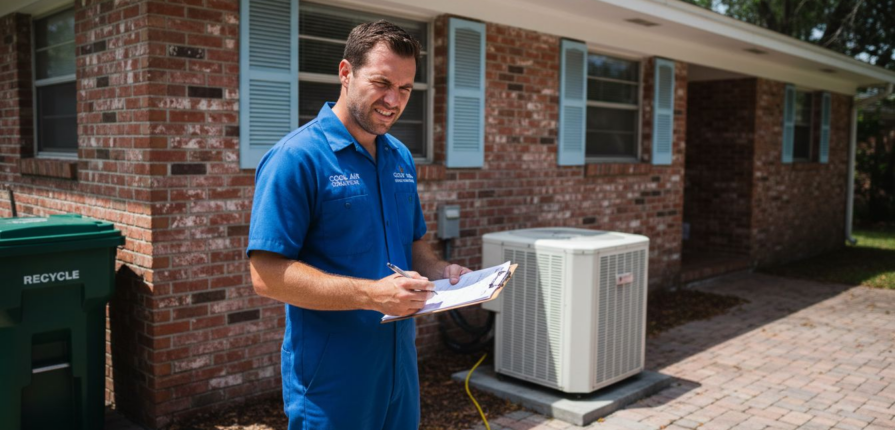
Modern HVAC upgrades can increase your home’s resale value by up to 10% while cutting energy bills significantly. In Central Florida’s hot, humid climate, your heating and cooling system isn’t just about comfort. It directly influences what buyers will pay, how appraisers value your property, and whether your home sells quickly or languishes on the market.
Table of Contents
- Understanding HVAC Systems And Property Value Basics
- Energy Efficiency And Property Value Boost
- Role Of HVAC Maintenance In Maintaining Value
- HVAC Systems And Home Appraisals
- Financial Incentives For HVAC Upgrades
- Choosing Between Maintenance And New Installation For Value
- Applying HVAC Insights To Central Florida Properties
- Optimize Your HVAC Investments With Lucas Air Conditioning And Heating
- Frequently Asked Questions
Key takeaways
| Point | Details |
|---|---|
| HVAC upgrades boost value | Modern systems raise home value by 5-10% and reduce monthly energy costs $50-$300. |
| Maintenance preserves investment | Regular tune-ups extend lifespan, prevent breakdowns, and increase buyer confidence. |
| Efficient systems attract buyers | 72% of buyers prioritize energy efficiency, often increasing offers 2-5%. |
| Incentives improve ROI | Federal credits and local rebates provide $300-$2,000 toward eco-friendly upgrades. |
| Replacement timing matters | Systems over 10-15 years old or homes selling soon benefit most from replacement. |
Understanding HVAC systems and property value basics
HVAC stands for heating, ventilation, and air conditioning. These three integrated components work together to regulate indoor temperature, humidity, and air quality in your home. Your furnace or heat pump handles heating, ductwork circulates conditioned air, and your air conditioner removes heat and moisture during Florida’s brutal summers.
In Central Florida, where temperatures regularly exceed 90°F with 70-80% humidity from May through September, your HVAC system runs harder and longer than in most U.S. regions. This constant demand makes system condition critical to home comfort and energy bills. A well-functioning unit keeps your family comfortable while controlling costs. A failing system creates hot spots, humidity problems, and utility bills that shock new homeowners.
Property value directly correlates with HVAC quality because buyers evaluate total ownership costs. They calculate monthly payments plus utilities, insurance, and anticipated repairs. An older, inefficient system signals higher operating costs and potential replacement expenses within a few years. Buyers either reduce their offers to cover these anticipated costs or simply move to homes with newer systems.
Key factors connecting HVAC to property value include:
- System age and remaining useful life
- Energy efficiency ratings and utility cost impact
- Maintenance history and documented service records
- Cooling capacity appropriate for home size and climate
- Modern features like programmable thermostats and zoning
Understanding why upgrade your HVAC system becomes essential when you’re preparing to sell or managing rental properties. Buyers recognize quality systems immediately during home tours. They notice consistent temperatures, quiet operation, and reasonable utility bills from sellers. These signals build confidence and justify higher offers.
Energy efficiency and property value boost
SEER (Seasonal Energy Efficiency Ratio) measures how efficiently your air conditioner converts electricity into cooling. Higher SEER ratings mean lower energy consumption for the same cooling output. Modern systems range from 14 SEER (minimum legal standard) to 25+ SEER for premium units.
Upgrading to high-SEER energy-efficient systems delivers measurable financial benefits. A 16 SEER system typically reduces cooling costs by $50-$150 monthly compared to an old 10 SEER unit in Central Florida. Over a year, that’s $600-$1,800 in savings. Premium 20+ SEER systems can save $150-$300 monthly in larger homes, justifying their higher upfront costs through rapid payback.
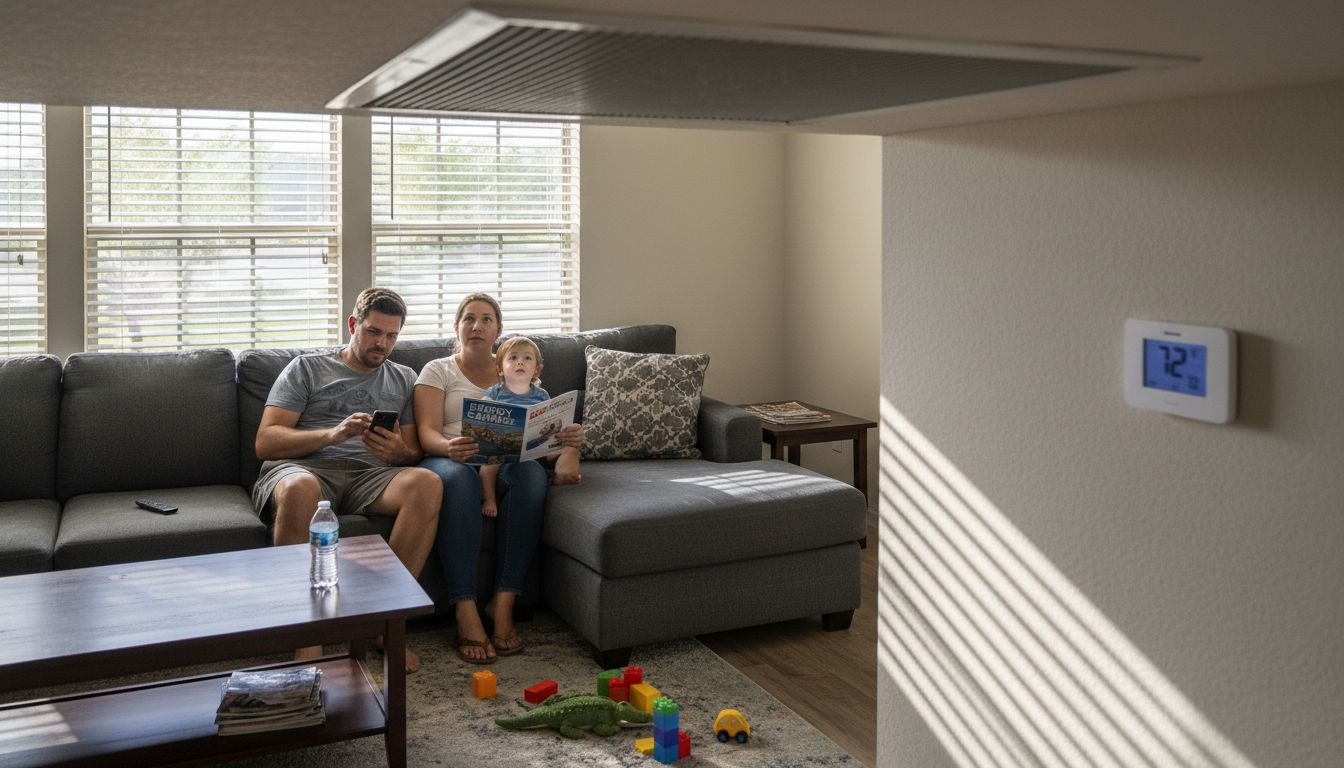
These savings translate directly into property value through two mechanisms. First, lower operating costs increase home affordability for buyers working with tight monthly budgets. Second, energy-efficient homes appeal to environmentally conscious buyers willing to pay premiums for sustainable features. Studies show 72% of homebuyers actively seek energy-efficient systems, and these buyers typically offer 2-5% more than comparable homes with standard equipment.
Efficiency Impact: Homes with high-SEER systems sell faster and command 5-10% higher prices in hot climates compared to similar properties with standard or outdated equipment.
The energy efficiency benefits of HVAC upgrades extend beyond immediate utility savings. Modern systems include:
- Variable-speed compressors that adjust output to match demand
- Smart thermostats learning your schedule and preferences
- Advanced filtration improving indoor air quality
- Quieter operation enhancing home comfort
- Longer warranties reducing ownership risk
In Florida’s climate, cooling represents 40-60% of annual energy costs. This makes HVAC efficiency the single most impactful upgrade for reducing utility bills. Buyers recognize this immediately when comparing monthly costs between properties. The energy efficiency impact on home value becomes undeniable when sellers can document lower bills and newer, efficient equipment.
Pro Tip: Request utility bills from the past 12 months when evaluating properties. Compare summer cooling costs between similar homes to identify efficient systems worth premium prices.
Role of HVAC maintenance in maintaining value
Regular HVAC maintenance preserves system efficiency and extends equipment lifespan from 10-15 years to 15-20+ years. Annual tune-ups cost $80-$150 but prevent $300-$2,000 emergency repairs by catching small problems early. This preventive approach saves thousands over system lifetime while maintaining peak performance.
Maintenance directly impacts property value by demonstrating responsible ownership. Buyers view documented service records as proof the system received proper care. This increases confidence and reduces perceived risk of immediate replacement costs. Homes with maintenance records typically sell faster and receive fewer repair requests during inspections.
Key maintenance activities preserving value include:
- Twice-yearly professional inspections and tune-ups
- Monthly air filter replacements maintaining airflow
- Cleaning condenser coils removing efficiency-robbing debris
- Checking refrigerant levels preventing compressor damage
- Inspecting ductwork for leaks wasting conditioned air
Skipping maintenance creates cascading problems. Dirty filters force systems to work harder, increasing energy bills 15-25% while reducing component life. Neglected refrigerant leaks damage compressors, triggering $1,500-$3,000 repairs. These deferred maintenance issues become obvious during buyer inspections, leading to reduced offers or failed sales.
The HVAC preventative maintenance guide details how consistent care preserves your investment. Think of maintenance like oil changes for your car. Small, regular investments prevent catastrophic failures requiring full replacements.
Pro Tip: Create a dedicated folder with all HVAC service records, receipts, and warranty documents. Present this during home sales to demonstrate system care and justify your asking price.
HVAC systems and home appraisals
Home appraisers evaluate HVAC systems as part of overall property condition. They consider multiple factors when determining how your system affects home value. System age carries significant weight because older units near the end of typical 10-15 year lifespans represent pending replacement costs buyers must absorb.
Appraisers review:
- Manufacturing date and remaining useful life
- Operational condition and current performance
- Efficiency ratings compared to modern standards
- Maintenance records indicating proper care
- Capacity appropriateness for home size
Older HVAC systems can reduce home value by $2,000-$5,000 because appraisers factor anticipated replacement costs into valuations. A 12-year-old system nearing replacement triggers this deduction even if still functioning. Conversely, new high-efficiency systems installed within the past 2-3 years add $3,000-$8,000 to appraised values by eliminating near-term replacement concerns.
Upgrading your HVAC before selling can recover 60-100% of installation costs through higher appraisals and faster sales. This math works because buyers pay more for move-in-ready homes avoiding immediate major expenses. Properties with new HVAC systems typically sell 15-30% faster than comparable homes with older equipment requiring replacement.
“Appraisers consistently cite HVAC condition as a critical factor affecting home valuations, with outdated systems triggering $2,000-$5,000 deductions while modern efficient units add comparable premiums.”
The HVAC appraisal impact insights reveal how this process works in Central Florida’s market. Appraisers use comparable sales data, but they adjust values based on condition differences between properties. Your HVAC system represents one of the largest single adjustments because replacement costs are substantial and performance directly affects livability.
Understanding HVAC impact on home appraisals helps you make informed upgrade decisions. If your system is 8+ years old and you’re selling within 1-2 years, replacement often pays for itself through higher sale prices and faster closes.
Financial incentives for HVAC upgrades
Federal and state incentives significantly improve HVAC upgrade economics. The Inflation Reduction Act extended through 2032 provides tax credits up to 30% of installation costs, capped at $2,000 for qualified energy-efficient systems. These credits apply to heat pumps, central air conditioners, and other equipment meeting efficiency standards.
Federal tax credits and utility rebates available in 2026 can provide $300-$2,000 toward eco-friendly HVAC upgrades. Central Florida utilities offer additional rebates for high-efficiency installations. Duke Energy provides $150-$400 rebates for 16+ SEER systems. OUC offers similar programs rewarding efficiency upgrades.
Combining multiple incentives dramatically reduces net costs:
- Federal tax credit: up to $2,000
- Utility rebates: $150-$400
- Manufacturer promotions: $200-$500
- Total potential savings: $2,350-$2,900
These incentives transform HVAC economics. A $6,000 system installation drops to $3,100-$3,650 after incentives, recovering costs faster through energy savings and property value gains.
| Incentive Type | Eligibility | Typical Amount | Application Process |
|---|---|---|---|
| Federal Tax Credit | 16+ SEER systems | Up to $2,000 | File Form 5695 with taxes |
| Duke Energy Rebate | 16+ SEER qualifying units | $150-$400 | Online application post-install |
| OUC Rebate | High-efficiency equipment | $200-$350 | Submit receipts and model numbers |
| Manufacturer Rebate | Specific brands/models | $200-$500 | Register purchase within 60 days |
The preventative maintenance agreement services often include guidance on available incentives and documentation support for applications. Professional contractors familiar with these programs ensure you maximize savings.
Research HVAC financial incentives 2026 before purchasing. Requirements change annually, and missing application deadlines costs you thousands in available credits. Most programs require installation before claiming, but pre-qualifying ensures equipment meets standards.
Choosing between maintenance and new installation for value
Homeowners face a critical decision: invest in maintaining existing equipment or replace with new efficient systems. This choice depends on system age, home plans, and market conditions. Understanding the tradeoffs helps maximize property value while managing costs.
Regular maintenance costs $200-$400 annually for twice-yearly tune-ups. This preserves existing systems, extends lifespan, and maintains efficiency. Maintenance makes sense for systems under 8 years old, rental properties, or homes you’ll occupy 5+ more years. The low annual cost prevents breakdowns while delaying major capital expenses.
Full replacement costs $4,000-$8,000 depending on system size and efficiency. This investment provides 15-20 years of reliable service, dramatically improved efficiency, and maximum property value impact. Replacement makes sense for systems over 10 years old, homes selling within 1-3 years, or when facing major repairs exceeding 50% of replacement cost.
| Factor | Maintenance Approach | Replacement Approach |
|---|---|---|
| Best for | Systems under 8 years | Systems 10+ years old |
| Annual cost | $200-$400 | $0 after installation |
| Property value impact | Preserves current value | Adds $3,000-$8,000 |
| Energy savings | Maintains current efficiency | Reduces bills 30-50% |
| Buyer appeal | Neutral to positive | Highly positive |
| Payback period | Immediate through avoided repairs | 3-7 years through savings |
Central Florida’s intense cooling demands favor energy-efficient replacements. Old systems running constantly in 95°F heat consume excessive electricity while struggling to maintain comfort. New variable-speed units adjust output precisely, reducing runtime and cutting bills substantially.
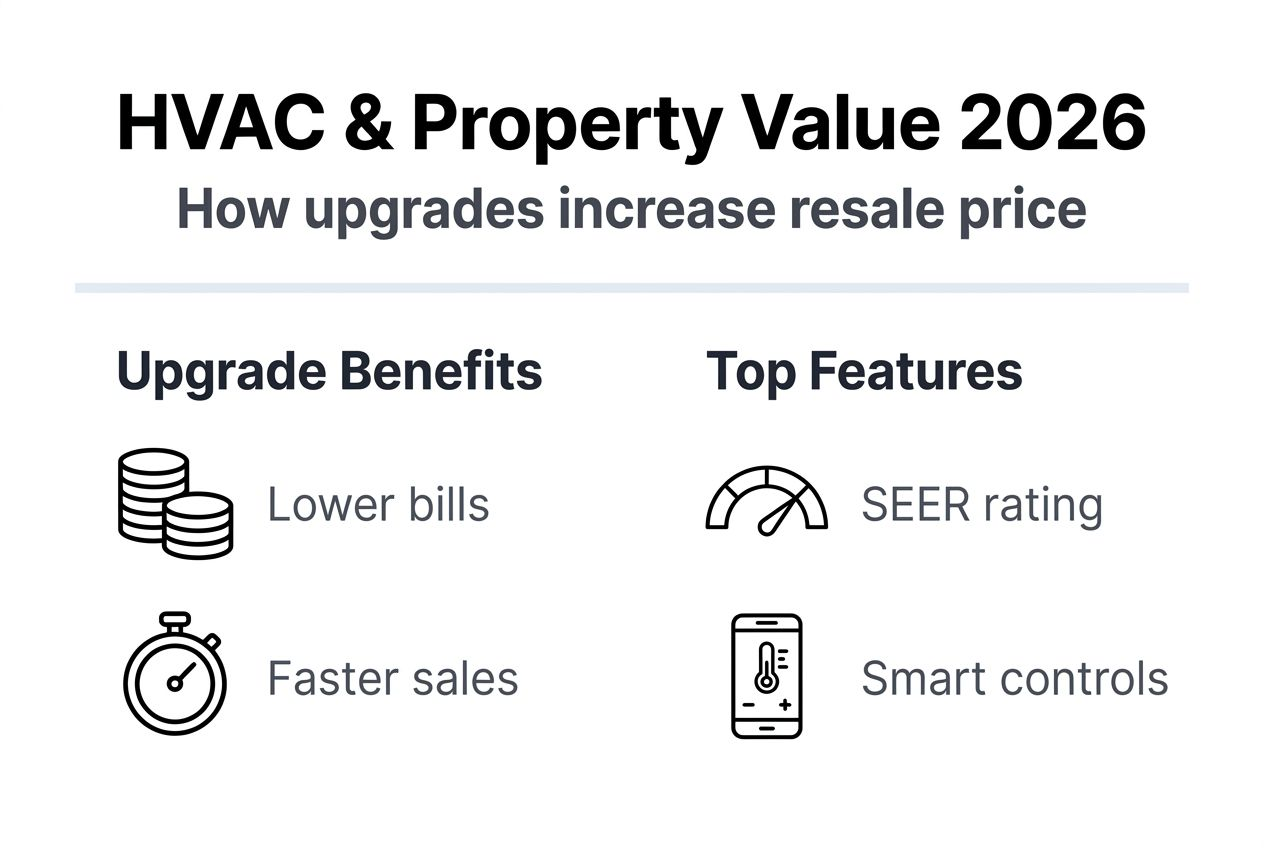
The HVAC maintenance versus replacement comparison shows how to evaluate your situation. Calculate remaining system life, anticipated repair costs, and your timeline. If selling soon, replacement delivers immediate value gains through higher offers and faster sales. If staying long-term, maintenance preserves your system until natural replacement timing.
Pro Tip: For homes listing within 1-3 years, mid-range 16 SEER systems offer the best return on investment. Premium 20+ SEER units cost more without proportional value gains unless targeting luxury buyers specifically seeking high-efficiency features.
Applying HVAC insights to Central Florida properties
Taking action on HVAC improvements requires a systematic approach tailored to Central Florida’s unique climate and market. Start by honestly assessing your current situation, then implement strategic upgrades maximizing property value and comfort.
- Assess your current system thoroughly. Note the installation date (check the manufacturer label on outdoor unit), SEER rating, and performance issues. Review utility bills identifying unusual cost spikes. Gather maintenance records showing service history. This baseline reveals whether maintenance or replacement makes financial sense.
- Research available incentives before purchasing. Visit the Database of State Incentives for Renewables & Efficiency website. Contact your utility company about current rebate programs. Confirm federal tax credit eligibility for equipment you’re considering. These incentives can cover 30-40% of upgrade costs.
- Consult qualified local professionals experienced with Central Florida conditions. Proper system sizing for our climate requires load calculations accounting for humidity, insulation, and sun exposure. Oversized or undersized equipment wastes energy and reduces comfort. Work with contractors providing detailed proposals, multiple equipment options, and transparent pricing.
- Document all improvements meticulously. Keep invoices, permits, warranties, and service records in dedicated folders. Take before and after photos. Create a summary sheet listing installation dates, equipment specifications, and efficiency ratings. This documentation justifies higher asking prices and accelerates buyer decisions.
Trusted contractors like the HVAC contractor in The Villages FL and HVAC contractor in Tavares FL understand local building codes, permitting requirements, and climate considerations. They provide honest assessments of repair versus replacement decisions based on your specific situation.
Pro Tip: Schedule HVAC evaluations during shoulder seasons (March-April or October-November) when contractors have more availability and often offer better pricing than peak summer months when AC failures create service backlogs.
Optimize your HVAC investments with Lucas Air Conditioning and Heating
Maximizing your property value through strategic HVAC improvements requires expert guidance and quality service. Lucas Air Conditioning and Heating brings over six years of Central Florida experience helping homeowners and property managers make informed decisions about system maintenance, upgrades, and replacements.
Our team understands how Florida’s demanding climate affects HVAC performance and home values. We provide comprehensive services including energy-efficient installations, system replacements, and preventive maintenance programs designed to preserve your investment. Whether you’re preparing to sell, managing rental properties, or planning long-term improvements, we deliver solutions maximizing comfort and property value.
Partner with a trusted HVAC contractor in The Villages FL or professional HVAC contractor in Tavares FL who prioritizes your property value goals. Our preventative maintenance agreement services ensure your system operates efficiently while building the documented service history buyers value during home sales.
Frequently asked questions
What HVAC features most influence home value in Central Florida?
High SEER ratings (16+) significantly boost value by reducing monthly cooling costs in our hot climate. Well-maintained systems with documented service records increase buyer confidence by demonstrating responsible ownership. Modern features like programmable thermostats, zoning capabilities, and quiet operation add appeal without requiring premium equipment.
How do HVAC tax credits and rebates affect upgrade decisions?
Federal tax credits providing up to $2,000 and local utility rebates of $150-$400 reduce net upgrade costs by 30-40%. These incentives improve payback periods from 7-10 years to 4-6 years through combined savings and value gains. The financial support makes efficiency upgrades accessible to more homeowners while increasing property marketability.
When should I replace my HVAC instead of maintaining it?
Replace systems over 10-15 years old, especially if facing repairs exceeding $1,500 or efficiency below 13 SEER. Homes selling within 1-3 years benefit most from replacement through higher offers and faster sales. Maintenance suits newer systems under 8 years old or properties you’ll occupy long-term where gradual efficiency decline remains acceptable.
How quickly can HVAC upgrades increase my home’s sale price?
New efficient systems typically add $3,000-$8,000 to appraised values immediately while reducing market time by 15-30%. The combination of higher offers and faster sales often recovers 60-100% of installation costs. Buyers particularly value recent upgrades (within 2-3 years) because they eliminate immediate replacement concerns and reduce ownership costs.
