
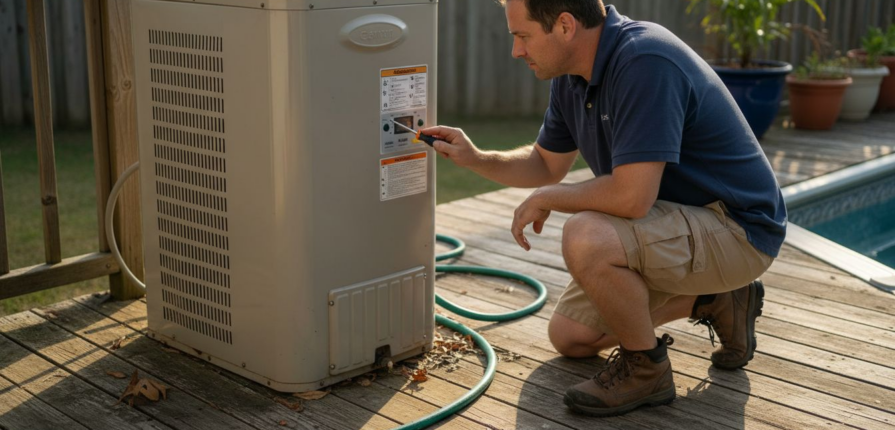
A chilly evening swim losing its comfort is a familiar frustration for many Central Florida pool owners, as heater issues disrupt both relaxation and energy budgets. When your pool’s temperature drops or your heater runs nonstop, understanding the difference between necessary repair and costly replacement becomes crucial. Backed by clear industry standards, expert pool heater repair restores efficiency and prevents unnecessary expenses, giving you both reliable warmth and peace of mind.
Table of Contents
- Pool Heater Repair Defined And Misconceptions
- Types Of Pool Heaters And Common Problems
- How Pool Heater Repair Works
- Signs A Pool Heater Needs Professional Repair
- Costs, Risks, And DIY Mistakes To Avoid
Key Takeaways
| Point | Details |
|---|---|
| Understanding Repairs | Pool heater repairs focus on diagnostics, component replacements, and recalibration to ensure optimal performance. |
| Professional Intervention | Engaging professional technicians is crucial to prevent safety hazards and costly mistakes from DIY attempts. |
| Warning Signs | Recognizing signs of distress, such as inconsistent temperatures and unusual noises, can prevent expensive repairs. |
| Maintenance Importance | Regular inspections and documentation of heater performance can identify problems early and maintain efficiency. |
Pool Heater Repair Defined and Misconceptions
Pool heater repair involves specialized technical work focused on restoring heating systems to optimal performance for residential and commercial swimming pools. Pool and spa industry standards establish clear guidelines that define what constitutes legitimate repair versus unnecessary replacement, helping homeowners make informed decisions about their pool equipment.
Understanding pool heater repair requires recognizing several critical distinctions. Most repairs fall into three primary categories:
- Diagnostic Assessment: Evaluating current system functionality
- Component Replacement: Swapping specific malfunctioning parts
- System Recalibration: Restoring operational efficiency
Common misconceptions often lead Central Florida pool owners to make costly mistakes. Many believe that any performance issue requires complete heater replacement, when in reality, targeted repairs can often resolve problems more economically. Professional technicians can typically address issues like:
- Inconsistent water temperature
- Reduced heating efficiency
- Strange noises during operation
- Visible corrosion or wear
- Unexpected energy consumption increases
Professional intervention is crucial because pool heaters involve complex electrical and gas systems that demand specialized knowledge. Attempting DIY repairs without proper training can potentially damage expensive equipment or create safety hazards.
Pool heater repairs require precise technical expertise and should never be treated as a casual home maintenance project.
Pro tip: Schedule annual professional inspections to catch potential issues before they escalate into major repair expenses.
Types of Pool Heaters and Common Problems
Pool heaters in Central Florida come in several distinct types, each with unique characteristics and potential performance challenges. Heat pump pool heaters represent a popular option that transfers heat from outdoor air to pool water, utilizing electricity for efficient operation.
The primary pool heater types include:
- Gas Heaters: Powered by natural gas or propane
- Electric Heaters: Direct electrical heating elements
- Heat Pump Heaters: Air-source heat transfer technology
- Solar Heaters: Renewable energy collection systems
Each heating system presents specific maintenance considerations. Gas heaters typically experience issues like:
- Pilot light malfunctions
- Gas valve deterioration
- Burner system inefficiencies
- Corrosion in heat exchanger components
Performance variations depend significantly on environmental conditions and system age. Solar pool heating systems can be particularly sensitive to climate and installation quality, requiring careful ongoing monitoring and maintenance.
Pool heating technology demands specialized understanding to ensure optimal performance and longevity.
Electrical and heat pump systems often encounter different challenges, including:
Here’s how the main pool heater types compare in efficiency, maintenance demands, and ideal usage scenarios:
| Heater Type | Efficiency Level | Maintenance Demands | Best Used In |
|---|---|---|---|
| Gas Heater | Fast heating, moderate | Regular inspection, cleaning | Cool climates, quick heat |
| Electric Heater | Consistent, lower output | Minimal, electrical checks | Small pools, steady use |
| Heat Pump | High, depends on air temp | Compressor and sensor care | Mild climates, energy saving |
| Solar Heater | Variable, weather-based | Panel monitoring, cleaning | Sunny regions, eco-friendly |
- Refrigerant level fluctuations
- Compressor electrical failures
- Thermal sensor inaccuracies
- Reduced efficiency in lower temperature conditions
Pro tip: Invest in annual professional diagnostics to identify potential heater issues before they escalate into costly repairs.
How Pool Heater Repair Works
Pool heater repair is a systematic process that requires specialized technical expertise to diagnose and resolve complex heating system issues. Pool heater repair protocols involve a comprehensive approach to identifying and addressing specific mechanical and electrical challenges.
The repair process typically follows a structured diagnostic methodology:
- Initial System Assessment
- Comprehensive Performance Evaluation
- Detailed Component Inspection
- Targeted Problem Resolution
- System Recalibration and Testing
Professional technicians focus on several critical diagnostic areas:
- Electrical system integrity
- Mechanical component functionality
- Refrigerant pressure and circulation
- Heat exchange efficiency
- Sensor and control mechanism accuracy
Safety standards and repair regulations play a crucial role in ensuring proper pool heater maintenance. Repair professionals must carefully navigate complex technical requirements while maintaining system performance and operational safety.
Effective pool heater repair demands precision, technical knowledge, and adherence to established safety protocols.
Typical repair interventions can include:
- Replacing faulty electrical components
- Cleaning and unclogging heat exchangers
- Repairing or replacing damaged gas valves
- Recalibrating temperature sensors
- Addressing refrigerant leaks
- Resolving electrical connection issues
Pro tip: Document every repair and maintenance action to track your pool heater’s performance history and anticipate potential future issues.
Signs a Pool Heater Needs Professional Repair
Pool heaters communicate their distress through various warning signals that Central Florida homeowners should never ignore. Professional diagnostic standards indicate several critical indicators suggesting immediate professional intervention is necessary.
The most urgent warning signs include:
- Inconsistent water temperature
- Unexplained energy bill spikes
- Unusual mechanical noises
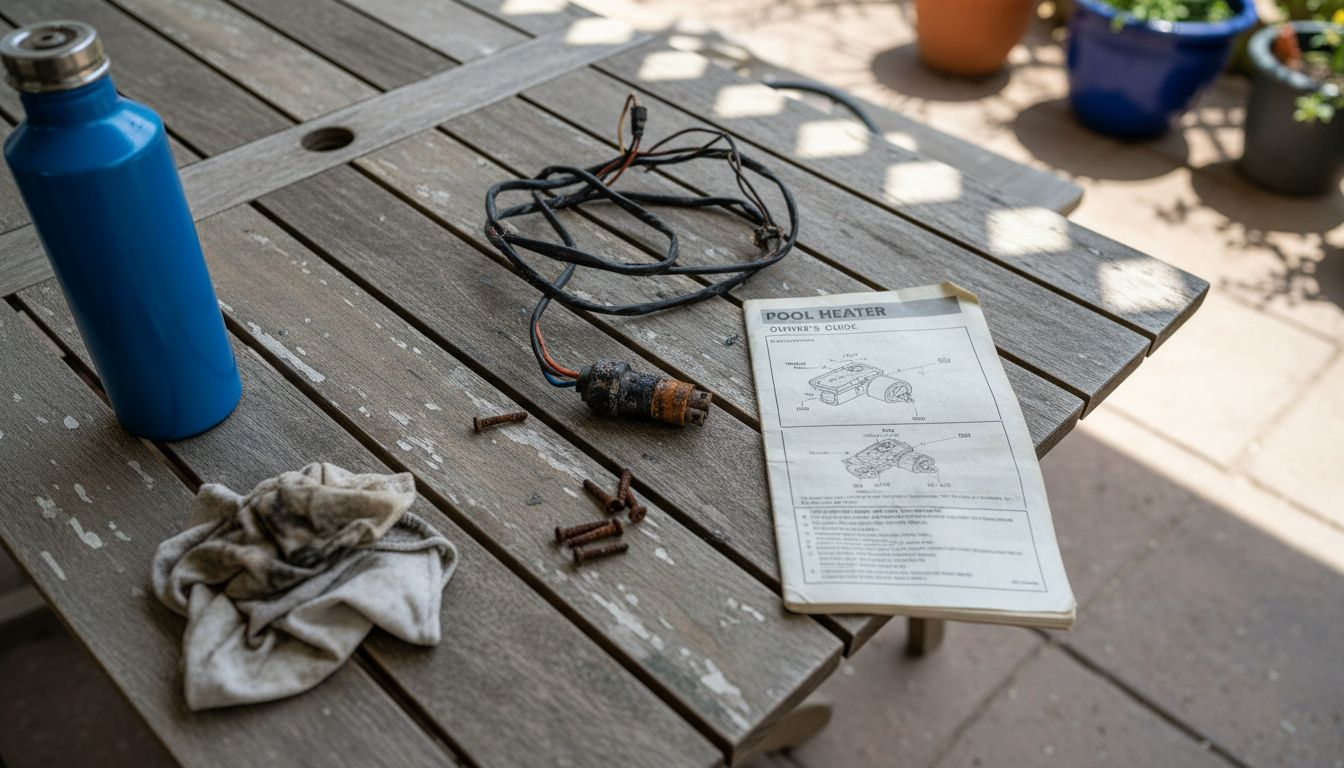
- Visible corrosion or physical damage
- Frequent system cycling
- Digital control error messages
Electrical warning signs demand particularly swift attention. Electrical system irregularities can represent serious safety risks beyond simple mechanical failures:
- Frequent circuit breaker tripping
- Exposed or loose wiring near the heater
- Burning electrical odors
- Intermittent power supply to the heater
- Visible sparking or electrical arcing
- Unexpected system shutdowns
Ignoring pool heater warning signs can transform minor repairs into expensive replacements.
Temperature-related performance issues often signal deeper mechanical problems. When your pool heater struggles to maintain consistent temperatures or requires significantly longer heating cycles, professional diagnostics become crucial.
Additional performance indicators include:
- Reduced heating efficiency
- Complete heating system failure
- Water temperature significantly below expected levels
- Unusual vibrations during operation
- Persistent pilot light problems
Pro tip: Keep a maintenance log documenting every unusual pool heater behavior to help technicians diagnose issues more quickly and accurately.
Costs, Risks, and DIY Mistakes to Avoid
Pool heater repairs involve complex technical challenges that can quickly transform minor issues into expensive problems. DIY repair risks extend far beyond simple mechanical complications, potentially compromising both equipment functionality and personal safety.
Common DIY mistakes that can lead to significant expenses include:
- Mishandling electrical components
- Improper refrigerant charging
- Neglecting manufacturer safety guidelines
- Using incorrect replacement parts
- Failing to understand system-specific requirements
- Bypassing manufacturer warranty conditions
Financial implications of DIY pool heater repairs can be substantial. Repair cost considerations vary widely depending on the specific issue and heater type:
- Minor part replacements: $50-$250
- Moderate repairs: $250-$750
- Major system repairs: $750-$1,500
- Complete heater replacement: $1,500-$5,000
Professional intervention can prevent costly mistakes that exponentially increase repair expenses.
Safety represents another critical concern with DIY pool heater repairs. Electrical systems, gas connections, and complex mechanical components require specialized knowledge to handle correctly. Inexperienced attempts can result in:
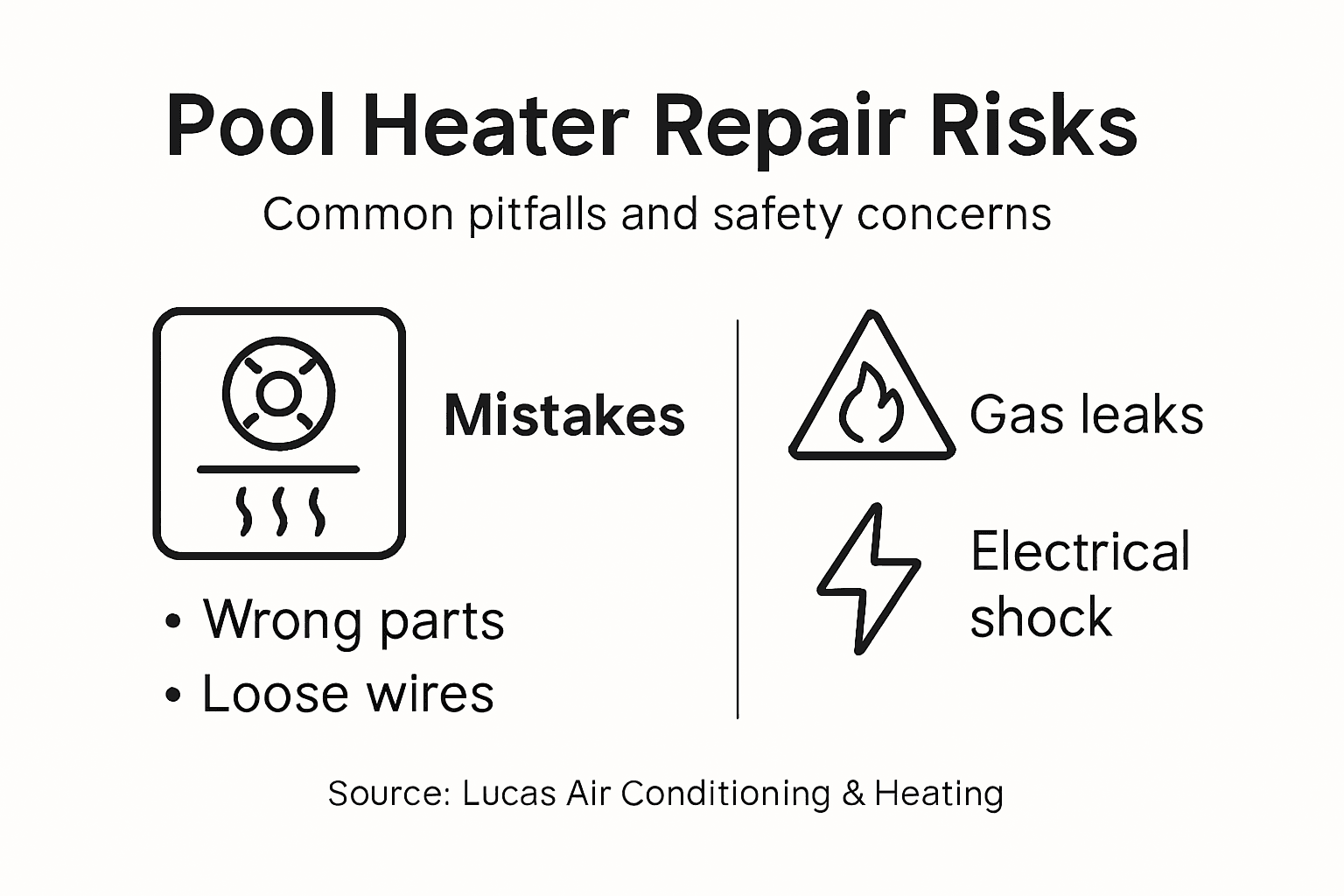
Below is a summary of risks and costs associated with pool heater repairs, highlighting why professional service is usually preferable:
| Risk/Cost Area | Potential DIY Impact | Professional Service Outcome |
|---|---|---|
| Electrical Hazards | High shock/injury risk | Safety practices strictly followed |
| Incorrect Part Replacement | Performance issues, damage | Warranty-safe parts used |
| Gas Leak Risks | Health/property threats | Leak detection and safe handling |
| Repair Cost Range | Unexpected high expenses | Transparent pricing and estimates |
- Personal injury risks
- Electrical shock potential
- Gas leak hazards
- System performance degradation
- Voided manufacturer warranties
- Potential property damage
Pro tip: Photograph and document any observed heater issues before calling a professional to help technicians diagnose problems more efficiently.
Protect Your Pool Comfort with Expert Heater Repair from Lucas Air Conditioning and Heating
Struggling with inconsistent water temperatures or rising energy bills from your pool heater can be frustrating and costly. If you notice unusual noises, visible wear, or frequent cycling, these are clear signs your pool heater deserves professional attention. At Lucas Air Conditioning and Heating, we understand the technical challenges of pool heater repair and deliver precise diagnostics and repairs to restore your system’s efficiency and reliability.
Don’t wait for minor issues to turn into expensive replacements. Take advantage of our Maintenance Archives to learn about regular upkeep and visit our Special Offers for January 2026 › Special Offers to see how you can save on pool heater services now. Serving Central Florida with expertise and veteran-owned dedication, Lucas Air Conditioning and Heating is your trusted partner in maximizing pool comfort. Schedule your professional pool heater repair today at https://lucasair.com and enjoy safe, efficient heating all year round.
Frequently Asked Questions
What are the common signs that my pool heater needs repair?
Common signs include inconsistent water temperature, unexplained spikes in energy bills, unusual mechanical noises, visible corrosion or physical damage, and frequent system cycling.
How can I differentiate between a minor repair and a major repair for my pool heater?
Minor repairs often involve component replacements or adjustments, such as changing a faulty electrical part, while major repairs typically involve significant system overhauls or replacements due to extensive damage.
What precautions should I take if I attempt DIY pool heater repairs?
If attempting DIY repairs, ensure you follow safety guidelines, use the correct replacement parts, and avoid handling electrical components without proper knowledge to prevent injury or further damage.
How does the efficiency of different types of pool heaters compare?
Gas heaters heat water quickly but have moderate efficiency, while electric heaters offer consistent output but lower efficiency. Heat pump heaters are energy-efficient but depend on air temperatures, and solar heaters are variable in efficiency based on weather conditions.
Recommended
- Pool Heater Repair – Lucas Air Conditioning and Heating
- Role of HVAC Systems – How Comfort and Efficiency Affect Florida Homes
- Services – Lucas Air Conditioning and Heating
- HURRY! This Offer Ends May 30, 2018! – Lucas Air Conditioning and Heating
- Waarom energiebesparing essentieel is voor huiseigenaren – Holland Electric Duurzaam
- 7 Types of Residential Renovations Every Homeowner Should Know
