
TL;DR:
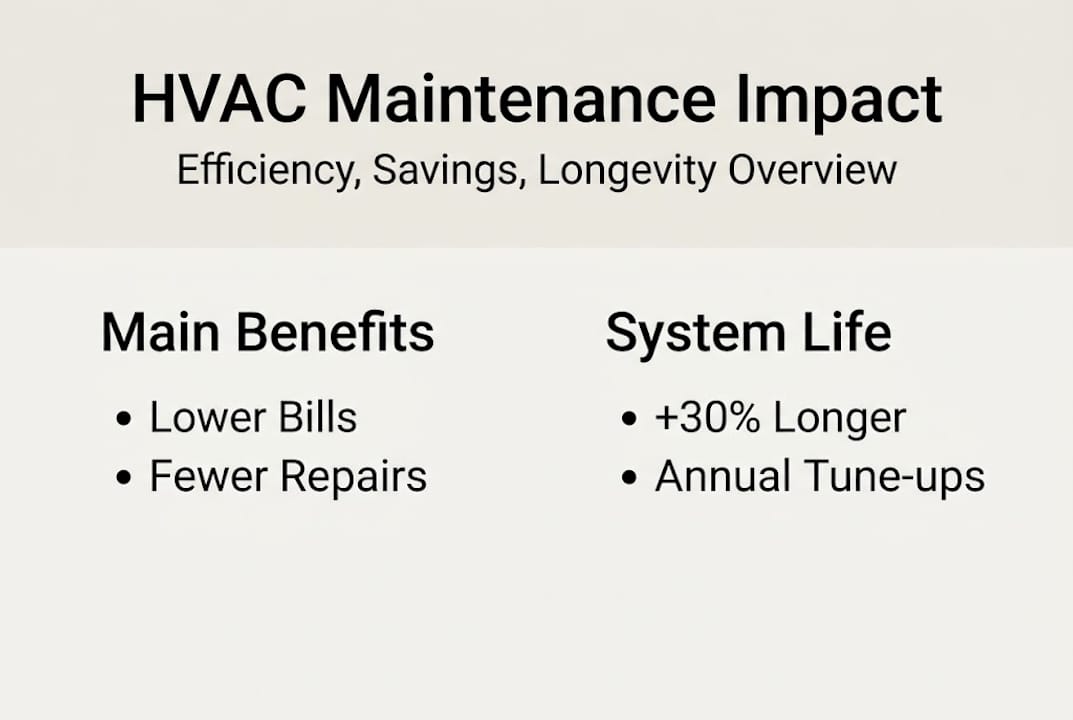
- Preventative HVAC maintenance can cut emergencies by up to 65% and extend system life by 30-40%.
- Regular service tasks improve energy efficiency, indoor air quality, and reduce costly repairs.
- Florida homeowners should schedule two seasonal tune-ups annually to maintain system performance.
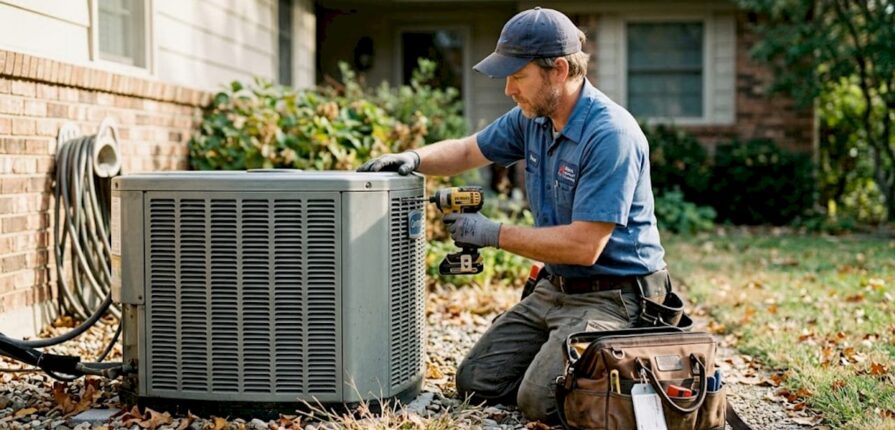
Most Central Florida homeowners and business owners wait until their HVAC system breaks down before calling anyone. That approach costs far more than you might expect. Preventative maintenance can cut emergencies by up to 65% and extend system life by 30-40%, yet the majority of people skip routine service until something goes wrong. This guide breaks down exactly what preventative maintenance involves, why the numbers make it a no-brainer, and how to put a practical plan in place for your home or business right here in Central Florida.
Table of Contents
- What is preventative maintenance for HVAC?
- Key benefits: Efficiency, savings, and system longevity
- Preventative vs. predictive vs. reactive maintenance
- Implementing preventative maintenance in Central Florida
- A fresh perspective: Why proactive HVAC care beats the status quo
- Take the next step with professional HVAC preventative care
- Frequently asked questions
Key Takeaways
| Point | Details |
|---|---|
| Major cost savings | Preventative HVAC maintenance cuts energy use, repair bills, and costly emergencies dramatically. |
| Longer system life | Routine maintenance can extend HVAC lifespan up to 10 years over reactive care. |
| Best ROI strategy | Proactive maintenance offers the highest return—and is easier to implement than high-tech predictive systems for most owners. |
| Central Florida specifics | Local climate means more frequent checks and expert guidance are essential for system reliability. |
What is preventative maintenance for HVAC?
Preventative maintenance means scheduling regular, planned service tasks before problems show up, not after. It is the opposite of reactive maintenance, where you call a technician only when the system fails. A third approach, predictive maintenance, uses sensors and data to anticipate failures, but that requires specialized equipment most homes and small businesses do not have.
For most owners, preventative maintenance is the practical middle ground. It keeps your system running efficiently, catches small issues before they become expensive failures, and gives you a clear record of your equipment’s health. According to expert maintenance insights, the most effective programs combine scheduled tasks with consistent documentation.
Here is what a standard preventative maintenance visit typically covers:
- Air filter inspection and replacement
- Evaporator and condenser coil cleaning
- Refrigerant level check and leak inspection
- Electrical connection tightening and voltage testing
- Thermostat calibration and control verification
- Drain line flushing to prevent clogs and water damage
- Blower motor and belt inspection for wear
These tasks sound simple, but skipping even one can lead to reduced airflow, higher energy bills, or a full system failure on the hottest day of the year. A solid HVAC maintenance guide walks you through what to expect from each visit and how to prepare your home or business.
The value of routine over as-needed service is measurable. Preventative maintenance reduces energy usage by 5-20% and can cut maintenance costs in half compared to reactive-only approaches. That is not a small number when you factor in Florida’s long cooling season and the constant demand placed on your system.
Pro Tip: Keep a simple log of every maintenance visit, including the date, tasks completed, and any parts replaced. This record helps your technician spot patterns, supports warranty claims, and maximizes your return on every service dollar.
Using the 7-step HVAC checklist as a reference between professional visits helps you stay on top of the basics and catch anything unusual early.
Key benefits: Efficiency, savings, and system longevity
Now that preventative maintenance is clearly defined, the numbers behind it are even more compelling. This is where the real case gets made.
Energy savings are the most immediate benefit. When coils are dirty or filters are clogged, your system works harder to move the same amount of air. Clean coils boost airflow by 10-46% and save 30-40% on fan energy. That directly reduces your monthly utility bill without changing anything about how you use your system.
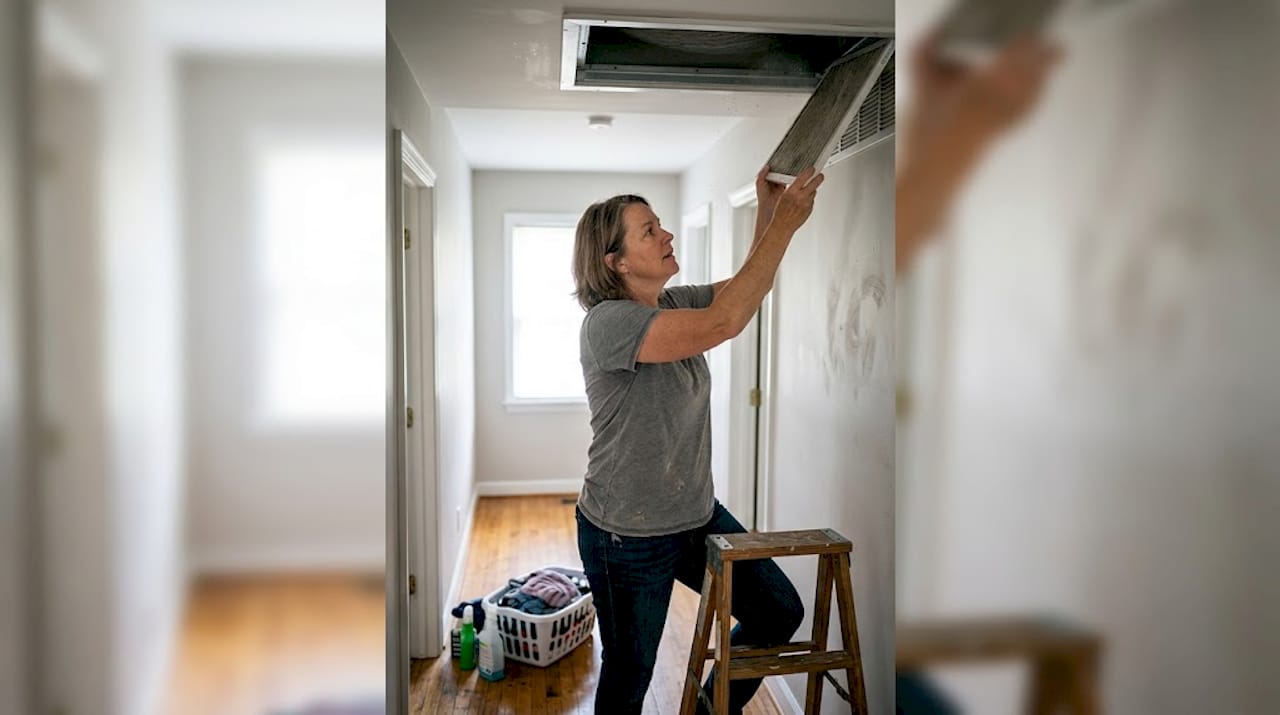
System lifespan is the longer-term payoff. HVAC units that receive consistent preventative maintenance typically last 15-22 years. Units that are only serviced reactively often fail within 10-12 years. That is a difference of up to a decade of useful life from the same equipment.
| Metric | With preventative maintenance | Without preventative maintenance |
|---|---|---|
| Average system lifespan | 15-22 years | 10-12 years |
| Energy cost reduction | 5-20% annually | Baseline |
| Emergency breakdown rate | Reduced by up to 65% | Full risk exposure |
| Repair cost comparison | Planned service baseline | 3-9x higher reactive cost |
| Airflow improvement | 10-46% with clean coils | Degraded over time |
“Reactive repairs cost 3-9 times more than planned preventative service. For most owners, that gap alone justifies the investment in a regular maintenance schedule.” Preventative vs. reactive costs
Beyond cost, there are comfort and air quality benefits that matter just as much for daily life:
- Consistent indoor temperatures with fewer hot or cold spots
- Cleaner air due to properly maintained filters and coils
- Lower risk of unexpected outages during Florida’s peak summer heat
- Reduced humidity fluctuations, which matter a great deal in Central Florida
- Quieter system operation as worn components are caught early
For business owners, an unexpected HVAC failure is not just uncomfortable. It can disrupt operations, affect customers, and create liability concerns. Exploring maintenance agreement options is one of the most practical steps a business can take to protect both equipment and operations.
Residential owners benefit just as much. A well-maintained system keeps your family comfortable year-round and protects one of the largest mechanical investments in your home. Pairing a seasonal tune-up guide with a professional agreement gives you the best of both worlds.
Preventative vs. predictive vs. reactive maintenance
Understanding where preventative maintenance fits among other service strategies helps you make smarter decisions for your specific situation.
| Strategy | How it works | Best for | Cost profile |
|---|---|---|---|
| Reactive | Service only after failure | Very old systems near end of life | High per-incident cost |
| Preventative | Scheduled tasks on a regular cycle | Most homes and small businesses | Moderate, predictable cost |
| Predictive | Sensors and data monitor system health | Large commercial buildings with budget | Higher upfront, lower long-term |
Reactive maintenance is the default for many owners, but it is the most expensive strategy over time. You pay full emergency rates, risk collateral damage from a failed component, and often face longer wait times during peak seasons.
Predictive maintenance is genuinely impressive technology. Machine learning and sensor networks can detect early signs of failure before any human would notice. However, predictive maintenance saves an extra 8-12% over preventive but requires robust data infrastructure that most homes and small businesses simply do not have in place.
Here is how to think through which strategy fits your situation:
- System age under 5 years: Preventative maintenance is ideal. The system is in good shape and routine care keeps it that way.
- System age 5-15 years: Preventative maintenance is essential. Components are wearing and early detection matters most.
- System age over 15 years: Evaluate whether upgrading HVAC systems makes more financial sense than continued reactive repairs.
- Commercial property with multiple units: Consider a hybrid approach where preventative schedules are layered with basic monitoring.
For the vast majority of Central Florida homes and businesses, preventative maintenance delivers the best return on investment without requiring any special technology or infrastructure. It also plays a central HVAC role in home comfort that goes beyond just temperature control.
Pro Tip: If your system is between 8 and 12 years old, align your maintenance strategy with your budget now. A well-maintained 10-year-old unit can easily reach 20 years. A neglected one may not make it to 15.
For deeper guidance on structuring a maintenance program, maintenance best practices outlines how to balance frequency, task scope, and documentation for maximum results.
Implementing preventative maintenance in Central Florida
Central Florida’s climate is not average. High humidity, intense heat from April through October, and year-round system demand mean your HVAC works harder than units in most other parts of the country. That demands a maintenance approach built for these conditions.
Here is what an effective preventative maintenance plan looks like for this region:
- Filter changes every 30-60 days during peak cooling season, not the standard 90-day recommendation used in cooler climates
- Coil cleaning twice a year to combat the dust, pollen, and humidity that build up faster here
- Drain line flushing every visit because Florida’s humidity makes clogged condensate lines one of the most common service calls
- Refrigerant checks annually to catch slow leaks before efficiency drops noticeably
- Electrical and capacitor inspection every spring before the heavy cooling season starts
- Outdoor unit clearing after storms and during pollen season, which runs longer here than in northern states
Timing matters. Spring tune-ups, ideally in March or April, prepare your system for the brutal summer ahead. Fall tune-ups in October or November catch any wear from the heavy season and prepare the system for the milder winter months. These two visits per year are the minimum for Central Florida conditions.
Stat callout: PM compliance above 95% and keeping over 80% of work planned rather than reactive yields the maximum savings and reliability from any maintenance program.
For detailed inspection criteria specific to this area, the HVAC inspection details page covers what a thorough local checkup should include. You can also stay current on seasonal advice through HVAC tips that are relevant to Florida conditions.
Pro Tip: A maintenance agreement with a trusted local provider removes the guesswork entirely. You get scheduled visits, priority service, and often discounted repair rates, all without having to remember to call every season.
A fresh perspective: Why proactive HVAC care beats the status quo
There is a lot of excitement right now around smart thermostats, AI-driven diagnostics, and predictive maintenance platforms. We follow that technology closely. But here is the honest truth from years of working with Central Florida homeowners and businesses: most people are not failing because they lack sensors. They are failing because they skip the basics.
The seasonal tune-up perspective we share with every customer comes down to one idea: discipline beats technology for most owners. A $200 twice-yearly maintenance visit prevents a $3,000 emergency repair more reliably than any app or sensor that never gets properly set up or monitored.
Predictive maintenance will eventually be practical for residential use. We are not there yet for most homes. In the meantime, the owners who protect their systems and their budgets are the ones who commit to a schedule and stick to it. No shortcuts, no waiting for the warning light. Just consistent, planned care. That is the real competitive advantage available to any owner right now, regardless of budget or system age. Browse HVAC tips for more real-world guidance built around how Florida systems actually perform.
Take the next step with professional HVAC preventative care
Putting a preventative maintenance plan in place does not have to be complicated. Lucas Air Conditioning and Heating works with homeowners and businesses across Central Florida to build service schedules that match your system, your budget, and Florida’s demanding climate.
Our preventative maintenance agreement covers the full range of tasks your system needs, with priority scheduling and no surprise costs. Whether you are protecting a family home or keeping a commercial property running smoothly, the homeowner’s PM guide is a great starting point to understand what to expect. If your system is aging or you are considering an upgrade, explore residential and commercial installation options to see what a new, efficient system could mean for your long-term costs. Reach out today and let us build a plan that works for you.
Frequently asked questions
How much money can preventative HVAC maintenance save?
Preventative HVAC maintenance can reduce energy use by 5-20% annually and helps you avoid emergency repairs that run 3-9 times more expensive than planned service visits.
Is preventative or predictive maintenance better for homes?
For most homes, preventative maintenance offers the best value and return on investment. Predictive saves 8-12% more than preventive but requires sensors and data monitoring that most residential properties do not have.
How often should Florida homeowners schedule HVAC preventative maintenance?
Florida homeowners should schedule at least two visits per year. Seasonal tune-ups in spring and fall maximize efficiency and catch wear from both the heavy summer cooling season and the milder winter months.
What’s included in a typical HVAC preventative maintenance service?
A standard visit covers filter changes, coil cleaning, refrigerant checks, electrical inspections, drain line flushing, and thermostat calibration. These routine inspections and cleanings keep your system running efficiently and catch problems before they grow.
Does preventative HVAC maintenance help indoor air quality?
Yes. Clean filters and coils mean better airflow and fewer airborne pollutants circulating through your home or business. Cleaning coils boosts airflow by 10-46%, which directly supports healthier indoor air quality year-round.
Recommended
- Essential HVAC Preventative Maintenance Guide for Homeowners
- HVAC Tips & News Archives – Lucas Air Conditioning and Heating
- 7 Steps to a Complete Home HVAC Maintenance Checklist
- Why Upgrade HVAC Systems: Comfort and Cost Benefits
- Fűtési rendszer tisztítás: mikor kell? – Kazán szerelő Kecskemét, Kazán szerviz Kecskemét, Kazáncsere Kecskemét
