

Sweltering afternoons and muggy nights in Central Florida can leave any Eustis homeowner searching for relief indoors. Managing heat, humidity, and air quality is not just about comfort, it is also about health and keeping monthly bills in check. Understanding how HVAC systems create a balanced home environment unlocks reliable solutions for families and veterans aiming for year-round comfort and lower utility costs. Efficient climate regulation and smart air quality control are more achievable than you might expect.
Table of Contents
- How HVAC Systems Regulate Home Environments
- Key Types of Home HVAC Solutions
- Indoor Air Quality and Comfort Factors
- Energy Efficiency and Cost-Saving Insights
- Maintenance Needs for Optimal System Performance
- Regional Challenges for Florida Homeowners
Key Takeaways
| Point | Details |
|---|---|
| HVAC System Functions | HVAC systems regulate temperature, humidity, and air quality to maintain indoor comfort and health. Utilizing advanced technologies, they provide consistent environmental control. |
| Home HVAC Types | Key HVAC solutions include central systems for whole homes, split systems for zoning, and ductless mini-splits for targeted areas, catering to diverse residential needs. |
| Indoor Air Quality | Managing humidity and air quality is critical, with advanced filtration systems and regular maintenance essential to prevent health issues in humid climates like Florida. |
| Energy Efficiency | Upgrading to energy-efficient HVAC systems can reduce energy costs significantly, with strategies like smart thermostats and proper insulation offering substantial savings. |
How HVAC Systems Regulate Home Environments
HVAC systems are sophisticated technology designed to create precise indoor comfort by regulating multiple environmental factors simultaneously. These complex systems work through integrated components that manage temperature, humidity, and air quality with remarkable precision. HVAC systems control indoor air exchange and climate conditions to maintain consistent home environments that support human health and comfort.
The primary mechanisms of home environment regulation involve three fundamental processes: heating, cooling, and ventilation. Heating components like furnaces or heat pumps generate warmth during cooler months, while air conditioning units remove heat and moisture during Florida’s intense summers. Ventilation systems continuously circulate and refresh indoor air, removing stale atmosphere and introducing filtered external air. This continuous exchange prevents potential indoor air quality issues such as excess humidity, allergen accumulation, and temperature stratification.
Modern HVAC systems utilize advanced sensors and smart technologies to create dynamic climate control. Programmable thermostats can detect minute temperature variations and adjust system output accordingly, maintaining a consistent indoor temperature within fractions of a degree. These intelligent systems also manage humidity levels, typically keeping indoor relative humidity between 30% and 50%, which prevents mold growth, reduces dust mite populations, and creates a more comfortable living environment.
Pro tip: Install a programmable thermostat to optimize your HVAC system’s performance and reduce energy consumption by automatically adjusting temperatures based on your daily schedule.
Key Types of Home HVAC Solutions
Home HVAC solutions are diverse and designed to meet specific residential comfort needs. Key home HVAC system configurations range from compact single-unit systems to comprehensive central heating and cooling networks. The primary categories include central systems, packaged units, split systems, and specialized solutions tailored to different home layouts and climate requirements.
Central HVAC systems represent the most comprehensive solution for whole-home climate control. These systems typically feature a central air handler connected to ductwork that distributes conditioned air throughout the home. In Florida’s warm climate, central air conditioning with heat pump functionality provides efficient cooling and supplemental heating during occasional cooler periods. Split systems offer flexibility for homes with unique architectural constraints, allowing individual zone temperature management and more targeted cooling and heating.
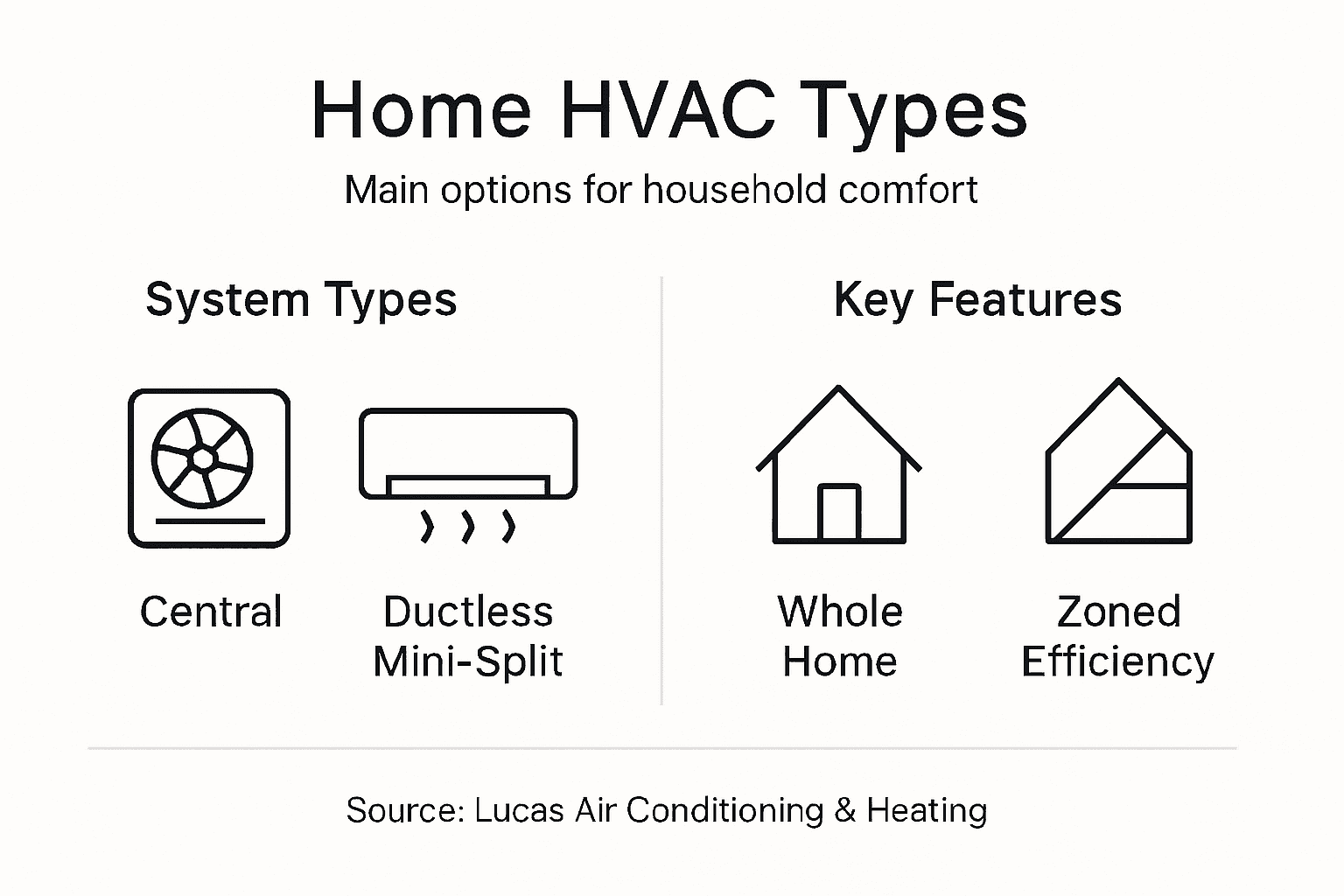
Specialized HVAC solutions like ductless mini-split systems have gained popularity among homeowners seeking energy-efficient alternatives. These systems provide individualized temperature control for specific rooms or areas, making them ideal for home additions, sunrooms, or spaces with limited ductwork. Heat pump technologies continue to evolve, offering both heating and cooling capabilities with improved energy efficiency compared to traditional furnace and air conditioning setups. Comprehensive HVAC system design considerations emphasize the importance of matching system capabilities to specific home requirements.
Here’s a summary of key residential HVAC system types used in Florida:
| System Type | Coverage Area | Unique Advantage | Best For |
|---|---|---|---|
| Central System | Whole house | Uniform temperature control | Large homes, open layouts |
| Split System | Multiple zones | Tailored room-by-room comfort | Homes with architectural constraints |
| Ductless Mini-Split | Selected rooms | High energy efficiency | Additions, sunrooms, retrofits |
| Packaged Unit | Small to medium | Easy installation | Homes with limited space |
Pro tip: Consult with a professional HVAC technician to assess your home’s specific layout and climate needs before selecting a system to ensure optimal comfort and energy efficiency.
Indoor Air Quality and Comfort Factors
Indoor air quality represents a critical component of home comfort that directly impacts health and well-being. Indoor air pollutants significantly affect respiratory health and can create long-term challenges for homeowners. In Florida’s humid environment, managing indoor air quality becomes even more complex, requiring strategic approaches to control moisture, filter contaminants, and maintain optimal living conditions.
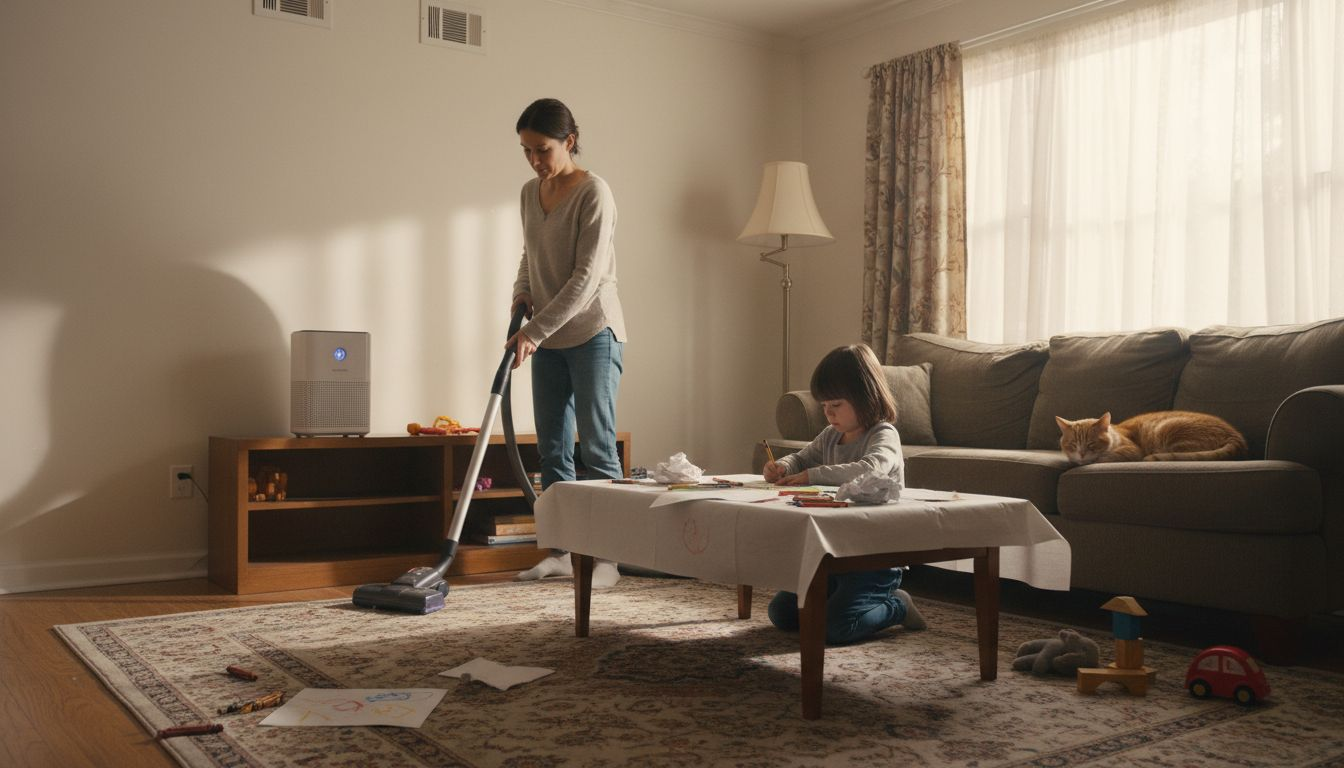
The primary factors influencing indoor air quality include humidity levels, ventilation effectiveness, and air filtration capabilities. Humidity in Central Florida typically ranges between 60% and 90%, creating an environment prone to mold growth and dust mite proliferation. Modern HVAC systems combat these challenges through advanced filtration technologies, including high-efficiency particulate air (HEPA) filters, ultraviolet light purification, and humidity control mechanisms that maintain indoor relative humidity between 30% and 50%.
Comprehensive indoor air quality management involves more than mechanical filtration. Homeowners must consider multiple strategies such as regular HVAC maintenance, proper ventilation, minimizing indoor chemical emissions, and selecting appropriate air filtration systems. Specific interventions like using low-VOC cleaning products, maintaining consistent HVAC filter replacements, and ensuring proper ductwork can dramatically improve overall indoor environmental quality. Emerging technologies like smart air quality monitors provide real-time tracking of particulate matter, carbon dioxide levels, and potential pollutant sources.
Below is a comparison of advanced air filtration technologies found in modern HVAC systems:
| Filtration Technology | Particles Targeted | Maintenance Needs | Added Health Benefit |
|---|---|---|---|
| HEPA Filters | Dust, pollen, smoke | Replace every 6 months | Reduces allergens |
| UV Light Purifiers | Microbes, bacteria | Replace bulbs annually | Minimizes airborne diseases |
| Activated Carbon | Odors, chemicals | Replace every 3-6 months | Limits chemical irritants |
Pro tip: Conduct a professional indoor air quality assessment annually to identify potential hidden pollutant sources and optimize your HVAC system’s filtration capabilities.
Energy Efficiency and Cost-Saving Insights
HVAC energy efficiency represents a critical strategy for Florida homeowners seeking to reduce utility expenses and environmental impact. Energy efficiency strategies significantly reduce operational costs by minimizing electricity consumption and implementing smart technological solutions. In Central Florida’s demanding climate, where air conditioning operates nearly year-round, implementing energy-saving techniques can translate into substantial financial savings.
Modern HVAC technologies offer multiple pathways to improve energy performance. Programmable and smart thermostats can automatically adjust temperature settings, reducing unnecessary cooling during unoccupied hours. Variable-speed air handlers and high-efficiency heat pumps represent advanced solutions that consume less electricity while maintaining consistent indoor comfort. Homeowners can expect potential energy savings ranging from 20% to 40% by upgrading to contemporary, energy-efficient HVAC systems designed to optimize performance and minimize power consumption.
Global energy efficiency trends highlight technological innovations that enable smarter, more responsive home climate control. Advanced systems now incorporate machine learning algorithms that predict optimal temperature settings based on occupancy patterns, weather conditions, and individual preferences. Additional strategies like proper insulation, regular HVAC maintenance, and strategic use of ceiling fans can complement system efficiency, creating a comprehensive approach to reducing energy expenditure and environmental footprint.
Pro tip: Schedule a professional energy audit to identify specific opportunities for improving your HVAC system’s efficiency and reducing monthly utility expenses.
Maintenance Needs for Optimal System Performance
HVAC system maintenance is a critical strategy for ensuring long-term performance, efficiency, and reliability in Florida’s challenging climate. Preventive maintenance reduces unexpected system failures and helps homeowners avoid costly emergency repairs. Regular maintenance becomes especially crucial in Central Florida, where high humidity and constant air conditioning usage place significant stress on HVAC equipment.
A comprehensive maintenance strategy involves multiple key components. Quarterly and annual inspections should include cleaning air filters, checking refrigerant levels, examining electrical connections, lubricating moving parts, and inspecting ductwork for potential leaks or damage. Homeowners should replace air filters every 1-3 months, depending on usage and environmental conditions. Professional technicians can perform more complex tasks like calibrating thermostats, testing system performance, and identifying potential wear and tear before it leads to major system failures.
HVAC maintenance standards provide critical performance guidelines that help ensure system efficiency and longevity. Advanced diagnostic tools now allow technicians to conduct detailed assessments of system performance, identifying potential issues before they become significant problems. These assessments can include thermal imaging to detect electrical irregularities, vibration analysis to check mechanical components, and comprehensive system efficiency testing. By following manufacturer recommendations and professional maintenance standards, homeowners can extend their HVAC system’s lifespan by 30% to 50% while maintaining optimal performance.
Pro tip: Create a maintenance calendar and set digital reminders to track your HVAC system’s service needs, ensuring consistent and timely professional inspections.
Regional Challenges for Florida Homeowners
Tropical climate conditions create unique HVAC challenges for Florida homeowners, demanding specialized approach and understanding. Indoor air quality challenges impact home environments significantly, with high humidity and temperature extremes placing extraordinary stress on residential cooling systems. Central Florida’s subtropical environment requires homeowners to develop strategic approaches to maintain comfortable, healthy indoor spaces.
The region’s environmental conditions necessitate robust HVAC solutions that address multiple complex factors. Humidity levels consistently above 60% create ideal conditions for mold growth, dust mite proliferation, and potential microbial contamination. Advanced HVAC systems must incorporate enhanced moisture control, high-efficiency filtration, and specialized dehumidification capabilities to combat these environmental challenges. Corrosion resistance becomes particularly critical, with salt-laden air and high moisture levels accelerating equipment degradation.
Florida Building Code establishes strict HVAC installation requirements that reflect the state’s demanding climate conditions. Minimum efficiency ratings, known as Seasonal Energy Efficiency Ratio (SEER) standards, mandate higher performance levels compared to many other regions. Homeowners must select systems with appropriate SEER ratings, typically 14 or higher, to ensure optimal performance and energy efficiency. Additional considerations include selecting equipment with robust moisture control features, corrosion-resistant components, and advanced filtration technologies specifically designed for Florida’s unique environmental conditions.
Pro tip: Invest in HVAC systems with humidity control features and schedule bi-annual professional inspections to address region-specific environmental challenges.
Enhance Your Home Comfort with Expert HVAC Solutions from Lucas Air Conditioning and Heating
The article highlights the vital role of HVAC systems in managing home comfort through precise temperature control, humidity regulation, and improved indoor air quality. Many homeowners face challenges like Florida’s high humidity, frequent system maintenance needs, and energy efficiency concerns. If you are looking to overcome these common issues and ensure your home stays comfortable year-round Lucas Air Conditioning and Heating has the expertise and local knowledge to help. With a strong focus on maintenance, airflow, and tailored system upgrades, we understand how critical it is to match your HVAC system exactly to your home’s unique environment and layout.
Take control of your indoor comfort today by exploring our professional maintenance services to keep your system running efficiently and our ventilation solutions designed to improve your air quality and humidity control. Don’t miss out on current savings through our special offers available now. Visit us at https://lucasair.com to schedule a consultation and experience worry-free climate control tailored for Central Florida homeowners.
Frequently Asked Questions
What are the main functions of HVAC systems in homes?
HVAC systems regulate home environments by controlling heating, cooling, and ventilation to maintain comfortable indoor temperatures and air quality.
How does humidity affect indoor air quality, and how can HVAC systems help?
High indoor humidity can lead to mold growth and dust mites. HVAC systems equipped with humidity control features can maintain humidity levels between 30% and 50%, improving air quality and comfort.
What are the different types of HVAC systems available for residential use?
Key types of HVAC systems include central systems for whole-home control, split systems for zoned comfort, ductless mini-split systems for energy-efficient room control, and packaged units for compact spaces.
How can homeowners improve the energy efficiency of their HVAC systems?
Homeowners can enhance energy efficiency by using programmable thermostats, scheduling regular maintenance, upgrading to high-efficiency systems, and improving home insulation. These strategies can significantly reduce energy consumption and lower utility costs.
Recommended
- Why Upgrade HVAC Systems: Comfort and Cost Benefits
- Landing Page for HVAC Financing – Lucas Air Conditioning and Heating
- What Is Commercial HVAC and Its Impact on Business
- Why Upgrade Your HVAC System for Florida Homes
- Home Security: Protecting Your Family and Property – A To Z Locksmith Inc
- Preventive Pest Services: Complete Guide for Ohio Homes
- HVAC Contractor Eustis FL
- Air Conditioning Installation Eustis FL
