
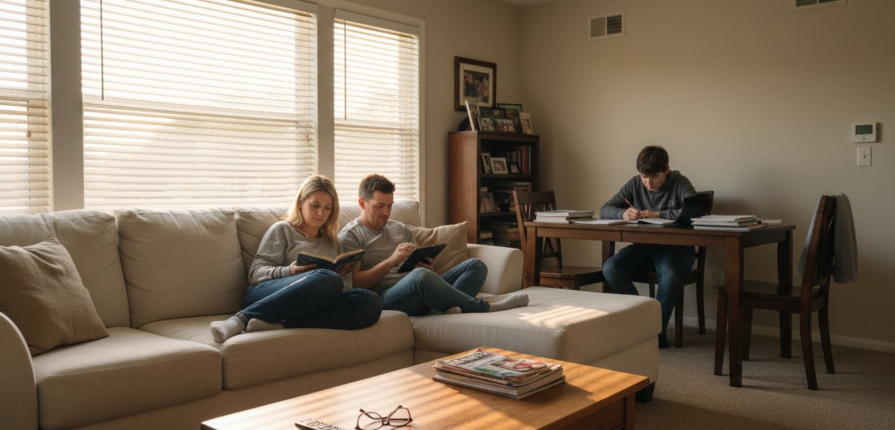
If your Central Florida home feels like a patchwork of hot and cold rooms, you’re not alone. HVAC zoning can reduce cooling costs by up to 40% compared to traditional single-zone systems. This guide explains how zoning works, breaks down the real savings, and helps you decide if it’s the right investment for your property.
Table of Contents
- Understanding HVAC Zoning: What It Is And How It Works
- The Benefits Of HVAC Zoning For Comfort And Energy Efficiency
- Common Misconceptions About HVAC Zoning
- Comparing HVAC Zoning To Traditional HVAC Systems
- Is HVAC Zoning Right For Your Central Florida Property?
- Maintaining Your HVAC Zoning System For Long-Term Performance
- Learn More About HVAC Zoning With Lucas Air Conditioning And Heating
- Frequently Asked Questions About HVAC Zoning
Key takeaways
| Point | Details |
|---|---|
| Zoning divides your home | HVAC zoning creates independently controlled temperature zones for customized comfort. |
| Energy savings range 15-40% | Proper design and usage deliver measurable reductions in cooling costs. |
| Maintenance is critical | Neglecting upkeep can erase efficiency gains and increase energy use by 20%. |
| Typical costs and payback | Installation runs $2,000-$5,000 with payback periods of 3-5 years. |
| Perfect for Central Florida | High cooling loads and humidity make zoning especially effective in this region. |
Understanding HVAC zoning: what it is and how it works
HVAC zoning divides your building into multiple thermal zones, each with independent temperature control. Instead of one thermostat dictating comfort for your entire home, each zone gets its own thermostat and customized settings.
The system relies on three main components: motorized dampers, zone thermostats, and control panels. Motorized dampers sit inside your ductwork and open or close to regulate airflow to specific zones. When a zone thermostat calls for cooling, the control panel signals the appropriate dampers to open while keeping others closed.
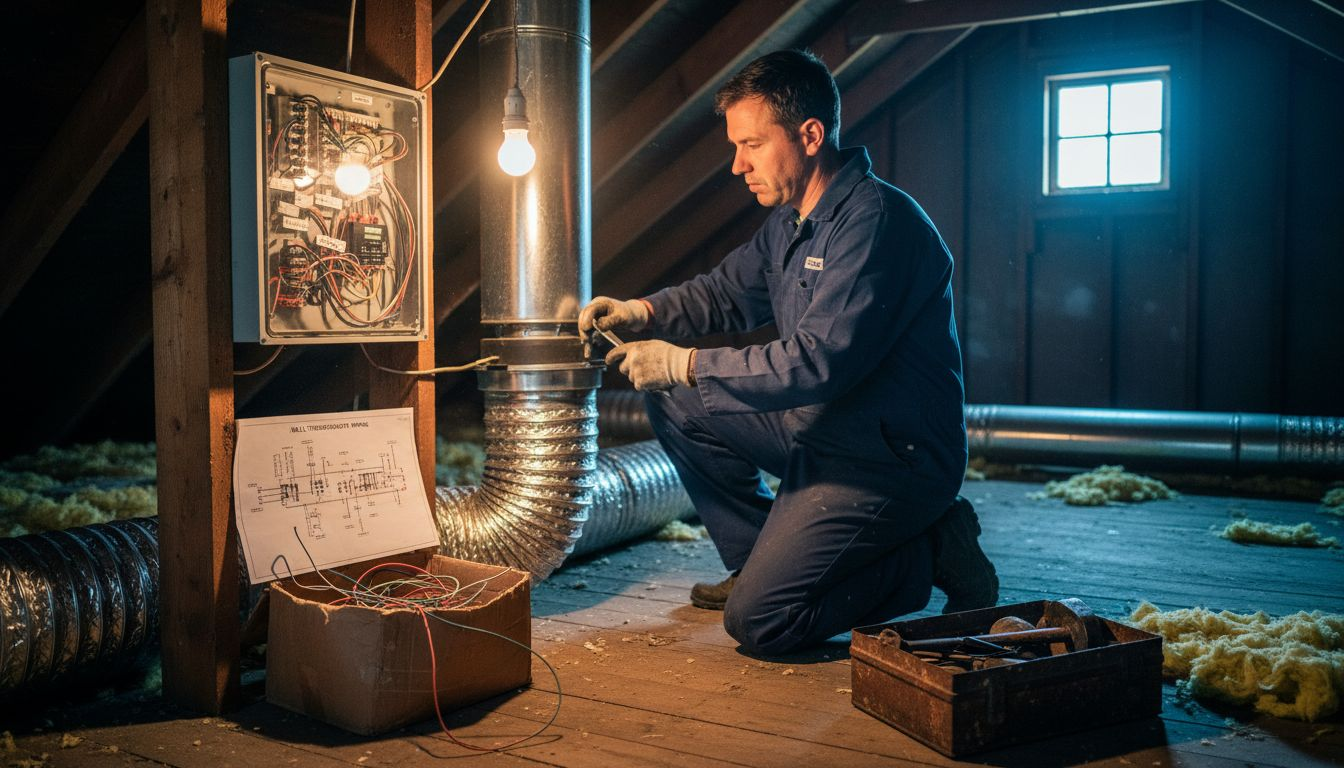
Most Central Florida homes use 2-6 zones depending on square footage and layout. A typical setup might include separate zones for bedrooms, living areas, and less-used spaces like guest rooms or home offices.
Here’s how the operational cycle works:
- Zone thermostat detects temperature deviation from setpoint
- Control panel receives the call for cooling or heating
- Motorized dampers adjust to direct airflow to the requesting zone
- System runs until zone reaches desired temperature
- Dampers close to prevent overcooling and wasted energy
This tailored approach means you’re only conditioning spaces when and where you need it. No more cooling empty rooms or fighting thermostat wars with family members who prefer different temperatures.
The benefits of HVAC zoning for comfort and energy efficiency
Zoning transforms how you experience comfort in your home. Each family member can set their preferred temperature in their space without affecting others. The master bedroom stays cool while the living room maintains a warmer setting during the day.
Energy consumption drops 15-40% compared to single-zone HVAC systems when properly designed and used. You achieve this by avoiding the waste of conditioning unoccupied rooms and reducing runtime when only small areas need cooling.
Central Florida’s humid climate makes humidity control a major comfort factor. Zoning systems provide better dehumidification because they can run longer in specific zones without overcooling other areas. This extended runtime allows your system to remove more moisture from the air.
Cooling load peaks reduce by up to 30% with zoning in humid climates like ours. By staggering when different zones call for cooling, you spread energy demand throughout the day instead of hitting peak usage all at once.
Key efficiency gains include:
- Eliminating overcooling of unused bedrooms during daytime hours
- Reducing cooling in living spaces overnight when everyone’s asleep
- Preventing energy waste from trying to maintain one temperature across varying sun exposure
- Lowering strain on your HVAC equipment by reducing simultaneous demands
The combination of precise control and reduced waste translates directly to lower utility bills. Many homeowners see monthly savings of $40-$80 during peak cooling season.
Common misconceptions about HVAC zoning
Many homeowners believe HVAC zoning automatically delivers massive savings regardless of how it’s installed or used. The truth is more nuanced. Savings depend heavily on proper system design and how occupants actually use the zones.
Another widespread myth claims zoning systems are maintenance-free. In reality, regular upkeep of dampers, thermostats, and sensors is essential to preserve efficiency. Skipping maintenance can actually increase energy use instead of reducing it.
Some think only large commercial buildings or mansions benefit from zoning. Central Florida homes of all sizes gain advantages, especially those with varying room usage patterns, multiple stories, or significant sun exposure differences.
Here are the facts behind common misconceptions:
- Myth: Any HVAC contractor can add zoning to existing systems without issues
- Reality: Poor integration with undersized equipment creates comfort problems and wastes energy
- Myth: More zones always mean better efficiency
- Reality: Oversized zone counts complicate controls and increase installation costs without proportional benefits
- Myth: You can close all vents in unused rooms for the same effect
- Reality: Closing vents increases pressure in ductwork and strains your system, potentially causing damage
Pro Tip: Set realistic expectations by calculating potential savings based on your actual room usage patterns before installation. Track which spaces you rarely condition and estimate the square footage you could exclude from cooling cycles.
Understanding these realities helps you make informed decisions and avoid common upgrade mistakes that disappoint homeowners.
Comparing HVAC zoning to traditional HVAC systems
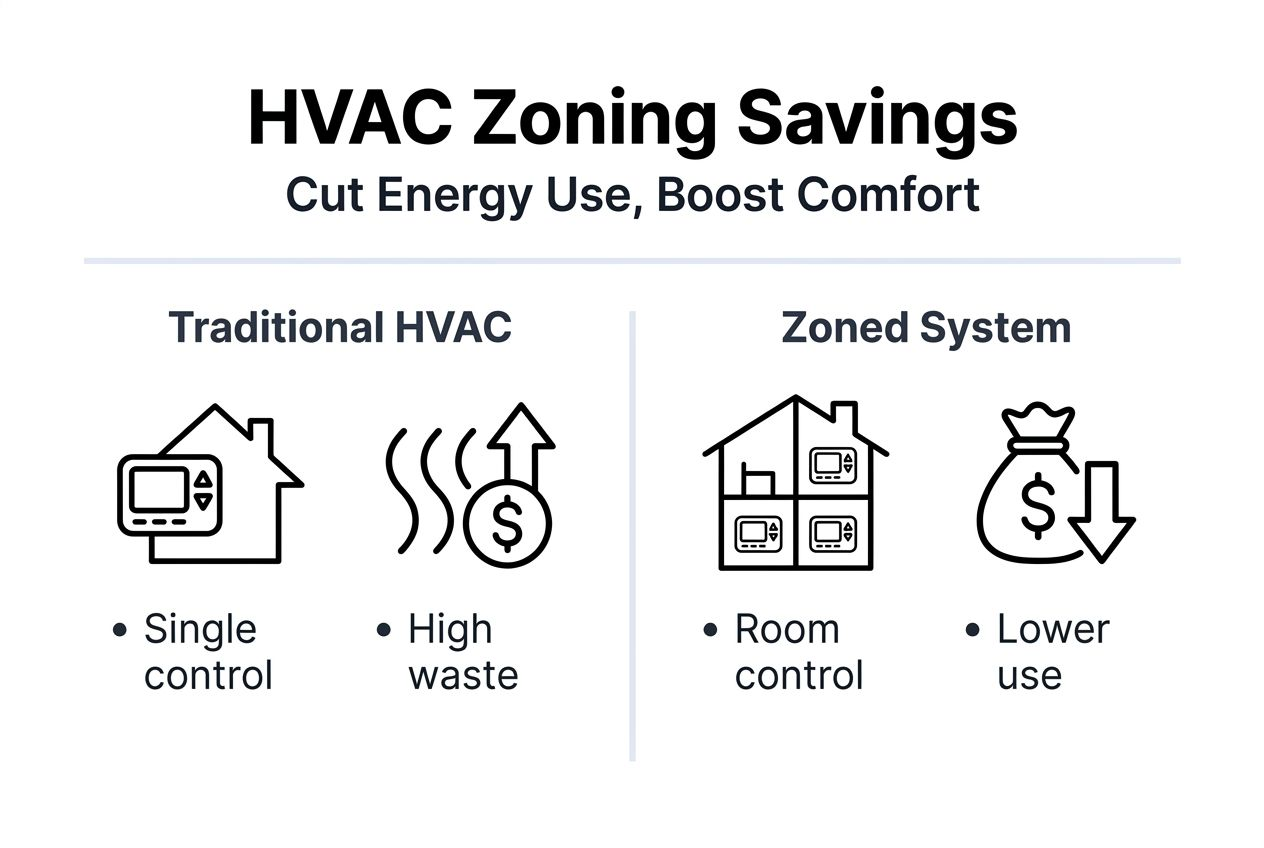
Traditional single-zone HVAC uses one thermostat to control temperature for your entire home. When that thermostat calls for cooling, the system runs at full capacity until the setpoint is reached, regardless of actual comfort needs in individual rooms.
Zoning systems use multiple thermostats and motorized dampers to create independent control areas. This fundamental difference changes how efficiently your HVAC equipment operates and how comfortable each room feels.
| Feature | Single-Zone HVAC | Zoned HVAC |
|---|---|---|
| Control points | One thermostat for entire home | Multiple thermostats per zone |
| Energy efficiency | Baseline consumption | 20-40% reduction possible |
| Comfort consistency | Hot/cold spots common | Balanced temperatures throughout |
| Initial cost | Lower upfront investment | $2,000-$5,000 additional |
| Flexibility | All-or-nothing operation | Condition only active spaces |
| Maintenance needs | Standard filter and coil service | Plus damper inspection and calibration |
The efficiency improvement of 20-40% comes from eliminating wasted cooling in unoccupied zones. In a traditional setup, cooling your bedroom at 3 PM means also cooling empty living areas, hallways, and guest rooms.
Zoning provides precise comfort control that single-zone systems can’t match. Temperature preferences vary by person and activity. The living room might need 74°F during movie night while the home office works better at 70°F during the day.
Key operational differences:
- Single-zone systems cycle on and off based on one location’s temperature
- Zoned systems run longer at lower capacity, improving dehumidification
- Traditional HVAC creates pressure imbalances when you close vents manually
- Proper zoning maintains balanced airflow through engineered damper control
The higher initial cost of zoning typically pays back through energy savings within 3-5 years. After payback, the monthly savings continue for the life of the system.
Is HVAC zoning right for your Central Florida property?
Determining if zoning fits your needs requires evaluating several property-specific factors. Start by assessing your home’s size and layout. Properties over 2,000 square feet with multiple stories or wings benefit most from independent zone control.
Examine your occupancy patterns carefully. Do you use all rooms equally throughout the day? Homes with unused spaces during work hours, separate living and sleeping schedules, or seasonal guest rooms are ideal candidates for zoning.
Budget considerations matter. Installation costs typically range from $2,000 for basic two-zone systems to $5,000+ for comprehensive multi-zone setups. Factor in your current monthly cooling costs to calculate potential savings and payback timeline.
Central Florida’s climate characteristics strongly favor zoning. Cooling load peaks can be reduced by up to 30% in our humid environment because zoning allows extended runtime for better dehumidification without overcooling.
Use this evaluation checklist:
- Calculate square footage of regularly unused spaces in your home
- Identify rooms with different sun exposure or insulation levels
- Note temperature preference conflicts among household members
- Review 12 months of utility bills to establish baseline cooling costs
- Get quotes from qualified contractors for properly sized zoning systems
Properties that gain maximum value from zoning include:
- Two-story homes where upper floors run significantly warmer
- Homes with finished basements used only occasionally
- Properties with large great rooms and separate bedroom wings
- Houses with home offices or craft rooms used during limited hours
- Vacation properties or homes with frequent out-of-town travel
The typical payback period of 3-5 years means you’ll recover installation costs through energy savings relatively quickly. Understanding your specific cooling demands helps predict your actual return on investment.
Maintaining your HVAC zoning system for long-term performance
Regular maintenance preserves the efficiency gains and comfort benefits you invested in. Zoning systems require attention to dampers, thermostats, and control panels in addition to standard HVAC service.
Schedule professional inspections twice yearly, ideally before peak cooling and heating seasons. Technicians should check damper operation, verify thermostat calibration, clean sensors, and test control panel programming.
Neglecting damper and thermostat maintenance can increase energy consumption by up to 20%. Stuck dampers force your system to condition zones unnecessarily or create pressure imbalances that strain equipment.
Critical maintenance tasks include:
- Inspecting damper motors for smooth operation and proper opening/closing
- Cleaning thermostat sensors to ensure accurate temperature readings
- Testing zone controller programming to verify correct responses
- Checking damper seals for air leaks that waste conditioned air
- Verifying proper airflow balance across all zones when dampers operate
Pro Tip: Create a maintenance calendar synced to your phone that reminds you of seasonal service needs. Schedule inspections in March before cooling season and October before heating season to catch issues before they impact comfort or efficiency.
Timely maintenance extends system lifespan by reducing wear on components. Motors that struggle against stuck dampers or systems fighting pressure imbalances experience accelerated failure.
Between professional visits, homeowners should:
- Test each zone monthly to confirm thermostats trigger proper responses
- Replace air filters according to manufacturer schedules
- Listen for unusual sounds like dampers struggling to move
- Note any zones that seem slower to reach temperature setpoints
Your preventative maintenance investment protects the larger zoning system investment and ensures you continue realizing energy savings. Consider maintenance agreements that include zoning-specific service to simplify scheduling and potentially reduce costs.
Follow this home HVAC maintenance checklist to stay on top of routine tasks between professional service calls.
Learn more about HVAC zoning with Lucas Air Conditioning and Heating
Ready to explore how HVAC zoning can transform comfort and efficiency in your Central Florida home? Lucas Air Conditioning and Heating brings expert system design and installation to properties throughout the region.
Our experienced technicians assess your home’s layout, usage patterns, and existing HVAC equipment to design zoning solutions that deliver real results. We serve homeowners in The Villages, Tavares, Eustis, and surrounding communities with the same dedication to quality that earned our reputation.
We don’t just install zoning systems and disappear. Our preventative maintenance plans keep dampers operating smoothly, thermostats calibrated accurately, and your entire system running efficiently year after year.
Whether you need a trusted HVAC contractor in The Villages or want to explore our full range of HVAC services, we’re here to help you make informed decisions about your comfort and energy costs.
Frequently asked questions about HVAC zoning
What is HVAC zoning and how does it work?
HVAC zoning divides your home into separate temperature-controlled areas using motorized dampers in your ductwork and individual thermostats for each zone. When a zone calls for cooling, dampers open to direct airflow there while keeping other dampers closed to prevent conditioning unoccupied spaces.
How much can I save on energy costs with zoning?
Properly designed and used zoning systems reduce energy consumption by 15-40% compared to traditional single-zone HVAC. Actual savings depend on your home’s size, how many zones you create, and how consistently you avoid conditioning unused spaces.
Does zoning require special maintenance compared to traditional HVAC?
Yes, zoning adds maintenance requirements beyond standard HVAC service. You need regular damper inspections, thermostat calibration checks, and control panel testing to maintain efficiency. Neglecting these tasks can increase energy use by up to 20% and reduce comfort.
Is HVAC zoning suitable for smaller homes in Central Florida?
Smaller homes can benefit from zoning if they have distinct usage patterns or comfort needs. A 1,500 square foot home with unused guest rooms or a home office used only during work hours may see significant savings from a two-zone system.
How long does it take to recoup the installation costs through savings?
Typical payback periods range from 3-5 years depending on installation costs, your baseline energy consumption, and how effectively you use the zones. Homes with higher cooling costs and more unused spaces during the day recover costs faster.
