
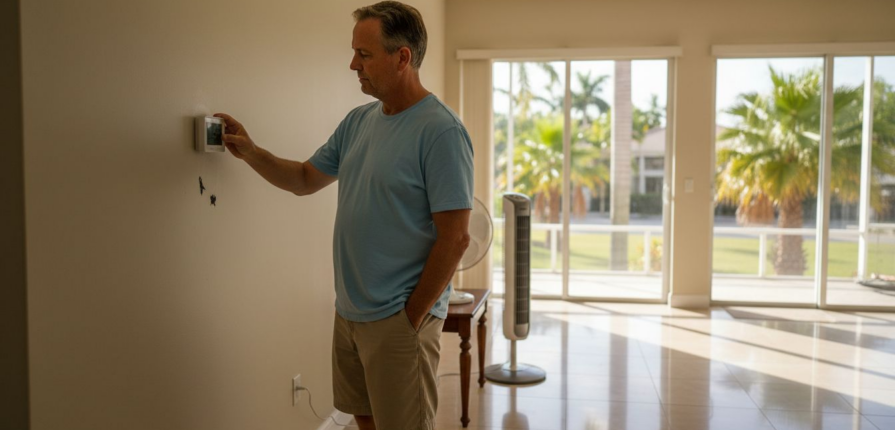
Central Florida homeowners face some of the nation’s highest cooling costs, with HVAC systems running nearly year-round in our hot, humid climate. The good news? Strategic HVAC improvements can slash your energy bills by up to 30% while improving comfort. This guide covers proven, climate-specific tips from thermostat optimization to system upgrades, plus local rebates that make efficiency affordable.
Table of Contents
- How To Choose Energy-Saving HVAC Tips: Key Selection Criteria
- Optimizing Thermostat Settings For Maximum Energy Savings
- Scheduled HVAC Maintenance Benefits
- Duct Sealing And Cleaning Impact On Efficiency And Comfort
- System Upgrades And Energy Efficiency Ratings
- Local Incentives And Financing Options For HVAC Efficiency
- Summary Comparison And Situational Recommendations
- Get Professional HVAC Help For Energy Savings In Central Florida
- Frequently Asked Questions
Key takeaways
| Point | Details |
|---|---|
| Thermostat optimization | Setting your thermostat to 78°F when home balances comfort with significant energy savings in Florida’s climate. |
| Regular maintenance | Changing filters every 1 to 3 months and scheduling professional tune-ups boosts efficiency up to 15%. |
| Duct sealing impact | Properly sealed ductwork prevents up to 20% of cooling cost waste from conditioned air loss. |
| High-SEER upgrades | Systems rated SEER 16 or higher can reduce energy consumption up to 30% compared to older units. |
| Local rebate programs | Florida utilities offer rebates up to $500 for qualifying high-efficiency HVAC equipment and smart thermostats. |
How to choose energy-saving HVAC tips: key selection criteria
Not all energy-saving strategies deliver equal value for Central Florida homes. Choosing the right combination depends on understanding which factors matter most for your situation and budget.
Energy efficiency impact should guide your decisions. Focus on measures that deliver measurable reductions in kilowatt-hours and monthly bills. A strategy that saves 5% won’t justify major expense, but one cutting costs 20% or more deserves serious consideration.
Balance implementation cost against long-term savings. Low-cost improvements like filter changes and thermostat adjustments offer immediate returns. Bigger investments like system upgrades require calculating payback periods, typically 5 to 10 years for high-SEER replacements.
Central Florida’s climate demands special attention to humidity control. Standard efficiency advice from northern climates often misses this critical factor. Your HVAC must remove moisture effectively while cooling, or you’ll sacrifice comfort despite lower energy use. The role of HVAC systems in Florida homes extends beyond temperature to managing year-round humidity.
Consider practical implementation factors:
- Ease of installation and whether you need professional help
- Ongoing maintenance requirements and costs
- Compatibility with your existing HVAC equipment
- Time investment for DIY versus professional service
- Warranty protection and long-term reliability
Compatibility with existing systems prevents expensive mistakes. Adding a smart thermostat to an incompatible heat pump wastes money. Upgrading to variable-speed air handlers may require new ductwork. Always verify equipment specifications before committing to upgrades.
Pro Tip: Start with low-cost, high-impact improvements like thermostat optimization and filter maintenance before investing in major upgrades. You’ll see immediate savings and learn your system’s behavior, making upgrade decisions smarter.
Optimizing thermostat settings for maximum energy savings
Your thermostat controls more than comfort. It directly determines how hard your HVAC works and how much energy you consume every day.
Setting the thermostat to 78°F when home optimizes comfort and energy savings in Florida’s hot, humid climate. Each degree lower can increase cooling costs by 3% to 5%. Dropping to 72°F feels marginally cooler but dramatically increases runtime and bills.
Smart thermostats deliver 10% to 15% savings through automated scheduling and adaptive learning. These devices adjust temperatures based on occupancy patterns, weather forecasts, and humidity levels. Remote control via smartphone lets you adjust settings from anywhere, preventing wasted cooling when plans change.
Programmable thermostats offer moderate savings with scheduled temperature adjustments. Set higher temperatures during work hours and overnight when sleeping. These models cost less than smart versions but require manual programming and lack adaptive features.
Manual thermostats provide limited energy-saving potential but have low upfront costs. They work fine if you’re disciplined about adjusting settings, but most homeowners forget or resist frequent changes. The result? Consistent overcooling and inflated bills.
Scheduling prevents unnecessary cooling when nobody’s home:
- Raise temperature 5 to 7 degrees during work hours
- Set comfortable sleeping temperature around 75°F to 78°F
- Program gradual temperature changes to reduce system strain
- Adjust schedules for weekends and vacation periods
Humidity control matters as much as temperature in Florida. A well-tuned system maintains 40% to 60% relative humidity. High humidity makes 78°F feel muggy and uncomfortable, tempting you to lower the thermostat unnecessarily. Modern systems with humidity sensors prevent this efficiency trap.
Pro Tip: Install your thermostat on an interior wall away from direct sunlight, drafts, and heat sources. Poor placement causes false readings that trigger excessive cooling cycles.
Scheduled HVAC maintenance benefits
Regular maintenance keeps your system running at peak efficiency year after year. Neglect gradually degrades performance, increasing energy consumption and repair costs.
Filter replacement every 1 to 3 months maintains proper airflow and efficiency. Clogged filters force your system to work harder, increasing energy use by 5% to 15%. Florida’s humidity and outdoor allergens make frequent changes especially important. Use MERV 8 to 11 filters for the best balance of filtration and airflow.
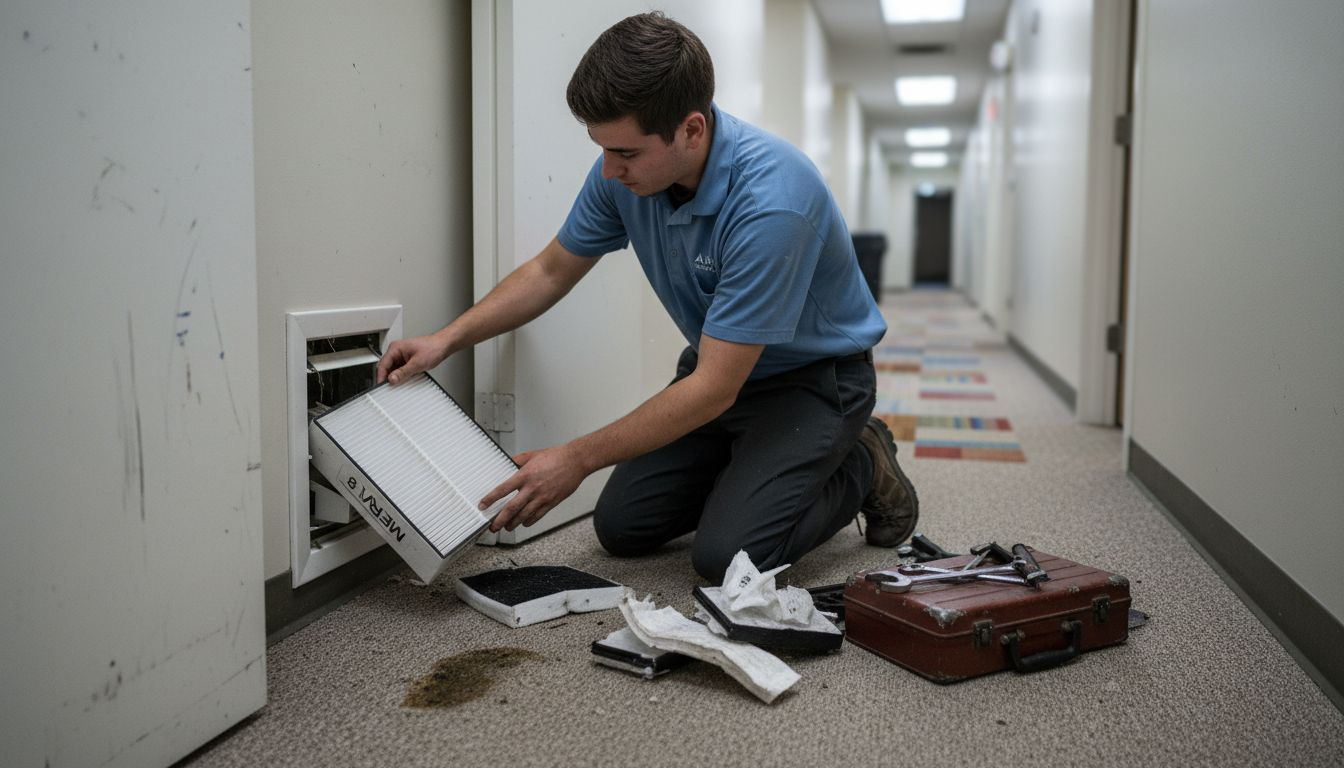
Dirty coils and ducts create major efficiency losses. Evaporator coils accumulate dust and biological growth in humid conditions, reducing heat transfer capacity. Outdoor condenser coils collect debris and dirt, restricting airflow. Regular HVAC maintenance including filter changes every 1 to 3 months can improve system efficiency by up to 15%.
Professional tune-ups deliver comprehensive system optimization:
- Refrigerant level checks prevent undercharging or overcharging
- Electrical connection tightening reduces fire risk and efficiency loss
- Condensate drain cleaning prevents water damage and mold
- Thermostat calibration ensures accurate temperature control
- Airflow measurement identifies duct or blower problems
Maintenance prevents costly breakdowns that leave you sweltering in Florida heat. Small issues caught early, like worn belts or failing capacitors, cost little to fix. Ignored problems escalate into complete system failures requiring expensive emergency repairs or full replacement.
Florida’s humid environment accelerates wear and biological growth. Moisture supports mold and mildew in ductwork and drain pans. Salt air in coastal areas corrodes metal components faster. Seasonal HVAC maintenance in Florida addresses these climate-specific challenges through targeted cleaning and inspection.
System longevity improves dramatically with consistent maintenance. Well-maintained HVAC equipment lasts 15 to 20 years versus 10 to 12 years for neglected systems. That’s thousands of dollars in delayed replacement costs.
Duct sealing and cleaning impact on efficiency and comfort
Your ductwork distributes conditioned air throughout your home. Leaks and blockages undermine even the most efficient HVAC system.
Leaky ducts waste up to 20% of cooled air before it reaches living spaces. Gaps at connections, deteriorated sealing tape, and physical damage let expensive conditioned air escape into attics, crawl spaces, and walls. You’re essentially air conditioning spaces that don’t need it while living areas stay warm.
Cleaning ducts improves airflow and can boost efficiency 5% to 10%. Accumulated dust, debris, and biological growth restrict air movement. Reduced airflow forces longer system runtime to achieve target temperatures. Professional cleaning removes obstructions and improves air distribution.
Proper sealing prevents conditioned air loss:
- Mastic sealant provides permanent, flexible seals at joints
- Metal tape (not cloth duct tape) reinforces connections
- Aeroseal technology seals leaks from inside ductwork
- Insulating ducts in unconditioned spaces prevents heat gain
Indoor air quality improves with clean, sealed ducts. Leaky return ducts pull in attic dust, insulation particles, and outdoor air. Sealed systems deliver cleaner air and better humidity control. Florida’s moisture makes duct systems prone to mold growth, so proper sealing and regular cleaning prevent health issues.
Duct sealing and maintenance in Florida requires understanding local building codes and climate challenges. Professional assessment identifies problem areas using pressure testing and thermal imaging.
| Duct Issue | Energy Impact | Indoor Air Quality Impact | Recommended Solution |
|---|---|---|---|
| Leaky connections | 15% to 20% efficiency loss | Pulls in unconditioned air and contaminants | Professional sealing with mastic or Aeroseal |
| Dirty ducts | 5% to 10% efficiency loss | Circulates dust, allergens, and mold spores | Professional cleaning every 3 to 5 years |
| Poor insulation | 10% to 15% efficiency loss | Minimal direct impact | Add or upgrade duct insulation in attic |
| Undersized ducts | 20% to 30% efficiency loss | Reduces airflow to rooms | Duct redesign or system modification |
Dedicated maintenance ensures lasting duct system performance. Annual inspections catch developing problems before they waste significant energy. Sealing typically pays for itself within 2 to 4 years through reduced cooling costs.
Pro Tip: Schedule duct inspection and sealing before installing a new HVAC system. Fixing distribution problems first ensures your new equipment performs at rated efficiency from day one.
System upgrades and energy efficiency ratings
Replacing an old, inefficient HVAC system delivers the biggest energy savings potential. Understanding efficiency ratings helps you choose equipment that matches your budget and savings goals.
SEER 10 to 12 systems represent baseline efficiency with higher energy consumption. Older homes often have units in this range. They work but cost significantly more to operate in Florida’s demanding climate. Running costs accumulate thousands in excess energy expenses over equipment lifespan.
SEER 13 to 15 systems provide moderate efficiency gains of approximately 15% compared to SEER 10 units. These mid-range models cost more upfront but deliver noticeable monthly savings. They represent good value for budget-conscious homeowners planning to stay in their homes 5 to 10 years.
SEER 16 or higher systems can reduce energy use up to 30% versus older units. Top-tier equipment includes variable-speed compressors, advanced humidity control, and superior air filtration. Initial investment runs higher, but long-term savings and comfort improvements justify the cost for most Central Florida homeowners.
| SEER Rating | Relative Efficiency | Annual Cooling Cost (2,000 sq ft home) | Best For |
|---|---|---|---|
| 10 to 12 | Baseline | $2,400 to $2,600 | Minimal budget, short-term occupancy |
| 13 to 15 | Moderate | $1,800 to $2,000 | Balanced cost and efficiency |
| 16 to 18 | High | $1,400 to $1,600 | Long-term investment, maximum comfort |
| 19+ | Premium | $1,200 to $1,400 | Cutting-edge efficiency, luxury features |
Upfront costs vary significantly by efficiency level. SEER 13 systems start around $3,500 installed, while SEER 18 units range from $6,000 to $9,000. Higher SEER ratings mean higher initial prices but better return on investment through lower operating costs.
Consider these factors when deciding to upgrade:
- Current system age (units over 12 years old benefit most from replacement)
- Repair frequency and costs trending upward
- Local utility rebates reducing net upgrade cost
- Home occupancy plans (staying 10+ years maximizes ROI)
- Current energy bills exceeding $200 monthly in summer
System age matters more than you might think. Refrigerant changes have made older systems increasingly expensive to repair. R-22 refrigerant, used in pre-2010 systems, costs five times more than modern R-410A. One major repair on an old system often costs more than contributing that amount toward a new, efficient replacement.
Local rebates significantly improve upgrade economics. Combined utility and manufacturer incentives can reduce net costs by $500 to $1,500. HVAC system upgrades for Florida homes become far more affordable when leveraging available programs.
Local incentives and financing options for HVAC efficiency
Upgrading to efficient HVAC equipment requires significant upfront investment. Florida programs and financing options make improvements accessible to more homeowners.
Florida utility programs offer rebates up to $500 for high-efficiency HVAC units and smart thermostats. Major utilities including Florida Power & Light, Duke Energy, and Tampa Electric provide incentives for qualifying equipment. Rebate amounts vary by provider and equipment efficiency level.
Eligibility typically requires professional installation and system certification. You must submit documentation proving equipment meets minimum efficiency thresholds, usually SEER 16 or higher. Registered contractors often handle paperwork as part of installation service.
Local HVAC companies offer financing plans making upgrades affordable:
- Zero-interest promotional periods (12 to 24 months typical)
- Extended payment plans spreading costs over 5 to 10 years
- Flexible qualification criteria for various credit levels
- Same-day approval for qualified applicants
- No prepayment penalties for early payoff
Maximize savings by combining rebates with efficiency improvements. Installing a SEER 18 system with a smart thermostat and duct sealing qualifies for maximum rebates while delivering 30%+ energy reduction. The combined approach pays back faster than single improvements.
Early application and documentation ensure successful rebate claims. Many programs operate on first-come, first-served basis with annual budget caps. Apply before installation when possible. Keep all receipts, equipment specifications, and installation certifications. Missing documentation commonly causes claim delays or denials.
Florida HVAC upgrade incentives change periodically based on utility budgets and state energy policies. Check current program details before making equipment decisions. Some utilities offer higher rebates during off-peak seasons to encourage early replacement.
Manufacturer rebates stack with utility programs. Equipment makers frequently run promotional rebates adding $100 to $300 in savings. Your HVAC contractor can identify active manufacturer programs at time of purchase.
Summary comparison and situational recommendations
Choosing the right energy-saving strategies depends on your home’s current condition, budget, and long-term plans. This comparison helps you prioritize improvements for maximum impact.
| Strategy | Energy Savings | Upfront Cost | Payback Period | Best For |
|---|---|---|---|---|
| Thermostat to 78°F | 5% to 10% | $0 | Immediate | Everyone, easiest first step |
| Smart thermostat | 10% to 15% | $150 to $300 | 1 to 2 years | Tech-savvy homeowners, varying schedules |
| Filter changes | 5% to 15% | $60 to $180/year | Immediate | All homeowners, essential maintenance |
| Professional tune-up | 10% to 15% | $100 to $200 | Under 1 year | Systems over 3 years old |
| Duct sealing | 15% to 20% | $1,000 to $2,500 | 3 to 5 years | Homes with attic or crawlspace ducts |
| SEER 16+ upgrade | 25% to 30% | $5,000 to $9,000 | 7 to 12 years | Systems over 12 years old, frequent repairs |
Recommendations for limited budgets focus on low-cost, high-impact improvements:
- Adjust thermostat to 78°F immediately for instant savings
- Replace filters monthly during heavy cooling season
- Schedule annual professional tune-ups to maintain efficiency
- Add weatherstripping and caulking to reduce cooling load
- Use ceiling fans to improve comfort at higher temperatures
Tech-savvy homeowners or long-term savers should consider integrated approaches:
- Install smart thermostat with learning capabilities and humidity control
- Seal and insulate ductwork to eliminate distribution losses
- Upgrade to SEER 16 or higher system when existing unit fails
- Add whole-house fan for evening cooling to reduce AC runtime
- Apply for all available rebates to offset upgrade costs
Homes with old inefficient units benefit most from system replacement. If your AC is over 12 years old, repair costs are climbing, or summer bills exceed $250 monthly, upgrading to SEER 16+ equipment delivers maximum savings. The efficiency improvement pays back faster than trying to maintain aging equipment.
Integrated approaches combining multiple strategies deliver best results. Pairing a new high-efficiency system with sealed ducts and a smart thermostat maximizes savings. The strategies work synergistically, with each improvement amplifying the others’ benefits.
Prioritize based on your specific situation. Renters and short-term homeowners should focus on zero-cost and low-cost improvements. Homeowners planning to stay 10+ years gain most from equipment upgrades and comprehensive efficiency improvements.
Get professional HVAC help for energy savings in Central Florida
Reading about energy efficiency tips is valuable, but professional implementation ensures you actually achieve the promised savings. Expert service makes the difference between theoretical potential and real results on your monthly bills.
Professional HVAC installation step by step ensures compatibility and performance. Proper sizing, correct refrigerant charges, and precise airflow balancing require training and specialized equipment. DIY attempts or cut-rate installers often leave systems underperforming despite high efficiency ratings.
Regular seasonal HVAC tune-ups keep efficiency high year after year. Scheduled maintenance catches small problems before they escalate, maintains peak performance, and extends equipment lifespan. Florida’s demanding climate requires professional attention to humidity control, coil cleanliness, and refrigerant levels.
Expert HVAC system upgrades for Florida homes and duct sealing reduce energy bills effectively. Professional assessment identifies your home’s specific efficiency opportunities. Experienced technicians ensure installations meet manufacturer specifications for warranty protection and optimal performance. Lucas Air Conditioning and Heating specializes in Central Florida homes with deep understanding of local climate challenges, building codes, and utility programs.
Frequently asked questions
What temperature should I set my thermostat to save energy in Florida?
Set your thermostat to 78°F when home for the best balance of comfort and energy savings in Florida’s climate. Lowering the temperature below 78°F increases energy consumption by 3% to 5% per degree without providing proportional comfort improvements.
How often should I replace HVAC filters to maintain efficiency?
Replace filters every 1 to 3 months depending on usage, filter type, and indoor air quality needs. Standard 1-inch filters need monthly replacement during heavy cooling season, while thicker 4-inch filters last 3 months. Regular changes prevent airflow restriction that increases energy consumption.
Are smart thermostats worth the investment for Florida homes?
Smart thermostats save about 10% to 15% on cooling bills through adaptive scheduling and humidity management. They also improve comfort with remote control features and learning capabilities that optimize settings for your lifestyle. Most models pay for themselves within 18 to 24 months through energy savings.
What rebates are available for HVAC upgrades in Central Florida?
Florida utility programs offer rebates up to $500 for high-efficiency HVAC systems rated SEER 16 or higher and qualifying smart thermostats. Eligibility requires professional installation and proper documentation. Contact your utility provider for current program details and application procedures.
