
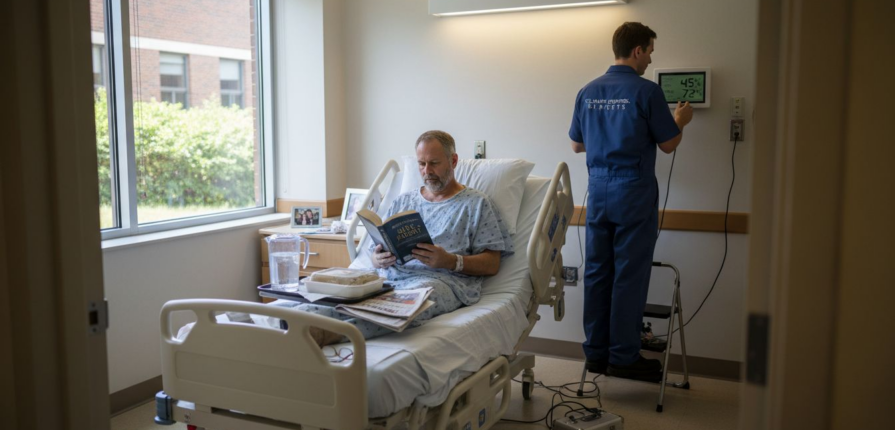
Many healthcare managers assume setting the right temperature alone creates patient comfort. That’s only part of the solution. Temperature alone does not guarantee patient comfort; humidity and air quality are critical to supporting recovery and reducing infection risk. This guide explores comprehensive HVAC strategies that enhance patient wellbeing in Central Florida healthcare facilities through balanced environmental control.
Table of Contents
- Understanding HVAC Fundamentals In Healthcare Settings
- How HVAC Controls Patient Comfort And Health Outcomes
- Key HVAC Technologies Enhancing Comfort And Safety
- Common Misconceptions And Facts About HVAC In Patient Care
- Choosing The Right HVAC Solutions: A Comparison Framework
- Implementing And Maintaining HVAC For Optimal Patient Comfort
- Summary And Strategic Recommendations For Central Florida Healthcare Facilities
- Enhance Patient Comfort With Expert HVAC Solutions In Central Florida
- Frequently Asked Questions
Key Takeaways
| Point | Details |
|---|---|
| HVAC controls comfort through temperature, humidity, and air quality | All three parameters must work together for optimal patient environments |
| HEPA filtration removes 99.97% of airborne particles | Significantly reduces infection risk in healthcare settings |
| Humidity above 60% increases microbial growth | Proper control prevents patient infections and complications |
| System choices balance comfort, safety, and energy costs | Effective decisions require evaluating multiple performance criteria |
| Regular maintenance sustains HVAC effectiveness | Preventive care ensures consistent patient comfort and air quality |
Understanding HVAC Fundamentals in Healthcare Settings
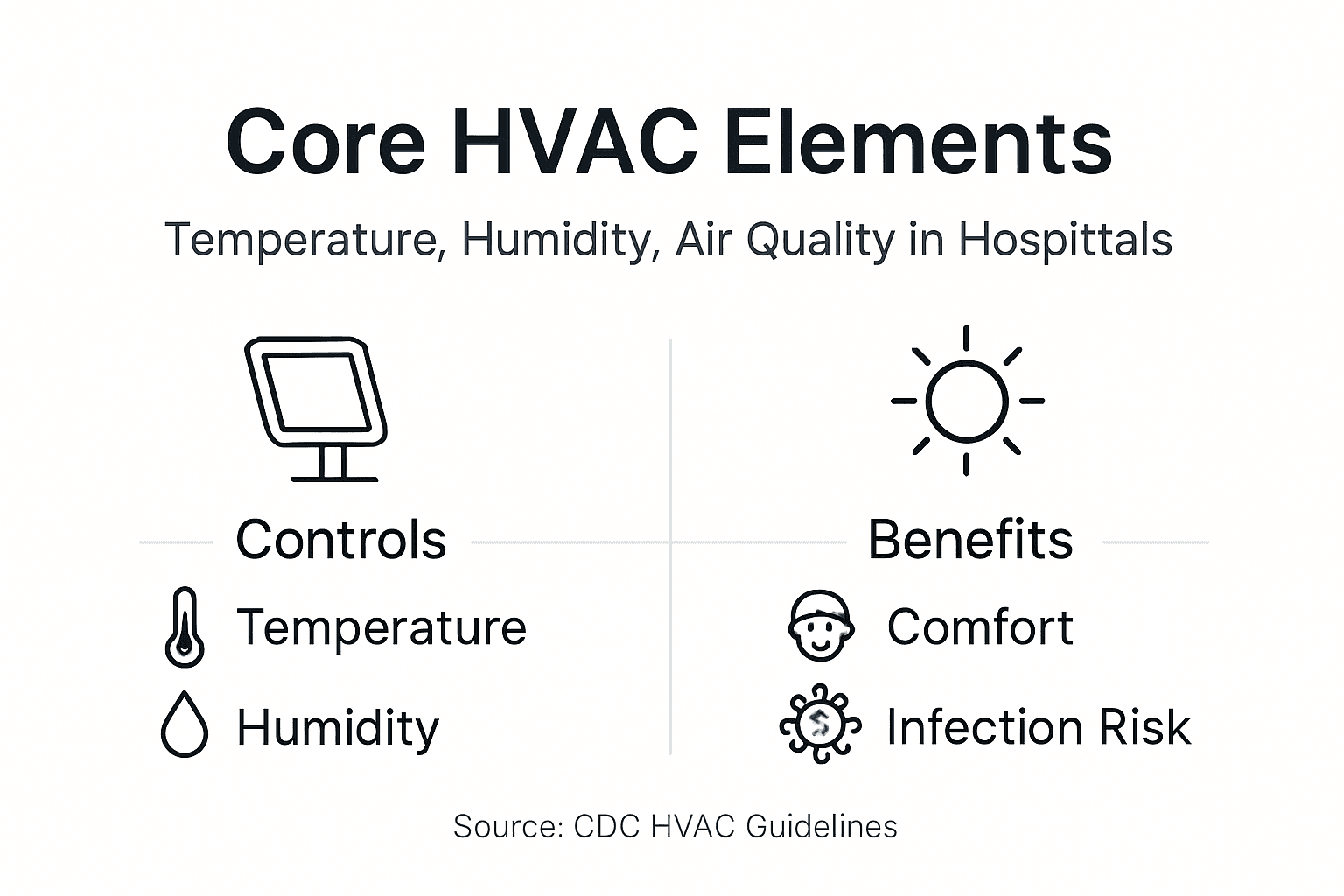
Effective patient comfort begins with understanding three core HVAC elements. Temperature ranges of 68-75°F and humidity at 40-60% optimize patient comfort and health outcomes, while air quality control reduces allergens and pathogens. These parameters work together as a unified system rather than isolated variables.
Temperature regulation keeps patients physiologically stable. The ideal range accommodates diverse patient needs without causing thermal stress. Humidity control prevents respiratory discomfort and skin irritation common in both dry and overly moist conditions.
Air quality management removes particulates, volatile compounds, and biological contaminants. In healthcare environments, this becomes critical for immunocompromised patients and infection prevention. HVAC system fundamentals for Florida facilities must account for the region’s humid subtropical climate challenges.
Pro Tip: Monitor all three parameters continuously rather than adjusting one at a time. Temperature changes affect humidity levels, which in turn impact perceived comfort and air quality effectiveness.
Understanding these core HVAC concepts applicable to comfort helps facility managers recognize how system modifications ripple through patient environments. The ASHRAE HVAC standards provide detailed specifications for healthcare applications that address local climate considerations.
How HVAC Controls Patient Comfort and Health Outcomes
HVAC parameters directly influence patient physiology and clinical outcomes. Temperature fluctuations greater than ±2°F cause patient discomfort and can slow recovery by disrupting rest and metabolic stability. Maintaining tight temperature control within this range supports healing processes.
Humidity management presents significant infection control implications. Relative humidity above 60% increases infection risks by creating conditions where bacteria, fungi, and viruses thrive on surfaces and in the air. Conversely, humidity below 40% dries mucous membranes, reducing natural immune barriers.
Ventilation rates between 6 to 12 air changes per hour help dilute airborne pathogens. Higher rates benefit surgical suites and isolation rooms, while general patient areas require moderate ventilation to balance air quality with energy consumption. Each space type demands customized airflow strategies.
Key physiological impacts include:
- Thermal stress from poor temperature control increases cardiovascular workload
- Excessive humidity promotes respiratory complications and wound infections
- Inadequate ventilation concentrates pathogens, raising hospital-acquired infection rates
- Unstable conditions disrupt sleep quality, slowing patient recovery
“Proper environmental control through HVAC systems reduces hospital-acquired infections by up to 30% while improving patient satisfaction scores and shortening average recovery times.”
Balanced HVAC management requires understanding how these elements interact. Temperature adjustments affect humidity levels, ventilation rates influence both parameters, and filtration quality determines how effectively systems remove contaminants. HVAC maintenance to sustain health outcomes keeps these interdependent systems performing optimally.
The humidity impact on infection risk becomes especially pronounced in Florida’s climate, where outdoor humidity regularly exceeds comfortable indoor levels. Healthcare facilities must actively dehumidify incoming air while maintaining adequate moisture for patient comfort.
Key HVAC Technologies Enhancing Comfort and Safety
Specific technologies enable healthcare facilities to achieve superior environmental control. HEPA filters remove 99.97% of airborne particles ≥0.3 microns, capturing bacteria, viral particles, mold spores, and allergens that threaten vulnerable patients. These filters form the foundation of infection control strategies.

Variable Air Volume systems adjust airflow dynamically based on real-time occupancy and load conditions. VAV technology reduces energy waste during low-demand periods while maintaining comfort parameters. This precision control proves especially valuable in facilities with fluctuating patient populations.
Regular duct cleaning removes accumulated particulates that reduce system efficiency and air quality. Studies show professional cleaning decreases contaminant circulation by approximately 30%, improving both respiratory health and HVAC performance.
Technology comparison:
| Technology | Comfort Impact | Filtration Efficiency | Energy Use |
|---|---|---|---|
| Standard HVAC | Moderate | 30-40% particles | Baseline |
| HEPA + Humidity Control | High | 99.97% particles | +15-20% |
| Advanced VAV | Very High | 99.97% particles | +10-15% |
Pro Tip: Combine HEPA filtration with humidity control rather than relying on air changes alone. This approach captures more pathogens while using less energy than excessive ventilation rates.
HVAC technologies to reduce airborne pathogens continue evolving with newer UV-C disinfection and bipolar ionization options. These supplementary technologies enhance traditional filtration without replacing core HVAC functions. The HEPA filtration effectiveness documentation provides detailed performance specifications for various applications.
Common Misconceptions and Facts About HVAC in Patient Care
Several persistent myths prevent healthcare facilities from optimizing their HVAC systems. The belief that temperature alone determines comfort ignores humidity and air quality contributions. Patients experience discomfort even at ideal temperatures when humidity exceeds 60% or air quality degrades.
Another misconception suggests maximizing ventilation rates solves all air quality problems. Higher air changes help, but without proper humidity control and filtration, facilities simply circulate contaminated air faster. Balanced approaches prove more effective than single-parameter solutions.
Common myths versus reality:
- Myth: Energy costs always skyrocket with improved HVAC control
- Reality: Strategic upgrades increase costs 15 to 30% while delivering measurable health improvements and reduced infection treatment expenses
- Myth: Standard filters provide adequate protection in healthcare settings
- Reality: Only HEPA-grade filtration captures the smallest viral and bacterial particles effectively
- Myth: HVAC systems require attention only when problems arise
- Reality: Preventive maintenance prevents failures and maintains consistent patient comfort
The cost concern deserves particular attention. While advanced HVAC systems consume more energy, the investment pays dividends through fewer infections, shorter patient stays, and improved satisfaction scores. Healthcare-acquired infections cost facilities substantially more than incremental energy increases.
Understanding these realities helps managers justify investments in comprehensive HVAC solutions. Temperature, humidity, and air quality function as interconnected elements requiring simultaneous management rather than isolated fixes.
Choosing the Right HVAC Solutions: A Comparison Framework
Selecting appropriate HVAC systems requires evaluating multiple criteria against facility-specific needs. The comparison below illustrates key tradeoffs among common healthcare HVAC configurations.
| System Type | Patient Comfort | Filtration | Infection Control | Energy Consumption |
|---|---|---|---|---|
| Standard HVAC | Adequate | Basic (MERV 8-11) | Limited | Baseline |
| HEPA + Humidity Control | Excellent | Advanced (HEPA) | Strong | Moderate increase |
| Advanced VAV + Controls | Superior | Advanced (HEPA) | Excellent | Optimized efficiency |
Facility managers should prioritize criteria based on patient populations served, local climate challenges, and budget constraints. Immunocompromised patient units demand maximum filtration and control, while general care areas benefit from balanced approaches.
Decision factors to consider:
- Facility size and layout complexity
- Patient acuity levels and infection risk
- Central Florida humidity and temperature patterns
- Available capital budget and operational cost tolerance
- Existing infrastructure compatibility
Selection process steps:
- Assess current HVAC performance against healthcare standards
- Identify specific comfort and air quality deficiencies
- Calculate infection-related costs potentially reduced through improvements
- Evaluate technology options against prioritized criteria
- Model total cost of ownership including energy and maintenance
- Select solutions offering best value for facility-specific needs
The HVAC upgrade decision factors framework helps quantify both tangible and intangible benefits. Life cycle analysis often reveals that higher upfront investments in superior systems pay back through reduced operating costs and improved outcomes.
Implementing and Maintaining HVAC for Optimal Patient Comfort
Sustaining HVAC performance requires disciplined maintenance practices and continuous monitoring. Even superior systems degrade without regular attention, compromising patient comfort and air quality over time.
Preventive maintenance programs address potential failures before they disrupt patient care. Filter replacements follow manufacturer schedules, typically every three to six months for HEPA units depending on facility air quality. Coil cleaning prevents efficiency losses and microbial growth.
Duct cleaning frequency depends on facility age, local air quality, and system usage patterns. Most healthcare facilities benefit from professional duct cleaning every three to five years, with more frequent service in high-particulate environments.
Essential maintenance activities:
- Monthly filter inspections and replacements as needed
- Quarterly humidity sensor calibration checks
- Semi-annual refrigerant level verification
- Annual comprehensive system performance testing
- Regular airflow measurements at critical locations
Continuous monitoring systems alert staff to parameter deviations before patients notice discomfort. Modern building automation tracks temperature, humidity, and air quality across zones, enabling rapid responses to changing conditions.
Pro Tip: Create a detailed maintenance calendar that coordinates activities across systems rather than managing components independently. This prevents conflicts and ensures comprehensive coverage.
The preventive HVAC maintenance best practices apply equally to commercial healthcare settings, though with more stringent requirements. Following a structured HVAC maintenance checklist prevents overlooked tasks that compromise system reliability.
Investing in maintenance reduces emergency repair costs and extends equipment lifespan. Well-maintained systems operate more efficiently, offsetting program costs through energy savings while ensuring consistent patient comfort.
Summary and Strategic Recommendations for Central Florida Healthcare Facilities
Central Florida’s humid subtropical climate presents unique challenges for healthcare HVAC management. Outdoor humidity regularly exceeds 70%, requiring aggressive dehumidification to maintain the 40 to 60% range optimal for patient health.
Facility managers should prioritize systems capable of precise humidity control alongside temperature regulation. Standard HVAC units often lack sufficient dehumidification capacity for Florida conditions, making upgrades essential for consistent comfort.
Strategic recommendations:
- Install HEPA filtration throughout patient care areas to combat airborne pathogens prevalent in humid climates
- Implement continuous monitoring of temperature, humidity, and air quality with automated alerts
- Schedule preventive maintenance quarterly rather than annually given high system utilization in year-round cooling climate
- Size dehumidification capacity for peak outdoor humidity conditions, not average levels
- Balance infection control investments against energy costs using life cycle analysis
The infection control benefits of advanced HVAC systems often justify 15 to 30% higher energy costs through reduced treatment expenses and improved patient outcomes. Healthcare-acquired infections cost facilities far more than incremental utility increases.
Tailor system selections to specific facility characteristics. Large hospitals benefit from centralized VAV systems with zone controls, while smaller clinics may achieve excellent results with properly specified packaged units and standalone dehumidifiers.
Central Florida healthcare facilities must account for hurricane season impacts on HVAC reliability. Backup power capacity and rapid restoration plans ensure patient comfort continuity during grid disruptions common in the region.
Enhance Patient Comfort with Expert HVAC Solutions in Central Florida
Healthcare facilities throughout Central Florida face unique environmental control challenges requiring specialized expertise. Lucas Air Conditioning and Heating delivers comprehensive commercial HVAC solutions tailored to healthcare patient comfort and air quality requirements.
Our services include advanced HEPA filtration installation, precision humidity control systems, and comprehensive maintenance programs designed for healthcare environments. We understand the critical balance between infection control, patient comfort, and operational efficiency.

As a trusted HVAC contractor in Central Florida serving healthcare facilities since 2018, we bring veteran-owned reliability to every project. Our team specializes in systems that maintain the 68 to 75°F temperature range and 40 to 60% humidity levels essential for patient wellbeing.
Our preventative maintenance agreements provide scheduled service that keeps your HVAC systems performing optimally year-round. We help Central Florida healthcare facilities reduce energy costs while meeting stringent health and safety standards. Contact us to discuss how we can enhance patient comfort in your facility.
Frequently Asked Questions
What temperature and humidity levels are best for patient comfort?
Maintain temperatures between 68 and 75°F with relative humidity at 40 to 60%. This range optimizes patient comfort while preventing microbial growth and respiratory complications common outside these parameters.
How often should HVAC ducts be cleaned in a healthcare setting?
Professional duct cleaning every three to five years removes accumulated particulates effectively. High-traffic facilities or those with construction activity nearby may require more frequent cleaning to maintain air quality standards.
Can improving HVAC increase energy costs significantly?
Advanced HVAC systems typically increase energy costs 15 to 30%. However, these investments reduce healthcare-acquired infections and improve patient outcomes, delivering net financial benefits through lower treatment costs and shorter stays.
Why is HEPA filtration important in hospitals?
HEPA filters capture 99.97% of particles as small as 0.3 microns, including bacteria, viruses, and fungal spores. This filtration level significantly reduces airborne pathogen transmission and protects vulnerable patient populations.
How does ventilation rate impact infection control?
Ventilation rates between 6 and 12 air changes per hour dilute airborne pathogen concentrations. Higher rates benefit surgical and isolation areas, while general patient spaces achieve good results at moderate ventilation when combined with HEPA filtration and humidity control.
