
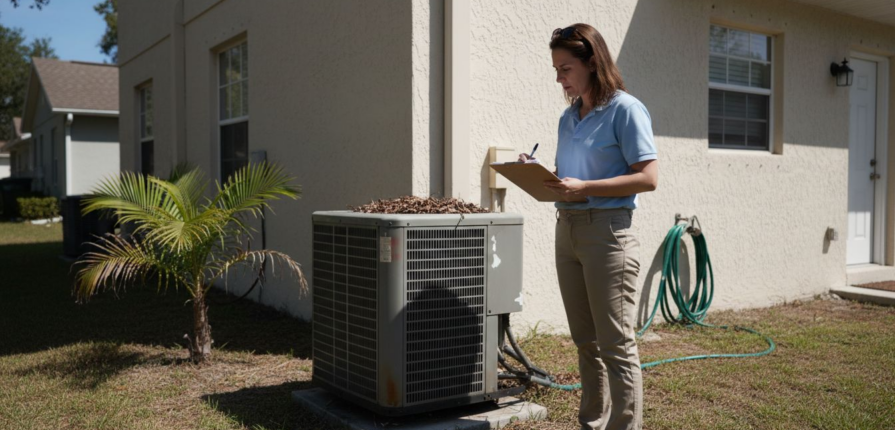
Central Florida landlords face unique HVAC challenges. High humidity accelerates wear, mold growth, and corrosion in rental property systems. Multiple tenants increase usage patterns, making consistent maintenance harder. This comprehensive checklist gives you actionable tasks tailored to the local climate, reducing repair costs while keeping tenants comfortable year-round. You’ll learn which tasks tenants handle, what requires professional attention, and how to schedule maintenance for maximum efficiency.
Table of Contents
- Why HVAC Maintenance Matters For Rental Properties In Central Florida
- Selection Criteria: How To Choose And Prioritize HVAC Maintenance Tasks
- Detailed HVAC Maintenance Checklist Items For Rental Properties
- Role Differentiation: Landlord, Property Manager, And Tenant Responsibilities
- Cost And Efficiency Benefits Of Proper HVAC Maintenance
- Summary Comparison And Situational Recommendations
- Discover Expert HVAC Maintenance And Service With Lucas Air
Key takeaways
| Point | Details |
|---|---|
| Climate-specific maintenance | Central Florida’s humidity requires more frequent filter changes and condensate drain cleaning than drier regions. |
| Clear task division | Tenants handle monthly filters and issue reporting while landlords manage inspections and professional services. |
| Financial benefits | Proper maintenance cuts energy costs up to 15% and reduces emergency repairs by 25%. |
| Professional support | Biannual tune-ups catch issues early and extend system lifespan by up to 3 years. |
| Documentation matters | Tracking maintenance activities protects landlords legally and improves tenant communication. |
Why HVAC maintenance matters for rental properties in Central Florida
Central Florida’s humid subtropical climate creates constant moisture challenges for HVAC systems. High humidity accelerates corrosion and mold growth inside units, demanding more vigilant care than drier regions require. Without proper maintenance, condensation pools in ducts and drain pans, fostering mold that compromises air quality and tenant health.
Rental properties face additional wear compared to owner-occupied homes. Multiple tenants over the years means inconsistent filter changes, varied thermostat settings, and less personal investment in system care. Each turnover brings new usage patterns that stress components differently.
Proper maintenance directly improves tenant satisfaction and retention. When systems run efficiently, utility bills stay reasonable and indoor comfort remains consistent. Breakdowns during Florida’s brutal summer months lead to emergency repair costs and unhappy tenants who may not renew leases.
Landlords who invest in regular upkeep see measurable returns. Systems last longer, repairs cost less, and energy efficiency stays high. The alternative is reactive management: expensive emergency calls, tenant complaints, and premature system replacement.
Key climate factors affecting Central Florida HVAC systems:
- Year-round humidity creating persistent condensation
- Extended cooling seasons from March through October
- Salt air corrosion in coastal areas
- Frequent afternoon thunderstorms affecting outdoor units
- Mold and mildew growth in neglected drain pans
Selection criteria: how to choose and prioritize HVAC maintenance tasks
You need a framework for deciding which maintenance tasks deserve immediate attention versus what can wait. Start by evaluating each task’s impact on energy efficiency and repair prevention. Tasks that prevent water damage or system failures rank highest.
Frequency and timing matter enormously in Central Florida’s climate. The cooling season dominates your calendar, so schedule major maintenance before summer demand peaks. Seasonal tune-ups aligned with Florida weather patterns catch problems before they escalate.
Distinguish clearly between tenant responsibilities and landlord duties. Tenants can handle simple tasks like monthly filter changes if you provide clear instructions and easy access to supplies. Complex work requiring tools, expertise, or system access must remain your responsibility.
Balance DIY tenant tasks with professional services strategically. Filter changes save money when tenants handle them consistently. Refrigerant checks, electrical inspections, and duct cleaning require trained technicians. Choosing trusted HVAC contractors ensures quality work that protects your investment.
Priority categories for task selection:
- High priority: Tasks preventing water damage, system failure, or safety hazards
- Medium priority: Tasks improving efficiency and extending component lifespan
- Lower priority: Tasks enhancing comfort but not critical to operation
- Seasonal timing: Schedule intensive maintenance before peak cooling months
- Cost efficiency: Combine multiple tasks during professional service visits
Pro Tip: Create a simple maintenance calendar shared with tenants showing their monthly tasks and your scheduled professional services. This transparency improves compliance and builds trust.
Detailed HVAC maintenance checklist items for rental properties
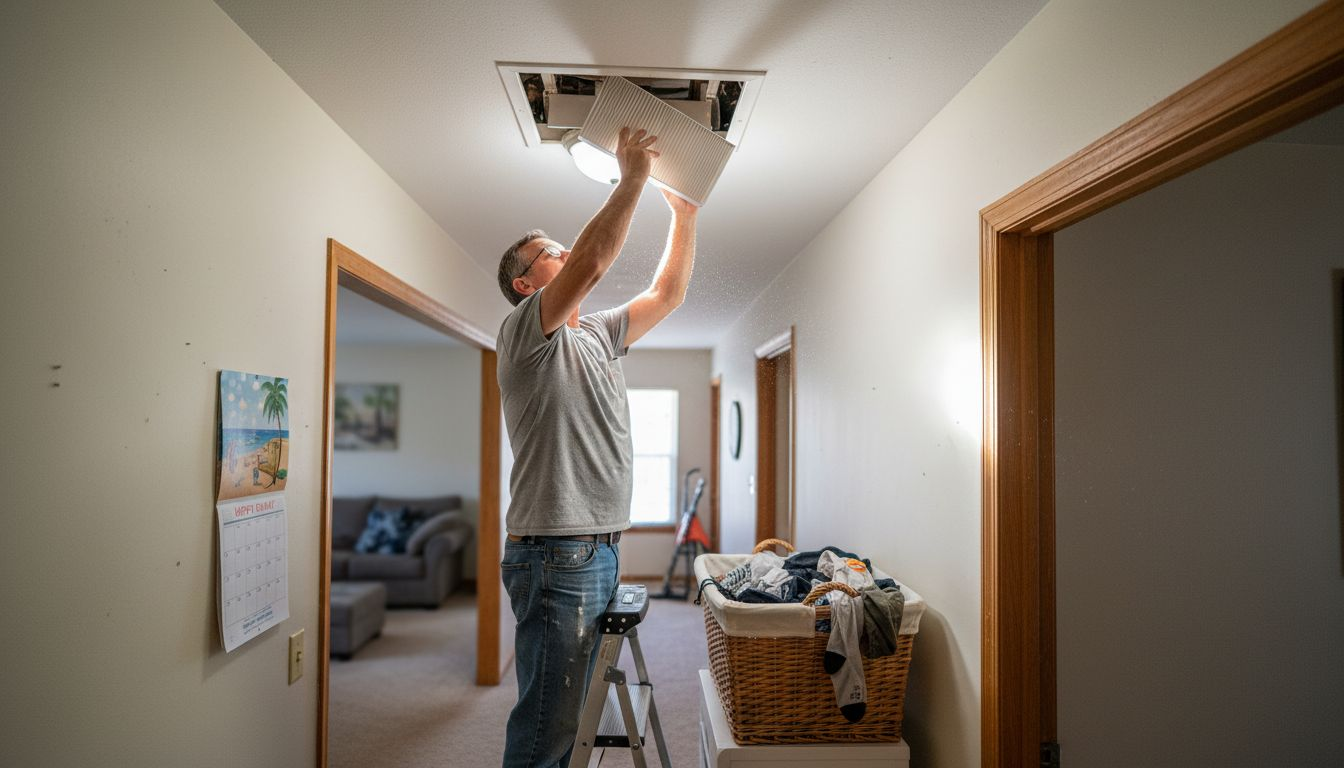
Your checklist starts with the most frequent task: air filter replacement every 1 to 3 months. Central Florida’s humidity loads filters faster with dust, pollen, and moisture. Clogged filters reduce airflow, forcing systems to work harder and consume more energy. Supply tenants with correct filter sizes and remind them monthly.
Condensate drain cleaning prevents the most common Florida HVAC failure. Check drains quarterly to remove algae buildup and flush with a bleach solution. A clogged drain causes water backup, potential flooding, and automatic system shutdown. This simple task prevents thousands in water damage.
Annual duct inspection and cleaning improves efficiency dramatically. Sealed, clean ducts deliver conditioned air without waste. Studies show proper duct maintenance can improve system efficiency by about 20%. Inspect for disconnected sections, holes, and excessive dust accumulation.
Schedule professional tune-ups twice yearly, ideally in spring before summer heat and fall before occasional winter heating needs. Technicians check refrigerant levels, test electrical connections, calibrate thermostats, and identify worn components before they fail. Preventative maintenance catches issues when repairs cost less.
Document every maintenance activity with dates, work performed, and any issues discovered. This record proves due diligence if disputes arise and helps you track system performance over time. Digital photos of major work provide additional protection.
| Task | Frequency | Responsibility | Estimated Time | Priority |
|---|---|---|---|---|
| Air filter replacement | 1-3 months | Tenant | 5 minutes | High |
| Condensate drain cleaning | Quarterly | Landlord | 15 minutes | High |
| Thermostat calibration check | Biannually | Professional | 10 minutes | Medium |
| Duct inspection and cleaning | Annually | Professional | 2-4 hours | Medium |
| Refrigerant level check | Biannually | Professional | 20 minutes | High |
| Outdoor unit cleaning | Quarterly | Landlord/Professional | 30 minutes | Medium |
| Professional tune-up | Biannually | Professional | 1-2 hours | High |
Pro Tip: Install smart thermostats that alert you to filter change needs and unusual runtime patterns. These devices help manage multiple properties remotely and catch problems faster.
Role differentiation: landlord, property manager, and tenant responsibilities
Clear role division prevents maintenance gaps and disputes. Tenants should handle straightforward monthly tasks requiring no tools or expertise. Air filter changes top this list, taking five minutes when filters are readily available. Reporting unusual noises, weak airflow, or temperature issues promptly helps you address problems before they worsen.
Landlords and property managers own all complex maintenance requiring system access, tools, or safety considerations. Professional service scheduling, duct cleaning, refrigerant work, and electrical repairs fall entirely on you. These tasks protect your asset value and ensure legal compliance with habitability standards.
Communication makes the difference between successful maintenance and system neglect. Provide written instructions for tenant tasks with photos showing filter locations and replacement steps. Send quarterly reminders about upcoming professional service appointments so tenants can provide access.
Understanding legal obligations protects everyone. Florida landlords must maintain functional HVAC systems as part of habitability requirements. Tenants must allow reasonable access for maintenance and avoid intentional damage. Clear service agreements outline expectations and procedures.
Regular tenant education improves outcomes significantly. During move-in walkthroughs, demonstrate filter replacement and explain why it matters. New tenants often lack HVAC knowledge and appreciate simple guidance. Follow up with seasonal reminders about system care during extreme weather.
Responsibility breakdown:
- Tenant tasks: Monthly filter changes, maintaining clear space around vents, reporting issues immediately
- Landlord tasks: Professional service scheduling, condensate drain maintenance, duct inspections, major repairs
- Shared communication: Access coordination for service visits, issue reporting protocols, maintenance records
- Legal considerations: Habitability compliance, reasonable access provisions, damage responsibility clauses
Cost and efficiency benefits of proper HVAC maintenance
The numbers tell a compelling story. Regular maintenance reduces energy consumption by up to 15% in rental properties by keeping components clean and calibrated. Over a year, this translates to hundreds saved per unit on electricity bills, money that improves your bottom line.
Emergency repairs drop by approximately 25% when you maintain systems consistently. Catching worn belts, low refrigerant, or electrical issues during scheduled tune-ups costs far less than midnight emergency calls. Summer breakdowns during peak demand often include premium service charges and rushed parts ordering.
System lifespan extension provides the biggest financial benefit. Maintenance extends HVAC life from 12 to 15 years on average, delaying capital replacement expenses significantly. Replacing a central air system costs $5,000 to $10,000, so each additional year of service creates substantial value.
Without maintenance, efficiency declines 5% annually. This compounds quickly. A three-year-old neglected system runs 15% less efficiently than when new, wasting energy and money continuously. Tenants notice higher bills and reduced comfort.
Typical Central Florida professional service costs run $150 to $250 per biannual tune-up. Annual investment of $300 to $500 per unit prevents thousands in emergency repairs and premature replacement. The return on investment becomes obvious within the first prevented breakdown.
Financial benefits summary:
- Energy savings: Up to 15% reduction in cooling costs annually
- Repair cost reduction: 25% fewer emergency service calls
- Extended lifespan: Additional 2 to 3 years of system operation
- Avoided efficiency loss: Preventing 5% annual performance decline
- Professional service cost: $150 to $250 per tune-up visit
Regular maintenance transforms HVAC systems from unpredictable expense centers into reliable assets with predictable costs and extended service lives.
Summary comparison and situational recommendations
DIY maintenance offers cost savings and empowers tenants to take ownership of basic care. Filter changes and outdoor unit debris removal require minimal skill but deliver real benefits. However, DIY approaches miss hidden problems that trained eyes catch during professional inspections.
Professional services provide comprehensive system evaluation using specialized tools and expertise. Technicians measure refrigerant precisely, test electrical components safely, and identify wear patterns predicting future failures. This thoroughness justifies the cost, especially for landlords managing properties remotely or lacking HVAC knowledge.
Properties with high tenant turnover benefit enormously from thorough inspections between occupants. Comprehensive HVAC workflow processes catch abuse, neglect, or hidden damage before new tenants move in. Duct cleaning removes accumulated contaminants, presenting fresh units to incoming renters.
Budget-conscious landlords can balance approaches strategically. Maintain consistent professional biannual tune-ups while training tenants to handle frequent filter changes and basic reporting. This hybrid model captures most benefits while controlling costs. Supply quality filters in bulk to make tenant compliance easier.
Scheduling matters as much as task selection. Book spring tune-ups in March or April before air conditioning demand explodes. Fall appointments in October or November prepare systems for occasional heating needs. Avoid peak summer months when technicians are swamped with emergency calls. Understanding different HVAC system types helps you communicate needs clearly with service providers.
| Approach | Advantages | Disadvantages | Best For |
|---|---|---|---|
| DIY tenant tasks | Low cost, empowers tenants, immediate action | Limited expertise, misses complex issues, inconsistent execution | Monthly filter changes, basic cleaning |
| Professional services | Comprehensive inspection, specialized tools, warranty protection | Higher cost, scheduling required, tenant access needed | Biannual tune-ups, repairs, duct cleaning |
| Hybrid model | Balances cost and quality, leverages both approaches | Requires coordination, clear role definition needed | Most rental properties, budget-conscious landlords |
| Preventative agreements | Predictable costs, priority scheduling, relationship continuity | Upfront commitment, may include unneeded services | Multi-unit properties, long-term ownership |
Discover expert HVAC maintenance and service with Lucas Air
Managing rental property HVAC systems demands reliable professional support. Lucas Air offers comprehensive tune-up services perfectly aligned with the biannual maintenance schedule this checklist recommends. Our veteran-owned team serves Central Florida landlords with the same dedication we bring to homeowner clients.
Preventative maintenance agreements provide priority scheduling and predictable costs for property managers overseeing multiple units. These programs reduce emergency repair frequency while extending system lifespan through consistent professional care. When unexpected issues arise, our repair services respond quickly to minimize tenant disruption and protect your investment. We understand rental property needs differ from residential service, and we tailor our approach accordingly.
FAQ
What is the ideal frequency for air filter replacement in Central Florida rentals?
Replace air filters every 1 to 3 months depending on tenant count, pets, and humidity levels. Central Florida’s moisture loads filters faster than drier climates. Monthly changes work best during peak cooling months from May through September.
Who is responsible for HVAC maintenance tasks in rental properties?
Tenants handle simple monthly tasks like filter changes and reporting unusual system behavior promptly. Landlords and property managers manage professional inspections, duct cleaning, refrigerant checks, and all repairs requiring technical expertise or system access.
How does proper HVAC maintenance benefit landlords financially?
Maintenance reduces energy costs up to 15% annually through improved efficiency. It lowers emergency repair frequency by 25%, avoiding expensive service calls. Systems last 2 to 3 years longer, delaying costly replacement expenses significantly.
What are some essential HVAC tasks tenants should perform?
Tenants must change air filters monthly or as directed by landlords. They should report weak airflow, unusual noises, or temperature inconsistencies immediately. Keeping vents unblocked and maintaining clear space around the outdoor unit helps system performance.
When should landlords schedule professional HVAC tune-ups in Central Florida?
Schedule tune-ups twice yearly, ideally in March or April before summer heat and October or November before occasional winter use. Early scheduling avoids peak season delays and ensures systems operate efficiently during high-demand months.
