
TL;DR:
- Duct cleaning in Central Florida requires regular inspections due to high humidity, pollen, and microbial growth risk. Professional cleaning following NADCA standards can improve air quality and HVAC efficiency, especially when contaminants are visible or moisture intrusion occurs. Annual inspections help detect issues early, preventing costly remediation and ensuring healthier indoor environments.
Plenty of homeowners hear that duct cleaning is either a must-do every year or a complete waste of money. The truth sits somewhere in between, and for Central Florida residents, the answer leans harder toward action than national guidelines might suggest. Florida’s relentless heat, year-round humidity, and intense pollen seasons create conditions inside your ductwork that simply don’t exist in drier parts of the country. This guide cuts through the noise using research, EPA guidelines, and real-world Florida context so you can make a smart, informed decision for your home or business.
Table of Contents
- What is duct cleaning and when is it actually needed?
- How dirty ducts affect indoor air quality and energy use
- Florida’s climate: Why local conditions demand a closer look
- Choosing the right duct cleaning approach and avoiding common pitfalls
- Our take: Practical duct care for Central Florida homes and businesses
- How Lucas Air can help keep your ducts and air cleaner
- Frequently asked questions
Key Takeaways
| Point | Details |
|---|---|
| Duct cleaning isn’t always needed | Routine duct cleaning is essential only when inspections reveal mold, pests, or heavy dust buildup. |
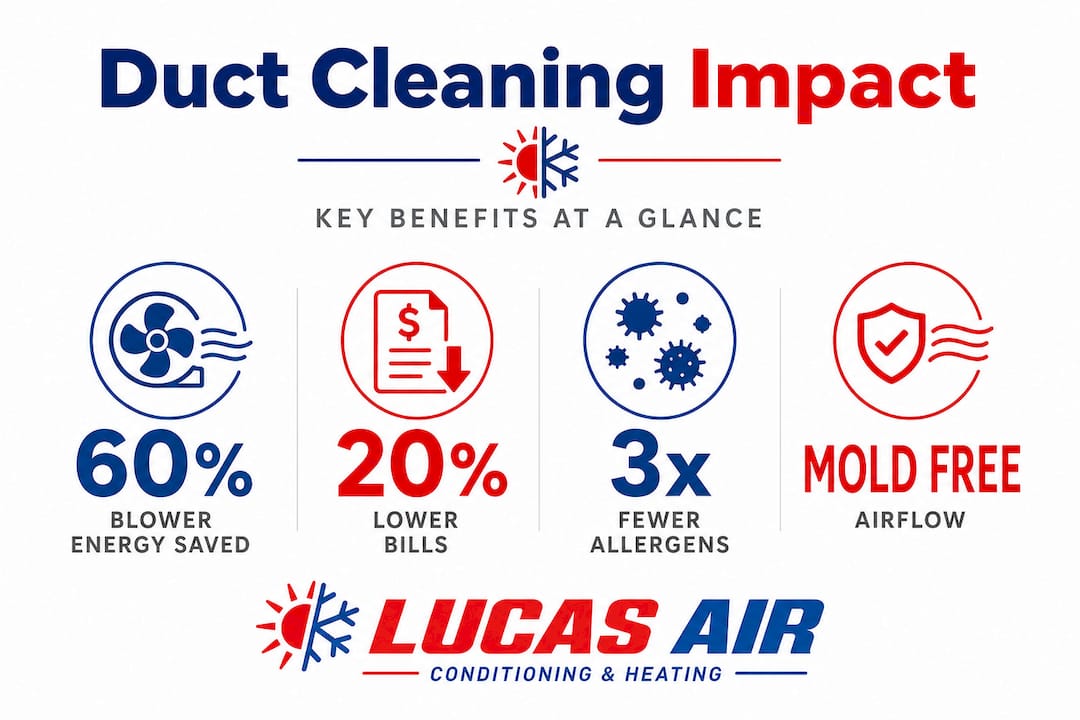
| Cleaner ducts can boost efficiency | Clearing out dirt and blockages helps HVAC systems run more efficiently and may cut energy costs by up to 20%. |
| Florida needs special attention | Humidity, pollen, and year-round cooling use mean Florida homes and businesses should inspect ducts more frequently. |
| Choose quality providers | NADCA-certified professionals deliver thorough, safe cleanings that protect your indoor air quality and system performance. |
| Proactive care prevents problems | Regular inspections and maintenance catch duct and HVAC issues early—saving money and stress in the long run. |
What is duct cleaning and when is it actually needed?
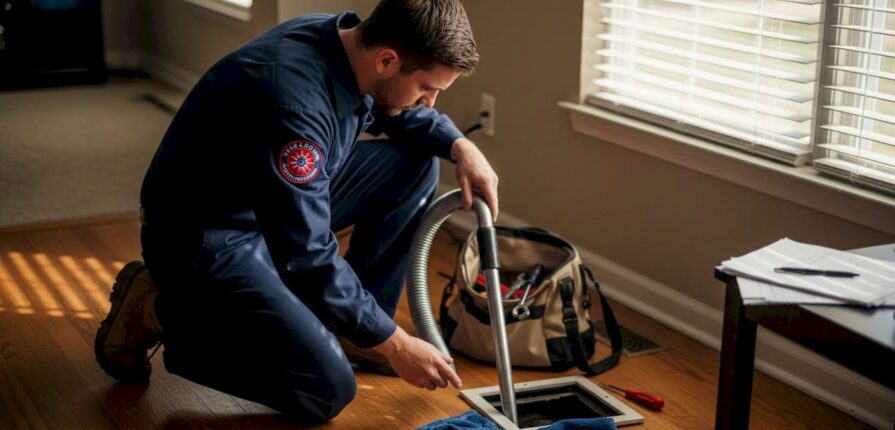
Duct cleaning is the process of removing dust, debris, mold spores, pet dander, and other contaminants from the supply and return air ducts in your heating and cooling system. A proper job covers the entire air pathway, including registers, grilles, diffusers, heat exchangers, drip pans, and the air handling unit itself. But knowing what it is doesn’t automatically tell you when it’s necessary.
The EPA draws a clear, cautious line. EPA does not recommend routine duct cleaning unless there is visible mold growth, a confirmed vermin infestation, or excessive dust and debris actively releasing into your living spaces. This position surprises many homeowners who assumed annual cleaning was the responsible thing to do. The EPA’s restraint stems from limited evidence that cleaning ducts in otherwise normal conditions significantly improves health outcomes.
The National Air Duct Cleaners Association (NADCA) takes a more proactive stance. Their 2025 ACR Standard requires source removal cleaning using mechanical agitation tools like brushes and air whips, negative pressure containment with HEPA vacuums, a full system inspection that includes coils and fans, and post-cleaning verification through visual inspection or vacuum testing. This is the gold standard for what professional duct cleaning should look like, and it’s far more rigorous than what a $99 coupon service typically delivers.
Here’s where the EPA’s guidance and NADCA’s standards actually agree: a thorough inspection comes first. You need to know what’s inside before deciding whether to clean. Skipping that step is like treating a patient without a diagnosis.
When does cleaning make clear sense?
- Visible mold on duct surfaces or around registers
- Evidence of rodents, insects, or other pests in the ductwork
- Heavy dust clouds coming from vents when the system kicks on
- Recent home renovation that generated significant dust (drywall, sanding, demolition)
- Moving into a previously owned home with no service records
- Persistent allergy or respiratory symptoms with no other obvious cause
When it can likely wait:
- Recently serviced systems with clean inspection reports
- Ducts that show minimal buildup on a visual check
- Newer construction with sealed ductwork installed within the last three years
For more detail on duct cleaning best practices specific to Florida homes, it’s worth reviewing what local HVAC professionals recommend versus the national baseline. And if you’re unsure whether your system is showing signs you need duct cleaning, a quick inspection can answer that question without committing to a full cleaning.
| Factor | EPA recommendation | NADCA recommendation |
|---|---|---|
| Routine cleaning | Not recommended | Recommended based on inspection |
| Trigger for cleaning | Mold, pests, or heavy dust release | Buildup confirmed by assessment |
| Minimum standard | N/A | Source removal with HEPA containment |
| Post-cleaning check | Not specified | Visual inspection or vacuum test required |
“The most important step is inspection first. Cleaning ducts that don’t need it won’t help, and a poor-quality cleaning can actually make things worse by releasing settled debris back into your air supply.”
How dirty ducts affect indoor air quality and energy use
Now that we’ve defined when duct cleaning is appropriate, let’s explore how dust buildup directly affects your air and your wallet.
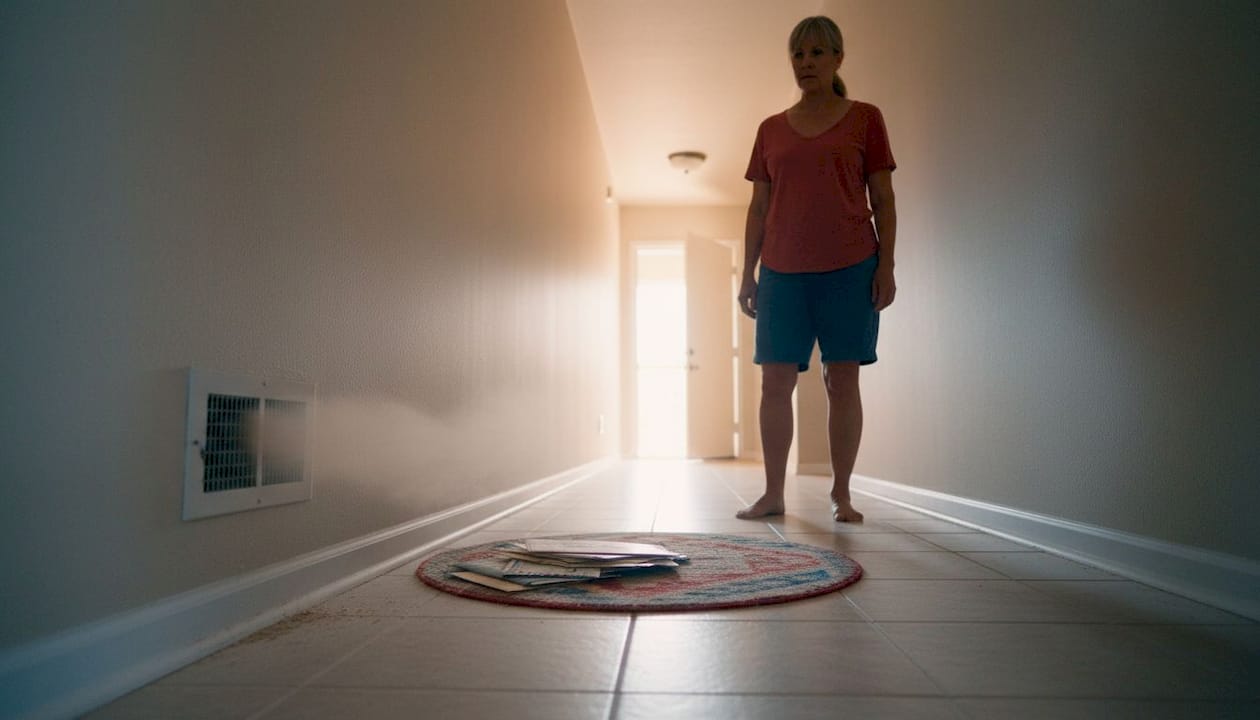
When debris accumulates inside your ductwork over months and years, it doesn’t just sit there quietly. Every time your system cycles on, it disturbs that layer of dust, mold spores, pollen, and allergens and pushes them through your living spaces. For families with asthma, allergies, or respiratory conditions, this becomes a constant, invisible irritant. But even healthy individuals can experience increased dust on surfaces, odors, and a general decline in air freshness when ductwork goes uncleaned for too long.
The energy story is equally compelling. A NADCA energy study found that blower energy was reduced by 41 to 60 percent and airflow increased by 10 to 46 percent after professional cleaning on systems with significant buildup. The U.S. Department of Energy estimates that 25 to 40 percent of heating and cooling energy is wasted in dirty systems, with typical savings ranging from 10 to 20 percent after a proper cleaning.
Those numbers matter a lot in Florida, where your air conditioner is not a seasonal appliance. It’s a year-round necessity. An HVAC system that runs 10 to 12 months a year accumulates buildup at a much faster rate than a system that runs six months in a northern climate. That means the efficiency drag from dirty ducts compounds faster here than almost anywhere else in the country.
| Energy metric | Impact of dirty ducts |
|---|---|
| Blower energy consumption | Increases 41 to 60% |
| Airflow efficiency | Drops 10 to 46% |
| Overall energy waste | 25 to 40% of heating/cooling |
| Potential savings after cleaning | 10 to 20% on energy bills |
Specific air quality risks from dirty Florida ducts:
- Mold spores thrive in humid duct environments and can trigger chronic respiratory symptoms
- Pollen from Florida’s aggressive blooming cycles gets trapped and recirculated
- Pet dander and fine dust particles build up quickly in homes with pets
- Bacteria and allergens settle on coil surfaces, reducing cooling performance
- Moisture intrusion from Florida’s humidity can cause microbial growth inside insulated ducts
Taking steps to reduce HVAC energy waste is especially valuable here, and duct cleaning is one piece of that larger efficiency puzzle. Pairing a clean system with other energy saving HVAC tips compounds your savings throughout the year.
Florida’s climate: Why local conditions demand a closer look
Because Central Florida isn’t like the rest of the country, climate and environment become critical factors in any honest conversation about duct cleaning.
Florida averages relative humidity between 70 and 90 percent for much of the year. That moisture doesn’t just hang in the outdoor air. It finds its way into your home, your walls, and critically, your ductwork. Mold needs three things to grow: organic material, oxygen, and moisture. Your ductwork provides all three in abundance. This is why Florida humidity accelerates mold and pollen buildup inside ducts, making more frequent checks genuinely justified compared to what national guidelines suggest for drier climates.
Florida also has some of the highest pollen counts in the nation. Oak, pine, and grass pollen seasons overlap throughout the spring and can extend well into summer. When that pollen enters your HVAC system through a return air intake, it doesn’t just pass through. It coats duct surfaces, accumulates on coils, and gets recirculated every time the blower runs. For allergy sufferers, this creates a feedback loop of exposure that just keeps running.
Add to that Florida’s vulnerability to tropical storms and hurricanes. Flooding or water intrusion after a major weather event can push moisture and debris directly into duct systems, creating fast conditions for mold growth. Any home that experienced water damage or flooding should have ducts inspected promptly, not months later.
When to schedule a duct inspection in Florida:
- Before peak spring allergy season (February through April) to clear accumulated pollen and debris
- After any tropical storm, hurricane, or significant water intrusion event
- After home renovations involving drywall, tile work, or demolition
- Following a confirmed pest sighting near ductwork or the air handler
- If you notice musty or stale odors coming from your vents
Pro Tip: Don’t wait until you see visible mold or smell something off. In Florida’s climate, problems develop faster and run deeper than in drier states. Scheduling an annual inspection lets you catch issues early, before a minor buildup becomes a full remediation job.
“Poor quality cleaning can worsen indoor air quality by spreading dust and debris that was previously contained. Choosing the right contractor is just as important as deciding to clean in the first place.”
Knowing when duct cleaning helps Florida homes requires understanding both national evidence and local conditions. The two don’t always align, and that gap is where informed local advice becomes invaluable.
Choosing the right duct cleaning approach and avoiding common pitfalls
Once you know duct cleaning may be needed, it’s crucial to pick the right provider and process.
Not all duct cleaning is created equal, and this is where a lot of homeowners get burned. A low-cost cleaning advertised for under $100 typically involves running a shop vac near your registers for 30 minutes and calling it done. That’s not cleaning. That’s theater. A real cleaning job, done to NADCA standards, involves physical agitation of duct surfaces, negative pressure containment to prevent debris from escaping into your living space, full system coverage including coils and air handlers, and documented post-cleaning verification.
The industry and the EPA actually agree on one important point: a bad cleaning is worse than no cleaning. Disturbing settled debris without proper containment sends those particles straight into your air supply. This is precisely why the contractor you hire matters as much as the decision to clean at all.
What to look for when choosing a duct cleaning provider:
- NADCA certification or documented training in ACR-compliant cleaning methods
- Clear explanation of tools and procedures before work begins
- Full system access including air handler, coils, and all duct branches
- Written documentation of findings before and after cleaning
- Use of HEPA-filtered vacuum equipment and proper containment
- References from local customers or verifiable online reviews
Red flags that signal a poor-quality service:
- Unusually low pricing with vague scope of work
- No inspection step before jumping into cleaning
- No mention of post-cleaning verification
- Pressure to add unnecessary treatments like chemical sprays or sealants
- No access to the air handler or coils
Pro Tip: Always ask for before and after photos or request a post-cleaning visual inspection of duct surfaces. A reputable provider will welcome the accountability. Anyone who resists that request is telling you something important.
Understanding the benefits of regular HVAC maintenance helps put duct cleaning in proper context. It’s one component of a broader system care strategy, not a standalone fix. Combining duct cleaning with consistent HVAC preventative maintenance gives your system the best chance at long-term efficiency and reliability.
Our take: Practical duct care for Central Florida homes and businesses
So, what’s the smartest move given all these cross-currents? Here’s our no-nonsense advice for Central Florida homeowners and business owners.
The national guidelines are reasonable for dry-climate states where HVAC systems run six months a year and humidity rarely exceeds 50 percent. Florida is not that state. Waiting for visible mold or pest infestation before acting means you’ve already let the problem grow to a point where it’s harder and more expensive to address. That’s not caution. That’s avoidance dressed up as caution.
We’ve seen ducts in Central Florida homes that looked perfectly fine from the outside but had significant mold colonization deeper in the system. Those homeowners weren’t negligent. They just followed generic national advice without accounting for local conditions. Annual inspections catch these situations early, when remediation is simpler and cheaper.
That said, we’re not suggesting everyone needs a cleaning every year. What we are saying is that every Central Florida home and business should have ducts professionally inspected on at least an annual basis. Let the inspection determine whether cleaning is needed. That approach respects both the EPA’s evidence-based caution and the genuine reality that Florida’s climate creates elevated risk.
The balanced position is this: don’t overspend on cleanings that aren’t needed, but don’t underinvest in inspections. The cost of an inspection is small compared to the cost of mold remediation or a failing HVAC system. And in Florida, being more proactive than the national minimum isn’t being excessive. It’s being realistic about Florida duct cleaning realities that most generic guides miss entirely.
How Lucas Air can help keep your ducts and air cleaner
Armed with the facts, here’s how you can take concrete action to protect your comfort and air quality.
At Lucas Air Conditioning and Heating, we’ve been serving Central Florida homeowners and businesses since 2018. Founder Cameron Lucas, an Army veteran, built this company on the principle that honest, thorough service beats cheap shortcuts every time. That philosophy applies directly to duct cleaning.
We offer full-system duct cleaning and indoor air quality services that follow NADCA-aligned standards, meaning we inspect before we touch, we contain while we clean, and we verify before we leave. Our team handles everything from routine duct inspections to coil cleaning, filter replacement, and post-cleaning documentation. If your system needs HVAC repairs identified during the inspection, we can address those in the same visit. We also offer preventative HVAC maintenance plans that include regular duct checks so small problems don’t become expensive ones. Reach out today to schedule your inspection and stop guessing about what’s inside your ductwork.
Frequently asked questions
How often should ducts be cleaned in Florida?
Ducts in Florida should be inspected at least annually and cleaned as needed, especially after mold exposure, pest activity, or heavy pollen seasons. Florida’s humidity accelerates buildup significantly faster than in drier climates, making regular checks genuinely important.
Does regular duct cleaning always save energy?
Not always. Savings depend on how dirty the system actually is, but studies show savings of 10 to 20 percent are realistic when cleaning is performed on systems with significant buildup. A pre-cleaning inspection determines whether your system qualifies.
Can duct cleaning improve allergy symptoms?
Yes, when ducts contain mold, dust, or allergens, a professional cleaning reduces the volume of those irritants circulating through your air. In pollen-heavy environments like Central Florida, the buildup accelerates faster and the benefit of cleaning is correspondingly greater.
What’s the difference between a professional and basic duct cleaning?
A professional cleaning follows NADCA ACR standards, using HEPA vacuums, mechanical agitation, full system inspection, and post-cleaning verification. A basic cleaning typically involves minimal equipment and no containment, which can actually stir dust into your air rather than remove it.
Recommended
- Duct Cleaning & Indoor Air Quality: Evidence & Best Practices – Lucas Air Conditioning and Heating
- When does duct cleaning really help Florida homes? – Lucas Air Conditioning and Heating
- 7 Key Benefits of Regular HVAC Maintenance for Homeowners – Lucas Air Conditioning and Heating
- 7 Benefits of Regular Air Conditioning Maintenance – Lucas Air Conditioning and Heating
