
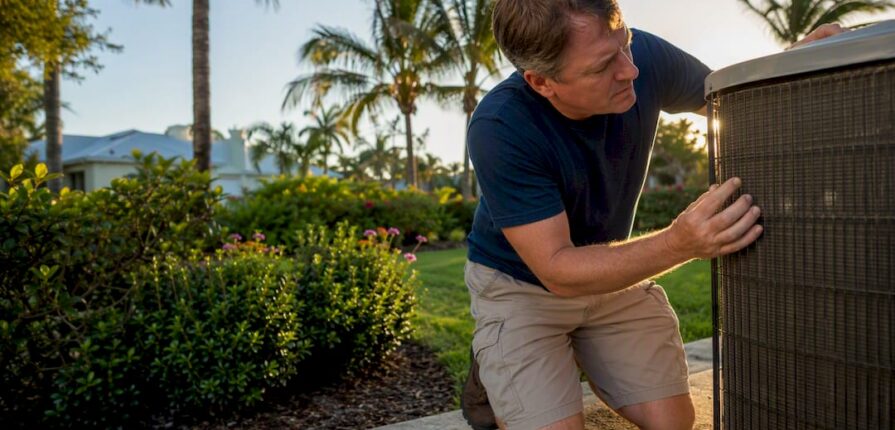
If your air conditioner is running but not cooling, the fastest path to an answer is a quick physical check, not a guess. Most of the time the cause is airflow, a thermostat setting, or a blocked outdoor condenser, all things you can check in about two minutes without touching any wiring.
Verdict: If your thermostat is set correctly, the filter is clean, and the outdoor unit isn’t buried in leaves or grass clippings, cold air should come back within a few minutes. If it doesn’t, stop troubleshooting and call a technician.
Run through this before anything else:
- Confirm the thermostat is set to “Cool,” not “Fan” or “Auto” heat, and the setpoint is at least a few degrees below room temperature.
- Set the fan switch to “Auto” rather than “On.”
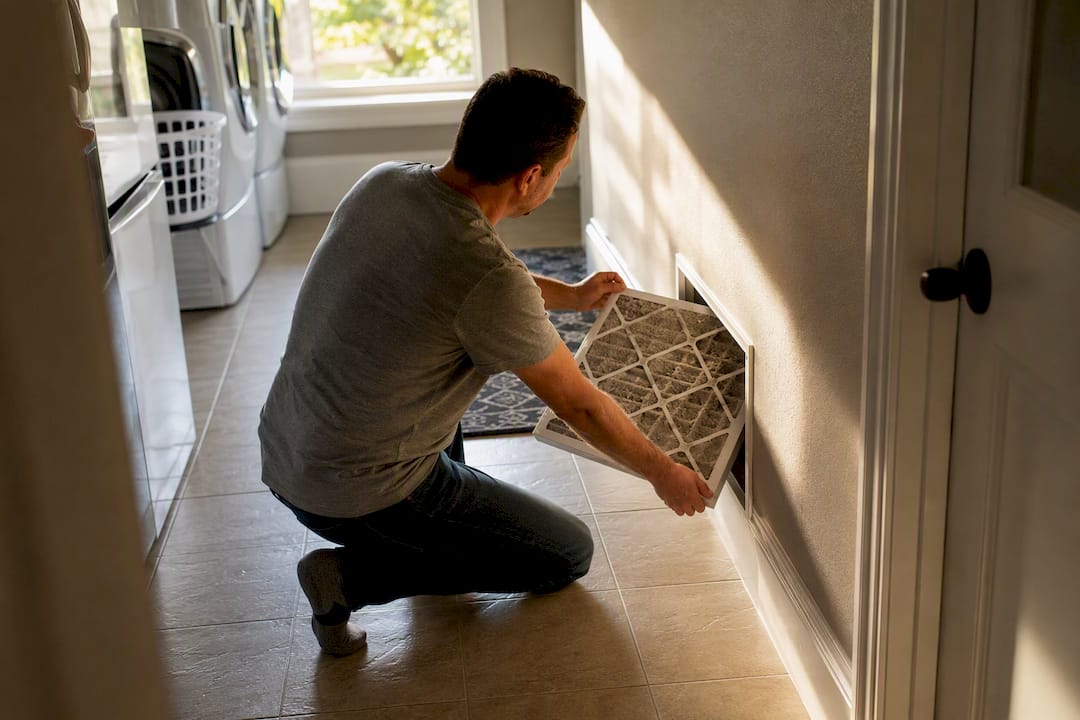
- Check the air filter for visible dust or a gray, matted look. Replace it if you can’t see light through it.
- Walk your house and make sure supply and return registers aren’t closed or blocked by furniture or rugs.
- Look at the outdoor condenser unit. Clear leaves, grass clippings, or mulch piled against the sides.
- If nothing responds, flip the breaker off for a few minutes, then back on, and check the outdoor disconnect switch is fully seated.
If cold air returns, keep an eye on things for the next hour. If it doesn’t, Venta HVAC reports that quick homeowner checks like these resolve roughly 12 to 15% of “AC running but not cooling” calls, so don’t force it further. Move to the full troubleshooting sequence below, or call a licensed technician.
Key Takeaways
Most AC cooling failures start as airflow or electrical issues that respond to a quick homeowner check, but refrigerant and compressor problems always need a licensed technician.
| Point | Details |
|---|---|
| Check the basics first | Thermostat mode, filter condition, and outdoor condenser clearance solve a real share of cases in minutes. |
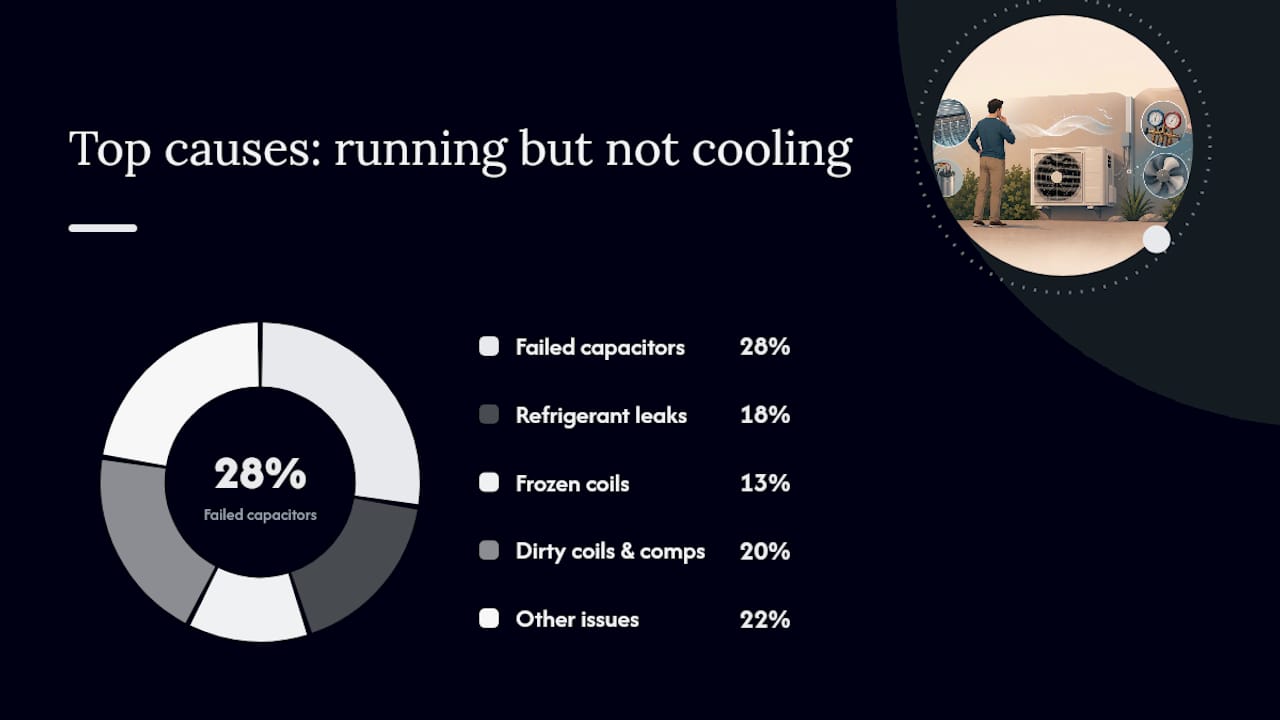
| Know the odds | Failed capacitors account for roughly 25 to 30% of “running but not cooling” service calls, more than any other cause. |
| Ice means stop, not push through | A frozen coil is a symptom of restricted airflow or low refrigerant, so turn the system off and let it thaw before running it again. |
| Red flags mean shut it down | Burning smells, repeated breaker trips, and hissing sounds mean stop DIY attempts and call a pro immediately. |
| Lucasair handles the diagnosis | Lucasair’s licensed technicians provide itemized estimates and diagnostic visits for Central Florida homeowners when DIY checks don’t restore cooling. |
Table of Contents
- Why Is My AC Not Cooling? The Common Culprits
- How Do You Troubleshoot an AC That’s Running But Not Cooling?
- When Should You Turn Off Your AC and Call a Professional?
- What Does an HVAC Technician Actually Check?
- How Do You Prevent AC Cooling Problems Before They Start?
- A Technician’s Take on the Mistakes We See Most
- Get a Straight Answer From a Local Technician
- Frequently Asked Questions
- Sources
Why Is My AC Not Cooling? The Common Culprits
An AC that runs but blows warm, weak, or lukewarm air almost always traces back to one of ten things, and knowing which category you’re dealing with saves you time and, in some cases, saves you from a bigger repair bill.
Airflow and settings problems (safe for homeowners to check):
- Incorrect thermostat mode, setpoint, or dead batteries in a wireless unit
- A dirty or clogged air filter restricting airflow through the system
- Debris, grass, or overgrown shrubs smothering the outdoor condenser coil
- Closed or furniture-blocked supply and return registers
- A tripped breaker or a flipped outdoor disconnect switch
- A clogged condensate drain line causing a safety switch to shut the system down
Mechanical and electrical problems (call a licensed pro):
- A frozen evaporator coil, usually a symptom of restricted airflow rather than a cause on its own
- Low refrigerant from a leak in the sealed system
- A failed capacitor, contactor, or a struggling compressor
- Leaky or poorly sealed ductwork bleeding cooled air into your attic or crawlspace
Carrier lists dirty filters, wrong thermostat settings, and a blocked condenser coil as the three most common reasons an AC runs but doesn’t cool, which lines up with what most service techs see on a typical Central Florida summer call. The dividing line between DIY and professional work is pretty simple: if it involves refrigerant lines, high voltage components, or anything inside the sealed system, it’s not a weekend project.
Pro Tip: Don’t assume your AC is “low on refrigerant” because it’s old. Refrigerant lives in a sealed loop and doesn’t get consumed the way gasoline does. If a system is low, it’s leaking somewhere, and a technician needs to find and seal that leak before adding more. This is backed up by Carrier’s own guidance on refrigerant systems.
Here’s a number worth knowing before you call anyone: on service calls specifically for “running but not cooling,” Venta HVAC found failed capacitors show up in roughly 25 to 30% of cases, refrigerant leaks in 15 to 20%, frozen coils in 10 to 15%, dirty outdoor coils around 10%, and failed compressors in 8 to 12%. Ductwork and thermostat issues make up most of what’s left. That ranking is useful because it tells you the odds favor an electrical part failure or a coil problem well before you get to the expensive scenario, a dead compressor. For more on how these failures show up day to day, see this rundown of common AC repair issues homeowners run into.
How Do You Troubleshoot an AC That’s Running But Not Cooling?
Work through these steps in order. Each one rules out a cause, and each has a natural stopping point where you either see improvement or move to the next check.
- Check the thermostat mode and setpoint. Set it to “Cool” and drop the setpoint five degrees below current room temperature. Wait five minutes and listen for the outdoor unit kicking on.
- Set the fan to “Auto,” not “On.” Running the fan continuously can make air feel lukewarm even when the system is cooling normally, since it circulates air between cooling cycles.
- Pull the air filter and hold it up to a light. If you can’t see through it, replace it. A severely clogged filter is one of the most common reasons coils freeze over, according to FindHVACRepair.
- Walk the house and check every register. Closed vents in unused rooms restrict airflow more than people expect, and a return grille blocked by a couch can starve the whole system.
- Inspect the outdoor condenser unit. Clear grass clippings, leaves, and any shrubs growing within two feet of the cabinet. Straighten bent fins gently if you see them, but don’t force anything.
- Reset the system once. Turn the thermostat off, flip the breaker off for two minutes, then restore power and check the outdoor disconnect switch is pushed in fully. Trane recommends this basic reboot before assuming a bigger fault. If breakers keep tripping, stop here. This guide on breaker trips walks through what a repeated trip usually means.
- Look for ice on the refrigerant lines or indoor coil. If you see frost or a solid ice block, turn the system to “Fan Only” or off entirely and let it thaw for a few hours before running it again. Never chip at ice with a tool.
- Check the condensate drain line for a clog. A wet, musty smell near the indoor unit or standing water in the drain pan usually means the line is backed up, and many systems have a safety float switch that shuts cooling off entirely when this happens.
- If you’re comfortable with a thermometer, measure delta-T. Hold it at the return air grille, note the temperature, then check the supply register air. A healthy system typically cools air by around 14°F between return and supply. A gap much smaller than that points to a real problem, and a gap much larger can point to airflow issues too.
Safety note: if you see exposed wiring, smell anything electrical, or the outdoor unit hums but won’t start, do not keep flipping the breaker. Repeated trips can damage the compressor. Stop and call a licensed technician.
While you go through this list, jot down what you notice: unusual sounds, smells, how long the system runs before it stops cooling, and any error codes on a smart thermostat. That information cuts diagnostic time significantly when a technician arrives, because it points them toward the failure mode instead of starting from zero.
When Should You Turn Off Your AC and Call a Professional?
Some symptoms mean stop immediately, not “keep an eye on it.” HVACDatabase is direct about this: high-voltage components, refrigerant issues, persistent ice, burning smells, and repeated breaker trips are all situations where continuing to run the system risks turning a simple repair into a compressor replacement.
Watch for these and act right away:
- Burning smell or visible smoke: shut off the thermostat and breaker, and evacuate if you smell anything like burning plastic or gas. Call 911 for a suspected fire or gas leak.
- Breaker trips more than once: stop resetting it. Repeated trips usually mean a short or an overloaded compressor trying to start.
- Loud grinding, screeching, or banging: turn the unit off. These sounds usually mean a failing motor bearing or a loose part about to cause real damage.
- Hissing sound or oily residue near the lines: this points to a refrigerant leak. Turn the system off and call a licensed tech.
- Ice that won’t fully thaw or keeps coming back: turn off cooling and call for service instead of repeating the thaw cycle.
- Water pooling indoors: shut the system off to prevent water damage and check the drain line, but don’t run it again until the clog is cleared.
Running a malfunctioning AC “just a little longer” is how a $200 part failure turns into a $2,000 compressor job. When in doubt, shut it down and call.
What Does an HVAC Technician Actually Check?
A technician’s visit follows a logical sequence, and knowing what it looks like helps you understand what you’re paying for. They’ll typically check the breaker, contactor, and capacitor first since electrical faults are the most common cause on service calls. From there, they test refrigerant pressures and look for leak signs, check compressor performance, inspect and clean both coils, test the blower motor, look over accessible ductwork, and check the condensate drain. Many will also take a delta-T reading, the same supply versus return measurement mentioned above, since a system that’s not hitting roughly 14°F of temperature drop is telling them something specific about where the fault sits.
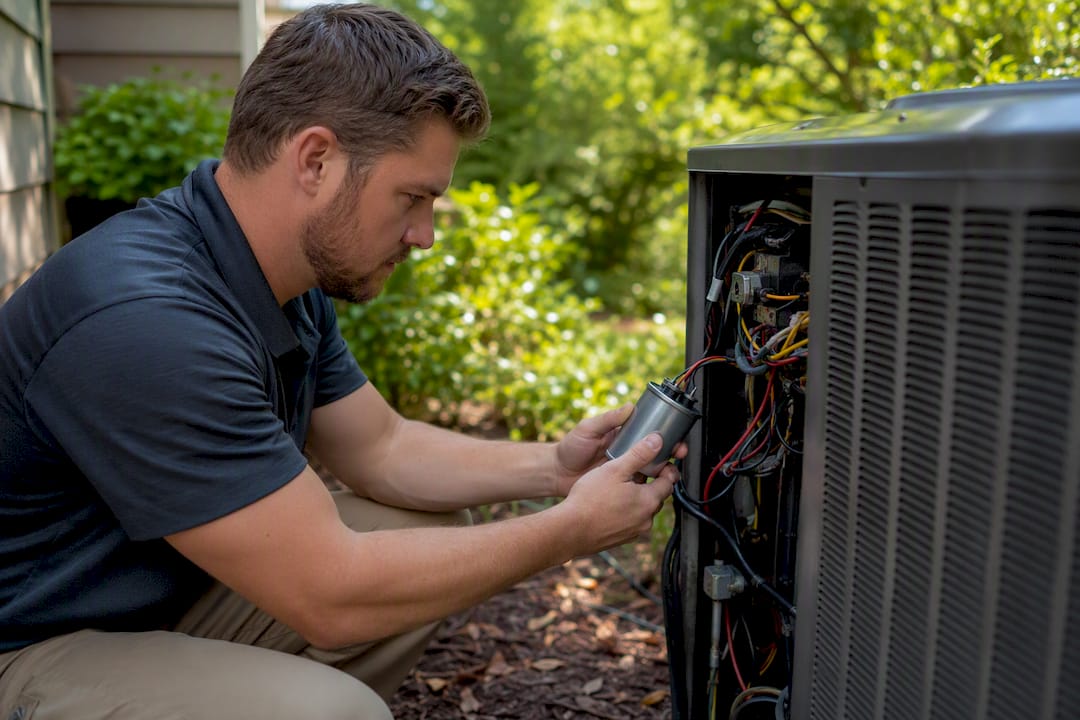
Repair costs vary a lot depending on the part. A capacitor or contactor swap sits at the low end of the repair spectrum, refrigerant leak repairs and recharges cost more because of labor and refrigerant pricing, and compressor replacement is the most expensive repair a residential system faces, often approaching the cost of a partial system upgrade. Ask for a written, itemized estimate before any work begins. According to HVACDatabase, a diagnostic or service call fee isn’t just a cost of doing business. It’s what pays for an accurate diagnosis instead of a guess, and it protects you from paying for a repair that doesn’t actually fix the problem.
Pro Tip: When you schedule service, ask three questions upfront: is the technician EPA certified for refrigerant handling, does the estimate list parts and labor separately, and how does this repair affect any existing warranty on the unit? Good answers to all three usually mean you’re dealing with a shop that won’t surprise you later. You can see what a transparent repair process looks like in this residential repair workflow guide.
How Do You Prevent AC Cooling Problems Before They Start?
Most of the failures covered above are preventable with a handful of habits spread across the year, not a single big project.
- Change or wash your air filter every one to three months, more often if you have pets or run the system constantly during summer.
- Clear leaves, grass, and debris from around the outdoor condenser every few weeks during peak season.
- Keep supply and return registers open and unblocked by furniture, curtains, or rugs.
- Schedule an annual tune-up that includes a coil cleaning and a temperature performance check.
- Inspect the condensate drain line once a year, or immediately if you notice water near the indoor unit.
- Replace thermostat batteries annually and confirm smart thermostat settings after any power outage.
Refrigerant work and compressor repairs stay in licensed-technician territory no matter how comfortable you are with a screwdriver, but consistent maintenance is exactly what keeps those bigger failures from happening in the first place. A preventative maintenance agreement handles most of this list on a schedule, which matters more in Central Florida than most places, since the season that stresses a system runs longer here than almost anywhere else in the country.
A Technician’s Take on the Mistakes We See Most
The calls we run into most aren’t complicated system failures. They’re a dirty filter left in for six months, or a homeowner who kept flipping a tripped breaker until the compressor gave out. Catching a weak capacitor or a clogged coil early is a cheap fix. Waiting until the system stops entirely usually isn’t.
Get a Straight Answer From a Local Technician
You’ve run the checklist. The filter’s clean, the thermostat’s right, and the outdoor unit still isn’t cooling the house. That’s the point where a phone call beats another hour of guessing, and it’s exactly where Lucasair’s residential technicians pick up.

We serve homeowners across Central Florida with diagnostic visits, repairs, tune-ups, and maintenance agreements built around one idea: you should know what’s wrong and what it costs before any work starts. A diagnostic fee isn’t a gimmick. It’s what pays for a technician to actually find the failing capacitor or the coil that’s icing over instead of swapping parts and hoping. Every estimate we write is itemized, so you can see exactly what you’re approving.
If your system passed the two-minute checklist and still isn’t cooling, schedule a repair visit or check out our full service list to find the right fit for your situation.
Frequently Asked Questions
Why is my AC running but not cooling the house?
The most likely causes are a dirty air filter, an incorrect thermostat setting, or a blocked outdoor condenser coil. Rule those out first before suspecting refrigerant or compressor problems.
Why won’t my AC turn on at all?
Check the breaker and the outdoor disconnect switch first. If the breaker keeps tripping after a single reset, stop and call a technician rather than resetting it repeatedly.
What does it mean if central air is not cooling but the fan runs?
This usually points to a frozen evaporator coil, a refrigerant leak, or a failed compressor, since the blower can run normally even when the cooling side of the system has failed.
How long should I wait after resetting my thermostat before assuming something’s wrong?
Give the system five to ten minutes after any reset or setpoint change. If the outdoor unit hasn’t kicked on or the air hasn’t started cooling by then, move to the next troubleshooting step.
Can I fix a refrigerant leak myself?
No. Refrigerant systems are sealed and handling refrigerant legally requires EPA certification. A leak needs a licensed technician to locate and seal it before recharging the system.
Sources
For deeper troubleshooting details straight from the manufacturers and industry sources referenced throughout this guide:
- Air Conditioner Troubleshooting — Trane
- Why Is My AC Not Blowing Cold Air? 7 Common Causes — Carrier
- AC Running But Not Cooling? 8 Causes Ranked — Venta HVAC
- Tips for Knowing When to Call an HVAC Pro — HVACDatabase
- Air Conditioning Repair: DIY Fixes vs. Calling a Pro — FindHVACRepair
Recommended
- Things to Check Before Your AC Repair Call – Lucas Air Conditioning and Heating
- Step-by-step air conditioner assessment guide for homeowners – Lucas Air Conditioning and Heating
- Step by Step AC Troubleshooting for Homeowners – Lucas Air Conditioning and Heating
- Common AC Repair Issues Every Homeowner Should Know – Lucas Air Conditioning and Heating
