
TL;DR:
- Air conditioners rarely blow up and usually fail due to electrical issues, neglected maintenance, or refrigerant mishandling.
- Early warning signs include burning smells, breaker trips, and weak airflow, which should prompt immediate professional attention.
- Regular inspections and proper upkeep significantly reduce the risk of dangerous failures and ensure system safety.
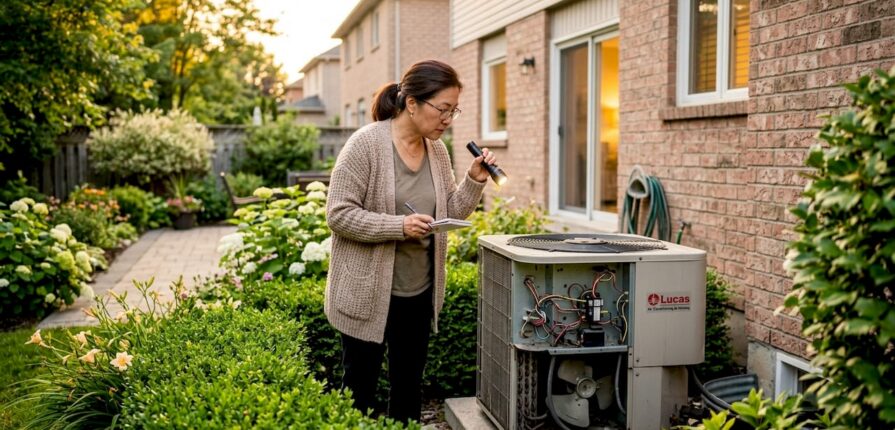
Air conditioners can blow up, but the event is extremely rare and almost always caused by preventable failures like electrical malfunctions, neglected maintenance, or improper refrigerant handling. The industry term for what most people call an “AC explosion” is a thermal runaway event or capacitor burst, though electrical fires are the more common outcome. Understanding what actually causes these incidents gives you the power to stop them before they start. This article covers the real risks, the warning signs you should never ignore, and the maintenance steps that keep your system safe.
Can air conditioners blow up, and what actually causes it?
AC explosions are extremely rare and almost always trace back to long-term negligence, faulty wiring, or blocked airflow from dirty filters and coils. That means the risk is not random. It is the result of specific, identifiable problems building up over time.
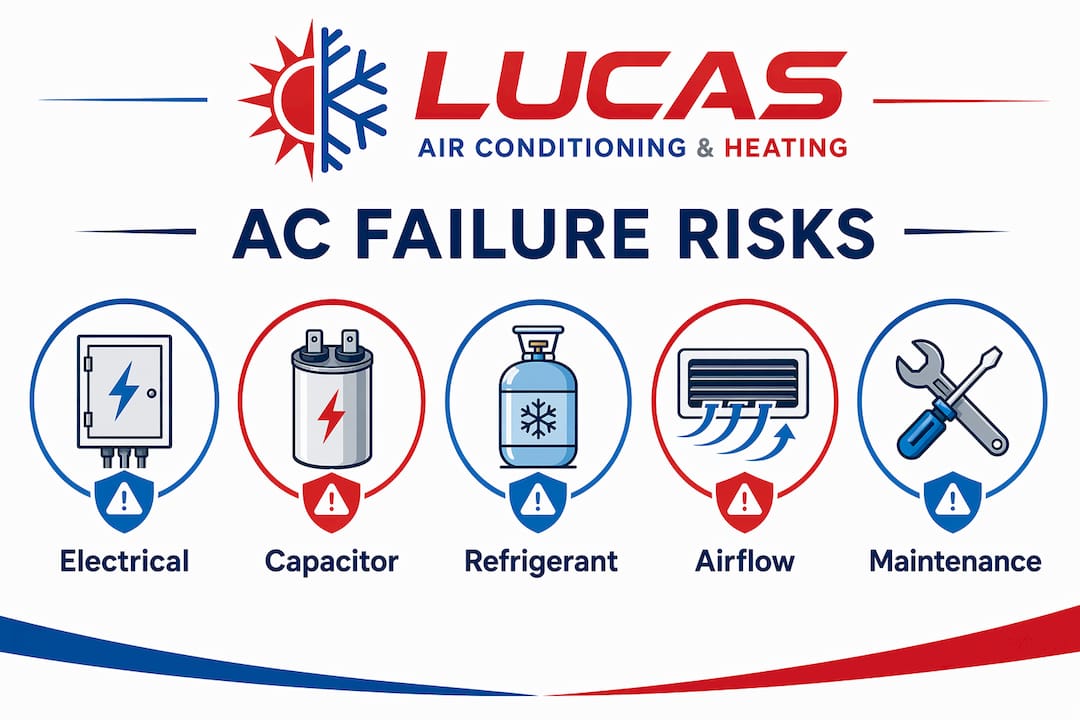
Electrical failures
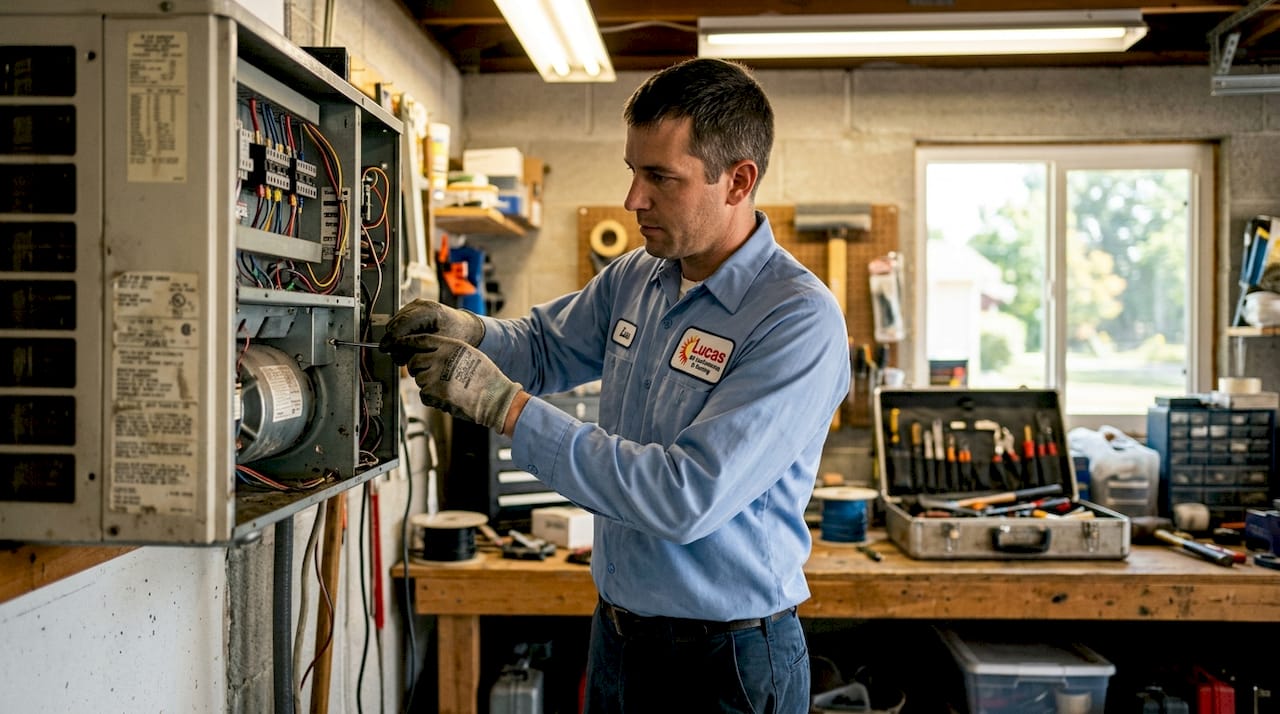
Faulty wiring is the most direct path to an AC fire or explosion. Loose connections arc and generate heat. Overloaded circuits force components to draw more current than they were designed to handle. Voltage fluctuations stress capacitors and motor windings, shortening their lifespan with every power surge.
Capacitor failure
Residential AC capacitors often fail between 7 and 10 years, especially in high-heat climates or homes with frequent power surges. A capacitor stores and releases electrical charge to start and run the compressor and fan motors. When it degrades, it can swell, leak, or burst. That burst is what most homeowners describe as a small explosion inside the unit.
Refrigerant leaks and improper handling
Refrigerant gas under pressure is a serious hazard when it escapes into a confined space near an ignition source. Unauthorized refrigerant top-ups using the wrong gas type create pressure imbalances that stress the compressor. Improper refrigerant handling is one of the most cited causes of dangerous AC incidents.
Blocked airflow and overheating
Dust buildup and clogged filters restrict airflow, forcing the system to work harder and build up internal heat and pressure. An overheating compressor generates heat inside its motor windings. If the capacitor is also failing, the increased current draw accelerates insulation breakdown, and that combination creates a genuine fire risk.
Pro Tip: Never run your AC with a visibly dirty filter for more than a week. A clogged filter is one of the cheapest problems to fix and one of the most dangerous to ignore.
What warning signs indicate an explosion or fire risk?
Catching a problem early is the difference between a service call and a safety emergency. Your AC will almost always give you signals before it fails in a dangerous way. Learn to read them.
- Burning or melting plastic smell. This signals insulation or wiring burning inside the unit. Turn the system off immediately and call a technician.
- Buzzing, humming, or clanking noises. A weak or failing capacitor causes humming and intermittent cooling, especially during the hottest hours of the day. Clanking points to a loose or broken mechanical component.
- Frequent circuit breaker trips. Constantly tripping breakers are a critical warning sign of electrical faults that can lead to fire. Do not simply reset the breaker and move on.
- Warm or weak airflow. Sluggish AC performance and weak airflow often mean components are struggling due to airflow blockages or a failing capacitor, increasing the risk of overheating.
- Swollen or leaking capacitor. A visibly bulging capacitor can is a sign of imminent failure. This is a component only a licensed technician should handle.
- Unexplained spike in electricity bills. A system working harder than it should draws more power. A sudden increase in your bill without a change in usage habits is a sign of internal component stress.
Knowing these signs of HVAC system issues early gives you time to act before a small problem becomes a dangerous one.
How to prevent AC explosions and keep your system safe
Prevention is straightforward. The steps below are not complicated, but they require consistency. Skipping them is exactly how most dangerous AC failures develop.
- Schedule annual professional inspections. Neglect over time is the leading cause of dangerous HVAC electrical events. A certified technician can spot frayed wiring, refrigerant leaks, and corrosion that are invisible to an untrained eye. Annual inspections are the industry standard for a reason.
- Clean or replace filters every 1 to 3 months. Dirty filters are the single most common cause of restricted airflow and overheating. This is the one maintenance task every homeowner can do themselves.
- Clean the evaporator and condenser coils annually. Dirty coils reduce heat transfer efficiency, forcing the compressor to work harder and run hotter.
- Never attempt DIY electrical or refrigerant repairs. Industry guidance strongly warns homeowners against opening electrical panels or handling refrigerant due to high voltage and pressurized gas risks. Review the HVAC repair myths that lead homeowners into dangerous DIY territory.
- Use only the correct refrigerant type. Your system is designed for a specific refrigerant. Using the wrong type creates pressure imbalances that stress the compressor and increase explosion risk.
- Verify your electrical wiring and circuit protection. Older homes with outdated wiring are at higher risk. A licensed electrician or HVAC technician should confirm your system has proper circuit breaker protection sized for your AC unit.
- Avoid running the system continuously at maximum capacity. Giving the unit rest cycles during extreme heat reduces thermal stress on the compressor and capacitor.
Pro Tip: A preventative maintenance agreement with a licensed HVAC company removes the guesswork. Technicians track your system’s age, flag aging components, and schedule service before failures happen.
How common are AC explosions, and what does the data say?
The honest answer is that true AC explosions are very uncommon. What gets reported as an “explosion” is almost always a capacitor burst, an electrical fire, or a compressor failure. These events are serious, but they are not the same as a structural explosion.
Capacitor failure develops over time through thermal expansion and chemical breakdown inside the component, leading to bulging or leaking before the final failure. This process is gradual. A technician who inspects the unit annually will almost always catch it before it becomes dangerous.
“An AC ‘explosion’ is usually an electrical failure or capacitor burst. Built-in safety mechanisms like circuit breakers exist precisely to stop these events from escalating. Owners who ignore tripping breakers or strange noises are bypassing the system’s own warning system.”
The table below shows the most common failure points and their associated risk levels.
| Failure type | Risk level | Primary cause |
|---|---|---|
| Capacitor burst | Moderate | Thermal stress, age, power surges |
| Electrical fire | High | Faulty wiring, overloaded circuits |
| Compressor overheating | Moderate to high | Blocked airflow, failed capacitor |
| Refrigerant leak ignition | High | Improper handling, damaged lines |
| Filter-related overheating | Low to moderate | Neglected filter replacement |
Failure to replace a weak capacitor causes increased current draw through motors, leading to overheating, insulation breakdown, and fire risk. Addressing it early prevents both the safety hazard and a much more expensive repair. The importance of system inspections cannot be overstated for homeowners who want to stay ahead of these failure points.
Key Takeaways
Air conditioner explosions are preventable events driven by electrical failures, aging capacitors, and neglected maintenance, not random mechanical bad luck.
| Point | Details |
|---|---|
| Explosions are rare but real | Most “AC explosions” are capacitor bursts or electrical fires caused by neglect. |
| Capacitors are the top failure point | Capacitors fail between 7 and 10 years; heat and power surges accelerate the process. |
| Warning signs come first | Burning smells, tripping breakers, and humming noises signal danger before failure occurs. |
| DIY repairs increase risk | High voltage and pressurized refrigerant make electrical and refrigerant work dangerous for untrained homeowners. |
| Annual inspections prevent most incidents | A licensed technician catches frayed wiring, leaks, and aging components before they become hazards. |
What I’ve learned from watching homeowners ignore the obvious
The most common mistake I see is homeowners treating a tripping circuit breaker as a nuisance rather than a warning. They reset it, the AC runs again, and they move on. That cycle repeats until the wiring fails or the capacitor bursts. By then, the repair cost is three to five times what a single inspection would have cost.
The second mistake is assuming that a “new enough” unit is safe without maintenance. A three-year-old system running in a high-heat climate with a dirty filter and no service history is more dangerous than a ten-year-old system that gets annual checkups. Age matters less than care.
Homeowners also underestimate how much Florida’s heat accelerates component wear. Thermal stress shortens capacitor lifespan faster here than in cooler climates. That makes the annual AC maintenance schedule more critical in Central Florida than almost anywhere else in the country.
The bottom line is this: the risk is real, but it is almost entirely within your control. A system that gets professional attention once a year and has its filters changed regularly will almost never reach the point of a dangerous failure. The homeowners who end up with a burned-out unit or a fire call are, with very few exceptions, the ones who skipped the basics for years.
— Results
Lucasair keeps your AC safe year-round
Knowing the risks is the first step. Acting on them is what actually protects your home.

Lucasair provides professional HVAC maintenance, safety inspections, and repair services for homeowners and tenants across Central Florida. Cameron Lucas and his certified team inspect electrical connections, test capacitors, check refrigerant levels, and identify any component showing early signs of failure. A Lucasair maintenance agreement puts your system on a regular inspection schedule so nothing gets missed. For homeowners in The Villages and surrounding areas, Lucasair’s trusted HVAC contractor services cover everything from tune-ups to full system repairs. Schedule your inspection before the next heat wave hits.
FAQ
Can an air conditioner actually explode?
Yes, but true explosions are extremely rare. What most people experience is a capacitor burst or electrical fire, both of which are serious but distinct from a structural explosion.
What causes an AC unit to catch fire?
Faulty wiring, overloaded circuits, failed capacitors, and blocked airflow are the leading causes of AC fires. Most fires develop from long-term neglect rather than sudden mechanical failure.
How do I know if my AC is a fire hazard?
Burning smells, frequent circuit breaker trips, humming noises, and warm airflow are the clearest warning signs. Any one of these symptoms warrants a professional inspection.
Are air conditioners dangerous if not maintained?
An unmaintained AC unit carries a meaningfully higher risk of electrical failure, overheating, and component failure. Annual professional servicing reduces that risk significantly.
Can I fix AC electrical problems myself?
No. High voltage components and pressurized refrigerant inside AC units make DIY electrical repairs genuinely dangerous. Always use a licensed HVAC technician for electrical and refrigerant work.
Recommended
- Air Conditioning Terminology: A Homeowner’s Guide – Lucas Air Conditioning and Heating
- Step by Step AC Troubleshooting for Homeowners – Lucas Air Conditioning and Heating
- 6 Signs of HVAC System Issues Every Homeowner Should Know – Lucas Air Conditioning and Heating
- AC Unit Sounds: What Every Homeowner Needs to Know – Lucas Air Conditioning and Heating
