
TL;DR:
- Landlords should perform condition-based duct inspections and cleaning only when EPA triggers are present, not on a fixed schedule. Proper documentation, NADCA-certified vendors, and thorough cleaning of all HVAC components help maintain indoor air quality and prevent tenant disputes. Regular inspections, detailed records, and integrating maintenance into HVAC routines improve system performance and tenant satisfaction.
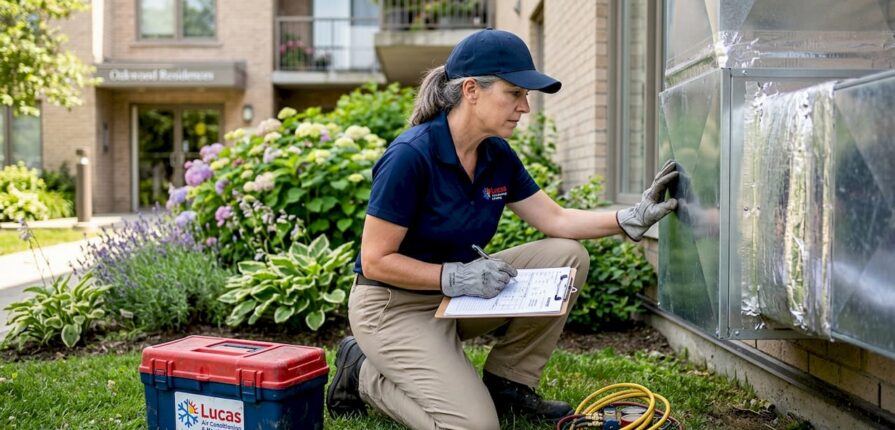
A landlord duct cleaning workflow is a systematic process covering inspection, cleaning, and verification steps to maintain HVAC efficiency and indoor air quality in rental properties. Most landlords treat duct cleaning as a reactive task, scheduling it only after tenants complain. That approach costs more in the long run. A structured workflow built on EPA guidance and NADCA standards keeps systems running well, reduces energy costs, and protects you from indoor air quality disputes before they start.
What is the right landlord duct cleaning workflow?
The core of an effective duct cleaning process for landlords is condition-based scheduling, not calendar-based guessing. The EPA does not recommend routine duct cleaning on a fixed schedule. Cleaning is warranted only when specific conditions exist: visible mold growth inside ducts or on HVAC components, confirmed vermin infestation, or excessive debris blocking airflow. That guidance shifts the burden of proof from the calendar to the condition of the system itself.
NADCA standards fill in the rest of the framework. Annual professional inspections are the baseline, with full cleaning intervals of 3–5 years for typical residential units. High-turnover rentals, properties near construction sites, or units with pets or smokers may need cleaning more frequently. The inspection is what tells you where on that range your property falls.
The workflow also covers documentation and vendor management. A landlord who inspects annually, cleans only when conditions justify it, and keeps records of every service call has a defensible position if a tenant ever raises an air quality concern. That combination of timing, execution, and paperwork is what separates a real workflow from a one-time service call.
Inspection triggers every landlord should track
Use this checklist to decide when a cleaning is actually needed:
- Visible mold or mildew on supply or return vents
- Musty or stale odors that persist after filter changes
- Confirmed rodent or insect activity in ductwork
- Excessive dust buildup on registers within weeks of cleaning
- New tenant move-in after a long vacancy or renovation
- HVAC system replacement or major repair
- Tenant complaints about allergy symptoms or poor airflow
When should landlords schedule duct inspections?
Timing inspections correctly is the first practical step in landlord air quality maintenance. Schedule a professional inspection at every unit turnover and at least once per year for occupied units. Turnover inspections catch damage or contamination left by previous tenants before a new lease begins. Annual inspections for occupied units catch slow-developing problems like gradual debris buildup or early-stage mold before they become expensive.
Condition-based scheduling using recorded IAQ data and building use patterns produces better results than fixed intervals. A property with a high-efficiency air handler and monthly filter changes may go 5 years between cleanings. A ground-floor unit in a humid Florida climate with older ductwork may need attention every 2 years. The inspection data tells you which situation you are dealing with.
Proper landlord ventilation system care also reduces HVAC energy costs. Well-maintained duct systems can cut energy costs by up to 20–30% compared to neglected systems. That figure represents real money across a multi-unit portfolio.
What qualifications and tools should landlords require from vendors?
Vendor selection is where most landlords make their biggest mistake. Price is the wrong primary filter. NADCA experts recommend choosing providers based on adherence to established cleaning standards, not the lowest bid. A cheap vendor who cleans only the registers and calls it done creates recurring problems and tenant complaints.
Require the following from any vendor before signing a contract:
- NADCA certification confirming the technician follows the ACR (Assessment, Cleaning, and Restoration) standard
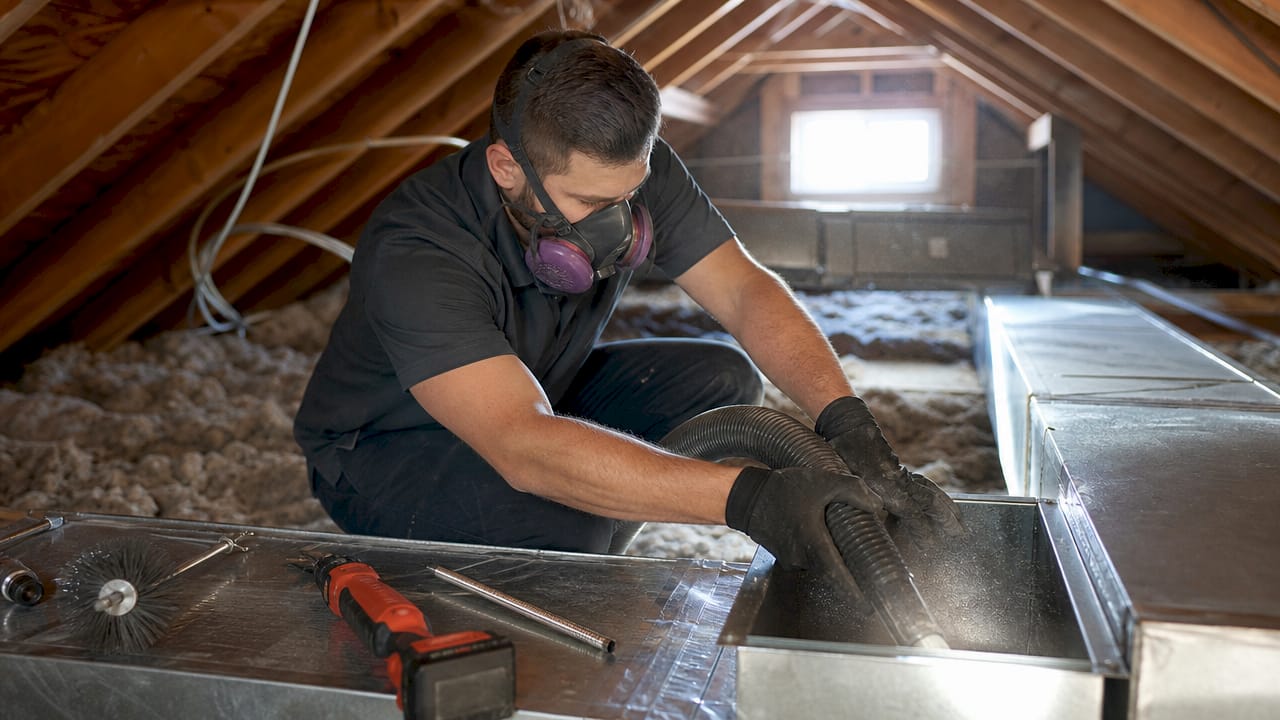
- HEPA-rated vacuum equipment to capture dislodged particulates rather than redistribute them
- Mechanical agitation tools such as rotary brushes or air whips to loosen debris from duct walls
- Before and after documentation including photos or video of key system components
- Written scope of work specifying every component to be cleaned, not just duct interiors
Hiring NADCA-certified providers following the ACR standard protects landlords from incomplete work and gives tenants confidence in the process. Ask vendors directly how they handle coils, drain pans, and blower housings. If they cannot answer clearly, find someone else.
Pro Tip: Request a written pre-cleaning inspection report before any work begins. That document becomes your baseline for comparing future inspections and proves due diligence if a tenant ever files an air quality complaint.
Step-by-step duct cleaning process for landlords
A repeatable, documented process is what turns a one-time service into a real workflow. Follow these steps every time:
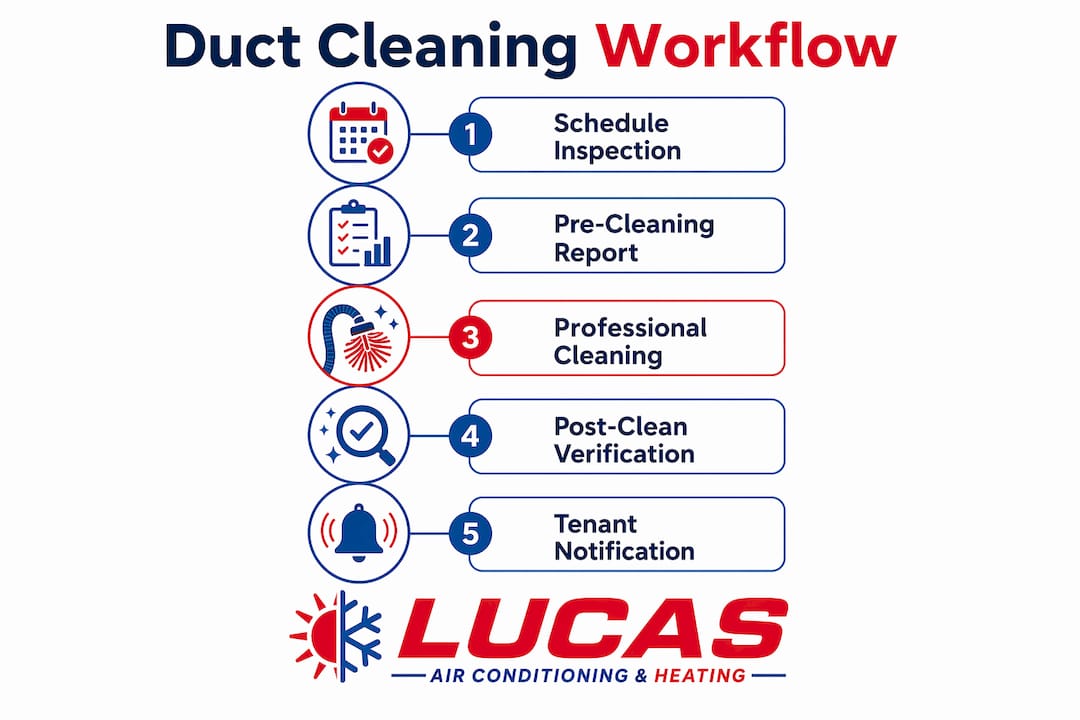
- Schedule the inspection. Contact a NADCA-certified technician at least 2 weeks before a unit turnover or at the annual inspection date. Confirm the scope covers all HVAC components.
- Notify tenants in writing. Send written notice at least 48 hours before the inspection. Include the date, time, expected duration, and what access the technician needs. Proper tenant notification reduces disputes and keeps the process moving in multi-unit buildings.
- Conduct the visual inspection. The technician inspects supply and return ducts, registers, coils, drain pans, and the air handling unit. The inspection report should include photos and a written summary of findings.
- Determine if cleaning is warranted. Review the inspection findings against EPA condition-based triggers. If mold, vermin evidence, or significant debris is present, authorize the cleaning. If the system is clean, document the inspection and schedule the next one.
- Execute the full system cleaning. Thorough cleaning must cover all HVAC components: ducts, coils, drain pans, and fan housings. Cleaning only duct interiors leaves contamination in the system.
- Verify the results. Request post-cleaning photos and a written completion report. Walk through the unit and check airflow at each register. Confirm filters are replaced.
- File all documentation. Store the inspection report, cleaning report, photos, and vendor certification in a property-specific folder. Digital storage with a consistent naming convention makes retrieval fast during audits or tenant disputes.
| Workflow step | Key action | Documentation required |
|---|---|---|
| Pre-inspection scheduling | Book NADCA-certified technician | Vendor certification on file |
| Tenant notification | Written notice 48 hours prior | Copy of notice in tenant file |
| Visual inspection | Full system assessment with photos | Signed inspection report |
| Cleaning decision | Compare findings to EPA triggers | Decision log with rationale |
| Full system cleaning | All components per ACR standard | Scope of work and completion report |
| Post-cleaning verification | Airflow check and photo review | Before and after photo set |
For a detailed breakdown of the step-by-step cleaning process, Lucasair’s 2026 home guide covers each phase with specific technique guidance.
What mistakes do landlords make in duct cleaning management?
The most common and costly mistake is partial cleaning. Cleaning only registers or duct interiors while skipping coils, drain pans, and blower motor housings leads to recurring odors and airflow problems. Tenants notice, and complaints follow. The fix is requiring a written scope of work that names every component before any technician starts.
Other frequent pitfalls include:
- Skipping documentation. A verbal confirmation from a vendor is not a record. Always require written reports and photos.
- Ignoring the air handling unit. Failing to clean coils and drain pans leads to mold growth and persistent odors that no amount of duct cleaning will fix.
- Poor tenant communication. Scheduling cleaning without notice creates access problems and tenant friction. Written notice is both courteous and legally protective.
- Choosing vendors by price alone. The cheapest bid almost always means incomplete work. The cost of a callback or a tenant dispute exceeds any savings from a low-bid vendor.
- Treating duct cleaning as isolated. Duct cleaning works best as part of a broader HVAC maintenance program that includes filter changes, coil cleaning, and annual tune-ups.
Pro Tip: Integrate your duct cleaning schedule into your overall HVAC maintenance calendar. Pair cleaning appointments with annual tune-ups so technicians can flag related issues like refrigerant levels or worn belts in the same visit. This approach from UK landlord HVAC planning guides mirrors what experienced property managers do across markets.
How does documentation improve tenant satisfaction and compliance?
Documentation is the part of the duct cleaning process most landlords underinvest in. Visual inspections produce critical records including photos, findings, and recommended scope that protect landlords from indoor air quality liability. A well-organized record system turns every service call into evidence of responsible property management.
Store the following for each property and each service event:
- Signed inspection reports with technician name and NADCA certification number
- Before and after photos of ducts, coils, and drain pans
- Vendor invoices with itemized scope of work
- Tenant notification copies with dates
- Filter change logs tied to each inspection
Sharing a summary of inspection results with tenants after each service builds trust. A one-page note stating the date of inspection, what was found, and what was done costs nothing to produce. It signals that you take air quality seriously. That signal reduces complaints, improves lease renewals, and gives you a paper trail if a dispute ever reaches a mediator or court. For landlords managing multiple units, a commercial property cleaning guide can help standardize documentation across the portfolio.
Key Takeaways
A structured landlord duct cleaning workflow built on EPA condition-based triggers, NADCA-certified vendors, and thorough documentation protects HVAC systems, reduces energy costs, and prevents tenant air quality disputes.
| Point | Details |
|---|---|
| Use condition-based scheduling | Clean only when EPA triggers are met: mold, vermin, or significant debris. |
| Inspect annually at minimum | Schedule professional inspections yearly and at every tenant turnover. |
| Require NADCA certification | Only hire vendors following the ACR standard with HEPA equipment and written scope. |
| Clean all HVAC components | Ducts, coils, drain pans, and fan housings must all be included in every cleaning. |
| Document every service event | Store inspection reports, photos, and vendor certifications for each property. |
What I have learned managing duct cleaning across rental properties
The landlords who get this right are not the ones who clean the most often. They are the ones who inspect consistently and act on what they find. I have seen property managers spend money on annual cleanings for units that did not need them, while ignoring coil contamination that was driving up energy bills and triggering tenant complaints. The inspection is the leverage point. Get that right, and the rest of the workflow falls into place.
Vendor management is where the real discipline shows. Requiring a written scope of work before any cleaning starts feels like extra paperwork until the first time a vendor tries to bill for work they did not do. That document protects you. The same goes for post-cleaning photos. A before-and-after photo set takes five minutes to review and gives you a record that is worth far more than its weight in any dispute.
The cost-versus-thoroughness tension is real, but it resolves itself quickly when you calculate the cost of a callback, a tenant complaint, or an HVAC repair caused by a neglected drain pan. Thorough cleaning done every 3–5 years on a well-inspected system beats cheap cleaning done annually every time. Build the workflow, stick to it, and let the documentation do the heavy lifting.
— Results
Lucasair supports landlords with professional duct cleaning services
Landlords in Central Florida need a service partner who understands the full workflow, not just the cleaning step.
Lucasair provides NADCA-aligned duct cleaning for residential and commercial rental properties, covering all HVAC components from duct interiors to coils, drain pans, and blower housings. The team handles scheduling coordination, produces before and after documentation, and supports landlords with the records they need for tenant communication and compliance. Whether you manage a single rental home or a multi-unit portfolio, Lucasair’s preventative maintenance program keeps your HVAC systems performing year-round. For landlords ready to build a complete duct cleaning and maintenance plan, the commercial duct cleaning guide is the right starting point.
FAQ
How often should landlords clean air ducts?
The EPA recommends cleaning only when specific conditions exist: visible mold, vermin, or significant debris. NADCA advises annual inspections with full cleaning every 3–5 years for typical residential units, more frequently for high-turnover properties.
What does a complete duct cleaning include?
A complete cleaning covers duct interiors, supply and return registers, evaporator coils, drain pans, and the blower motor housing. Cleaning only the registers or duct interiors leaves contamination in the system and causes recurring problems.
Are tenants responsible for duct cleaning in rental properties?
Duct cleaning is the landlord’s responsibility in most lease structures, as it involves the building’s HVAC infrastructure. Tenants are typically responsible for replacing air filters on a regular basis, as specified in the lease agreement.
What should landlords look for when hiring a duct cleaning vendor?
Require NADCA certification, HEPA-rated vacuum equipment, mechanical agitation tools, and a written scope of work covering all HVAC components. Never select a vendor based on price alone.
How does duct cleaning affect tenant satisfaction?
Clean ducts improve airflow, reduce odors, and lower the risk of allergy-related complaints. Sharing inspection and cleaning records with tenants after each service builds trust and reduces disputes over indoor air quality.
Recommended
- Commercial Duct Cleaning Guide for Property Managers – Lucas Air Conditioning and Heating
- Step by Step Duct Cleaning: Home Guide for 2026 – Lucas Air Conditioning and Heating
- Restaurant duct cleaning: Keep compliant and customers happy – Lucas Air Conditioning and Heating
- HVAC Repair Workflow Residential: Step-by-Step Guide
