
TL;DR:
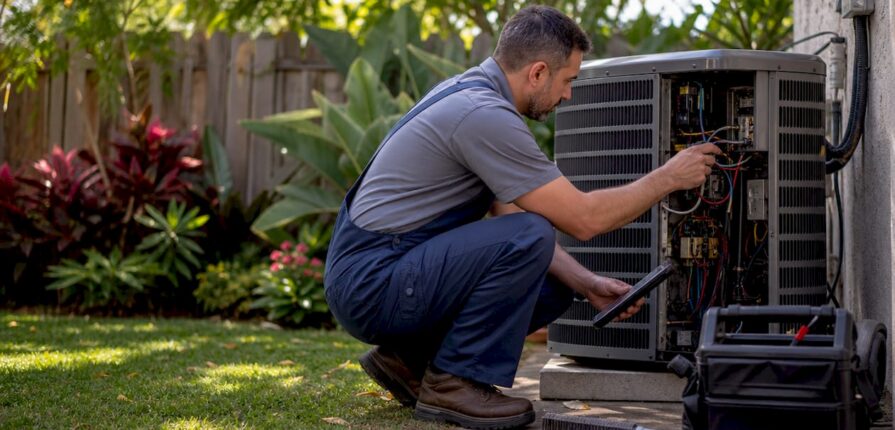
- Homeowners and property managers should recognize signs of HVAC system failure, efficiency loss, and safety hazards before inspections. Early detection helps prevent costly repairs, unsafe conditions, and emergency breakdowns in Florida’s hot climate. Conducting visual checks for common red flags and consulting licensed technicians ensures system longevity and safety.
HVAC red flags for inspections are specific signs of system malfunction, inefficiency, or safety risk that homeowners and property managers must recognize before a formal inspection takes place. Catching these warning signs early protects your investment, keeps energy bills in check, and prevents the kind of emergency breakdowns that Central Florida’s brutal summer heat turns into genuine crises. Industry data confirms that problems like duct leaks waste 20–30% of conditioned air, and improper sizing accelerates compressor wear by 30–50%. Knowing what to look for before an inspector arrives puts you in control.
What are the top 10 HVAC red flags for inspections?
The ten items below represent the most common and costly warning signs that home inspectors flag in Central Florida properties. Each one signals a problem that ranges from reduced efficiency to immediate safety risk.
1. System age beyond its expected lifespan
Age is the single most reliable predictor of imminent failure. Central Florida’s year-round heat pushes air conditioners harder than systems in cooler climates, so a unit approaching or past 10–15 years deserves serious scrutiny. Furnaces and heat pumps typically last 15–20 years. A system at the edge of its lifespan may pass a basic operational test but fail within months of a sale closing.
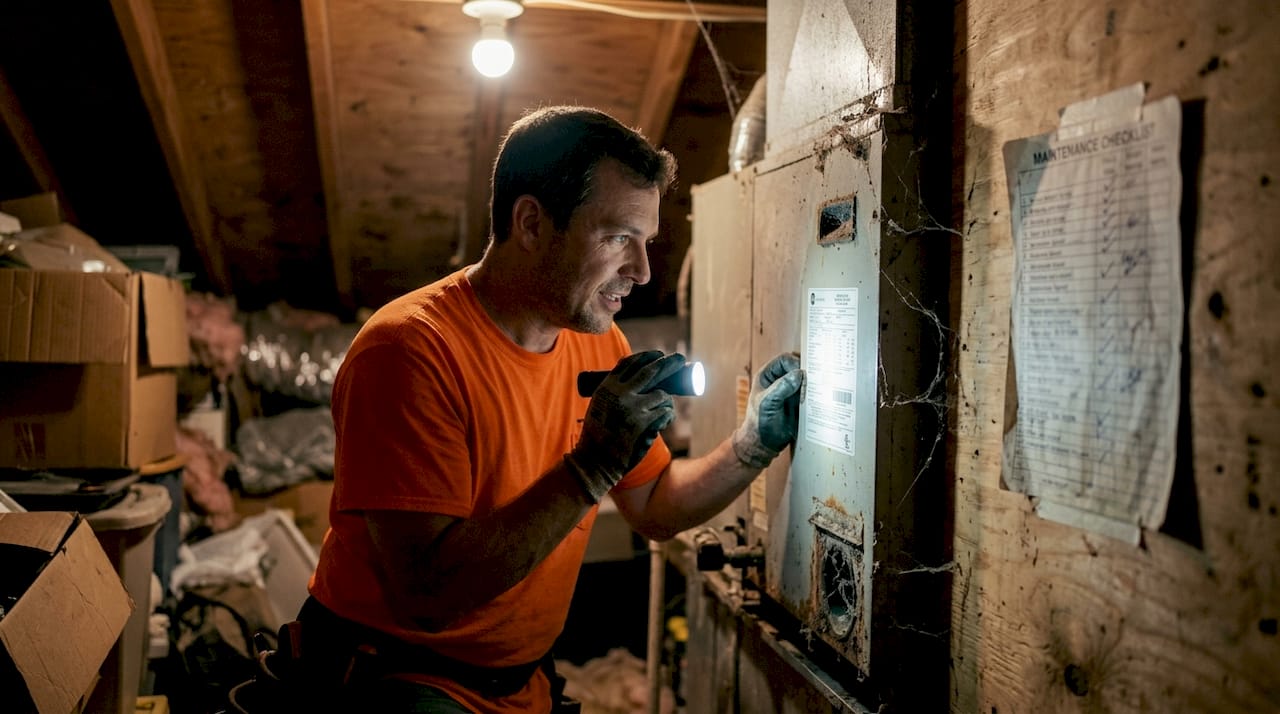
Pro Tip: Check the manufacturer’s data plate on the outdoor condenser unit. The first four digits of the serial number often encode the production year, giving you an instant age estimate without calling anyone.
2. Leaky or poorly insulated ductwork
Duct leaks waste 20–30% of conditioned air before it ever reaches a living space. That loss shows up directly on your electric bill and forces the air handler to run longer cycles, wearing components faster. In Central Florida attics, where summer temperatures regularly exceed 130°F, uninsulated ducts also absorb heat that defeats the cooling system entirely. Look for disconnected flex duct sections, torn duct wrap, and gaps at register boots as clear signs of this problem.
3. Frequent repairs or a rising energy bill trend
A system that has needed more than 2 repairs in 12 months is entering its high-cost failure phase. That threshold matters because individual repairs can seem manageable in isolation, but the pattern reveals a system breaking down across multiple components. A consistent upward trend in energy bills tracked over three billing cycles tells the same story from a different angle. Pull the last 12 months of utility statements before any inspection and compare them month over month.
4. Visible rust, corrosion, or water damage
Rust on the outdoor condenser unit signals internal compromise to coils, motors, and wiring. Florida’s humidity accelerates corrosion faster than in drier climates, so surface rust is rarely cosmetic. Water stains on the air handler cabinet or ceiling near supply vents indicate a condensate overflow or refrigerant issue. Either finding warrants a closer look from a licensed technician before the inspection closes.
5. Uneven temperatures and weak airflow
Rooms that are consistently hotter or colder than the thermostat setting point to duct blockages, blower problems, or a system that is sized wrong for the home. Weak airflow at registers often means a clogged filter, a failing blower motor, or collapsed flex duct somewhere in the run. Walk every room with the system running and note any temperature imbalance greater than 3–4 degrees from the thermostat set point. That gap is a reliable indicator of a distribution problem worth investigating.
6. Strange noises during operation
Grinding, screeching, and rattling during HVAC operation consistently precede mechanical failure. Screeching typically points to a failing belt or bearing in the blower motor. Rattling suggests loose panels, debris in the cabinet, or a failing compressor. Clanking during startup often means a loose or broken component inside the compressor. Document the type of noise and when it occurs during the cycle, because that detail cuts diagnostic time significantly.
7. Safety hazards: cracked heat exchangers and flame color
Cracked heat exchangers and yellow or orange burner flames pose an immediate carbon monoxide poisoning risk. A healthy gas burner burns blue. Any orange or yellow tint means incomplete combustion, which produces CO. A cracked heat exchanger allows combustion gases to mix with conditioned air circulating through the home. These findings require immediate repair or replacement. Safety concerns related to combustion outweigh every other cost consideration in an inspection finding.
8. Clogged or improperly sloped condensate drain lines
Clogged condensate drains cause water damage, mold growth, and automatic system shutdowns. Central Florida’s humidity means air conditioners pull large volumes of moisture from the air every day, and that water must drain freely. A drain line that slopes back toward the unit, or one blocked by algae growth, will overflow into the air handler cabinet and the surrounding structure. Check the drain pan under the air handler for standing water or rust stains, both of which confirm a drainage problem.
Pro Tip: Pour a cup of water into the condensate drain pan during your inspection walkthrough. If it drains slowly or backs up, the line is partially blocked and needs flushing before the inspection.
9. Missing, dirty, or wrong-size air filters
A filter clogged with dust restricts airflow across the evaporator coil, causing the coil to freeze and the system to lose cooling capacity. A missing filter means unfiltered air has been pulling dust and debris directly onto the coil and blower wheel for months. A filter that is the wrong size leaves gaps around the edges, bypassing filtration entirely. Any of these conditions accelerates wear on every downstream component and signals a pattern of deferred maintenance.
10. Signs of refrigerant leaks
Hissing sounds near the refrigerant lines, oil stains on the copper tubing or fittings, and ice buildup on the evaporator coil all indicate a refrigerant leak. Low refrigerant forces the compressor to work harder to maintain set-point temperatures, shortening its life. Refrigerant does not deplete on its own. A system that needs a recharge has a leak somewhere in the circuit, and that leak must be found and repaired before adding refrigerant makes any sense.
How installation issues and maintenance history create HVAC red flags
Poor installation and missing maintenance records are two of the most underrated warning signs on any HVAC inspection checklist. A system can look clean and operate on the day of inspection while hiding years of damage caused by improper setup.
Improper equipment sizing causes short cycling, where the system turns on and off too frequently to complete a full cooling or heating cycle. Short cycling accelerates compressor wear by 30–50% and prevents the system from dehumidifying the air properly, a serious problem in Central Florida’s climate. An oversized unit cools the air quickly but leaves the home feeling clammy because it never runs long enough to pull moisture out.
Common installation problems to look for include:
- Disconnected or kinked flex duct runs that restrict airflow
- Missing duct insulation in attic spaces
- Refrigerant lines without proper insulation on the suction line
- Electrical disconnect boxes that are inaccessible or improperly wired
- Outdoor units placed without adequate clearance for airflow
Maintenance records tell the story of how a system has been treated. A homeowner who cannot produce any service records for a 10-year-old system is effectively confirming years of neglect. Early detection of installation defects and maintenance neglect is the most reliable way to prevent emergency failures in hot, humid climates. Ask for records before the inspection, not after.
Pro Tip: Request the last two years of service invoices and cross-reference them with the system’s age. A 12-year-old unit with no records and no recent tune-up is a strong candidate for replacement, regardless of how it performs on inspection day.
What safety concerns should homeowners watch for during HVAC inspections?
Safety red flags require immediate action regardless of the overall inspection outcome. Safety concerns related to combustion and gas are the highest priority for repair or replacement, outweighing cost concerns in every case.
The most critical safety warning signs include:
- Orange or yellow burner flames indicating incomplete combustion and CO production
- Cracked heat exchangers allowing combustion gases to enter living spaces
- Backdrafting flue pipes where exhaust gases reverse direction and enter the home
- Gas leak indicators such as a sulfur smell, dead vegetation near the gas line, or a hissing sound near the meter or unit
- Electrical hazards including exposed wiring, a missing disconnect box cover, or a breaker that trips repeatedly when the system starts
Backdrafting is particularly dangerous because it is invisible and odorless. It occurs when negative pressure inside the home pulls flue gases back down the exhaust pipe instead of venting them outside. Homes with tight insulation and gas appliances are most vulnerable. A licensed technician can perform a combustion analysis and spillage test to confirm whether backdrafting is occurring. Do not wait for a second opinion on any of these findings. You can also check for indoor air quality issues that often accompany combustion problems, including elevated CO levels and poor ventilation.
How ductwork and airflow issues reveal hidden HVAC problems
Duct condition is one of the most revealing and most overlooked parts of any HVAC inspection. The duct system is the delivery network for every dollar spent on heating and cooling, and problems there undermine even a perfectly functioning air handler.
Leaky ducts waste 20–30% of conditioned air, which means a system running at full capacity may only deliver 70–80% of its rated output to the living space. That gap forces longer run times, higher bills, and faster component wear. In Central Florida attics, missing duct insulation compounds the problem by allowing the duct surface to absorb radiant heat from the roof deck.
| Duct problem | Symptom you can observe |
|---|---|
| Disconnected flex duct | One room significantly warmer or cooler than others |
| Crushed or kinked duct | Weak airflow at one or more registers |
| Missing insulation | Condensation or sweating on duct surface |
| Leaky duct connections | Dusty supply registers, high energy bills |
| Improperly supported ducts | Sagging sections visible in attic or crawl space |
Walk the attic if it is safely accessible and look for flex duct that has pulled apart at connections, collapsed sections, or duct wrap that has fallen away. Check supply registers in every room for airflow balance. A room with little to no airflow almost always has a duct problem upstream. Preventative HVAC maintenance that includes duct inspection catches these issues before they become expensive repair calls.
Key Takeaways
Recognizing HVAC red flags before an inspection protects Central Florida homeowners from costly repairs, safety hazards, and failed systems in the middle of peak cooling season.
| Point | Details |
|---|---|
| Age and repair frequency | Systems older than 10–15 years or needing 2+ repairs yearly are high-risk. |
| Duct leaks cost real money | Leaky ducts waste 20–30% of conditioned air and raise energy bills. |
| Safety red flags come first | Cracked heat exchangers and orange flames require immediate repair, no exceptions. |
| Installation quality matters | Improper sizing causes short cycling and accelerates compressor wear by 30–50%. |
| Maintenance records reveal history | No service records on an aging system strongly suggests years of neglect. |
What I’ve learned from HVAC inspections in Central Florida
Standard home inspections are functional checks, not full diagnostics. A clear inspection report does not guarantee that every component will last another season. Inspectors confirm the system turns on and blows air. They do not pressure-test refrigerant circuits, measure static pressure in duct systems, or perform combustion analysis on gas equipment. That gap is where expensive surprises hide.
What I have seen repeatedly in Central Florida is that the combination of age, missing maintenance records, and high humidity creates failures that no visual inspection catches in time. A 12-year-old system with clean filters and a fresh coat of paint on the cabinet can look fine on inspection day and fail in july when it runs 16 hours straight. The real story is always in the records, the utility bills, and the duct system, not the cabinet exterior.
The most useful thing a homeowner or property manager can do is combine a visual walkthrough using the red flags listed here with a professional HVAC technician evaluation before closing or before listing a property. System inspections by a licensed technician go deeper than what a general inspector covers and give you accurate information about remaining component life. Acting on red flags early costs a fraction of what an emergency replacement costs in the middle of a Florida summer.
— Lucasair
Lucasair is ready to help with your HVAC inspection needs
When an inspection turns up warning signs, the next step is a professional evaluation from a technician who knows Central Florida systems.

Lucas Air, based in Eustis, Florida, provides residential and commercial HVAC inspections, repairs, tune-ups, and preventative maintenance across Lake County and the surrounding area. The team understands how Florida’s heat and humidity accelerate system wear, and they bring that local knowledge to every service call. Whether you need a residential repair assessment after spotting red flags or a full HVAC repair workflow to address multiple issues at once, Lucasair offers straightforward scheduling and financing options. Call or book online to get a clear picture of your system’s condition before it becomes an emergency.
FAQ
What are the most common HVAC red flags during a home inspection?
The most common red flags include system age beyond 10–15 years, leaky ductwork, frequent repairs, visible rust or water damage, and unusual noises during operation. Each signals a system under stress that may fail soon after purchase.
How do I know if my HVAC system is the wrong size?
Short cycling, where the system turns on and off frequently without completing a full cycle, is the clearest sign of an oversized unit. Persistent humidity indoors despite the system running also points to a sizing problem.
Are HVAC safety issues always caught during a standard home inspection?
Standard home inspections do not include combustion analysis, refrigerant pressure testing, or detailed duct diagnostics. A licensed HVAC technician evaluation is the only way to confirm safety issues like cracked heat exchangers or backdrafting.
What does a yellow or orange burner flame mean?
A yellow or orange flame indicates incomplete combustion, which produces carbon monoxide. A healthy gas burner burns blue. Any other color requires immediate inspection and repair by a licensed technician.
How often should ductwork be inspected in Central Florida?
Ductwork in Central Florida should be inspected every 2–3 years given the region’s extreme heat, humidity, and year-round system use. Signs of HVAC issues like uneven room temperatures or rising energy bills are reasons to inspect sooner.
Recommended
- Commercial HVAC standards for Central Florida properties – Lucas Air Conditioning and Heating
- HVAC considerations for real estate in Central Florida – Lucas Air Conditioning and Heating
- 6 Signs of HVAC System Issues Every Homeowner Should Know – Lucas Air Conditioning and Heating
- HVAC checklist for rental properties in Central Florida 2026 – Lucas Air Conditioning and Heating
