
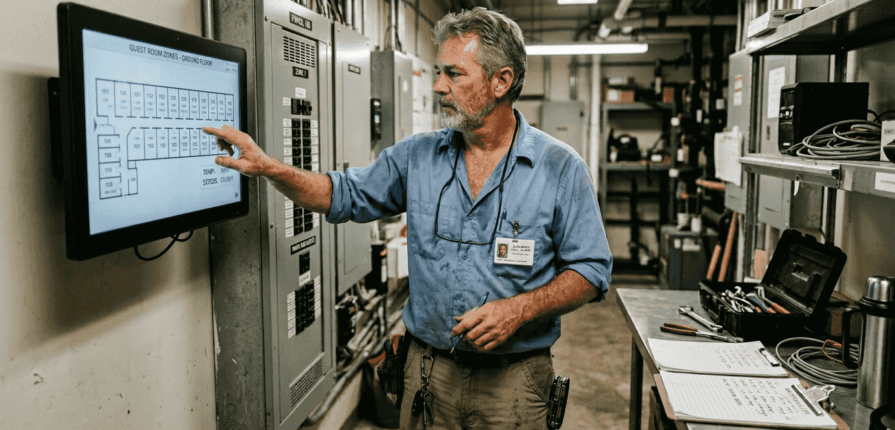
Choosing the right HVAC system for your hospitality facility in Central Florida directly impacts guest comfort, operational costs, and your bottom line. With the region’s intense heat and humidity, hotels, restaurants, and medical offices need reliable climate control that performs efficiently year round. This guide walks you through proven HVAC solutions, selection criteria, and cost strategies to help you make informed decisions that balance comfort with long term value.
Table of Contents
- How To Choose The Right HVAC System For Hospitality Facilities
- Packaged Rooftop Units: The Cost-Effective Workhorse
- Variable Refrigerant Flow (VRF) Systems: Advanced Zoning And Efficiency
- Split HVAC Systems: Tailored Zones For Smaller Venues
- Specialized HVAC Solutions For Medical Offices And High-Quality Air
- Cost, Financing, And Operational Maintenance Strategies
- Summary Comparison Table And Recommendations By Use Case
- Explore Expert Hospitality HVAC Services And Solutions
Key takeaways
| Point | Details |
|---|---|
| Selection criteria matter | Energy efficiency ratings, zoning capability, and climate adaptability determine long term performance and cost savings. |
| Packaged rooftop units deliver value | These all-in-one systems offer cost-effective solutions for mid-sized facilities with available rooftop space. |
| VRF systems excel at large scale | Variable refrigerant flow technology provides up to 30% energy savings and supports 64 independent zones for complex facilities. |
| Split systems suit smaller venues | Lower upfront costs make split systems ideal for boutique hotels and medical offices, though scalability is limited. |
| Maintenance impacts total cost | Preventive care reduces energy waste by 15% and extends equipment lifespan, making service agreements critical. |
How to choose the right HVAC system for hospitality facilities
Selecting the optimal HVAC system starts with understanding what makes hospitality environments unique. Guest expectations for comfort run high, while operational budgets demand efficiency. Your choice affects everything from energy bills to maintenance schedules, so getting the fundamentals right matters.
Prioritizing energy ratings like SEER and EER helps reduce operating costs in Florida’s heat. SEER measures cooling efficiency over a typical season, while EER indicates performance during peak conditions. For Central Florida’s climate, look for systems rated SEER 15 or higher and EER 12 or above. Higher ratings translate directly to lower monthly utility expenses, especially during summer months when air conditioning runs constantly.
Zoning capability separates basic systems from sophisticated solutions. Hotels need different temperatures in guest rooms, lobbies, kitchens, and conference spaces. Restaurants require distinct climate control for dining areas versus kitchens. Medical offices must maintain precise conditions in exam rooms and waiting areas. Systems with robust zoning let you control each space independently, eliminating energy waste from overcooling empty areas.
Integration with building management systems streamlines operations across your facility. Modern energy-efficient HVAC technologies connect to centralized controls, enabling remote monitoring, automated scheduling, and real time alerts. You can adjust settings from a smartphone, track energy usage patterns, and catch problems before they escalate into costly repairs.
Maintenance requirements vary significantly between system types. Some designs need quarterly filter changes and annual inspections, while others demand specialized technician visits. Calculate the total cost of ownership including routine service, not just the purchase price. Systems with accessible components and standardized parts typically cost less to maintain over their 15 to 20 year lifespan.
Central Florida’s unique climate profile demands systems tested for high humidity and consistent heat. Equipment designed for northern climates often underperforms here, struggling with moisture removal and running inefficiently. Verify that any system you consider carries manufacturer ratings for subtropical conditions and comes with warranties covering Florida installations.
Pro Tip: Request performance data from installations in similar Central Florida facilities before committing to a system. Real world results from local hotels or restaurants provide better insight than manufacturer specifications alone.
Packaged rooftop units: the cost-effective workhorse
Packaged rooftop units consolidate all HVAC components into a single weatherproof cabinet installed on your building’s roof. These self-contained systems include the compressor, condenser, evaporator, and air handler in one unit, simplifying installation and reducing the space needed inside your facility. Their popularity stems from straightforward design and proven reliability in commercial applications.

Packaged rooftop HVAC units account for 60% of commercial installations in Southeastern US hospitality sector. This dominance reflects their practical advantages for facilities with adequate structural support and accessible rooftop areas. Hotels and restaurants particularly favor these units because they free up valuable interior square footage for revenue generating spaces.
Energy efficiency in rooftop units typically ranges from SEER 13 to 16, with capacity options spanning 3 to 50 tons. Mid-range models deliver solid performance for most hospitality applications without premium pricing. Newer units incorporate variable speed compressors and advanced controls that optimize efficiency during partial load conditions, which is how systems operate most of the time.
Cost considerations make rooftop units attractive for budget conscious managers. Hospitality grade units range from $3,000 for smaller 3 ton systems up to $15,000 for 20 ton units, not including installation. The straightforward installation process typically costs less than split or VRF systems because all connections happen in one location. This simplicity reduces labor hours and potential installation errors.
Maintenance access presents both advantages and challenges. Technicians can service all components from the roof without disrupting guests or operations inside. However, rooftop exposure means units face harsher conditions from sun, rain, and debris. Plan for more frequent filter changes and coil cleaning compared to indoor equipment. Establishing roof access protocols and safety measures is essential for routine service visits.
Best applications include mid-sized hotels with 50 to 150 rooms, standalone restaurants, and single story hospitality buildings. These facilities benefit from the benefits of HVAC upgrades without needing the sophisticated zoning of larger properties. Rooftop units work particularly well for properties undergoing renovations, as the rooftop installation minimizes interior construction disruption.
- Quick installation with minimal interior work required
- Lower upfront costs compared to VRF or complex split systems
- All components accessible from single rooftop location
- Proven reliability in commercial hospitality environments
- Suitable for facilities with 10,000 to 50,000 square feet
Variable refrigerant flow (VRF) systems: advanced zoning and efficiency
Variable refrigerant flow technology represents the most sophisticated HVAC solution available for hospitality facilities. VRF systems use refrigerant as the cooling and heating medium, adjusting flow rates precisely to match the thermal load in each zone. This capability enables simultaneous heating and cooling in different areas, perfect for hotels where some guests want warmth while others prefer cooler temperatures.
The technology supports up to 64 independently controlled zones from a single outdoor unit. Each zone connects to its own indoor air handler with individual temperature settings. Guests in different rooms can set their preferred comfort levels without affecting neighbors or wasting energy in unoccupied spaces. Conference rooms, restaurants, and fitness centers all maintain optimal conditions independently.
VRF systems offer up to 30% energy savings compared to traditional HVAC in hospitality applications. These savings accumulate year after year, offsetting the higher initial investment within 5 to 7 years for most installations. The efficiency gains come from eliminating ductwork losses, precisely matching capacity to demand, and recovering heat from cooling zones to warm other areas.
Modular installation makes VRF ideal for phased renovations common in hospitality. You can install the system floor by floor or wing by wing without disrupting occupied areas. Each phase becomes operational immediately, generating returns while construction continues elsewhere. This flexibility proves invaluable for hotels that cannot afford full closure during upgrades.
Cost considerations require careful analysis. Complete VRF installations range from $15,000 to $50,000 depending on building size and zone complexity. The higher upfront expense compared to conventional systems can strain budgets. However, financing programs spread costs over time while energy savings begin immediately. Many advantages of VRF systems justify the investment for facilities prioritizing long term operational efficiency.
Large hotels with 150 or more rooms gain the most from VRF technology. Mixed use properties combining hotel rooms, restaurants, meeting spaces, and retail also benefit from the advanced zoning. Medical office buildings within hospitality complexes appreciate the precise temperature control and quiet operation VRF systems deliver.
- Supports simultaneous heating and cooling in different zones
- Reduces energy consumption by 25 to 35 percent compared to standard systems
- Enables phased installation without disrupting operations
- Provides whisper quiet operation ideal for guest areas
- Requires specialized technicians for installation and service
Pro Tip: Calculate your facility’s current energy costs and project VRF savings over 10 years. The total cost of ownership often favors VRF despite higher purchase prices, especially with rising utility rates.
VRF systems transform how hospitality facilities approach climate control, shifting from building wide settings to personalized comfort zones that enhance guest satisfaction while slashing energy waste.
Split HVAC systems: tailored zones for smaller venues
Split systems divide HVAC components between outdoor condensing units and indoor air handlers connected by refrigerant lines. Single split systems serve one zone, while multi split configurations connect multiple indoor units to one outdoor unit. This design offers flexibility for smaller hospitality venues that need zone control without VRF complexity.
Energy efficiency in split systems typically ranges from SEER 14 to 18, matching or exceeding rooftop units. Ductless mini split versions eliminate ductwork losses entirely, boosting efficiency another 10 to 15 percent. The absence of ducts also speeds installation and reduces the potential for air quality issues from dirty ductwork.
Upfront costs favor split systems for smaller applications. Single zone units start around $2,000 installed, while multi split systems serving 4 to 8 zones range from $8,000 to $20,000. These prices make split systems accessible for boutique hotels, bed and breakfast properties, and small medical offices. The investment remains reasonable even for facilities with limited capital budgets.
Scalability limitations become apparent in larger facilities. While multi split systems can serve up to 8 zones, managing more zones requires multiple outdoor units. This multiplies equipment costs and complicates maintenance schedules. Beyond 10 to 12 zones, VRF systems typically deliver better value and performance.
Installation considerations include outdoor unit placement and refrigerant line routing. Outdoor units must sit within 50 to 150 feet of indoor units depending on the model, limiting placement options. Refrigerant lines run through walls, requiring careful planning to minimize aesthetic impact in guest facing areas. Professional installation ensures proper refrigerant charge and system performance.
Appropriate applications include boutique hotels under 50 rooms, standalone restaurant locations, medical office suites, and hospitality facilities with straightforward layouts. Split systems work particularly well for properties in historic buildings where adding ductwork would be impractical. Commercial HVAC services options include expert consultation on whether split systems match your facility’s needs.
- Lower upfront investment compared to VRF or large rooftop systems
- Ductless versions eliminate energy losses from leaky ductwork
- Flexible installation in buildings where duct routing is difficult
- Limited to 8 zones per outdoor unit in multi split configurations
- Outdoor units must be positioned within specific distance from indoor units
Specialized HVAC solutions for medical offices and high-quality air
Medical offices within hospitality complexes face stricter indoor air quality requirements than typical commercial spaces. Patient health depends on proper ventilation, humidity control, and contaminant removal. HVAC systems serving these areas need enhancements beyond standard comfort cooling.
Dedicated Outdoor Air Systems (DOAS) address ventilation requirements by handling fresh air separately from temperature control. DOAS units precondition outdoor air, removing humidity and adjusting temperature before introducing it to occupied spaces. This separation allows the primary HVAC system to focus on maintaining comfort rather than processing hot, humid outdoor air. Energy recovery ventilators within DOAS units capture heat and moisture from exhaust air, reducing the energy penalty of ventilation.
Indoor air quality improvements start with proper filtration. Medical spaces require MERV 13 or higher filters that capture bacteria, viruses, and fine particulates. Some installations incorporate UV-C lighting in air handlers to neutralize airborne pathogens. Humidity control between 40 and 60 percent prevents mold growth while maintaining comfort.
Duct cleaning every 3-5 years improves airflow by 15% and reduces contaminants, critical in medical and high-traffic facilities. Restaurant kitchens also benefit from frequent duct cleaning to remove grease buildup and maintain fire safety. Establishing a documented cleaning schedule demonstrates compliance with health codes and protects indoor air quality.
System sizing for medical and restaurant applications requires careful load calculations. Medical offices generate heat from equipment and lighting while needing precise temperature stability. Restaurant kitchens produce enormous heat and moisture loads requiring dedicated exhaust and makeup air systems. Undersized systems run constantly and fail prematurely, while oversized units cycle inefficiently and struggle with humidity control.
- Conduct detailed load calculations accounting for equipment, occupancy, and process loads.
- Specify DOAS capacity to meet ventilation codes while minimizing energy impact.
- Select filtration meeting or exceeding MERV 13 for medical areas.
- Install humidity sensors and controls to maintain 40 to 60 percent relative humidity.
- Establish duct cleaning schedules with certified contractors following NADCA standards.
- Integrate building automation to monitor air quality parameters continuously.
Central Florida examples include medical office buildings in Lake County implementing DOAS with energy recovery, reducing ventilation costs by 25 percent. Restaurant groups in Orlando use split systems with enhanced filtration for dining areas while rooftop units handle kitchen loads. Preventive HVAC maintenance agreements ensure these specialized systems receive the attention they need.
Cost, financing, and operational maintenance strategies
Understanding total cost of ownership guides smart HVAC investments. Purchase price represents only the beginning. Installation labor, ongoing energy costs, routine maintenance, and eventual repairs all factor into the true expense of any system over its 15 to 20 year lifespan.
Typical costs vary by system type and facility size. Packaged rooftop units range from $3,000 to $15,000 installed for most hospitality applications. VRF systems cost $15,000 to $50,000 for complete installations serving larger facilities. Split systems fall in between at $2,000 to $20,000 depending on the number of zones. These figures include equipment and professional installation but exclude ductwork modifications or electrical upgrades that some projects require.
Financing and rebates reduce upfront costs by 10-30% with Florida programs offering 10-20% off equipment costs and spreading payments over years. Florida Power & Light and other utilities sponsor rebates for high efficiency equipment, sometimes covering $500 to $2,000 per ton of cooling capacity. Equipment manufacturers and HVAC contractors offer financing terms ranging from 0 percent interest for 12 months to extended payment plans over 5 to 10 years.
Preventive maintenance schedules protect your investment and maintain efficiency. Most systems need professional inspection and service twice yearly, typically before cooling and heating seasons. Service visits include cleaning coils, checking refrigerant levels, testing controls, and replacing filters. Facilities with preventive maintenance agreements experience 40 percent fewer emergency breakdowns and extend equipment lifespan by 3 to 5 years.
The impact of maintenance on energy efficiency compounds over time. Dirty coils reduce heat transfer, forcing compressors to work harder and consume more electricity. Low refrigerant charge decreases capacity and efficiency while risking compressor damage. Worn belts and bearings increase friction and energy waste. Regular service catches these issues early when fixes cost little compared to emergency repairs or premature replacement.
Choosing reliable local HVAC service providers ensures prompt response when problems arise. Look for contractors licensed in Florida with commercial hospitality experience. Ask for references from similar facilities and verify insurance coverage. Established providers understand local climate challenges and stock parts for common equipment. HVAC operational efficiency depends heavily on the quality of ongoing service and support.
| System Type | Installed Cost Range | SEER Rating | Maintenance Frequency | Best For |
|---|---|---|---|---|
| Packaged Rooftop | $3,000 – $15,000 | 13 – 16 | Quarterly filters, biannual service | Mid-sized hotels, restaurants |
| VRF | $15,000 – $50,000 | 16 – 20 | Biannual service, annual deep clean | Large hotels, mixed use |
| Split Systems | $2,000 – $20,000 | 14 – 18 | Quarterly filters, biannual service | Boutique hotels, medical offices |
Pro Tip: Request total cost of ownership projections including energy, maintenance, and expected repairs over 10 years. This analysis often reveals that higher efficiency systems with costlier upfront prices deliver better long term value.
- Prioritize energy efficiency to reduce operating costs over system lifespan
- Investigate utility rebates and manufacturer financing before purchasing
- Establish preventive maintenance agreements to protect system performance
- Budget 2 to 4 percent of system cost annually for routine maintenance
- Select contractors with proven hospitality experience in Central Florida
Summary comparison table and recommendations by use case
Comparing HVAC solutions side by side clarifies which system matches your facility type and operational priorities. Each option brings distinct advantages and trade-offs in cost, efficiency, zoning capability, and maintenance requirements.
| Feature | Packaged Rooftop | VRF Systems | Split Systems |
|---|---|---|---|
| Upfront Cost | $3,000 – $15,000 | $15,000 – $50,000 | $2,000 – $20,000 |
| Energy Efficiency (SEER) | 13 – 16 | 16 – 20 | 14 – 18 |
| Zoning Capability | Limited, single or few zones | Excellent, up to 64 zones | Moderate, up to 8 zones |
| Installation Complexity | Low to moderate | High, requires specialists | Moderate |
| Maintenance Access | Rooftop, weather exposed | Indoor and outdoor units | Indoor and outdoor units |
| Best Applications | Mid-sized hotels, restaurants | Large hotels, mixed use | Boutique hotels, medical offices |
| Typical Lifespan | 15 – 20 years | 20 – 25 years | 15 – 20 years |
Recommendations by facility type guide practical decisions. Large hotels with 150 or more rooms should prioritize VRF systems despite higher costs. The energy savings, guest comfort improvements, and zoning flexibility justify the investment. Phased installation capability lets you upgrade sections over time while maintaining operations.
Mid-sized hotels and standalone restaurants benefit most from packaged rooftop units. These facilities typically need 5 to 20 tons of cooling capacity across relatively open layouts. Rooftop units deliver reliable performance at reasonable cost without complex zoning requirements. Available rooftop space makes installation straightforward.
Medical offices and boutique hotels under 50 rooms should consider split systems combined with DOAS for ventilation. The lower upfront cost fits smaller budgets while providing adequate zoning for distinct spaces. Ductless mini split configurations work particularly well in buildings where adding ductwork would be difficult or expensive.
Phased upgrade strategies help facilities manage capital expenditures while improving performance. Start with the most problematic areas or highest traffic zones. Replace aging rooftop units one at a time rather than all at once. Install VRF infrastructure during renovations, activating zones as each phase completes. This approach maintains operations while steadily improving HVAC upgrade benefits across your property.
Central Florida climate considerations favor systems designed for continuous cooling loads and high humidity. Equipment rated for subtropical conditions performs more reliably than units designed for northern climates. Verify warranty coverage specifically includes Florida installations, as some manufacturers limit coverage in coastal or high humidity regions.
Trade-offs between upfront costs and operational savings require long term thinking. A $50,000 VRF system might seem expensive compared to a $15,000 rooftop unit. However, if the VRF system saves $6,000 annually in energy costs, it pays for the cost difference in 6 years and continues delivering savings for another 15 to 20 years. Calculate return on investment over the expected system lifespan rather than focusing solely on purchase price.
Explore expert hospitality HVAC services and solutions
Making informed HVAC decisions positions your facility for years of reliable comfort and controlled operating costs. Implementing the right system requires experienced partners who understand both the technology and the unique demands of Central Florida hospitality operations.
Lucas Air Conditioning and Heating specializes in commercial HVAC installation services tailored to hotels, restaurants, and medical offices throughout Central Florida. Our team brings proven expertise in rooftop units, VRF systems, and split configurations designed for the region’s climate. We guide you through equipment selection, financing options, and installation planning that minimizes disruption to your operations.
Preventive maintenance agreements from Lucas Air protect your investment and keep systems running at peak efficiency. Scheduled service visits catch small issues before they become expensive emergencies. Our maintenance programs reduce energy waste, extend equipment lifespan, and ensure guest comfort year round. Commercial properties benefit from priority scheduling and dedicated account support.
When systems need attention, our commercial HVAC repair services deliver fast, effective solutions. We stock parts for common equipment and maintain relationships with major manufacturers for rapid warranty service. Emergency response minimizes downtime that could affect guest experiences or business operations.
Contact Lucas Air Conditioning and Heating to discuss your facility’s specific needs and discover custom HVAC solutions matched to Central Florida conditions. Our veteran owned business brings integrity, expertise, and commitment to every hospitality project we serve.
FAQ
What is the most energy-efficient HVAC solution for hotels in Central Florida?
VRF systems typically offer the highest energy savings and zoning capabilities for large hotels, delivering up to 30 percent reductions in energy consumption. They perform exceptionally well in Florida’s hot, humid climate while providing personalized comfort control across numerous zones simultaneously.
How often should I schedule maintenance for hospitality HVAC systems?
Preventive maintenance should occur at least biannually, ideally before cooling and heating seasons begin. Facilities with heavy use may benefit from quarterly inspections. Duct cleaning is recommended every 3 to 5 years, especially in medical offices and high traffic restaurant areas.
Are there financing options available for upgrading hospitality HVAC systems in Florida?
Yes, Florida utility companies offer rebates covering 10 to 20 percent of equipment costs for high efficiency systems. Financing plans through manufacturers and contractors spread payments over 5 to 10 years. These programs significantly reduce upfront investment barriers while energy savings begin immediately.
What size HVAC system does my hospitality facility need?
Proper sizing requires professional load calculations accounting for square footage, occupancy, equipment heat, and specific use patterns. Mid-sized hotels typically need 3 to 5 tons per 10,000 square feet, but restaurants and medical offices have different requirements. Undersized systems run constantly while oversized units cycle inefficiently and struggle with humidity control.
Can I install different HVAC systems in different areas of my facility?
Absolutely. Many hospitality properties use hybrid approaches, combining rooftop units for public areas with VRF or split systems for guest rooms. This strategy optimizes performance and cost for each space’s unique requirements. Professional design ensures systems integrate smoothly and maintain consistent comfort throughout your facility.
