
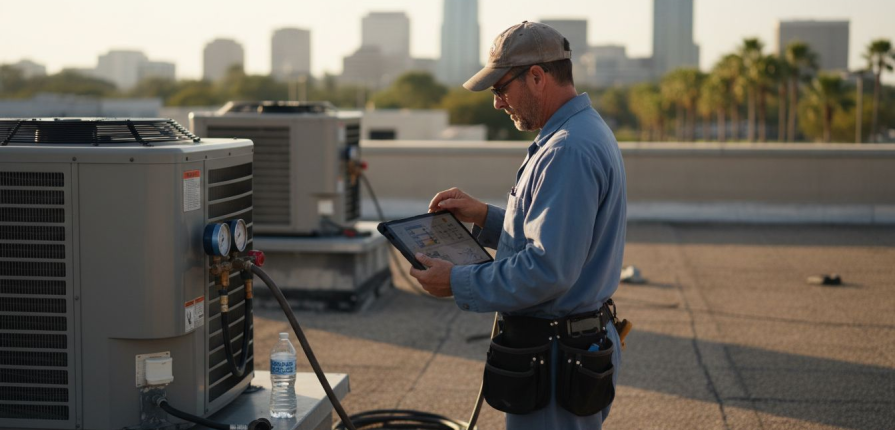
Sweltering heat, stubborn humidity, and ongoing regulatory changes make commercial property management in Central Florida a daily challenge. Reliable HVAC services are more than routine upkeep—they’re the foundation of a productive workspace and compliant operations. When indoor comfort depends on preparation and precision, understanding what commercial HVAC services really mean can help protect your investment, boost energy efficiency, and keep your building ahead of Florida’s unique demands.
Table of Contents
- What Commercial HVAC Services Really Mean
- Types of Commercial HVAC Systems Explained
- Unique Needs of Florida Businesses
- Regulatory, Safety, and Compliance Factors
- Cost Savings and Energy Efficiency Benefits
- Risks of Neglecting Professional HVAC Care
Key Takeaways
| Point | Details |
|---|---|
| Comprehensive HVAC Services | Commercial HVAC services are crucial for effective climate control in large business environments, covering design, installation, maintenance, and energy optimization. |
| Tailored Solutions for Florida | Florida businesses require specialized HVAC systems to manage high humidity and extreme heat, emphasizing the need for advanced dehumidification and energy-efficient cooling. |
| Regulatory Compliance Is Essential | Adhering to safety standards and performance regulations is vital for maintaining operational efficiency and avoiding financial penalties in commercial HVAC management. |
| Proactive Maintenance Saves Costs | Regular professional HVAC inspections and maintenance can prevent costly breakdowns, enhance system reliability, and extend equipment lifespan. |
What Commercial HVAC Services Really Mean
Commercial HVAC services represent far more than simple equipment maintenance. These specialized services encompass a comprehensive approach to managing heating, ventilation, and air conditioning systems designed specifically for large-scale business environments. Commercial HVAC design involves complex system planning that goes well beyond residential solutions.
At their core, commercial HVAC services include several critical components that ensure optimal building performance:
- System Design: Customized engineering for specific building requirements
- Installation: Professional setup of sophisticated climate control infrastructure
- Preventative Maintenance: Regular inspections and proactive system tuning
- Emergency Repairs: Rapid response to critical system failures
- Energy Efficiency Optimization: Strategic adjustments to reduce operational costs
Professional HVAC technicians undergo extensive training to manage these sophisticated systems. Technicians require specialized education and skills to effectively diagnose and resolve complex commercial climate control challenges.
For commercial property managers, these services are not optional—they are essential for maintaining comfortable, safe, and productive workplace environments. Proper HVAC management directly impacts employee productivity, equipment longevity, and overall operational efficiency.
Pro tip: Schedule comprehensive HVAC system assessments at least twice annually to prevent unexpected breakdowns and optimize energy performance.
Types of Commercial HVAC Systems Explained
Commercial HVAC systems represent sophisticated climate control solutions tailored to complex business environments. Commercial HVAC systems include diverse configuration options designed to meet specific building requirements and operational needs.
These systems are primarily categorized into two main types:
- Self-Contained Unit Packages
- Rooftop HVAC systems
- Air-to-air heat pumps
- Serve individual spaces directly
- Central Systems
- Centralized energy conversion location
- Multiple zone distribution capabilities
- Utilize extensive ductwork and piping networks
Unitary air conditioners and heat pumps offer additional variations that further expand commercial climate control options. These systems are engineered to provide precise temperature management while maintaining energy efficiency standards set by regulatory agencies.
Here’s a summary of how different commercial HVAC system types compare for business environments:
| System Type | Main Application | Flexibility | Typical Cost Level |
|---|---|---|---|
| Self-Contained Units | Individual spaces, small sites | Easy to relocate | Moderate |
| Central Systems | Large, multi-zone buildings | Highly configurable | Higher upfront |
| Unitary AC/Heat Pumps | Targeted cooling and heating | Simple installation | Low to moderate |
Commercial property managers must carefully evaluate their specific building requirements when selecting an appropriate HVAC system. Factors like square footage, occupancy levels, humidity control, and energy efficiency goals play crucial roles in determining the most suitable system configuration.
Pro tip: Consult with professional HVAC engineers to conduct a comprehensive assessment of your building’s unique climate control needs before selecting a system.
Unique Needs of Florida Businesses
Florida businesses face extraordinary challenges when it comes to HVAC system design and maintenance, driven by the state’s uniquely demanding climate conditions. Commercial buildings require specialized ventilation strategies to combat extreme heat and persistent humidity.
The critical HVAC requirements for Florida businesses include:
- Humidity Control
- Advanced dehumidification systems
- Moisture-resistant equipment
- Prevention of mold and mildew growth
- Energy Efficiency
- High-performance cooling systems
- Reduced operational costs
- Sustainable temperature management
Commercial buildings in Florida face significant cooling challenges that demand sophisticated HVAC solutions. These systems must effectively manage indoor temperatures while minimizing energy consumption and maintaining optimal working environments.
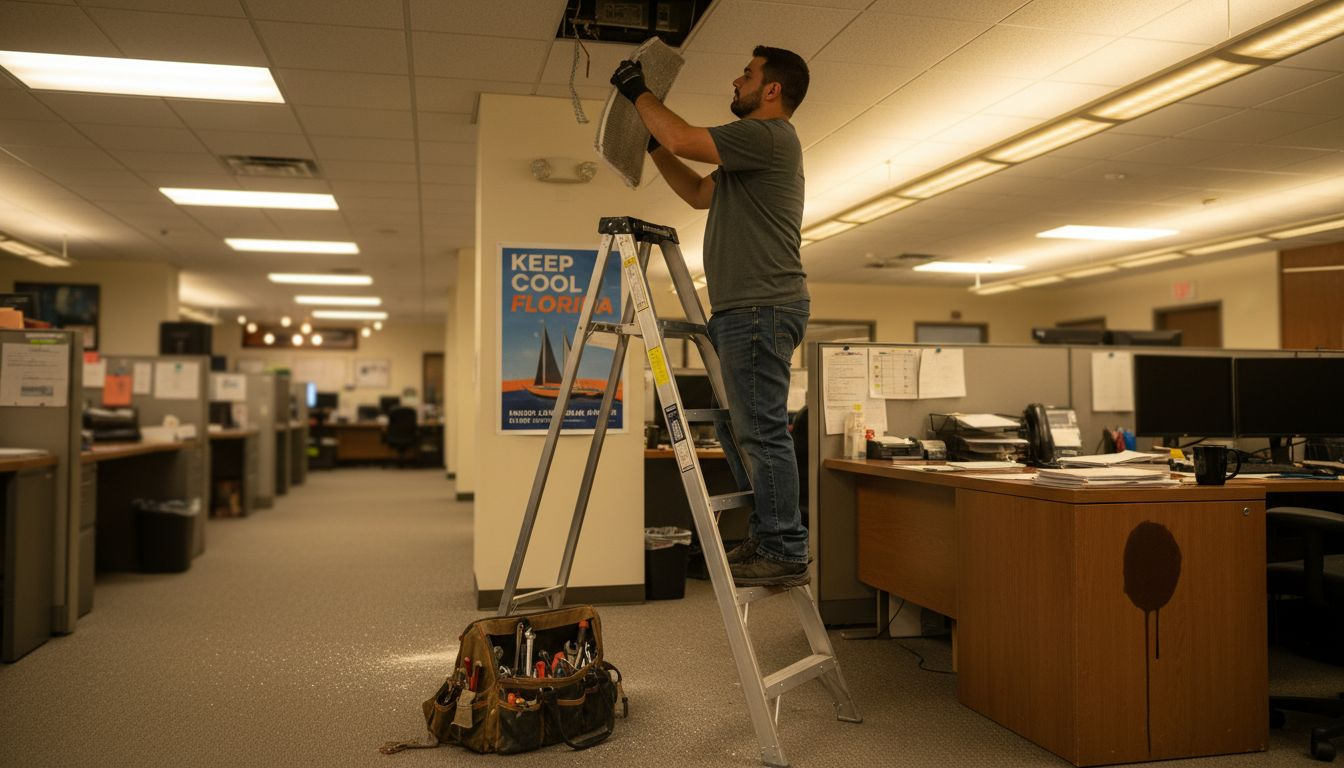
Unique environmental factors such as intense solar radiation, frequent thunderstorms, and high ambient temperatures create additional stress on commercial HVAC infrastructure. Businesses must invest in robust, adaptable systems that can withstand these extreme conditions while providing consistent comfort and air quality.
Below is a quick reference for the main Florida climate challenges and recommended commercial HVAC solutions:
| Florida Challenge | Impact on HVAC Systems | Best Solution Approach |
|---|---|---|
| High humidity | Promotes mold, damages parts | Advanced dehumidification |
| Extreme heat | Overloads cooling equipment | High-efficiency cooling units |
| Intense storms | Risk of system outages | Surge protection, robust setup |
| Solar radiation | Increased cooling demand | Reflective building materials |
Pro tip: Schedule comprehensive HVAC assessments specifically designed for Florida’s climate at least twice annually to prevent unexpected system failures and optimize performance.
Regulatory, Safety, and Compliance Factors
Commercial HVAC systems in Florida must navigate a complex landscape of regulatory requirements designed to ensure public safety and operational excellence. HVAC standards establish critical maintenance protocols that protect both building occupants and infrastructure investments.
Key regulatory compliance areas include:
- Safety Standards
- Smoke control systems
- Fire safety measures
- Emergency ventilation protocols
- Performance Requirements
- Energy efficiency regulations
- Indoor air quality benchmarks
- System commissioning guidelines
Comprehensive HVAC regulatory frameworks encompass multiple layers of federal, state, and local requirements. These regulations mandate precise equipment specifications, installation protocols, and ongoing maintenance practices that ensure commercial HVAC systems operate safely and effectively.
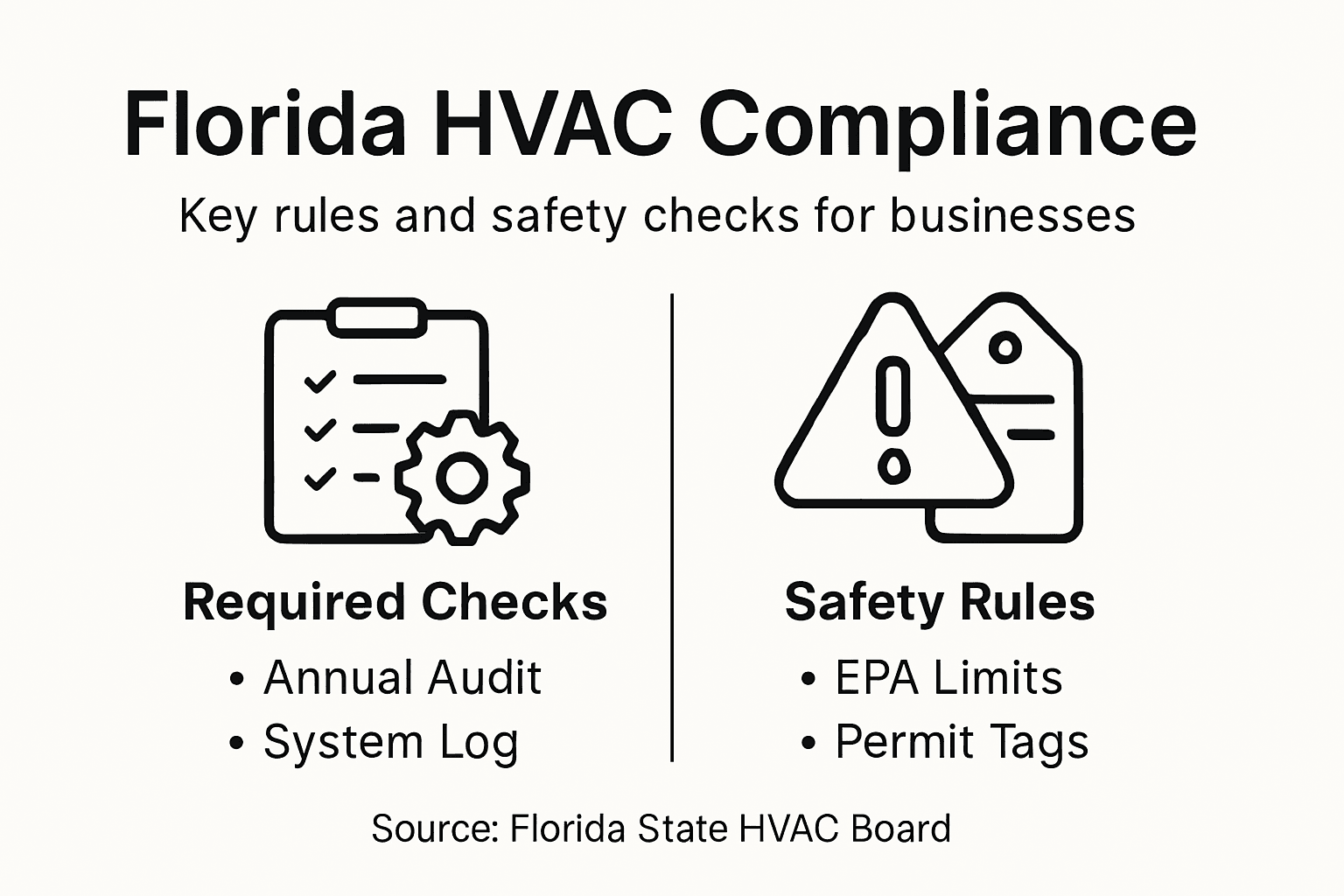
Compliance is not optional—it’s a critical business responsibility. Businesses must maintain detailed documentation, conduct regular inspections, and demonstrate adherence to evolving regulatory standards. Failure to meet these requirements can result in significant financial penalties, potential legal liabilities, and compromised workplace safety.
Pro tip: Retain a professional HVAC compliance consultant to conduct annual regulatory audits and ensure your system meets all current safety and performance standards.
Cost Savings and Energy Efficiency Benefits
Commercial HVAC energy management strategies provide substantial financial advantages for businesses seeking to optimize operational expenses. Advanced HVAC technologies offer a comprehensive approach to reducing energy consumption while maintaining superior performance and workplace comfort.
Key financial and efficiency benefits include:
- Direct Cost Reductions
- Lower utility bill expenses
- Decreased energy consumption
- Extended equipment service life
- Operational Performance Improvements
- Enhanced system reliability
- Reduced maintenance frequency
- Optimized temperature control
Commercial building energy management programs demonstrate that strategic HVAC investments can generate significant long-term economic advantages. Businesses can achieve substantial savings by implementing sophisticated energy optimization techniques and leveraging high-performance climate control technologies.
Modern commercial HVAC systems utilize advanced control mechanisms, predictive maintenance algorithms, and smart sensors to continuously monitor and adjust energy usage. These intelligent systems can automatically identify inefficiencies, recommend performance improvements, and dynamically manage climate control to minimize unnecessary energy expenditure.
Pro tip: Conduct a comprehensive energy audit annually to identify potential HVAC efficiency improvements and quantify potential cost savings opportunities.
Risks of Neglecting Professional HVAC Care
HVAC maintenance neglect creates significant operational risks for commercial properties, extending far beyond simple equipment performance concerns. Businesses that overlook professional care expose themselves to potentially catastrophic system failures and financial consequences.
Critical risks of inadequate HVAC maintenance include:
- Equipment Performance Risks
- Accelerated system deterioration
- Increased mechanical breakdowns
- Shortened equipment lifespan
- Health and Safety Risks
- Poor indoor air quality
- Potential mold and contaminant buildup
- Compromised occupant health conditions
Commercial buildings face substantial environmental challenges when HVAC systems are not professionally maintained. Inefficient ventilation can create moisture-rich environments that foster dangerous microbial growth and reduce overall indoor environmental quality.
Financial implications of neglect are equally significant. Reactive repairs often cost substantially more than preventative maintenance, with emergency interventions potentially interrupting business operations and requiring expensive equipment replacements. Professional HVAC care represents a critical investment in long-term operational stability and cost management.
Pro tip: Schedule quarterly professional HVAC inspections to catch potential issues early and prevent expensive system failures.
Protect Your Florida Business with Expert Commercial HVAC Services from Lucas Air Conditioning and Heating
Florida’s intense heat and humidity present unique challenges for commercial HVAC systems including advanced humidity control, energy efficiency demands, and the need for robust equipment that withstands extreme weather conditions. Ignoring these factors risks costly breakdowns, reduced air quality, and compliance issues. If you want to ensure your business stays comfortable and safe it is essential to partner with a commercial HVAC team that understands these critical concerns.
At Lucas Air Conditioning and Heating, we specialize in serving commercial properties across Central Florida. Our veteran-owned company offers tailored HVAC solutions including preventative maintenance, repairs, and system upgrades designed specifically for Florida’s harsh environment. Experience the peace of mind that comes from professional care backed by community trust and real customer testimonials. Explore our latest Commercial Services and current Special Offers to save on upgrades or essential maintenance.
Don’t wait for costly failures. Take action today by visiting Lucas Air Conditioning and Heating to schedule your professional HVAC consulting and maintenance service. Secure your business comfort and energy savings while ensuring compliance with Florida regulations.
Frequently Asked Questions
What are the main benefits of commercial HVAC services?
Commercial HVAC services provide essential system design, installation, preventative maintenance, emergency repairs, and energy efficiency optimization, ensuring optimal performance and comfort for businesses.
Why is energy efficiency important for commercial HVAC systems?
Energy efficiency is crucial as it helps reduce operational costs, extends equipment lifespan, and improves overall performance, ultimately enhancing workplace comfort while lowering utility bills.
What are common HVAC challenges faced by businesses in Florida?
Florida businesses often deal with high humidity, extreme heat, and intense storms, requiring advanced dehumidification systems and high-efficiency cooling units to maintain indoor comfort and air quality.
How often should commercial HVAC systems be inspected and maintained?
It’s recommended to schedule comprehensive HVAC system assessments at least twice annually to prevent unexpected failures and optimize performance.
