
TL;DR:
- Winterizing HVAC systems prepares equipment for cold weather, preventing repairs and reducing energy waste. Regular inspections, proper outdoor unit protection, and timely filter replacements are essential for safe and efficient operation. Conduct a test run before freezing temperatures to catch issues early and ensure occupant safety.
Winterizing HVAC systems is the process of preparing your heating and cooling equipment to operate efficiently and safely before cold weather arrives. Done right, it prevents costly emergency repairs, reduces energy waste, and protects your household from carbon monoxide risks that spike during heating season. The U.S. Department of Energy and HVAC industry standards both point to the same conclusion: preventative HVAC winter care catches hidden problems before they become expensive failures. This guide covers every step a homeowner or property manager needs to take before the first hard freeze.
1. Winterizing HVAC systems: where to start
The right starting point is a full walkthrough of your system before temperatures drop. Check the thermostat, listen for unusual sounds when the furnace kicks on, and note any rooms that feel drafty or unevenly heated. These early observations tell you exactly where to focus your time. Skipping this step means you are reacting to failures in January instead of preventing them in october.
2. Protecting your outdoor unit before winter hits
Outdoor HVAC units face the harshest conditions of the season. Clear at least two feet of debris, leaves, and vegetation from around the unit before temperatures fall. Gently rinse the coils when weather allows, and never use metal tools on the fins since they bend easily and restrict airflow.
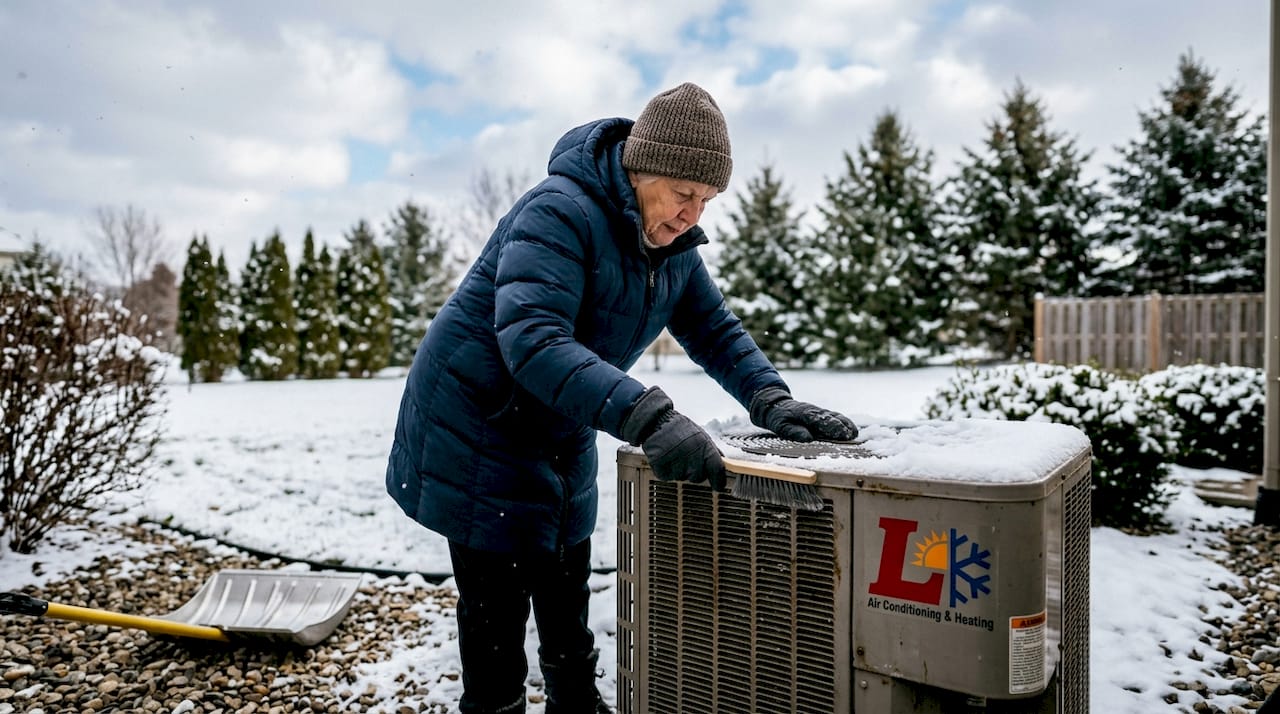
Covering your unit sounds like good practice, but the wrong cover causes real damage. Non-breathable covers trap moisture, which leads to corrosion and creates a warm hiding spot for rodents and insects over winter. Use a breathable, hard-top cover designed for HVAC units, or skip the cover entirely.
Heat pumps are a special case. They run through winter defrost cycles and need constant airflow to function. Never fully cover a heat pump, even in freezing temperatures.
- Remove all debris and trim vegetation to maintain two feet of clearance
- Shut off power to the outdoor unit at the disconnect box before cleaning
- Rinse coils gently with a garden hose, not a pressure washer
- Use a breathable, hard-top cover for traditional AC units only
- Leave heat pumps fully uncovered year-round
Pro Tip: Mark your outdoor disconnect box with a piece of tape after shutting it off. This prevents anyone from accidentally restoring power before you have finished cleaning.
3. Air filter inspection and replacement schedule
A dirty air filter is the single most common cause of furnace overheating and airflow restriction during winter. Check filters visually every 30 days during the heating season and replace disposable pleated filters every 60–90 days in standard homes. Homes with pets or allergy sufferers need replacements every 30–60 days.
Filter ratings matter more than most homeowners realize. MERV ratings measure how effectively a filter captures particles. Here is a practical breakdown:
- MERV 1–4: Basic fiberglass filters. Capture large dust and debris only. Not recommended for heating season.
- MERV 5–8: Standard pleated filters. Good for most homes without pets or respiratory conditions.
- MERV 9–12: High-efficiency pleated filters. Best for homes with pets, allergies, or asthma sufferers.
- MERV 13–16: Hospital-grade filtration. Use only if your system is rated for the added airflow resistance.
A clogged filter forces your furnace to work harder to pull air through. That extra strain raises energy bills and shortens the life of your heat exchanger. Replacing a $15 filter on schedule is far cheaper than a $600 heat exchanger repair.
4. Sealing duct leaks to stop heat loss
Ductwork leaks are a leading cause of heating inefficiency, and most homeowners never see them because the ducts run through walls, attics, and crawl spaces. Sealing duct leaks with metallic foil tape improves heating distribution and reduces energy waste. Standard gray duct tape fails in winter conditions because the adhesive breaks down with temperature swings.
Accessible leaks in attics or basements are straightforward DIY fixes. Hidden leaks inside walls require a professional duct inspection. The HVAC maintenance checklist from Lucasair covers duct inspection as a core pre-winter task.
- Inspect visible duct joints in the attic, basement, and crawl space for gaps or separations
- Apply metallic foil tape (not standard duct tape) to seal accessible leaks
- Clean all supply and return vents with a vacuum attachment to remove dust buildup
- Check that furniture and rugs are not blocking floor registers
- Schedule a professional duct inspection if you notice uneven heating across rooms
Uneven room temperatures in winter are almost always a duct problem. One room running hot while another stays cold points to a leak or blockage between those two zones. Fixing it improves comfort and cuts your heating bill at the same time.
5. Furnace safety checks and carbon monoxide prevention
Carbon monoxide is odorless, colorless, and produced by any fuel-burning furnace. CO detectors must be tested monthly and replaced if they are older than seven years. Install detectors on every level of your home, with at least one near sleeping areas.
Your furnace flame tells you a lot about combustion health. A healthy furnace flame is steady and blue. Yellow or flickering flames, combined with unusual odors or excessive moisture on windows near the furnace, are warning signs of incomplete combustion.
If you see a yellow or flickering flame, smell something unusual near your furnace, or notice condensation forming on windows close to the unit, shut the system down immediately and call a licensed HVAC technician. These symptoms indicate a potential carbon monoxide risk that requires professional diagnosis before the system is used again.
Additional safety checks to complete before heating season:
- Test every CO detector in the home and replace batteries annually
- Replace any CO detector older than seven years regardless of whether it still beeps
- Inspect the furnace flue pipe for blockages, rust, or disconnected sections
- Check that the area around the furnace is clear of flammable materials
- Verify the furnace ignition fires cleanly without repeated attempts or delays
Winter prep protects both comfort and safety. Early detection of combustion problems prevents dangerous carbon monoxide exposure before the heating season reaches its peak.
6. Scheduling professional maintenance and running a test before the freeze
Book a furnace inspection in early fall, before the first cold snap. HVAC technicians are in high demand once temperatures drop, and preventative maintenance catches hidden issues like worn ignition parts or low refrigerant before they cause a breakdown on the coldest night of the year.
A professional tune-up covers burners, heat exchangers, ignition controls, condensate drain lines, and refrigerant levels. These are not tasks a homeowner can complete with a flashlight and a screwdriver. The system inspection benefits go beyond comfort. A clean, well-adjusted furnace burns fuel more efficiently and reduces your monthly heating costs.
Run your heating system for 15–20 minutes two to three weeks before the first hard freeze. This test-run reveals thermostat problems, unusual noises, burning odors from dust on the heat exchanger, or short cycling before you actually need the heat. Catching these issues in october costs far less than an emergency repair call in december.
Pro Tip: Set your thermostat to 5°F above the current room temperature during your test-run. This forces the system through a full heating cycle and gives you a realistic picture of how it will perform on a cold night.
You can find expert guidance on energy-saving HVAC care that applies across seasonal maintenance, including pre-winter checks that reduce long-term operating costs.
Key Takeaways
Proper cold weather HVAC preparation combines physical maintenance, safety testing, and professional inspection to prevent breakdowns, reduce energy waste, and protect occupants from carbon monoxide risk.
| Point | Details |
|---|---|
| Start with a system walkthrough | Note uneven heating, unusual sounds, and thermostat behavior before doing anything else. |
| Protect outdoor units correctly | Use breathable covers for AC units only; never cover heat pumps. |
| Replace filters on schedule | Standard homes need new filters every 60–90 days; pet or allergy households every 30–60 days. |
| Seal ducts with metallic foil tape | Standard duct tape fails in cold; metallic foil tape holds and reduces heat loss. |
| Test CO detectors monthly | Replace any detector older than seven years and install one on every home level. |
What I have learned from watching homeowners skip these steps
The most common mistake I see is treating HVAC maintenance as something you do after the system fails. Homeowners wait until the furnace stops working on a cold morning, then pay emergency rates for a repair that a $150 tune-up would have prevented. That pattern repeats every winter, and it is entirely avoidable.
The second mistake is the outdoor unit cover. People buy cheap plastic covers thinking they are protecting their investment. What they are actually doing is trapping moisture against the coils and giving mice a warm place to nest. I have seen corroded coils and chewed wiring that trace directly back to improper covers. A breathable hard-top cover or no cover at all is the right call.
Duct sealing is the underrated fix. Most homeowners never think about their ductwork until a room stays cold all winter. Sealing even a few accessible joints with metallic foil tape makes a noticeable difference in how evenly heat distributes through the home. It is one of the highest-return tasks on the entire winter HVAC checklist.
The test-run two to three weeks before the first freeze is the single habit that saves the most money. Running the system early surfaces problems when repair slots are available and rates are normal. Waiting until december means competing with every other homeowner whose furnace also just failed.
— Results
Lucasair makes winter HVAC preparation straightforward
Getting your system ready for winter is easier when you have a professional handling the technical side. Lucasair provides furnace tune-ups, duct inspections, air filter replacements, and carbon monoxide detector testing for homeowners and property managers across Central Florida.
Whether your system needs a full professional tune-up before the cold season or you have noticed warning signs that need immediate attention, Lucasair’s team is ready to help. The team also handles residential HVAC repairs when a test-run or inspection uncovers a problem that needs fixing before winter demand peaks. Schedule your appointment online and get ahead of the season before the first freeze arrives.
FAQ
What does winterizing an HVAC system involve?
Winterizing an HVAC system means completing a set of maintenance tasks before cold weather arrives, including cleaning outdoor units, replacing air filters, sealing duct leaks, testing CO detectors, and scheduling a professional furnace inspection.
How often should I replace my air filter during winter?
Replace disposable pleated filters every 60–90 days in standard homes, or every 30–60 days if you have pets or allergy sufferers. Check filters visually every 30 days during the heating season.
Should I cover my outdoor AC unit in winter?
Use a breathable, hard-top cover on traditional AC units only. Never cover a heat pump, since it runs through winter defrost cycles and needs constant airflow to operate correctly.
When should I schedule a furnace inspection?
Book a furnace inspection in early fall, before the first cold snap. Running a 15–20 minute test-run two to three weeks before the first hard freeze also helps identify thermostat, noise, or odor issues early.
How do I know if my furnace is producing carbon monoxide?
A yellow or flickering furnace flame, unusual odors near the unit, or excessive window condensation near the furnace are warning signs. Shut the system down immediately and call a licensed technician if you notice any of these symptoms.
Recommended
- HVAC Maintenance Checklist for 2026: Avoid Costly Repairs – Lucas Air Conditioning and Heating
- 7 Steps to a Complete Home HVAC Maintenance Checklist
- 7 Must-Check Items for Your HVAC Inspection Checklist – Lucas Air Conditioning and Heating
- Essential HVAC Preventative Maintenance Guide for Homeowners
