
TL;DR:
- Sealing drafts, adding thermal curtains, and managing humidity significantly improve apartment heating efficiency by reducing heat loss and ensuring comfortable warmth with less energy. Smart thermostat scheduling and routine HVAC maintenance further lower heating costs by optimizing system performance and preserving energy. Prioritizing physical improvements and documentation before hardware upgrades yields the best results in maintaining affordable, consistent heating.
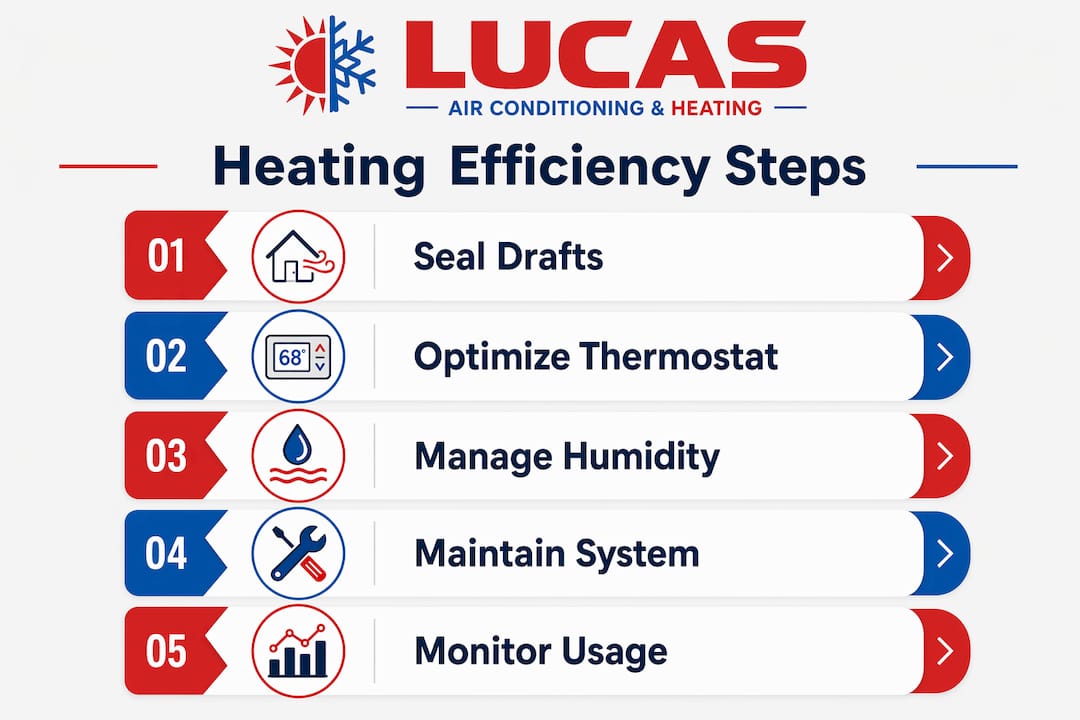
Apartment heating efficiency is defined as the ratio of usable warmth delivered to your living space versus the energy your system consumes to produce it. Knowing how to optimize apartment heating efficiency means targeting specific weak points: drafts around windows and doors, poor thermostat habits, unmanaged humidity, and neglected HVAC systems. Residents who address all four areas can cut heating bills by up to 10% annually while maintaining consistent comfort. Tools like programmable thermostats, thermal curtains, weatherstripping, and smart fans each play a measurable role. This article covers every practical method, from renter-friendly DIY fixes to professional HVAC maintenance, so you can act immediately.
How do sealing drafts and insulation improve heating efficiency in apartments?
Draft sealing is the most cost-effective first step any apartment resident can take before spending money on equipment upgrades. Warm air escapes through gaps you cannot always see, and cold air replaces it constantly, forcing your heating system to work harder. Identifying and closing those gaps produces immediate results without requiring landlord approval in most cases.
The most common draft points in apartments include:
- Door frames and thresholds: Gaps at the bottom of exterior doors let cold air flow directly across the floor.
- Window frames: Older single-pane windows and poorly sealed frames are major heat loss points.
- Electrical outlets on exterior walls: These small gaps are frequently overlooked but add up across an entire unit.
- Where pipes enter walls: Gaps around plumbing penetrations in kitchens and bathrooms allow cold air infiltration.
- Attic hatches and mail slots: Any opening that connects to an unheated space is a draft risk.
Thermal curtains reduce heat loss by up to 25%, making them one of the highest-impact, lowest-cost purchases available to renters. Heavy thermal or blackout curtains trap a layer of air between the glass and the room, acting as a secondary insulating barrier. Close them at sunset and open them during daylight hours to capture solar gain.
For door gaps, foam weatherstripping from any hardware store costs under $15 and installs without tools. Draft stoppers placed at the base of exterior doors block the most direct cold air entry point in most apartments. If you rent, document any gaps you find with photos before making repairs. This record helps you communicate maintenance needs to your landlord and protects your security deposit.
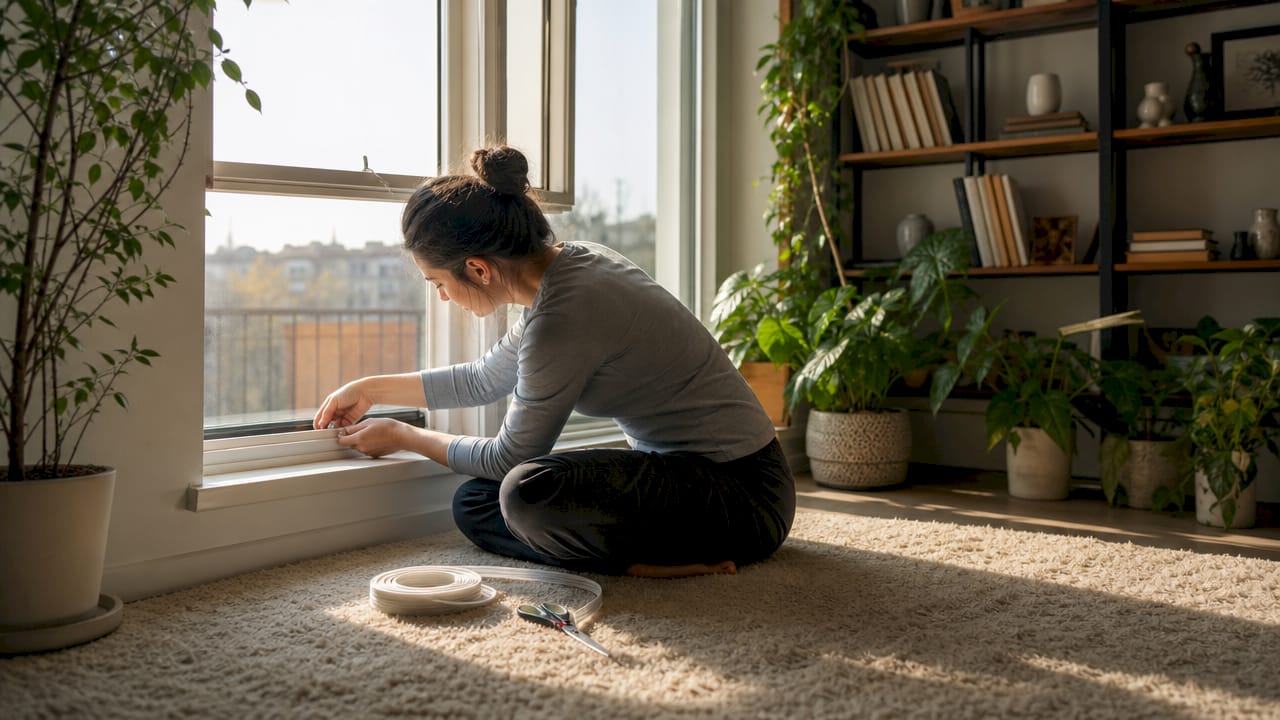
Pro Tip: Hold a lit incense stick or a thin piece of tissue near suspected draft points on a cold, windy day. Movement in the smoke or tissue confirms airflow. Photograph the location immediately and note the date for your maintenance request.
What thermostat settings and system habits save the most energy?
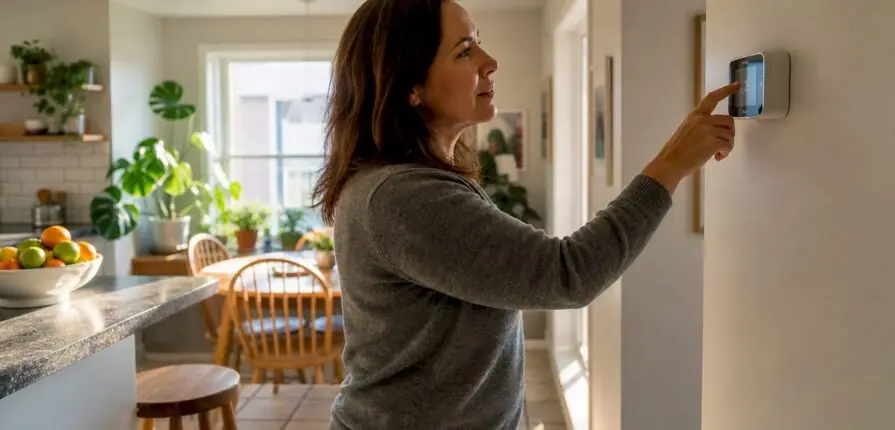
Smart thermostat management is the single highest-leverage behavioral change available for reducing heating costs. The U.S. Department of Energy confirms that setting back your thermostat 7°F to 10°F for 8 hours daily reduces annual heating bills by up to 10%. That figure applies whether you use a basic programmable model or a connected device like a Google Nest or Ecobee.
Follow this sequence to get the most from your thermostat:
- Set a daytime occupied temperature. Most comfort research points to 68°F (20°C) as the standard for active hours at home.
- Program a setback for sleep hours. Drop the temperature 7°F to 10°F when you go to bed. You stay warm under blankets, and the system runs less.
- Program a setback for away hours. If you leave for work, set the same reduction. A smart thermostat like Ecobee or Google Nest automates this based on your phone’s location.
- Avoid cranking the thermostat higher than your target. Setting it to 80°F to reach 68°F faster is a myth. Most systems deliver heat at a fixed rate regardless of the setpoint.
- Do not heat unused rooms by leaving all doors open. Closing doors concentrates heat in occupied spaces, though you should confirm your HVAC setup handles partial airflow without pressure imbalance.
If your apartment uses a combi boiler, lowering the flow temperature from 60°C to 45°C or 55°C reduces fuel consumption without a noticeable drop in room temperature. This adjustment takes under two minutes and is one of the most underused energy-saving moves in boiler-heated buildings.
Pro Tip: Schedule your heat to turn on 20 to 30 minutes before you wake up rather than leaving it running all night. You wake to a warm apartment at a fraction of the overnight energy cost.
How do humidity and airflow adjustments improve heating performance?
Indoor environmental management is the category most residents skip entirely, and it produces some of the most surprising results. Maintaining indoor humidity between 30% and 50% allows air to retain heat more effectively, meaning you feel warmer at a lower thermostat setting. Dry winter air feels colder than humid air at the same temperature, which is why many people overheat their apartments unnecessarily.
A basic hygrometer from any home goods store costs under $20 and tells you exactly where your humidity sits. If levels drop below 30%, a humidifier like the Levoit Classic 300S or Honeywell HCM350 adds moisture without overloading the space. The role of humidity in HVAC performance is well documented, and the comfort gains are real and measurable.
Additional environmental adjustments that produce consistent results:
- Reverse your ceiling fan direction. Switching ceiling fans to spin clockwise in winter pushes warm air that collects near the ceiling back down into the living space, saving up to 10% on heating costs. Most fans have a small switch on the motor housing to change direction.
- Keep interior doors closed in unoccupied rooms. A closed bedroom door during the day keeps heat concentrated in your living area.
- Use rugs on hard floors. Bare tile and hardwood floors radiate cold upward. A thick area rug acts as insulation between your feet and the subfloor.
- Avoid blocking radiators and vents. Furniture placed directly in front of a radiator or floor vent absorbs heat before it reaches the room. Move sofas and chairs at least 12 inches away.
Pro Tip: Open south-facing curtains fully during daylight hours in winter. Passive solar gain through glass can raise a room’s temperature by several degrees at zero cost, reducing how long your heating system runs.
What maintenance keeps your apartment heating system running efficiently?
A heating system that has not been serviced loses efficiency gradually, and most residents do not notice until their bills spike or comfort drops. Routine HVAC maintenance, including filter changes and annual tune-ups, keeps systems performing at rated capacity and prevents expensive failures mid-winter.
Filter replacement is the one maintenance task every renter can and should handle. A clogged filter restricts airflow, forces the blower motor to work harder, and reduces heat delivery to every room. Replace filters every 60 to 90 days with a MERV 8 to MERV 11 rated filter for the best balance of airflow and particle capture. The 2026 HVAC maintenance checklist from Lucasair covers every step in detail for both residents and property managers.
For radiator-based systems, bleeding radiators and installing reflective panels behind them improve heat distribution and reduce heat lost to exterior walls. Bleeding removes trapped air that prevents hot water from circulating fully. Reflective foil panels, available at most hardware stores, bounce radiated heat back into the room instead of letting it absorb into the wall.
Here is a comparison of maintenance tasks by who is responsible and how often they should occur:
| Task | Responsible party | Frequency |
|---|---|---|
| HVAC filter replacement | Resident | Every 60 to 90 days |
| Thermostat calibration check | Resident or manager | Annually |
| Duct inspection and cleaning | Property manager or HVAC tech | Every 3 to 5 years |
| Boiler or furnace tune-up | Licensed HVAC technician | Annually |
| Radiator bleeding | Resident (with landlord notice) | Each heating season |
| Reflective panel installation | Resident | One-time setup |
Signs your system needs professional attention include uneven heating across rooms, unusual sounds from the furnace or air handler, a sudden increase in energy bills without a weather explanation, and short cycling where the system turns on and off repeatedly. A preventative HVAC maintenance guide helps you distinguish between what you can address yourself and what requires a licensed technician.
Key takeaways
Optimizing apartment heating efficiency requires combining draft sealing, smart thermostat scheduling, humidity control, and regular HVAC maintenance rather than relying on any single fix.
| Point | Details |
|---|---|
| Seal drafts first | Weatherstripping and thermal curtains reduce heat loss by up to 25% at minimal cost. |
| Use thermostat setbacks | Dropping temperature 7°F to 10°F for 8 hours daily cuts annual bills by up to 10%. |
| Manage indoor humidity | Keeping humidity at 30% to 50% lets you feel warm at lower thermostat settings. |
| Reverse ceiling fans | Clockwise fan rotation in winter redistributes warm air from ceiling to floor level. |
| Schedule annual tune-ups | Professional HVAC servicing prevents efficiency loss and costly mid-season breakdowns. |
What I’ve learned after years of watching apartments lose heat needlessly
Most apartment residents spend money in the wrong order. They buy a new smart thermostat before they have sealed a single draft, and then wonder why their bills barely move. The thermostat is a control device. It cannot compensate for a building envelope that leaks heat through every window frame and door gap.
The most effective sequence is always physical first, behavioral second, and equipment third. Seal the gaps. Add thermal curtains. Then adjust your thermostat schedule. Only after those steps should you consider hardware upgrades or professional system changes.
I have also seen residents make multiple changes at once and then have no idea which one worked. Testing single changes and observing their impact before moving on is the only way to know what your apartment actually needs. Change one thing, wait a week, and check your comfort and your bill. This approach also protects you from spending money on fixes that address the wrong problem entirely.
One more thing worth saying directly: document everything. If your apartment loses heat because of a structural issue, a failing boiler, or inadequate insulation in the walls, that is a landlord-required maintenance issue, not a renter problem to solve with more curtains. Photographs, dates, and written communication create the record you need to get real repairs done. Do not skip this step.
— Lucasair
How Lucasair can help you get more from your heating system
Even the most diligent resident reaches the limit of what DIY fixes can accomplish. When your heating system is aging, inefficient, or simply not sized correctly for your space, professional service is the next step. Lucasair provides HVAC repairs and tune-ups for apartment residents and property managers across Central Florida, including system diagnostics, duct inspections, and full heating system tune-ups that restore efficiency and extend equipment life. If your building needs a full system review, the HVAC installation guide walks you through what a professional upgrade involves. Schedule a service call with Lucasair and stop paying for heat that never reaches your living room.
FAQ
How much can I save by sealing drafts in my apartment?
Draft sealing and weatherstripping are among the most cost-effective improvements available, and thermal curtains alone can reduce heat loss by up to 25%. Combined with door draft stoppers and outlet insulation, the savings on your heating bill are noticeable within the first billing cycle.
What is the best thermostat temperature for saving energy in winter?
Set your thermostat to 68°F during active hours and drop it 7°F to 10°F during sleep or away periods. The Department of Energy confirms this setback strategy reduces annual heating costs by up to 10%.
Do smart thermostats actually help in apartments?
Smart thermostats like Google Nest and Ecobee automate temperature setbacks based on your schedule and location, removing the human error that undermines manual programming. They are most effective when combined with draft sealing and proper insulation, not as a standalone fix.
How often should apartment HVAC filters be changed?
Replace HVAC filters every 60 to 90 days using a MERV 8 to MERV 11 rated filter. A clogged filter restricts airflow and forces your system to work harder, reducing heat delivery and raising energy costs.
Is my landlord responsible for heating inefficiency in my apartment?
If heat loss stems from structural issues like inadequate wall insulation, a failing boiler, or damaged ductwork, that is a landlord maintenance responsibility. Document the problem with photos and written requests, and reference your lease and local housing codes to support your case.
Recommended
- Step by Step Apartment HVAC Upgrade Guide for Managers – Lucas Air Conditioning and Heating
- Why Apartment HVAC Matters: Boost Comfort, Cut Costs – Lucas Air Conditioning and Heating
- HVAC systems for apartments in Central Florida 2026 – Lucas Air Conditioning and Heating
- Hotel HVAC energy-saving tips: cut costs 45% in 2026 – Lucas Air Conditioning and Heating