
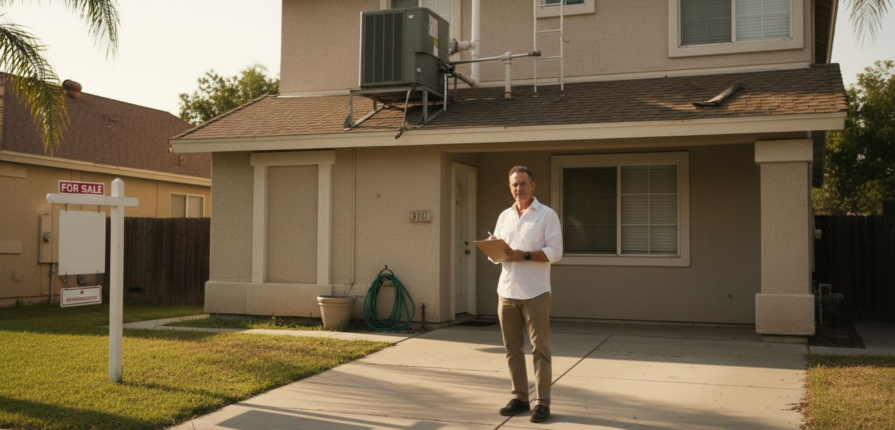
Bigger HVAC systems don’t always deliver better comfort or savings. In fact, oversized systems waste 20-30% more energy through short cycling, driving up costs while failing to control humidity in Florida’s sticky climate. For real estate agents and property managers evaluating residential and commercial properties, understanding HVAC sizing, ductwork quality, efficiency standards, and humidity control is essential to protecting investments and ensuring tenant satisfaction. This guide breaks down the critical factors you need to assess HVAC performance and make informed decisions in Central Florida’s unique market.
Table of Contents
- Understanding HVAC System Sizing And Its Impact
- Ensuring Ductwork Quality And Humidity Control In Florida Properties
- Meeting Florida’s SEER Standards And Energy Efficiency Benefits
- Practical HVAC Considerations For Real Estate Agents And Property Managers
- Enhance Your Property’s HVAC Performance With Lucas Air
Key takeaways
| Point | Details |
|---|---|
| Proper sizing prevents waste | Correct HVAC sizing based on load calculations eliminates energy waste and maximizes comfort. |
| Ductwork quality drives efficiency | Leaky or poorly insulated ducts can reduce system efficiency by up to 30%, increasing operating costs. |
| Humidity control protects properties | Maintaining 40-60% humidity prevents mold growth and structural damage in Florida’s humid climate. |
| 15 SEER minimum in Florida | The 2026 state requirement for air conditioners and heat pumps is 15 SEER, with higher ratings delivering greater savings. |
| Efficient upgrades boost value | High-efficiency HVAC systems reduce utility bills by up to 40% and increase property appeal to tenants and buyers. |
Understanding HVAC system sizing and its impact
HVAC sizing refers to matching equipment capacity to a building’s heating and cooling load, calculated using factors like square footage, insulation, window placement, and occupancy. Many assume bigger units work better, but oversized HVAC systems cause 20-30% higher energy usage due to short cycling, where the unit turns on and off rapidly without completing full cycles. This wastes energy, increases wear on components, and shortens equipment lifespan.
Undersized systems create different problems. They run continuously trying to meet temperature demands, driving up energy bills and failing to maintain comfort during peak heat. In Central Florida’s summer months, an undersized unit can’t keep up, leaving tenants frustrated and properties vulnerable to heat damage.
Proper sizing improves humidity control, a critical factor in Florida. Systems that cycle properly remove moisture effectively, while short-cycling oversized units cool air too quickly without adequate dehumidification. This leaves properties feeling clammy and creates conditions for mold growth.
Pro Tip: Request a Manual J load calculation from HVAC contractors before installing or replacing systems. This industry-standard method ensures accurate sizing based on your specific property characteristics, not just square footage rules of thumb.
Key sizing considerations for real estate professionals:
- Verify contractors perform detailed load calculations, not rough estimates
- Check existing system capacity against building requirements
- Assess whether recent renovations like added insulation affect load
- Confirm proper equipment matches property use (residential versus commercial demands)
Understanding HVAC system types helps you evaluate whether current equipment matches property needs. Split systems, packaged units, and heat pumps each have optimal applications based on building design and climate demands. Consulting Energy Star efficiency guidelines provides benchmarks for comparing system performance and identifying upgrade opportunities.
Ensuring ductwork quality and humidity control in Florida properties
Ductwork serves as the circulatory system for HVAC, distributing conditioned air throughout buildings. Poor duct design, installation, or maintenance undermines even the most efficient equipment. Leaky ductwork reduces HVAC efficiency by up to 30%, forcing systems to work harder and consume more energy to achieve desired temperatures.
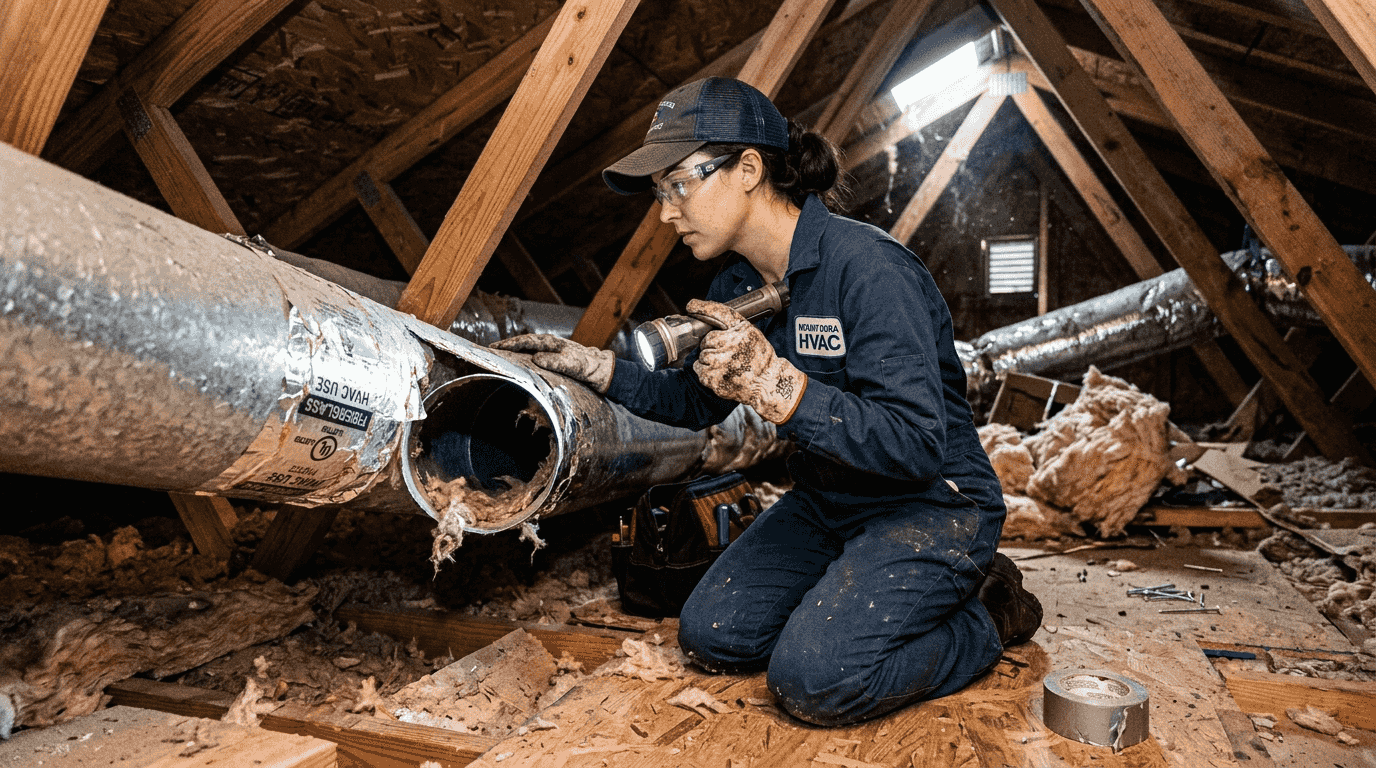
Common ductwork problems include disconnected joints, holes from pest damage, inadequate insulation in attics or crawl spaces, and improper sizing that restricts airflow. These issues waste conditioned air, increase utility costs, and create hot or cold spots that frustrate occupants.
Best practices for duct integrity:
- Seal all joints and connections with mastic or metal-backed tape, never standard cloth duct tape
- Insulate ducts in unconditioned spaces to prevent heat gain or loss
- Size ducts appropriately for airflow requirements based on system capacity
- Inspect regularly for damage, especially in attics where temperatures exceed 130°F
Florida’s climate presents unique humidity challenges. Average outdoor humidity exceeds 70% year-round, and without proper control, indoor levels climb rapidly. Proper humidity levels between 40-60% prevent mold growth, protect building materials, and maintain occupant comfort. High humidity encourages mold, damages drywall and wood, and makes spaces feel warmer than actual temperatures.
Pro Tip: Consider properties with whole-home dehumidifiers as premium assets. These systems work alongside HVAC to maintain optimal humidity independent of cooling cycles, a valuable feature for discerning tenants and buyers.
| Humidity Level | Effects on Property | Tenant Impact |
|---|---|---|
| Below 40% | Dry air damages wood, causes static | Respiratory irritation, discomfort |
| 40-60% (optimal) | Materials stable, no mold growth | Comfortable, healthy environment |
| Above 60% | Mold risk, material degradation | Musty odors, health concerns |
Working with a trusted HVAC contractor in The Villages or a professional HVAC contractor in Mount Dora ensures ductwork receives proper attention during inspections and installations. Following U.S. Department of Energy ductwork guidelines and Florida Building Code humidity standards protects your investment and maintains property value.
Meeting Florida’s SEER standards and energy efficiency benefits
SEER (Seasonal Energy Efficiency Ratio) measures air conditioning efficiency, expressing cooling output per energy unit consumed. Higher numbers indicate better efficiency and lower operating costs. The 2024 Florida minimum SEER rating is 15 SEER, a requirement that continues through 2026 and beyond for new installations and replacements.
This standard represents a significant increase from previous minimums, pushing the market toward more efficient equipment. For real estate professionals, understanding SEER impacts both immediate installation costs and long-term property operating expenses.
Pro Tip: Properties with 16+ SEER systems command higher rents and resale values in Central Florida. Energy-conscious tenants and buyers recognize the monthly savings, making efficiency a marketable amenity.
| SEER Rating | Efficiency Level | Estimated Annual Savings vs. 10 SEER |
|---|---|---|
| 10 SEER | Old standard (pre-2006) | Baseline |
| 13 SEER | Previous minimum | 23% reduction |
| 15 SEER | Current Florida minimum | 33% reduction |
| 18 SEER | High efficiency | 44% reduction |
Upgrading to a 15-SEER system reduces cooling costs by up to 40% compared to older 10 SEER units common in properties built before 2006. For a typical 2,000 square foot Central Florida home with $200 monthly summer cooling bills, this translates to $80 monthly savings or nearly $1,000 annually.
Beyond cost savings, higher SEER ratings deliver:
- Improved comfort through better humidity control and temperature consistency
- Quieter operation with advanced compressor and fan technology
- Enhanced property value and marketability to efficiency-minded prospects
- Reduced environmental impact and smaller carbon footprint
When evaluating properties, check HVAC equipment labels for SEER ratings. Systems installed before 2015 likely fall below current standards, signaling potential upgrade needs. Understanding why upgrade your HVAC system helps you advise clients on renovation priorities and ROI expectations. The IFAS UF HVAC energy savings guide provides detailed calculations for comparing operating costs across different efficiency levels.
Practical HVAC considerations for real estate agents and property managers
Assessing HVAC systems during property evaluations protects clients from unexpected expenses and identifies value-add opportunities. HVAC accounts for more than 40% of utility bills, making it a critical factor in operating costs and tenant satisfaction. Small temperature adjustments affect cooling costs by up to 8% per degree, so efficient systems with proper controls deliver measurable savings.
Follow these steps when evaluating properties:
- Check equipment age by locating manufacturer labels with installation dates; systems over 15 years old typically need replacement soon.
- Verify SEER ratings meet current 15 SEER minimum; lower ratings indicate immediate or near-term upgrade requirements.
- Confirm system capacity matches building load; request recent load calculations or arrange professional assessments.
- Inspect ductwork in accessible areas for visible damage, poor insulation, or disconnected sections.
- Test thermostat functionality and programmable features; outdated controls waste energy through imprecise temperature management.
- Review maintenance records for regular service; neglected systems fail prematurely and operate inefficiently.
- Assess indoor humidity levels using inexpensive hygrometers; readings outside 40-60% suggest control problems.
Understanding the role of HVAC systems in Florida homes contextualizes why these assessments matter more in Central Florida than cooler climates. Year-round cooling demands and humidity challenges make HVAC performance central to property livability and value.
Schedule professional inspections before listing properties or advising buyers. Certified technicians identify issues invisible to untrained eyes, from refrigerant leaks to electrical problems. Regular seasonal HVAC tune-ups prevent breakdowns, extend equipment life, and maintain peak efficiency.
For property managers, establishing preventative maintenance schedules protects assets and reduces emergency repair costs. Semi-annual service visits catch small problems before they escalate, ensure systems operate at rated efficiency, and document proper care for warranty compliance.
Enhance your property’s HVAC performance with Lucas Air
Optimizing HVAC systems in Central Florida properties requires local expertise and proven solutions. Whether you’re preparing listings, advising buyers, or managing rental portfolios, professional installation, upgrades, and maintenance ensure comfort, efficiency, and value.
Lucas Air Conditioning and Heating specializes in residential and commercial installation services tailored to Central Florida’s climate demands. Our veteran-owned team brings precision to system sizing, ductwork design, and efficiency optimization. From new construction to replacement projects, we ensure equipment matches property requirements perfectly. Our preventative maintenance agreement protects your investment through regular inspections, priority service, and extended equipment life. Discover why upgrading your HVAC system delivers measurable returns through reduced operating costs and enhanced property appeal.
FAQ
What size HVAC system is best for my property?
Proper sizing depends on a professional Manual J load calculation that accounts for building characteristics, insulation, windows, and occupancy patterns. Avoid contractors who estimate based solely on square footage. Correctly sized systems eliminate the comfort and efficiency problems caused by oversized or undersized equipment.
How important is ductwork maintenance?
Critically important. Leaky or poorly insulated ducts reduce system efficiency by up to 30%, wasting conditioned air and driving up energy costs. Regular inspection, sealing, and insulation maintenance ensure your HVAC investment delivers full performance and value.
What SEER rating is required for Florida properties in 2026?
Florida requires a minimum 15 SEER for air conditioners and heat pumps, a standard established in 2024 and continuing through 2026. Upgrading to 15 SEER or higher can reduce cooling costs by up to 40% compared to older systems, delivering substantial long-term savings.
How can humidity control affect property value and tenant comfort?
Maintaining proper humidity between 40-60% prevents mold growth, protects building materials, and creates comfortable indoor environments. Properties with effective humidity control attract quality tenants, command premium rents, and avoid costly damage from moisture problems common in Florida’s climate.
