
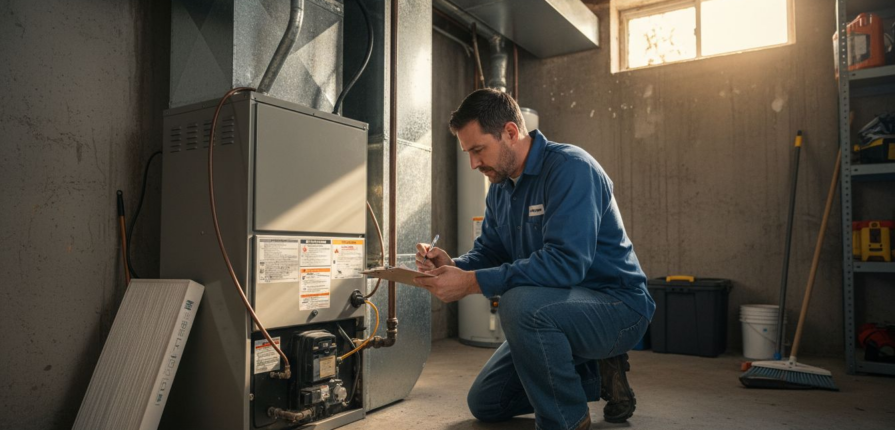
Managing your home’s HVAC system can feel overwhelming when you think about all the small problems that could be lurking out of sight. Dust, poor airflow, malfunctioning controls, and overlooked electrical connections often reduce comfort and drive up energy bills if left unchecked. Figuring out which steps will actually make a difference is what sets apart a well-maintained system from constant headaches.
This guide gives you clear, actionable tips for keeping your HVAC running smoothly and your indoor air healthy. You’ll find expert-backed methods from organizations like ASHRAE and the American Lung Association that help you catch problems early, improve efficiency, and avoid expensive repairs.
Get ready to discover which maintenance checks matter most for air quality, system reliability, and real energy savings. Your next HVAC inspection could be the one that pays off all year long.
Table of Contents
- 1. Check and Replace Air Filters for Clean Airflow
- 2. Inspect Thermostat Settings and Battery Life
- 3. Examine Electrical Connections and Controls
- 4. Look for Leaks and Blockages in Ductwork
- 5. Test System Startup and Shutoff Cycles
- 6. Clean and Clear the Outdoor Unit Area
- 7. Review Refrigerant Levels and System Pressure
Quick Summary
| Takeaway | Explanation |
|---|---|
| 1. Change Air Filters Regularly | Change your air filters every two months or when visibly dirty to maintain indoor air quality and system efficiency. |
| 2. Inspect and Maintain Thermostat | Regularly check battery life and settings to ensure accurate temperature control and energy efficiency. |
| 3. Check Electrical Connections | Inspect electrical connections to prevent system failures and enhance HVAC functionality. |
| 4. Address Ductwork Leaks | Fixing duct leaks can reduce energy costs and improve home comfort by ensuring efficient air circulation. |
| 5. Maintain Outdoor Unit Clearance | Keep a two-foot clearance around your outdoor unit to promote proper airflow and prevent overheating. |
1. Check and Replace Air Filters for Clean Airflow
Knowing how to maintain your HVAC air filters is crucial for ensuring healthy indoor air and optimal system performance. Dirty or clogged air filters not only compromise your home’s air quality but can also significantly reduce your system’s efficiency and increase energy costs.
Proper air filter maintenance involves regular inspection and timely replacement. The American Lung Association recommends changing filters approximately every two months or when visibly dirty. HVAC filters play a critical role in trapping airborne particles and pollutants that can impact your respiratory health.
Here are key steps for effective air filter management:
- Inspect filters monthly for dust accumulation
- Choose filters with appropriate MERV rating
- Check manufacturer recommendations for your specific HVAC system
- Note the filter size before purchasing replacements
According to ASHRAE guidance, using filters with at least MERV 13 efficiency can capture more airborne contaminants effectively. These higher-grade filters remove smaller particles like dust mites, pollen, and microscopic allergens.
A clean air filter can improve your HVAC system’s efficiency by up to 15% and help maintain better indoor air quality.
Pro tip: Consider setting a digital reminder on your phone to check and replace air filters every two months to maintain consistent system performance.
2. Inspect Thermostat Settings and Battery Life
Your home’s thermostat is the command center for indoor comfort and HVAC system efficiency. Regular inspection of its settings and battery life ensures your system operates smoothly and maintains optimal temperature control.
According to the InterNACHI HVAC inspection guidelines, proper thermostat maintenance is crucial for consistent home comfort. A well-functioning thermostat helps prevent unnecessary system cycling and reduces energy waste.
Key aspects of thermostat inspection include:
- Check current battery status
- Verify programmed temperature settings
- Ensure accurate temperature readings
- Test heating and cooling mode transitions
- Confirm digital display functionality
Modern smart thermostats offer advanced features that can significantly improve energy management. These devices allow you to create custom schedules and monitor system performance remotely.
A malfunctioning thermostat can increase energy costs by up to 20% through inefficient HVAC cycling.
Professional inspections, as outlined in ANSI/ASHRAE/ACCA Standard 180-2018, recommend comprehensive thermostat control checks to maintain system reliability.
Pro tip: Replace thermostat batteries annually and consider upgrading to a programmable model that can automatically adjust temperatures based on your daily routine.
3. Examine Electrical Connections and Controls
Electrical connections and controls are the nervous system of your HVAC equipment determining its overall performance and safety. A comprehensive inspection can prevent potential system failures and protect your home from unexpected breakdowns.
ASHRAE standards emphasize the critical importance of regular electrical system checks in maintaining HVAC functionality. Loose connections or worn components can lead to significant performance issues and potential safety hazards.
Key areas to examine during an electrical inspection include:
- Check circuit breaker connections
- Inspect wire terminal integrity
- Verify control panel condition
- Look for signs of corrosion or wear
- Test electrical contact points
- Ensure proper grounding of components
Professional technicians understand that electrical issues can compromise your entire HVAC system. Detailed inspections help identify potential problems before they escalate into costly repairs.
Approximately 25% of HVAC system failures can be traced back to electrical connection problems.
The research on HVAC electrical panel design highlights the importance of systematic electrical system testing. Regular maintenance can significantly extend your system’s operational lifespan.
Pro tip: Never attempt complex electrical inspections yourself. Always hire a licensed HVAC professional who can safely diagnose and address potential electrical issues.
4. Look for Leaks and Blockages in Ductwork
Your home’s ductwork is like the circulatory system of your HVAC setup – and just like blood vessels, these airways can develop problematic leaks and blockages that impact overall performance. Understanding and identifying these issues can significantly improve your system’s efficiency and your home’s comfort.
Duct leakage testing reveals that homeowners can lose up to 30% of conditioned air through undetected holes and poorly sealed connections. This means higher energy bills and reduced cooling or heating effectiveness.
Key areas to inspect for ductwork problems include:
- Check seams and joint connections
- Look for visible air escape points
- Examine duct insulation for damage
- Inspect connections near air handlers
- Search for physical obstructions
- Verify proper duct alignment
According to HVAC inspection guidelines, paying attention to duct system integrity can prevent significant energy waste. Even small leaks can compromise your entire HVAC system’s performance.
A well-sealed duct system can reduce energy costs by up to 20% and improve overall home comfort.
Pro tip: Consider using a professional duct pressure testing service to identify hidden leaks that might not be visible during a standard visual inspection.
5. Test System Startup and Shutoff Cycles
Every HVAC system has a complex rhythm of starting up and shutting down that directly impacts its performance and longevity. Understanding how your system transitions between operational states can help prevent unnecessary wear and potential mechanical failures.
HVAC commissioning standards emphasize the critical importance of verifying system startup and shutdown sequences to ensure optimal functionality.
Key aspects to examine during cycle testing include:
- Verify smooth system startup sequence
- Check cooling and heating transitions
- Monitor temperature stabilization timing
- Listen for unusual sounds during cycling
- Ensure proper control response
- Validate safety interlock mechanisms
According to ANSI/ASHRAE/ACCA Standard 180-2018, proper system cycle testing helps prevent potential operational failures and maintains equipment efficiency.
Improper startup and shutdown cycles can reduce HVAC system efficiency by up to 15% and increase potential mechanical stress.
Pro tip: Record the time and performance characteristics during system cycles to establish a baseline for future maintenance comparisons.
6. Clean and Clear the Outdoor Unit Area
Your HVAC system’s outdoor unit is its frontline defense against environmental challenges, constantly exposed to debris, vegetation, and weather conditions. Maintaining this critical component ensures optimal system performance and prevents potential mechanical failures.
Energy efficiency guidelines recommend maintaining at least two feet of clearance around your outdoor unit to promote proper airflow and system functionality.
Key maintenance steps for the outdoor unit include:
- Remove leaves and debris
- Trim surrounding vegetation
- Check for physical unit damage
- Inspect condenser coils
- Ensure level ground placement
- Clean unit surface regularly
According to ASHRAE Handbook recommendations, keeping the outdoor unit area clean supports optimal system efficiency and prevents potential overheating issues.
Blocked or dirty outdoor units can reduce HVAC system efficiency by up to 20% and increase energy consumption.
Pro tip: Schedule seasonal outdoor unit maintenance during spring and fall to prevent vegetation overgrowth and remove accumulated debris before extreme weather conditions.
7. Review Refrigerant Levels and System Pressure
Refrigerant is the lifeblood of your HVAC system – without the right amount and pressure, your cooling performance can quickly deteriorate. Understanding how to assess and maintain these critical components is essential for preserving your system’s efficiency and longevity.
ASHRAE Standard guidelines emphasize the importance of precise refrigerant charge levels during system inspections. Low or incorrect refrigerant levels can cause significant performance issues and potential compressor damage.
Key aspects of refrigerant and pressure review include:
- Check current refrigerant charge levels
- Measure system operating pressures
- Look for potential refrigerant leaks
- Verify manufacturer specification compliance
- Assess compressor performance
- Evaluate refrigerant line condition
According to industrial refrigeration standards, proper pressure testing ensures system integrity and prevents potential operational failures. Refrigerant levels directly impact your HVAC system’s cooling capacity and energy efficiency.
Incorrect refrigerant levels can reduce system efficiency by up to 30% and increase energy consumption significantly.
Pro tip: Always have a certified HVAC technician perform refrigerant level and pressure checks to ensure accurate measurements and prevent potential system damage.
Below is a comprehensive table summarizing the essential HVAC maintenance concepts and steps discussed throughout the article.
| Aspect | Key Actions and Recommendations | Benefits |
|---|---|---|
| Air Filter Maintenance | Inspect filters monthly, replace every two months, select proper MERV rating. | Improved indoor air quality and enhanced system effectiveness. |
| Thermostat Management | Verify battery life, confirm accurate settings, test system transitions. | Optimized temperature control, reduced energy costs. |
| Electrical Systems | Check circuit connections, inspect wiring, address corrosion. | Prevented system failures, ensured operational safety. |
| Ductwork Inspection | Examine for leaks and blockages, assess insulation. | Reduced energy loss, improved air circulation. |
| Outdoor Unit Care | Maintain clearance, remove debris, inspect regularly. | Increased efficiency, minimized potential damage. |
| Refrigerant Levels | Monitor system pressures, ensure correct charge, fix leaks. | Enhanced cooling performance, prolonged equipment life. |
Keep Your HVAC System Running Smoothly with Expert Help from Lucas Air Conditioning and Heating
Maintaining your HVAC system means staying on top of key inspections like air filter changes, thermostat checks, ductwork leaks, and refrigerant levels. These crucial tasks directly impact your comfort and energy bills. If you want to avoid unexpected breakdowns and enjoy consistent indoor climate control, trust our experienced local team who understands the challenges Central Florida homes and businesses face.
Take advantage of our current Special Offers to make your system inspection and maintenance more affordable. Whether you need thorough ventilation checkups or comprehensive tune-ups, Lucas Air Conditioning and Heating provides trusted service with a veteran-owned commitment. Act now to protect your home or business with professional HVAC care tailored to your needs. Visit us at https://lucasair.com and schedule your service today to start enjoying better comfort and savings.
For detailed insights into improving indoor air quality and system efficiency, explore our Ventilation Archives and learn how we can optimize your environment.
Frequently Asked Questions
How often should I check and replace my HVAC air filters?
To maintain optimal efficiency and air quality, check your HVAC air filters every month and replace them approximately every two months or when they appear dirty. Regularly inspect and maintain your filters to help improve your system’s efficiency by up to 15%.
What should I look for when inspecting my thermostat settings?
When inspecting your thermostat, check the battery status, verify the programmed temperature settings, and ensure accurate temperature readings. Test the heating and cooling transitions to confirm that the thermostat is functioning properly, which can prevent energy waste of up to 20%.
How can I identify leaks or blockages in my ductwork?
To identify leaks or blockages in your ductwork, inspect seams for visible air escape points and examine duct insulation for damage. Look for physical obstructions and verify proper duct alignment to ensure maximum airflow and reduce energy costs by up to 20%.
What are the signs of malfunctioning electrical connections and controls?
Signs of malfunctioning electrical connections include flickering lights, unusual noises from the HVAC system, or inconsistent performance. Inspect circuit breaker connections and verify the condition of wire terminals and control panels to prevent potential system failures.
Why is it important to test my HVAC system’s startup and shutoff cycles?
Testing your HVAC system’s startup and shutoff cycles is important because improper cycles can reduce system efficiency by up to 15% and lead to mechanical stress. Verify a smooth transition during these cycles to maintain your system’s reliability and longevity.
What maintenance steps should I take for my outdoor unit?
For your outdoor HVAC unit, remove leaves and debris, trim surrounding vegetation, and check for physical damage. Ensure there is at least two feet of clearance around the unit to promote proper airflow and prevent efficiency loss of up to 20%.
