

TL;DR:
- Emergency AC repair involves immediate self-checks to stabilize systems before professional help arrives. Recognizing warning signs like burning smells or water leaks is crucial to prevent safety hazards and costly damages. Most repairs are resolved on the first visit with common part replacements like capacitors and contactors.
Emergency AC repair refers to the immediate, safe actions a homeowner or renter takes to diagnose and stabilize a failing air conditioning system before a licensed HVAC technician arrives. In Central Florida, where summer temperatures routinely push past 90°F, a broken AC is not a minor inconvenience. Knowing the correct steps for emergency AC repair can prevent further system damage, protect vulnerable residents from heat-related illness, and give your technician a faster path to a fix. This guide covers every stage, from your first self-check to recognizing when the problem is beyond DIY territory.
1. What are the first steps for emergency AC repair?
The 4-step self-check is the standard starting point for any AC breakdown: verify the thermostat setting, inspect the air filter, reset the circuit breaker, and clear the outdoor condenser unit. These four actions resolve a surprising number of calls before a technician ever shows up. Working through them in order also gives you concrete information to share when you do call for help.
Step 1: Check your thermostat. Set it to “Cool” mode and lower the target temperature at least 5 degrees below the current room temperature. Thermostats sometimes get bumped to “Fan Only” or “Heat” mode without anyone noticing, and that single mistake accounts for a meaningful share of no-cool service calls.
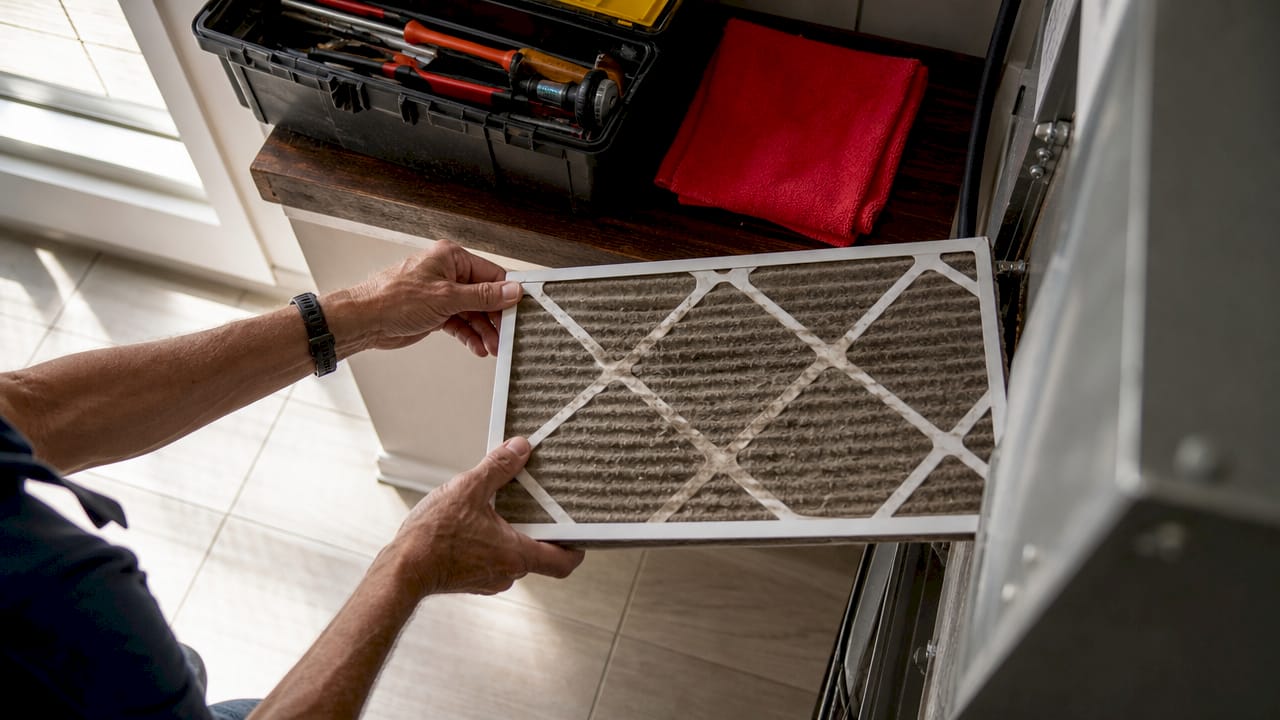
Step 2: Inspect and replace the air filter. A clogged filter blocks airflow so severely that the system freezes up or shuts down on its own. 1-inch fiberglass filters cost $2–$5 and pleated filters run $10–$25; both should be replaced every 1–3 months. Pull the filter out, hold it up to light, and swap it if you cannot see through it.
Step 3: Reset the circuit breaker correctly. Flip the AC breaker fully to the OFF position, wait 30 seconds, then flip it firmly to ON. A partial flip leaves the breaker in a tripped middle position and produces no reset at all. This is one of the most common mistakes homeowners make during an emergency air conditioning fix.
Step 4: Clear the outdoor condenser unit. Shut the system off at the thermostat first, then walk outside and remove any leaves, grass clippings, or debris from around the unit. The condenser needs at least 2 feet of clearance on all sides to reject heat properly. A blocked condenser causes the compressor to overheat and shut down.
Pro Tip: Before you reset the breaker, check your pre-call checklist so you have all observations ready when you contact a technician.
2. How to recognize red flags that need a professional immediately
Some AC symptoms are not safe to troubleshoot yourself. Burning smells, active water leaks, ice on refrigerant lines, repeated breaker trips, or indoor temperatures above 85°F all signal that the system needs a licensed technician, not another homeowner reset attempt. Ignoring these signs can turn a $300 repair into a $3,000 compressor replacement, or worse, a safety emergency.
Watch for these specific warning signs:
- Burning or electrical smell. Shut the system off immediately. This points to overheating wiring or a failing motor, both of which are fire hazards.
- Water leaking inside the home. A small amount of condensation is normal, but active dripping onto floors or walls means a blocked drain line or a frozen coil that has thawed too fast.
- Ice on refrigerant lines or indoor coils. Ice buildup indicates low refrigerant or severely restricted airflow. Running the system while it is iced over damages the compressor.
- Breaker trips again after reset. Repeated trips point to wiring faults, a failing compressor, or an overloaded circuit. Continuing to reset the breaker worsens the underlying problem.
- Dangerous indoor heat. Indoor temperatures above 85°F require prompt professional intervention, especially for elderly residents, young children, or anyone with a medical condition.
“Emergency AC repair prioritizes safety. Heatwaves increase risk considerably for vulnerable residents, requiring prompt professional intervention.” — Emergency AC Repair: What to Do When Your Cooling System Fails
Attempting to repair electrical components or refrigerant lines yourself risks injury and can void a system warranty. AC systems can be valued at over $5,000, and refrigerant handling requires specialized equipment that only licensed technicians carry. The risk is simply not worth it.
3. What do HVAC technicians typically fix on the first emergency visit?
Most emergency HVAC repair calls are resolved on the first visit because experienced technicians stock the most commonly failed parts on their service vehicles. Capacitors and contactors are the two most frequent replacements. A capacitor stores and releases electrical charge to start the compressor and fan motors; when it fails, the system hums but does not cool. A contactor is the electrical switch that connects power to the compressor; worn contacts cause intermittent or complete cooling failure.
Here is what a quality first visit typically includes:
- Full system inspection. The technician checks refrigerant pressure, electrical connections, and airflow before touching any parts.
- Listening to your description. A quality emergency service call includes the technician listening to your symptoms and explaining the root cause in plain language. Your observations from the self-check steps matter here.
- Thawing iced coils via fan-only mode. Switching to “Fan Only” accelerates thawing more effectively than a full system shutdown and prevents water damage to floors and ceilings.
- Upfront pricing before any work begins. Diagnostic and trip fees are standard; a reputable company explains all costs before starting repairs.
Pro Tip: Write down the exact symptoms you noticed, including any sounds, smells, and the time the problem started. This detail helps the technician distinguish between airflow restriction and mechanical failure faster, which cuts your repair time.
Complex issues like refrigerant leaks or compressor failures may require a follow-up visit for parts that are not stocked on every truck. That is normal. A good technician tells you this upfront rather than leaving you guessing.
4. How to stay cool and safe while waiting for AC repair in Central Florida
Central Florida heat is not forgiving. While you wait for a technician, managing your indoor environment actively reduces the risk of heat exhaustion. Closing blinds and curtains blocks direct sunlight and is one of the fastest ways to slow heat gain inside the home. Paired with strategic fan placement, this combination can meaningfully lower the temperature you feel.
Follow these steps while you wait:
- Close all blinds, curtains, and window coverings on sun-facing windows, especially south and west-facing glass in the afternoon.
- Use fans to create cross-ventilation. If outdoor temperatures drop below indoor temperatures, open windows on opposite sides of the home and position fans to pull cooler air through.
- Stay hydrated. Drink water consistently and avoid alcohol or caffeine, which accelerate dehydration in heat.
- Avoid heat-generating appliances. Ovens, clothes dryers, and dishwashers all add heat to the home. Use them after the repair is complete.
- Move to the lowest floor. Heat rises, so the ground floor or basement is always cooler than upper levels.
- Monitor vulnerable residents closely. Children, elderly adults, and anyone with a heart or respiratory condition face higher risk. If indoor temperatures climb above 85°F and cannot be controlled, leave for a cooler location.
Pro Tip: A battery-powered thermometer placed at chest height in your main living area gives you an accurate indoor temperature reading even when your AC thermostat is offline.
Key takeaways
Effective emergency AC troubleshooting requires a safe self-check first, clear recognition of danger signs, and fast professional service for anything involving electrical components or refrigerant.
| Point | Details |
|---|---|
| Start with the 4-step self-check | Verify thermostat, replace the filter, reset the breaker fully, and clear the condenser before calling. |
| Know when to stop and call | Burning smells, ice on lines, repeated breaker trips, or indoor temps above 85°F all need a licensed technician. |
| Capacitors and contactors fail most often | Technicians stock these parts and resolve most emergency calls on the first visit. |
| Fan-only mode thaws iced coils safely | Switching to fan-only accelerates thawing and prevents water damage while you wait for service. |
| Manage heat actively while waiting | Close blinds, use cross-ventilation, stay hydrated, and move vulnerable residents to a cooler space. |
What I have learned from emergency AC calls in Central Florida
The most common mistake I see homeowners make is skipping the self-check entirely and calling for emergency service before confirming the basics. A tripped breaker or a choked filter accounts for a large share of no-cool calls, and catching that yourself saves you a service fee and hours of waiting in the heat.
The second mistake is the opposite: pushing too far into the system after the self-check fails. Capacitors retain an electrical charge even after the power is disconnected. Discharging a capacitor improperly risks a serious electric shock. That is not a warning to take lightly. The line between safe homeowner troubleshooting and licensed technician work is clear: thermostats, filters, breakers, and debris removal are yours to handle. Anything involving wiring, refrigerant, or internal components belongs to a professional.
The third thing I have observed is that homeowners who do the self-check first and document their symptoms get faster diagnoses and better repair outcomes. When you can tell a technician exactly when the problem started, what sounds you heard, and what you already checked, you cut diagnostic time significantly. That translates directly to a faster fix and a lower bill. Preventive maintenance is the real long-term answer, though. A system that gets a seasonal tune-up rarely fails without warning, and when it does show signs of trouble, you catch them before they become a midnight emergency.
— Lucasair
Lucasair is ready for your Central Florida AC emergency
Central Florida heat does not wait, and neither does Lucasair. Based in Eustis and founded by Army Veteran Cameron Lucas, Lucasair serves homeowners and renters across Lake County and the surrounding region with emergency HVAC repair, tune-ups, and preventive maintenance.
Lucasair technicians arrive stocked with the most common replacement parts, explain the diagnosis in plain language, and provide upfront pricing before any work begins. Military members and first responders receive special pricing. Whether your system stopped cooling at noon or midnight, Lucasair’s team is ready to restore your comfort fast. Contact Lucasair’s emergency repair team or visit the repairs service page to schedule service or request urgent help today.
FAQ
What should I check first when my AC stops working?
Check four things first: confirm the thermostat is set to “Cool,” inspect the air filter for clogs, reset the circuit breaker fully from OFF to ON, and clear debris from the outdoor condenser unit.
When is it unsafe to reset the AC breaker again?
Stop resetting the breaker if it trips a second time after your reset. Repeated breaker trips indicate wiring faults, a failing compressor, or an overloaded circuit that requires professional diagnostics.
What indoor temperature makes an AC emergency urgent?
Indoor temperatures above 85°F make an AC failure a health emergency, particularly for elderly residents, young children, and anyone with a chronic medical condition.
Can I fix a frozen AC coil myself?
Switch the system to “Fan Only” mode and let it run. Fan circulation thaws ice faster than a full shutdown and prevents water damage, but a technician still needs to find and fix the root cause.
Why should I avoid DIY repairs on refrigerant or electrical parts?
DIY repairs on electrical components or refrigerant lines risk injury and can void your system warranty. AC systems valued at over $5,000 require licensed technicians with proper equipment for safe refrigerant capture and electrical testing.
Recommended
- Step-by-Step AC Maintenance: Keep Your Florida Home Cool – Lucas Air Conditioning and Heating
- Step-by-step air conditioner assessment guide for homeowners – Lucas Air Conditioning and Heating
- Things to Check Before Your AC Repair Call – Lucas Air Conditioning and Heating
- Essential AC Tune-Up Steps Every Florida Homeowner Needs – Lucas Air Conditioning and Heating
