
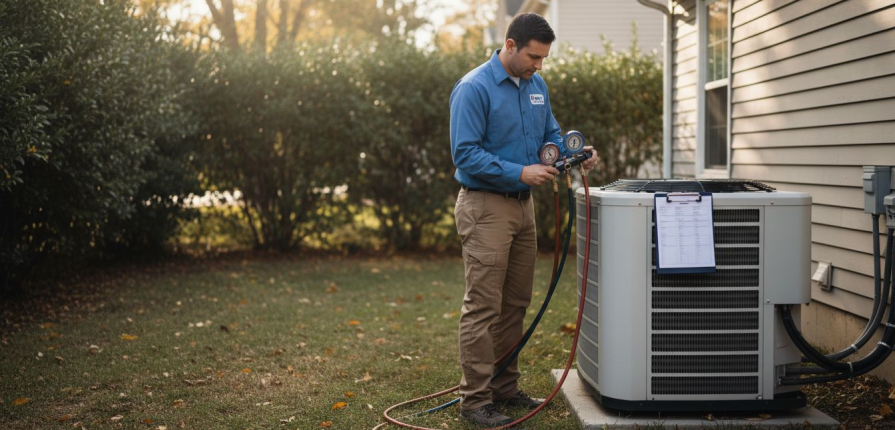
Stepping into a new home in Central Florida means quickly figuring out how to keep your indoor air cool, clean, and comfortable. Choosing the best HVAC system matters because our climate can push equipment to its limits for months at a time. If you understand the differences between system types and key features like efficiency ratings, you can confidently select an option that keeps your family comfortable and saves on energy bills. This guide breaks down what every homeowner needs to know about HVAC system options and how they work.
Table of Contents
- What Is An HVAC System And How It Works
- Major Residential HVAC System Types Compared
- Key Features And Efficiency Differences
- Costs, Maintenance, And Longevity Factors
- Common Pitfalls To Avoid When Choosing
Key Takeaways
| Point | Details |
|---|---|
| Understand HVAC Functionality | HVAC systems regulate temperature, humidity, and air quality, ensuring comfort and healthy indoor air throughout the year. |
| Choose the Right System Type | Evaluate system options such as split systems, mini-splits, and packaged units based on your home’s layout and needs. |
| Prioritize Energy Efficiency | Select systems with higher efficiency ratings (SEER, HSPF) to reduce long-term energy costs, especially in climates with prolonged cooling needs. |
| Focus on Professional Installation | Proper installation is crucial for system performance; always choose licensed professionals to avoid costly mistakes. |
What Is an HVAC System and How It Works
Your HVAC system is essentially the lungs and circulatory system of your home rolled into one. HVAC stands for heating, ventilation, and air conditioning, and it works constantly to keep your Central Florida home at the right temperature, humidity level, and air quality. This isn’t just about comfort on those sweltering summer days when the temperature hits 95 degrees; it’s also about maintaining healthy indoor air quality year-round.
At its core, an HVAC system uses advanced technologies to regulate temperature and remove contaminants through a coordinated network of components. The system pulls in air from your home, passes it through filters to trap dust and allergens, then either heats or cools it depending on what your thermostat is set to. That conditioned air gets pushed back into your rooms through a series of ducts, while stale air returns to the system to start the cycle again.
Think of the thermostat as your system’s brain. You set it to your desired temperature, and the thermostat communicates with the heating or cooling equipment to maintain that exact setting. In the summer, your air conditioning unit cools the air. In the winter, your furnace generates heat. The blower motor continuously pushes air through the ducts to distribute it evenly throughout your home.
What makes this system elegant is how efficiently all the pieces work together. The furnace generates heat through combustion or electric resistance. Heat exchangers transfer that warmth into the air stream. The same ducts that carry cool air in summer carry warm air in winter. Filters catch debris. The thermostat orchestrates everything. Each component has a specific job, and when they’re all functioning properly, you barely notice the system operating.
In Central Florida’s climate, your HVAC system runs longer than most systems in the country. Our humidity and heat demand consistent operation from late spring through early fall. Understanding how your system works helps you recognize when something isn’t operating correctly and know when to call for professional maintenance before a small problem becomes an expensive repair.
Pro tip: _Set your thermostat to a consistent temperature rather than constantly adjusting it, which forces your system to work harder and wastes energy and money.
Major Residential HVAC System Types Compared
Not all HVAC systems are created equal. Central Florida homeowners have several different types to choose from, and picking the right one depends on your home’s layout, budget, and comfort goals. Understanding the main options helps you make an informed decision when it’s time to replace or upgrade your system.
Split System Central Air Conditioners and Heat Pumps
This is the most common setup in Florida homes. A split system has an outdoor unit containing the compressor and condenser, connected to an indoor unit with a furnace or air handler. Refrigerant lines run between them, and ductwork distributes conditioned air throughout your house. Split systems are reliable, efficient, and work well if your home already has ductwork in place. Heat pump versions provide both heating and cooling, making them popular in mild Florida winters.
Ductless Mini-Splits
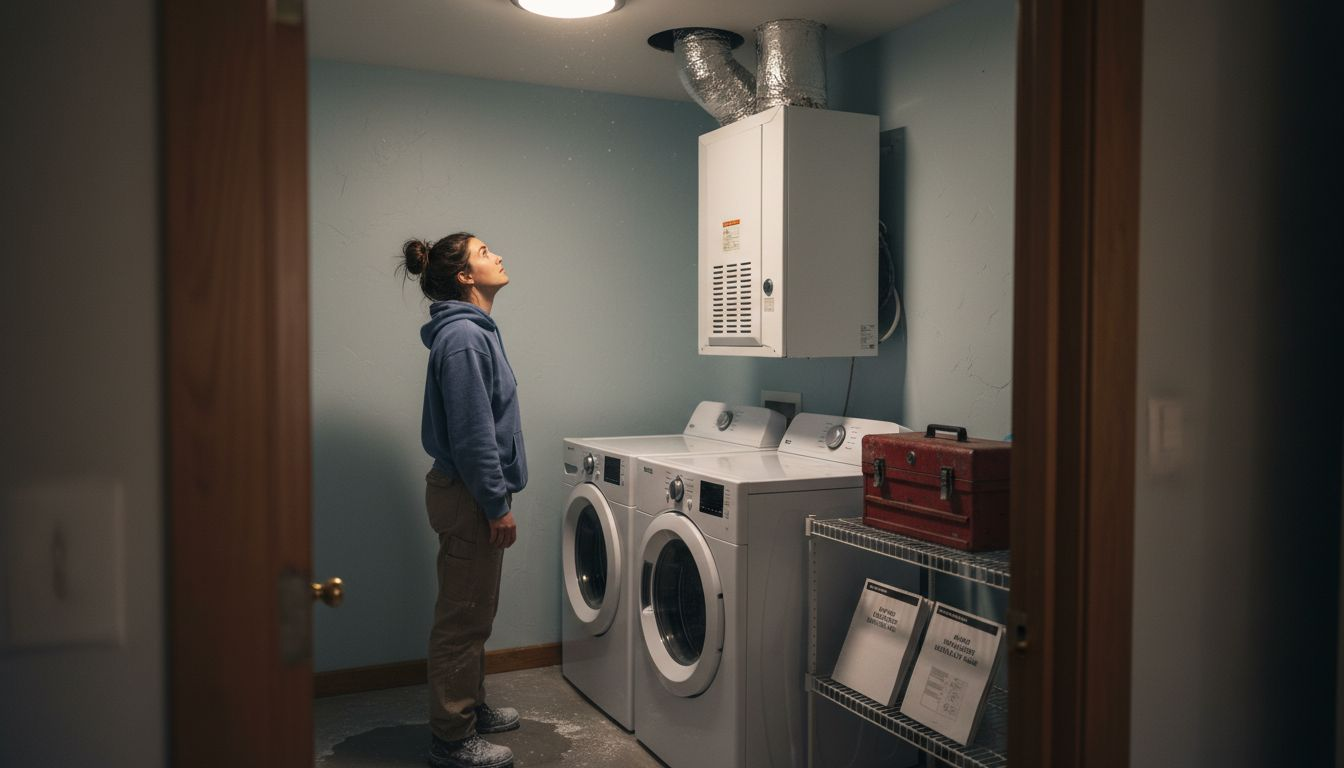
If your home lacks ductwork or you want to control temperature room by room, a ductless mini-split is your answer. This system has an outdoor compressor unit connected to multiple indoor air handlers mounted on walls or ceilings. Each zone operates independently with its own thermostat, so you’re not cooling an empty bedroom or heating a room nobody’s using. Installation is cleaner than adding ducts, and they’re incredibly efficient.
Packaged Central Systems
Some homes have all equipment in one outdoor unit, often rooftop mounted. This packaged system contains the compressor, condenser, and sometimes the heating element in one cabinet. Ductwork still distributes air throughout the house. These take up less indoor space but may be noisier and less efficient than split systems.
Key Differences
The main variables are equipment location, ductwork requirements, zone control, and installation complexity. Split systems need existing ducts or new duct installation. Mini-splits eliminate ductwork entirely but cost more upfront. Packaged units save indoor space but demand rooftop access. Choosing the right system involves balancing comfort needs, building design, and installation constraints.
In Central Florida’s climate, efficiency matters because your system runs nearly year-round. Heat pumps are popular here since heating demands are minimal. Many homeowners with older homes discover that ductless mini-splits solve problems that traditional systems can’t fix.
Here’s a summary of the main residential HVAC system types and their key characteristics:
| System Type | Ductwork Needed | Zone Control | Efficiency Potential |
|---|---|---|---|
| Split System | Required | Single zone | Moderate to high |
| Ductless Mini-Split | Not required | Multi-zone | High |
| Packaged System | Required | Single zone | Moderate |
Pro tip: _If your home has significant temperature differences between rooms, a ductless system with multiple zones often costs less than trying to balance a traditional central system with dampers and zoning equipment.
Key Features and Efficiency Differences
Not every HVAC system performs the same way. Some use significantly less energy than others, and understanding efficiency ratings helps you calculate long-term costs versus upfront investment. In Central Florida, where air conditioning runs eight months out of the year, choosing an efficient system directly impacts your utility bills.
Understanding Efficiency Ratings
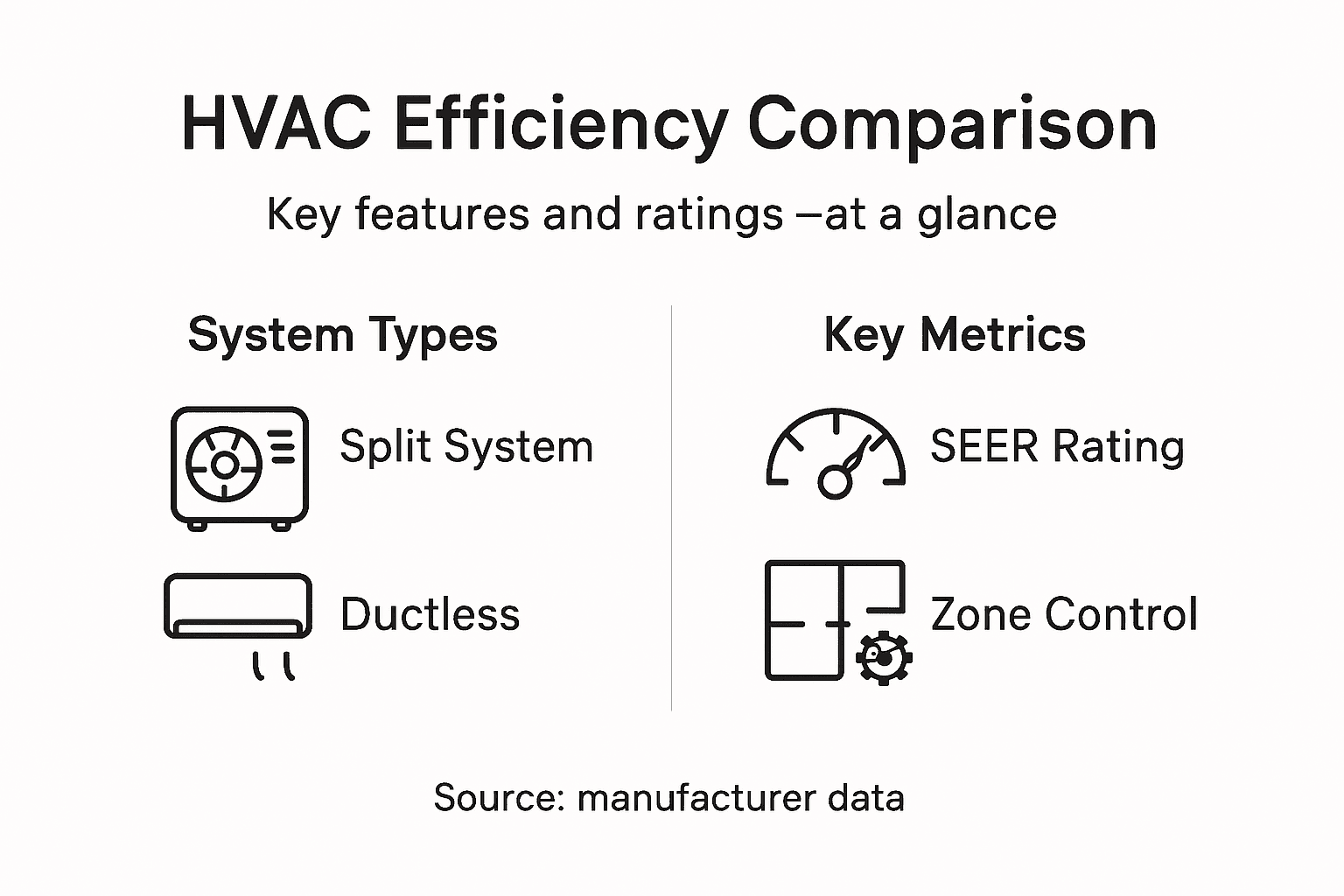
Manufacturers use standardized metrics to measure performance. SEER (Seasonal Energy Efficiency Ratio) rates cooling efficiency on a scale where higher numbers mean lower operating costs. A system rated SEER 16 uses about 30 percent less energy than one rated SEER 10. For heating, HSPF (Heating Seasonal Performance Factor) serves the same purpose. AFUE (Annual Fuel Efficiency Ratio) measures furnace efficiency, typically ranging from 80 to 98 percent. Energy-efficient products like heat pumps are recommended for their dual heating and cooling capabilities, making them excellent choices for Florida homes that need both year-round.
System Capacity Matters
The tonnage of your unit reflects its heating or cooling ability, measured in British Thermal Units (Btu). A 3-ton system removes 36,000 Btu of heat per hour. Proper sizing according to your home’s square footage, insulation, and sun exposure is critical. An oversized system cycles on and off too frequently, wasting energy. An undersized system runs constantly without reaching your set temperature. Proper sizing according to building needs impacts energy use and comfort, which is why professional evaluation matters.
Additional Efficiency Features
Beyond the main unit, several features boost overall performance. Programmable thermostats let you adjust temperatures automatically based on your schedule, cutting unnecessary cooling or heating. High-efficiency filters trap more dust and allergens while maintaining airflow. Variable-speed blowers run at lower speeds most of the time, reducing electricity consumption. Dual-fuel systems switch between electric heat pumps and gas heating depending on temperature conditions.
Many high-efficiency systems qualify for federal tax credits or local utility rebates. Installation costs run higher, but energy savings over ten to fifteen years often exceed the premium paid upfront.
Pro tip: _Request a load calculation before purchasing any system, as many homes are over or undersized, leaving money on the table regardless of how efficient the equipment is.
Costs, Maintenance, and Longevity Factors
Your HVAC system is one of the largest investments you’ll make in your home. Understanding the total cost picture, not just the sticker price, helps you choose a system that delivers real value over time. The cheapest option today might cost you thousands more in energy bills and repairs down the road.
Initial Investment Versus Long-Term Savings
A basic split system air conditioner might cost $3,000 to $5,000 installed, while a high-efficiency heat pump system runs $6,000 to $10,000. The premium seems steep until you look at energy savings. Life-cycle cost analysis considers initial investment, operating costs including energy and maintenance, and equipment longevity, revealing that high-efficiency systems often pay for themselves within seven to ten years through lower utility bills. Over a fifteen-year lifespan, the savings compound dramatically.
Equipment Lifespan and Maintenance Impact
Most HVAC components last between ten and twenty years depending on climate and care. Florida’s heat and humidity accelerate component wear compared to cooler regions. Routine maintenance and timely repairs are critical for HVAC system longevity, potentially extending your system’s life by three to five years. A system that lasts seventeen years versus twelve years saves thousands in replacement costs.
The Maintenance Reality
Neglecting maintenance costs more than performing it. Annual tune-ups cost $150 to $300 but catch small problems before they become expensive repairs. A refrigerant leak left undetected can damage your compressor, a $1,500 to $2,500 replacement. Dirty filters force your system to work harder, increasing energy consumption by ten to fifteen percent. Neglecting ductwork sealing wastes conditioned air and hikes utility costs by twenty percent or more.
The Numbers That Matter
When evaluating systems, calculate your cost per year over the equipment’s expected life. A $8,000 system lasting fifteen years with $400 annual maintenance costs approximately $933 per year. A $4,000 system lasting ten years with $600 annual maintenance costs $1,000 per year when you factor in replacement. Add energy savings, and the premium system often wins financially.
Use this table to quickly compare typical annual ownership costs for different HVAC system choices:
| System Type | Install Cost Range | Expected Lifespan | Avg. Yearly Cost (w/ Maintenance) |
|---|---|---|---|
| Split System AC | $3,000–$5,000 | 10–15 years | $900–$1,000 |
| Heat Pump | $6,000–$10,000 | 12–20 years | $800–$950 |
| Mini-Split | $5,000–$8,000 | 15–20 years | $850–$950 |
Pro tip: _Ask your HVAC contractor for a life-cycle cost analysis showing total ownership costs over fifteen years, including energy consumption, maintenance, and potential repairs, before making your final decision.
Common Pitfalls to Avoid When Choosing
Choosing the wrong HVAC system can haunt you for years. Most homeowners make decisions based on incomplete information or pressure from sales representatives. Learning what mistakes to avoid saves thousands in regret and wasted money.
Undersizing or Oversizing Your System
This is the most common mistake. Homeowners often assume bigger is better, but an oversized system cools your home quickly then shuts off before properly dehumidifying the air. In Florida’s humid climate, that means sticky indoor air despite low temperatures. An undersized system runs constantly, driving up energy bills while failing to reach your set temperature. Selecting equipment that is improperly sized for the home leads to inefficient operation, higher costs, and comfort issues. Always request a professional load calculation based on your home’s square footage, insulation, window quality, and sun exposure.
Ignoring Installation Quality
Even the best equipment performs poorly with poor installation. Improperly sealed ductwork wastes thirty percent of conditioned air. Incorrect refrigerant charge levels destroy efficiency. Electrical connections done wrong create safety hazards. Choosing reputable, qualified contractors is critical since installation quality greatly influences system performance. Get multiple bids from licensed, insured contractors with verifiable references. Don’t choose based solely on lowest price.
Overlooking Energy Efficiency Ratings
Saving $1,000 upfront on a lower-efficiency system means paying that back in energy costs within a few years. SEER ratings, HSPF values, and AFUE percentages matter. A system rated SEER 14 versus SEER 18 costs more initially but saves significantly over time in Central Florida’s nine-month cooling season.
Neglecting Maintenance from Day One
Many homeowners purchase a new system then never perform maintenance. Missing annual tune-ups, ignoring filter changes, and postponing ductwork cleaning accelerates wear. What should last eighteen years dies at twelve, forcing premature replacement.
Choosing Brands Without Research
Not all brands perform equally. Check reliability ratings and customer satisfaction surveys before buying. A system with excellent reviews and local service availability beats an unknown brand regardless of price.
Pro tip: _Request at least three written quotes from different contractors, including detailed specifications, warranties, and maintenance plans, before signing any agreement.
Find the Perfect HVAC Solution for Your Home or Business Today
Choosing the right HVAC system involves understanding key terms like SEER, HSPF, and ductless mini-splits to address your unique comfort needs and avoid costly mistakes. Whether you are facing uneven temperatures, high energy bills, or persistent humidity issues, it’s critical to select a system sized and installed properly. Lucas Air Conditioning and Heating is here to help Central Florida residents navigate these complexities with trusted expertise and personalized service.
Explore our Special Offers to get great value on energy-efficient HVAC upgrades or maintenance. Our veteran-owned company focuses on quality installation, affordable financing options, and responsive repairs that protect your investment for the long term. Visit Lucas Air Conditioning and Heating to schedule your consultation now. Don’t wait for discomfort or rising utility bills take control of your indoor climate today with a system that fits your home perfectly.
Frequently Asked Questions
What are the main types of HVAC systems?
The main types of HVAC systems include split system central air conditioners, heat pumps, ductless mini-splits, and packaged central systems. Each type has its own characteristics and benefits depending on your home’s layout and comfort needs.
How do I determine the right size HVAC system for my home?
It’s essential to conduct a professional load calculation based on your home’s square footage, insulation, window quality, and sun exposure to determine the right size. An oversized or undersized system can lead to inefficiency and discomfort.
What efficiency ratings should I look for when choosing an HVAC system?
Look for efficiency ratings such as SEER (Seasonal Energy Efficiency Ratio) for cooling and HSPF (Heating Seasonal Performance Factor) for heating. Higher ratings indicate lower energy consumption and operating costs.
How can I improve the longevity and performance of my HVAC system?
Routine maintenance, such as annual tune-ups, regular filter changes, and ensuring ductwork is properly sealed, can significantly improve the longevity and performance of your HVAC system.
Recommended
- Landing Page for HVAC Financing – Lucas Air Conditioning and Heating
- Role of HVAC in Home Comfort: What Homeowners Need
- Role of HVAC Systems – How Comfort and Efficiency Affect Florida Homes
- HVAC Installation Step by Step for Homeowners
- HVAC Contractor Eustis FL
- Air Conditioning Installation Eustis FL
