
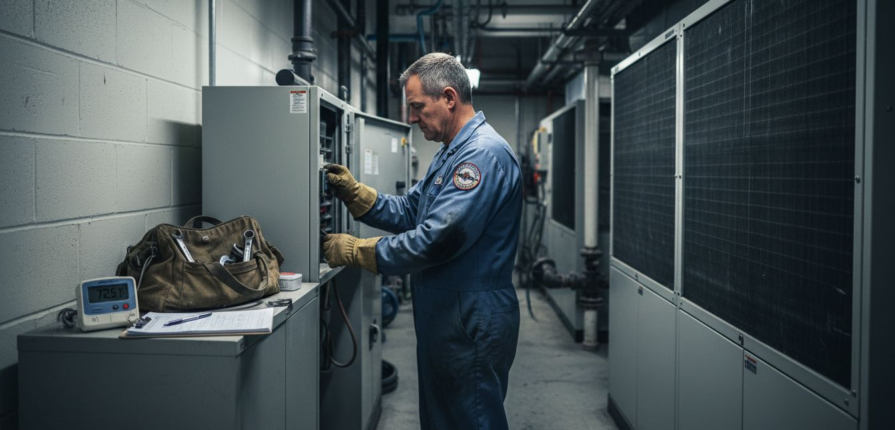
Maintaining HVAC systems in Central Florida hotels is not a luxury, it is a necessity. Regular maintenance can reduce energy costs by up to 20% while drastically improving guest comfort in a climate that pushes air conditioning systems to their limits year-round. For hotel managers balancing operational budgets with guest satisfaction, understanding how proactive HVAC care delivers measurable returns is critical. This guide explores how strategic maintenance reduces complaints, extends equipment life, and optimizes performance in 2026.
Table of Contents
- Introduction To HVAC Maintenance In Hotels
- How HVAC Maintenance Enhances Guest Comfort
- Energy Efficiency Benefits Of HVAC Maintenance
- Cost Reduction And Operational Savings
- Maintenance Scheduling And Climate Considerations
- Common Misconceptions About HVAC Maintenance
- Comparing HVAC Maintenance Plans For Hotels
- Implementation Tips For Hotel HVAC Maintenance Programs
- Enhance Hotel HVAC Performance With Lucas Air Conditioning And Heating
Key Takeaways
| Point | Details |
|---|---|
| Energy Savings | Regular HVAC maintenance reduces energy consumption by up to 20% in commercial properties. |
| Guest Satisfaction | Properly maintained systems reduce temperature and humidity complaints by approximately 30%. |
| Equipment Longevity | Comprehensive maintenance extends HVAC lifespan by 30 to 35%, delaying costly replacements. |
| Downtime Reduction | Scheduled maintenance programs cut unplanned system failures by 50%, minimizing guest disruptions. |
| Climate Optimization | Biannual inspections tailored to Florida’s humid subtropical conditions prevent moisture damage and corrosion. |
Introduction to HVAC Maintenance in Hotels
Hotel HVAC systems typically include centralized air handling units, ducted distribution networks, and individual zone controls. These systems work constantly to manage indoor climate across guest rooms, lobbies, conference spaces, and dining areas. Central Florida’s hot, humid climate creates unique challenges. High temperatures and humidity levels strain compressors and evaporators. Moisture accelerates corrosion in ductwork and metal components. Salt air near coastal properties compounds these issues.
HVAC performance directly affects guest experience. Temperature stability, humidity control, and air quality determine comfort. Guests notice when rooms feel stuffy, too warm, or inconsistently cooled. Poorly maintained systems consume excessive energy and break down frequently. Emergency repairs disrupt operations and inflate costs. Understanding these fundamentals helps you prioritize seasonal HVAC tune-ups in Florida that address regional demands.
Key HVAC components in hotels include:
- Centralized air handling units distributing conditioned air
- Ductwork systems delivering airflow to multiple zones
- Thermostats and controls managing individual room temperatures
- Compressors, evaporators, and condensers handling refrigeration cycles
- Filters capturing airborne particles and allergens
Climate challenges requiring proactive maintenance:
- Excessive heat stressing compressors and refrigerant systems
- High humidity promoting mold growth and duct condensation
- Corrosion risks from moisture and coastal salt exposure
- Increased filter clogging from pollen and outdoor contaminants
Recognizing the role of HVAC systems in Florida hotels allows you to tailor maintenance schedules that prevent these issues before they impact guests or budgets.
How HVAC Maintenance Enhances Guest Comfort
Maintenance keeps temperature and humidity within optimal ranges. Regular inspections ensure thermostats calibrate accurately and refrigerant levels remain sufficient. When systems operate efficiently, guests enjoy consistent cooling without hot spots or cold drafts. Filter replacements and duct cleaning improve indoor air quality by removing dust, pollen, and allergens. Clean air reduces respiratory irritation for sensitive guests.
Properly maintained HVAC systems reduce guest complaints by as much as 30% according to industry data. Fewer complaints about stuffy rooms, uneven temperatures, or poor airflow translate into better reviews and higher satisfaction scores. Guests who sleep comfortably and breathe clean air are more likely to return and recommend your property.
Pro Tip: Schedule maintenance before peak travel seasons. Spring and fall tune-ups prepare systems for summer heat and winter occupancy spikes, avoiding breakdowns during high guest volumes.
Consistent HVAC operation reduces the frequency of service calls during guest stays. Nothing frustrates travelers more than requesting room changes due to malfunctioning air conditioning. Understanding the HVAC impact on comfort and air quality helps you see maintenance as an investment in guest loyalty. Research confirms hotel guest satisfaction linked to HVAC performance, with comfort driving repeat bookings and positive word of mouth.
Maintenance tasks that enhance comfort:
- Replacing filters monthly or bimonthly to maintain airflow
- Cleaning evaporator and condenser coils for efficient heat exchange
- Inspecting duct seals to prevent conditioned air loss
- Calibrating thermostats for accurate temperature readings
- Checking refrigerant levels to ensure proper cooling capacity
When you prioritize these tasks, guests notice the difference. Clear air, stable temperatures, and quiet operation create the comfortable environment travelers expect. Recognizing why proper HVAC maintenance matters for comfort shifts your perspective from reactive repairs to proactive care.
Energy Efficiency Benefits of HVAC Maintenance
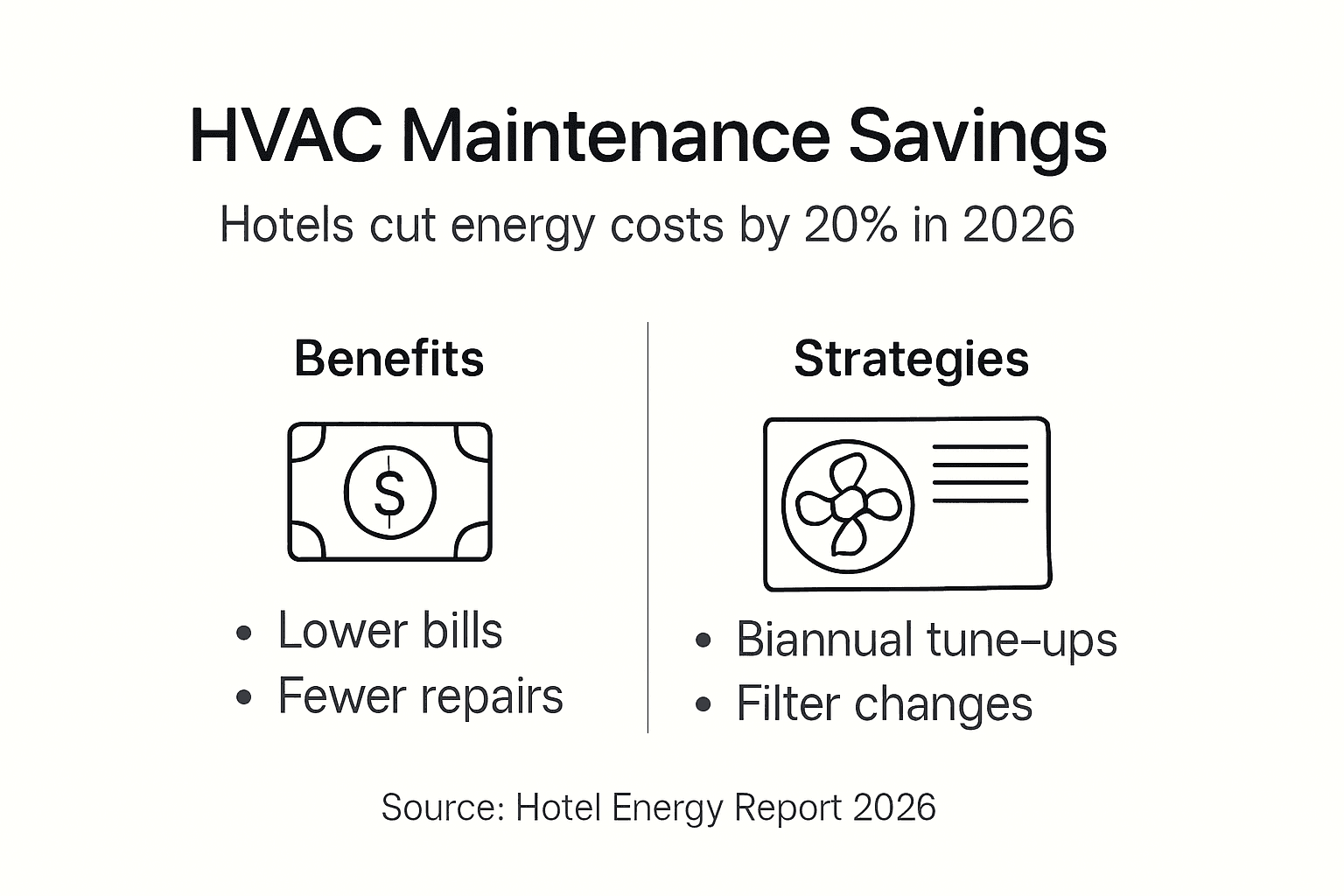
Regular maintenance directly reduces energy waste. Dirty filters force systems to work harder, consuming more electricity. Clogged coils impair heat transfer, increasing compressor runtime. Duct leaks allow conditioned air to escape into unconditioned spaces. Addressing these issues through scheduled maintenance can cut energy consumption by up to 20% in commercial hospitality settings.
Key maintenance tasks that optimize energy efficiency:
- Change filters every 30 to 60 days to maintain unrestricted airflow.
- Inspect and seal ductwork to eliminate air leaks and improve delivery.
- Calibrate thermostats to prevent overcooling or excessive heating cycles.
- Clean evaporator and condenser coils to maximize heat exchange efficiency.
- Check refrigerant levels and repair leaks to maintain proper cooling capacity.
Energy savings translate into lower monthly utility bills. A 200-room hotel spending $15,000 monthly on HVAC energy could save $3,000 with consistent maintenance. Over a year, that amounts to $36,000 in recovered operational costs. These savings fund other property improvements or boost profit margins.

Central Florida hotels implementing biannual maintenance report measurable reductions in energy use. One property in Eustis documented a 22% decrease in summer cooling costs after adopting a comprehensive maintenance plan. Another resort near The Villages reduced monthly bills by $2,800 through improved system efficiency. These examples demonstrate tangible returns from proactive care.
Understanding the importance of AC tune-ups clarifies how small investments in maintenance yield substantial energy savings. Efficient systems not only cost less to operate but also reduce environmental impact, aligning with sustainability goals many hotels pursue in 2026.
Cost Reduction and Operational Savings
Emergency repairs are expensive. A midnight compressor failure requires premium labor rates and expedited parts delivery. Routine maintenance identifies issues early, preventing catastrophic breakdowns. Data shows emergency repairs drop by up to 40% with scheduled inspections and tune-ups.
HVAC equipment lasts longer when properly maintained. Systems designed for 15 years can operate 20 to 22 years with consistent care, extending lifespan by 30 to 35%. Delaying replacement saves tens of thousands of dollars. A new commercial HVAC system for a mid-size hotel costs $80,000 to $150,000. Extending existing equipment by five years defers this capital expenditure significantly.
| Maintenance Plan | Annual Cost | Emergency Repairs | System Downtime | Equipment Lifespan |
|---|---|---|---|---|
| Basic Plan | $4,500 | $8,000 average | 15 hours/year | 15 years |
| Comprehensive Plan | $6,000 | $3,200 average | 7 hours/year | 20+ years |
Comprehensive plans cost approximately 30% more upfront but reduce total maintenance expenses and downtime substantially. Fewer breakdowns mean less guest inconvenience and fewer room reassignments. Unplanned downtime disrupts operations, requiring staff to manage complaints and coordinate repairs during peak hours.
Pro Tip: Track maintenance costs against repair savings annually. Document how planned care reduces emergency spending, providing clear ROI data for budget justifications and stakeholder reports.
Reactive repair costs often exceed planned maintenance expenses when skipped. Lack of maintenance increases the risk of system failure by up to 50% within three years, according to HVAC industry analysis. Understanding the risks of skipping HVAC maintenance highlights the financial danger of neglecting routine care. Investing in commercial HVAC services benefits your bottom line by preventing costly failures and preserving equipment value.
Maintenance Scheduling and Climate Considerations
Central Florida’s humid subtropical climate demands tailored maintenance schedules. Biannual HVAC inspections align with seasonal changes, preparing systems for summer heat and winter occupancy patterns. Spring tune-ups before peak summer tourism ensure maximum cooling capacity. Fall inspections address wear from heavy summer use and prepare for milder winter months.
Climate factors influencing maintenance timing:
- High humidity requiring frequent filter changes and condensate drain checks
- Year-round cooling demands stressing compressors and refrigerant systems
- Corrosion prevention through regular coil cleaning and protective treatments
- Mold and mildew risks in ductwork from persistent moisture exposure
Coordinating maintenance with hotel occupancy cycles minimizes guest disruption. Schedule intensive inspections during slower seasons or midweek periods with lower room bookings. Avoid maintenance during holiday weekends, spring break, or summer vacation peaks when properties run at full capacity.
Pro Tip: Monitor energy consumption and guest comfort feedback after each scheduled maintenance cycle. Tracking these metrics demonstrates program effectiveness and identifies areas for continuous improvement.
Understanding seasonal HVAC tune-ups specific to Florida conditions helps you plan proactive care rather than reacting to breakdowns. Recognizing why scheduling AC tune-ups matters for hotel operations ensures systems perform reliably when guests need them most. Proper scheduling protects your investment and maintains guest satisfaction year-round.
Common Misconceptions about HVAC Maintenance
Myth 1: HVAC systems do not need maintenance if they appear to function normally. Many managers assume operational systems require no attention. Evidence proves otherwise. Lack of maintenance increases system failure risk by up to 50% within three years even when equipment seems fine. Hidden issues like refrigerant leaks, dirty coils, and worn components gradually degrade performance before causing sudden breakdowns.
Myth 2: Reducing maintenance frequency saves money. Skipping scheduled inspections may lower immediate costs but increases long-term expenses. Deferred maintenance leads to energy waste, premature equipment failure, and costly emergency repairs. Annual savings from fewer service visits are quickly erased by a single major breakdown requiring overnight technician rates and expedited parts.
Myth 3: All maintenance plans deliver similar results. Basic plans provide minimal inspections and filter changes. Comprehensive plans include duct sealing, refrigerant optimization, and detailed component testing. Comprehensive maintenance reduces downtime by 50% compared to basic plans but costs approximately 30% more. The investment pays off through fewer disruptions and extended equipment life.
| Misconception | Reality | Financial Impact |
|---|---|---|
| No maintenance needed if system runs | 50% higher failure risk within 3 years | $8,000+ emergency repair costs |
| Less frequent maintenance saves money | Leads to 40% more emergency repairs | $4,800 additional annual repair expenses |
| All plans are equivalent | Comprehensive plans cut downtime 50% | $6,000 annual investment vs $8,000+ reactive costs |
Understanding these misconceptions helps you make informed decisions about HVAC care. Evidence debunking maintenance myths clarifies why proactive programs outperform reactive approaches. Prioritizing comprehensive maintenance aligns with operational goals and protects your property from avoidable expenses.
Comparing HVAC Maintenance Plans for Hotels
Basic maintenance plans offer entry-level protection at lower costs. These plans typically include biannual inspections, filter replacements, and basic system testing. Annual costs range from $4,000 to $5,000 for mid-size properties. While affordable, basic plans provide minimal coverage and higher risk of unplanned downtime. They suit smaller hotels with tight budgets and higher tolerance for occasional disruptions.
Comprehensive plans deliver full-service care. Services include detailed inspections, duct sealing, coil cleaning, refrigerant optimization, thermostat calibration, and priority emergency response. Annual costs range from $5,500 to $7,000, approximately 30% more than basic plans. Comprehensive coverage reduces emergency repairs significantly and extends equipment lifespan. These plans suit larger hotels, properties with aging systems, or operations prioritizing guest satisfaction and minimal downtime.
| Plan Type | Annual Cost | Services Included | Emergency Repair Frequency | Average Downtime |
|---|---|---|---|---|
| Basic | $4,000-$5,000 | Filter changes, biannual inspections, basic testing | 8-10 incidents/year | 15 hours/year |
| Comprehensive | $5,500-$7,000 | Full inspections, duct sealing, coil cleaning, refrigerant checks, priority service | 3-4 incidents/year | 7 hours/year |
Factors influencing plan selection:
- Hotel size and number of HVAC units requiring coverage
- Property age and condition of existing equipment
- Annual occupancy rates and guest volume expectations
- Budget constraints and capital available for maintenance investment
- Tolerance for operational disruptions and guest complaints
Assess your property’s specific needs before selecting a plan. Larger hotels with high occupancy benefit from comprehensive coverage that minimizes guest disruptions. Smaller properties with newer equipment may find basic plans sufficient initially. Review plan performance annually, adjusting coverage as equipment ages or operational demands change.
Implementation Tips for Hotel HVAC Maintenance Programs
Establishing an effective maintenance program requires strategic planning and consistent execution. Follow these steps to optimize HVAC care:
- Conduct an initial comprehensive system assessment. Document equipment age, condition, and performance baselines. Identify immediate repair needs and long-term replacement timelines.
- Schedule biannual professional inspections aligned with seasonal transitions. Book spring inspections in March or April, fall inspections in September or October.
- Implement a comprehensive maintenance plan appropriate for property size and budget. Prioritize plans offering duct sealing, coil cleaning, and refrigerant optimization.
- Monitor energy consumption and guest comfort feedback continuously. Track utility bills monthly and review guest satisfaction scores quarterly to measure maintenance impact.
Choose service providers with demonstrated Florida climate expertise. Local contractors understand regional challenges like humidity control, corrosion prevention, and hurricane preparedness. Verify technicians hold proper licensing and certifications for commercial HVAC work.
Pro Tip: Use maintenance performance data to demonstrate ROI to ownership or corporate stakeholders. Present energy savings, reduced repair costs, and improved guest satisfaction scores as evidence supporting ongoing maintenance budgets.
Leverage maintenance programs to boost guest satisfaction metrics. Promote your commitment to comfort and air quality in marketing materials. Highlight sustainability efforts tied to energy-efficient operations. These messages resonate with travelers prioritizing health and environmental responsibility in 2026.
Understanding the importance of HVAC inspections ensures you select qualified professionals for assessments. Establishing preventative maintenance agreements locks in consistent care and often includes discounted service rates. Structured programs remove guesswork and ensure your property receives timely attention year-round.
Enhance Hotel HVAC Performance with Lucas Air Conditioning and Heating
Implementing the maintenance strategies outlined requires partnering with experienced professionals who understand Central Florida’s unique demands. Lucas Air Conditioning and Heating offers tailored HVAC solutions for hotels throughout the region, combining technical expertise with local climate knowledge.
Our preventative maintenance agreements provide scheduled care that keeps your systems running efficiently year-round. Professional tune-ups optimize energy use, reduce repair costs, and extend equipment life. As a trusted HVAC contractor in The Villages and surrounding areas, we deliver reliable service that protects your investment and enhances guest comfort. Contact us today to discuss customized maintenance solutions for your property.
Frequently Asked Questions
How often should hotel HVAC systems be professionally maintained in Central Florida?
Biannual maintenance is recommended, with inspections scheduled in spring and fall. Florida’s year-round cooling demands and high humidity create conditions requiring more frequent attention than cooler climates.
What are the signs that indicate HVAC maintenance is urgently needed in a hotel?
Watch for increased guest complaints about temperature inconsistency, unusual noises from equipment, higher utility bills, or visible mold near vents. These symptoms indicate immediate professional assessment is necessary.
Can HVAC maintenance improve indoor air quality for sensitive guests?
Yes, regular filter replacements and duct cleaning remove allergens, dust, and contaminants. Clean systems circulate fresher air, benefiting guests with asthma, allergies, or respiratory sensitivities.
What should hotel managers consider when selecting an HVAC maintenance provider?
Prioritize contractors with commercial hospitality experience and Florida climate expertise. Verify proper licensing, check customer reviews, and confirm they offer comprehensive service plans with emergency response capabilities.
Are there cost-effective maintenance options for smaller hotels on a budget?
Basic maintenance plans starting around $4,000 annually provide essential inspections and filter changes. While offering less coverage than comprehensive plans, they still reduce emergency repair risks compared to no maintenance. Evaluate your property’s specific needs and risk tolerance when choosing plan levels.
