
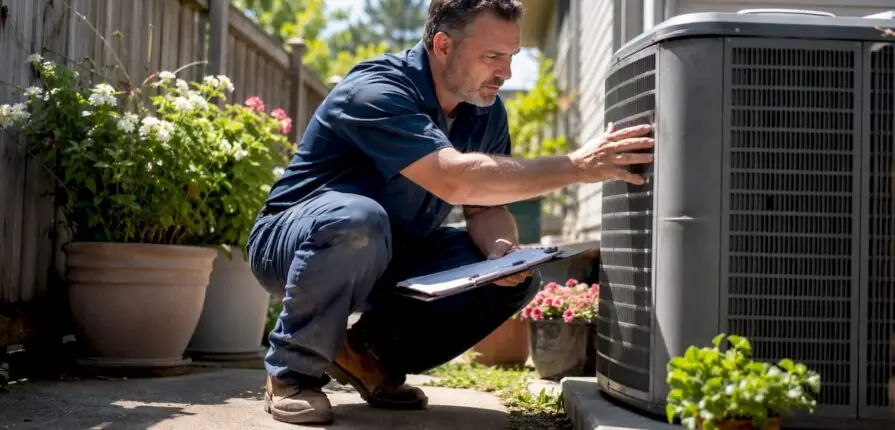
TL;DR:
- An AC unit typically lasts 15 to 20 years, with installation and maintenance quality affecting its lifespan. Regular tune-ups, proper sizing, and climate considerations are essential for maximizing system longevity and avoiding early replacements. Signs of aging include frequent repairs, rising energy bills, uneven cooling, and refrigerant issues.
The life of an AC unit is defined as the total years a system delivers reliable cooling before repair costs or efficiency loss make replacement the better choice. The industry standard range is 15–20 years, with a median of 15.3 years for residential central air conditioners. Two factors drive that number more than any other: installation quality and maintenance consistency. A poorly sized unit or a skipped tune-up does more damage than age alone. Understanding where your system stands on that timeline is the first step toward protecting your comfort and your budget.
What factors determine the life expectancy of an AC unit?
AC brand rarely determines how long a system lasts. Installation quality and maintenance are far more critical than the name on the cabinet. That finding surprises most homeowners, who assume a premium brand automatically means a longer life.
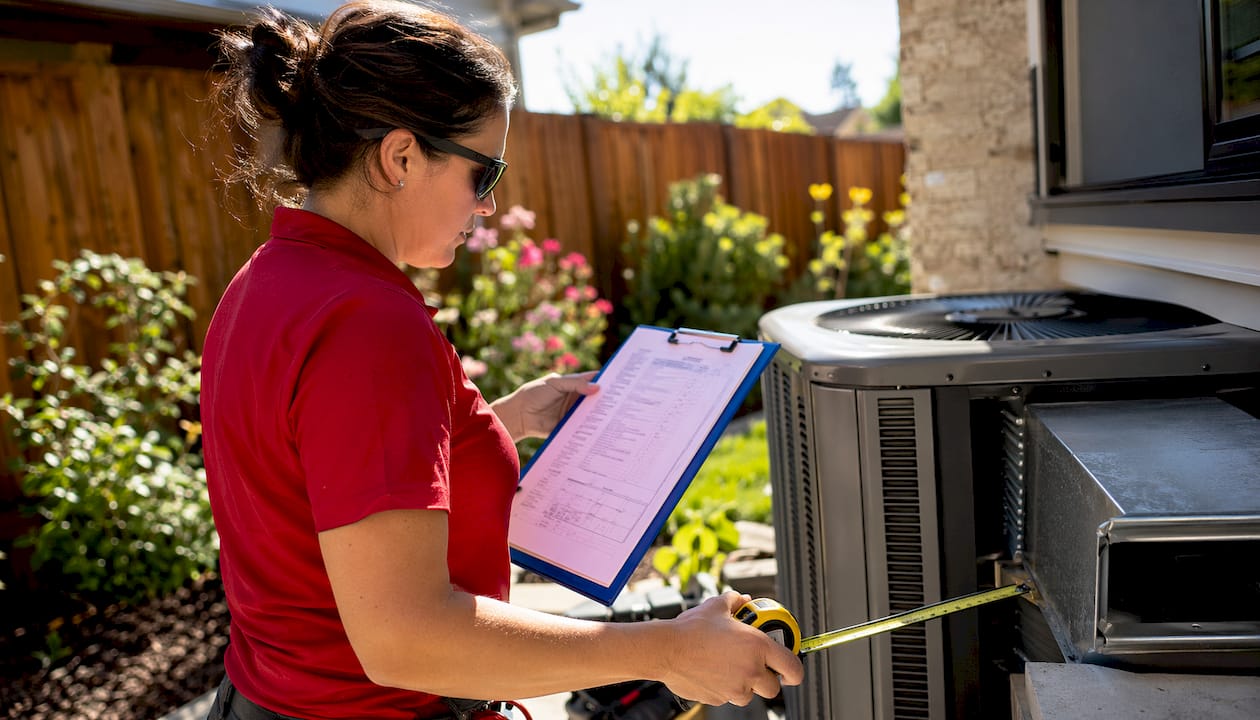
System sizing is the single most critical factor. An oversized unit short-cycles, meaning it turns on and off too frequently, which hammers the compressor and shortens its life. An undersized unit runs constantly, causing moisture buildup that corrodes coils and damages ductwork. Neither scenario ends well.
Climate and geography add another layer. ACs in cooler, drier regions can last up to 10 years longer than units in hot, humid coastal areas where salt air accelerates corrosion and heavy use never lets the system rest. Central Florida homeowners, for example, run their systems far more hours per year than homeowners in the Midwest.
The main variables that affect AC lifespan include:
- Maintenance frequency: Annual tune-ups preserve efficiency and catch small problems before they become expensive ones.
- Installation quality: Correct sizing and proper refrigerant charge at installation set the foundation for a long service life.
- Climate and usage intensity: High humidity, salt air, and year-round operation all accelerate wear on mechanical components.
- Refrigerant type: Older R-22 systems face parts scarcity, making repairs costly and pushing replacement timelines earlier.
- Electrical component condition: Aging wiring and capacitors increase resistance, draw higher amperage, and stress the compressor over time.
Pro Tip: Ask your installer to provide a Manual J load calculation before any new system goes in. This calculation confirms the correct unit size for your home’s square footage, insulation, and window layout. Skipping it is the most common and most costly installation mistake.
How regular maintenance extends the life of your air conditioner
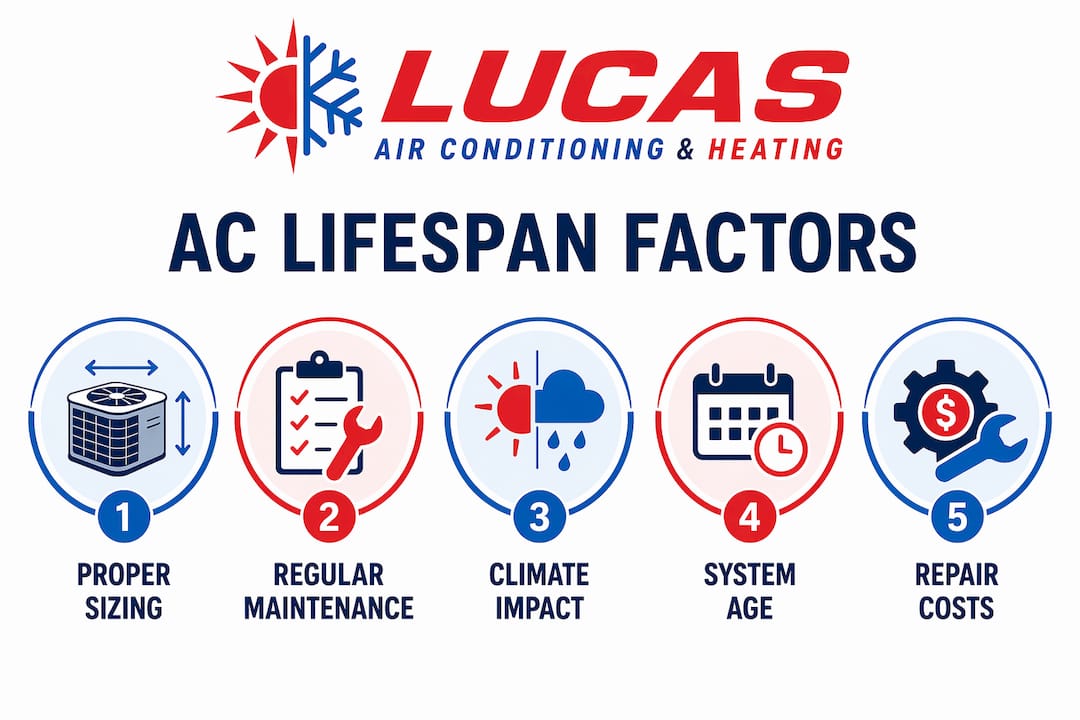
Skipping annual maintenance for three consecutive years doubles the risk of premature compressor failure. The compressor is the most expensive component in the system, often costing more to replace than the unit is worth. Regular service is not optional if you want to reach the 15-to-20-year mark.
A standard annual tune-up covers the following tasks:
- Replace or clean the air filter to maintain airflow and prevent the blower motor from overworking.
- Clean the evaporator and condenser coils to restore heat transfer efficiency and prevent ice buildup.
- Check and recharge refrigerant to the manufacturer’s specified level, since low refrigerant forces the compressor to work harder.
- Inspect electrical connections and measure amperage to catch failing capacitors or contactors before they cause a breakdown.
- Clear the condensate drain line to prevent water damage and mold growth inside the air handler.
- Lubricate moving parts including fan motors and bearings to reduce friction and heat.
Regular tune-ups reduce energy consumption by 15–30% compared to a neglected system. That reduction shows up directly on your monthly utility bill.
Professional maintenance plans typically cost $175–$350 per year. Many manufacturers require documented annual service to keep the warranty valid, so skipping it can void your coverage at exactly the moment you need it most. The benefits of regular AC service extend well beyond energy savings, covering warranty protection, improved indoor air quality, and fewer emergency repair calls.
For older systems or units in demanding climates, bi-annual professional inspections in spring and fall are the recommended standard. Catching a low refrigerant charge or a clogged drain in april costs far less than a flooded air handler in july.
Pro Tip: Schedule your spring tune-up before Memorial Day. HVAC technicians book up fast once summer heat arrives, and a system that hasn’t been serviced is far more likely to fail on the hottest day of the year.
What are the signs your AC is nearing the end of its life?
Age alone does not tell the whole story, but it sets the context. A central AC unit reaches its replacement benchmark around 15 years. A heat pump hits that point closer to 12 years. A furnace can run to 18 years. Knowing your system type matters when you start seeing warning signs.
The clearest signs that replacement is worth considering include:
- Increasing repair frequency: One repair per year is normal. Two or more in a single season signals a system in decline.
- Rising energy bills without a usage change: Systems lose 5–10% efficiency every few years without professional calibration. That loss is often mistaken for an aging unit when a tune-up would actually fix it.
- Uneven cooling or humidity problems: Rooms that never reach the set temperature point to a system that can no longer keep up with the load.
- Frequent short-cycling: The unit turns on and off repeatedly without completing a full cooling cycle.
- Refrigerant type: Systems still running on R-22 refrigerant face steep repair costs due to the phase-out of that refrigerant.
A practical rule for the repair-versus-replace decision: multiply the repair cost by the system’s age. If the result exceeds $5,000, replacement is the financially sound choice. That threshold accounts for the diminishing return of investing in an aging system.
SEER ratings also factor into the decision. Modern systems carry SEER2 ratings that deliver significantly better efficiency than units installed before 2010. Replacing a 10-SEER unit with a 16-SEER or higher system cuts cooling costs noticeably, often paying back a portion of the installation cost within a few years.
| Warning sign | What it means |
|---|---|
| System age over 15 years | Approaching or past median service life |
| Repair cost x age over $5,000 | Replacement is more cost-effective than repair |
| 5–10% annual efficiency drop | Likely a calibration issue, but chronic if unaddressed |
| R-22 refrigerant system | Parts are scarce and expensive; plan for replacement |
| Uneven cooling or humidity issues | System capacity no longer matches home load |
Tips and troubleshooting strategies to care for your AC
Proper home care between professional visits extends the service life of your system and prevents the most common avoidable failures. Most of these tasks take under 30 minutes and require no special tools.
- Change your filter every 30–90 days. A clogged filter restricts airflow, forces the blower motor to work harder, and causes the evaporator coil to freeze. The exact interval depends on whether you have pets, allergies, or a dusty environment.
- Keep the outdoor unit clear. Trim shrubs and remove debris from within two feet of the condenser. Blocked airflow around the outdoor unit forces the compressor to run hotter and longer.
- Straighten bent condenser fins. A fin comb, available at most hardware stores, restores airflow through the condenser coil and costs under $10.
- Check the condensate drain monthly in summer. Pour a cup of diluted bleach down the drain line to prevent algae buildup and clogs that cause water damage.
- Use a programmable or smart thermostat. Setting the temperature back by 7–10 degrees while you are away reduces runtime and wear without sacrificing comfort when you return.
The 3-minute rule is one of the most overlooked AC troubleshooting tips. After a power outage or a manual shutdown, wait at least three minutes before restarting the system. This pause allows refrigerant pressure to equalize. Restarting too quickly forces the compressor to start against high pressure, which can cause immediate damage or shorten its life significantly.
Pro Tip: If your AC runs but the house won’t cool below 78°F on a hot day, check the outdoor unit first. A dirty condenser coil or blocked airflow is the cause in a large share of “my AC isn’t working” calls. Clean it before calling for service.
For issues beyond basic care, a step-by-step repair guide helps homeowners identify whether a problem is a simple fix or a job for a licensed technician. Knowing the difference saves both time and money.
Key Takeaways
A well-maintained, correctly sized central AC lasts 15–20 years, and maintenance quality matters more than brand name in determining where your system lands in that range.
| Point | Details |
|---|---|
| Median AC lifespan | Central air conditioners last a median of 15.3 years with proper care. |
| Maintenance impact | Annual tune-ups reduce energy use by 15–30% and cut compressor failure risk. |
| Sizing is critical | Oversized or undersized systems fail earlier due to short-cycling and moisture damage. |
| Repair-vs-replace rule | If repair cost multiplied by system age exceeds $5,000, replacement wins financially. |
| Climate effect | Hot, humid climates can shorten AC life by up to 10 years compared to cooler regions. |
What I’ve learned about AC lifespan after years of watching systems fail early
The most common mistake I see homeowners make is treating the AC like a smoke detector: they ignore it until something goes wrong. By the time a system is throwing error codes or leaking water, the damage is already compounding. The repair bill is always higher than the maintenance plan would have cost.
The second mistake is assuming efficiency loss means the system is dying. Efficiency loss is gradual and often mistaken for an aging unit issue when a professional calibration would restore most of the lost performance. I’ve seen homeowners replace a 12-year-old system that had another six good years left in it, simply because nobody told them a tune-up could fix the problem.
My honest recommendation: plan your replacement before you need it. If your system is approaching 13 or 14 years old, start budgeting and getting quotes. You will make a better decision with time on your side than you will in july when the system dies and you need a new one installed by Friday. Smart monitoring tools and connected thermostats now make it easier to track runtime hours and spot efficiency drops early, giving you that planning window. Proactive homeowners consistently get more years and more value from their systems than reactive ones do.
— Results
Lucasair keeps your AC running longer in Central Florida
Central Florida’s heat and humidity put more stress on AC systems than almost any other climate in the country. Lucas Air provides professional maintenance plans, repairs, and full system installations for homeowners and renters across the Eustis area and surrounding communities.
Whether your system needs a tune-up to recover lost efficiency or you are ready to plan a full residential AC installation, Lucasair’s team handles the job with the attention to detail that makes the difference between a system that lasts 12 years and one that reaches 20. You can also explore professional repair services for systems showing early warning signs. Veteran-owned and locally focused, Lucasair is built around the kind of service that keeps your home comfortable year-round without surprises.
FAQ
How long does a central AC unit typically last?
A residential central air conditioner has a median service life of 15.3 years, with a typical range of 15–20 years depending on climate and maintenance quality.
What shortens the life of an AC the most?
Skipping annual maintenance and incorrect system sizing are the two leading causes of early AC failure. Oversized units short-cycle and damage the compressor, while neglected systems lose efficiency and develop preventable mechanical failures.
How do I know when to replace instead of repair my AC?
Multiply the repair cost by the system’s age. If the result exceeds $5,000, replacement is the more cost-effective choice. Systems over 15 years old running on R-22 refrigerant are strong candidates for replacement regardless of that calculation.
Does climate affect how long my AC lasts?
Yes, significantly. ACs in hot, humid climates with salt air can last up to 10 years less than identical units in cooler, drier regions due to accelerated corrosion and higher annual runtime.
How often should I service my AC?
Most systems need one professional inspection per year, scheduled in spring before peak cooling season. Older systems or those in demanding climates benefit from bi-annual inspections in both spring and fall.
Recommended
- How Long Does an Air Conditioner Last? – Lucas Air Conditioning and Heating
- HVAC Lifespan Factors – What Florida Homeowners Need – Lucas Air Conditioning and Heating
- Common AC Repair Issues Every Homeowner Should Know – Lucas Air Conditioning and Heating
- Step-by-Step AC Maintenance: Keep Your Florida Home Cool – Lucas Air Conditioning and Heating