
TL;DR:
- Central Florida HVAC systems require biannual professional maintenance due to year-round heat and humidity.
- Homeowners should follow a specific seasonal schedule of filter changes, drain flushing, and system inspections.
- Proper contractor vetting and regular maintenance help protect warranties, improve efficiency, and prevent costly repairs.
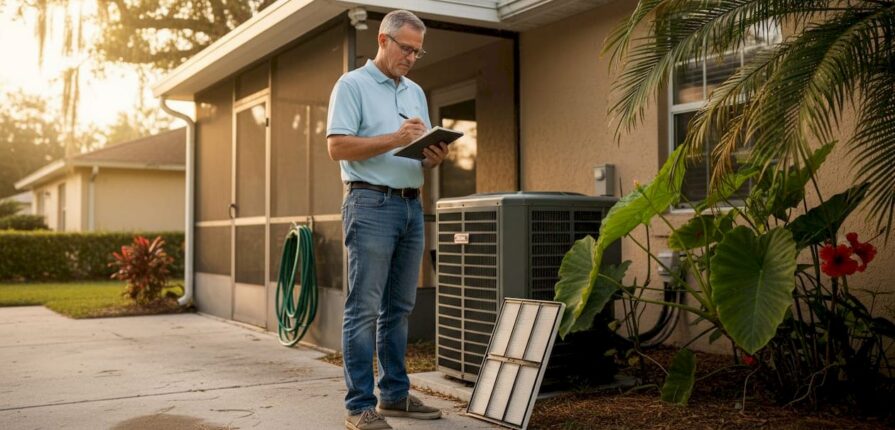
Central Florida’s heat and humidity do not give your HVAC system a break. Unlike most of the country, your unit runs hard for ten or eleven months a year, and that relentless workload creates a specific maintenance rhythm that national advice simply does not account for. Many homeowners in the region only call for service when the air stops blowing cold, and by then, the repair bill is steep and the wait time is long. This guide walks you through exactly when to schedule, what to prepare, how to vet a contractor, and what to expect once the technician arrives, so you never get caught off guard.
Table of Contents
- Know when to schedule HVAC service in Central Florida
- What to prepare before booking your HVAC service
- How to choose the right HVAC service provider
- What happens during and after your scheduled HVAC appointment
- A Florida HVAC expert’s take: Why timing and diligence really pay off
- Schedule your next HVAC service with local expertise
- Frequently asked questions
Key Takeaways
| Point | Details |
|---|---|
| Twice-yearly service required | Florida’s climate demands spring and fall professional HVAC maintenance, unlike national annual advice. |
| Verify contractor credentials | Always check for Florida state licenses and insurance before hiring any HVAC technician. |
| Prepare before scheduling | Gather system details and maintenance records to streamline service and save time. |
| Owner maintenance is vital | Regular filter changes and drain flushing by the homeowner prevent breakdowns and high repair costs. |
| Plan for local risks | Humidity, hurricanes, and salt corrosion mean extra service and inspection are sometimes needed in Central Florida. |
Know when to schedule HVAC service in Central Florida
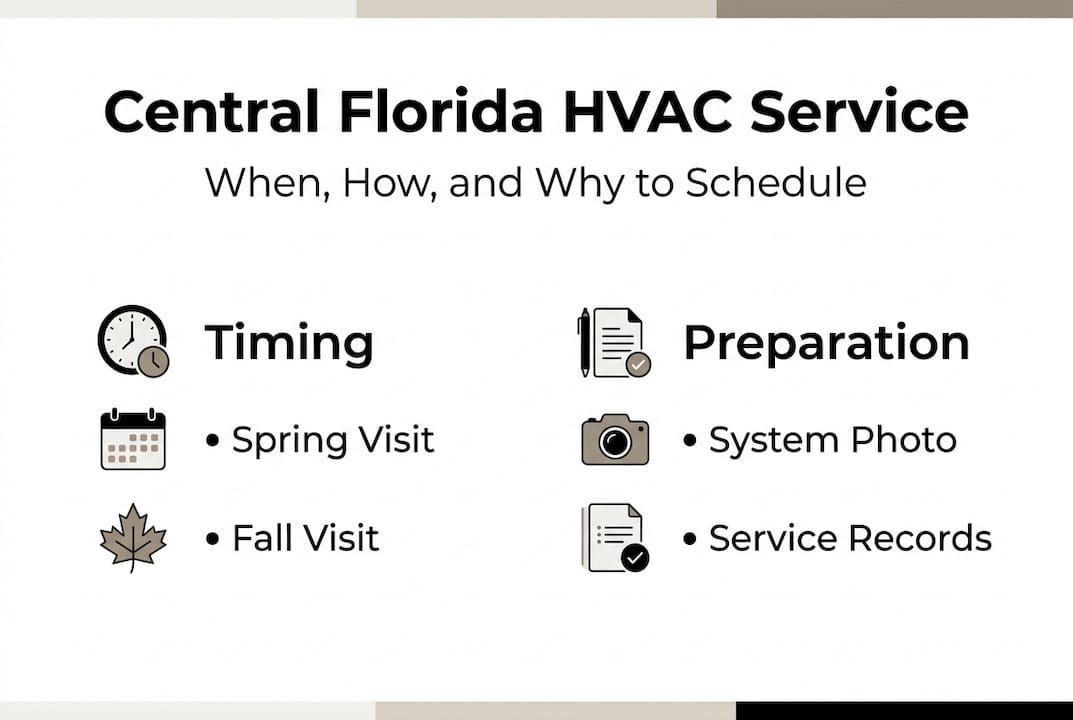
Florida’s climate is genuinely different from the rest of the country, and your maintenance calendar should reflect that. The semi-annual professional maintenance standard for Florida calls for spring service in March or April before the brutal summer cooling season and fall service in October or November before the mild but real winter heating period. Most national guides suggest once a year. That is not enough here.
Florida’s hot-humid climate doubles wear on components, which is why biannual professional service is the minimum needed to preserve both your warranty and your energy efficiency. Between those appointments, you have your own regular tasks to stay on top of.
Homeowner maintenance schedule:
- Monthly: Replace or clean air filters (Florida’s humidity clogs them faster than you expect)
- Quarterly: Flush the condensate drain line with diluted bleach to prevent blockages
- Seasonally: Check and clean around the outdoor condenser unit
- Annually: Schedule a seasonal tune-up with a licensed technician
If you live near the coast or in a hurricane-prone area, those intervals tighten further. Salt air accelerates corrosion on coils and electrical connections, so your spring and fall visits may need to include extra cleaning steps.
| Task | Who does it | Frequency |
|---|---|---|
| Filter replacement | Homeowner | Monthly |
| Drain line flush | Homeowner | Every 3 months |
| Coil cleaning | Technician | Twice a year |
| Refrigerant check | Technician | Twice a year |
| Full system tune-up | Technician | Spring and fall |
Pro Tip: Mark your spring and fall service dates on your calendar the same day you book them. Treating them like a non-negotiable appointment, the same way you treat a dentist visit, is the simplest way to stay consistent year after year. Homeowners who skip service lose energy efficiency over time and risk voiding manufacturer warranties, which can turn a manageable repair into a full out-of-pocket replacement.
For communities like The Villages, where HOA rules and lot sizes vary, understanding HVAC timing for The Villages can also help you align service visits with property requirements.
What to prepare before booking your HVAC service
Knowing when to book is only half the battle. Before you pick up the phone or fill out a scheduling form, organize the information that will make your appointment run smoothly and save you time.
Information to gather before you call:
- System brand, model, and serial number (usually on the outdoor unit)
- Age of the system
- Date of last professional service
- Any current symptoms: unusual sounds, warm spots, higher energy bills
- Whether you own or rent the property
That last point matters. Renters sometimes assume the landlord handles all service scheduling. In practice, communication gaps between tenants and property managers lead to skipped maintenance and voided warranties.
On the contractor side, Florida has clear legal requirements you need to confirm before anyone touches your system. Florida Class A or Class B contractor licensing through the DBPR, combined with EPA 608 certification for refrigerant handling, are non-negotiable. Installations and system replacements also typically require permits, so ask your contractor upfront.
| Task | Homeowner can do it | Requires licensed pro |
|---|---|---|
| Filter replacement | Yes | No |
| Thermostat adjustment | Yes | No |
| Drain line flush | Yes | No |
| Refrigerant recharge | No | Yes (EPA 608) |
| Electrical repairs | No | Yes (licensed) |
| System installation | No | Yes (licensed + permit) |
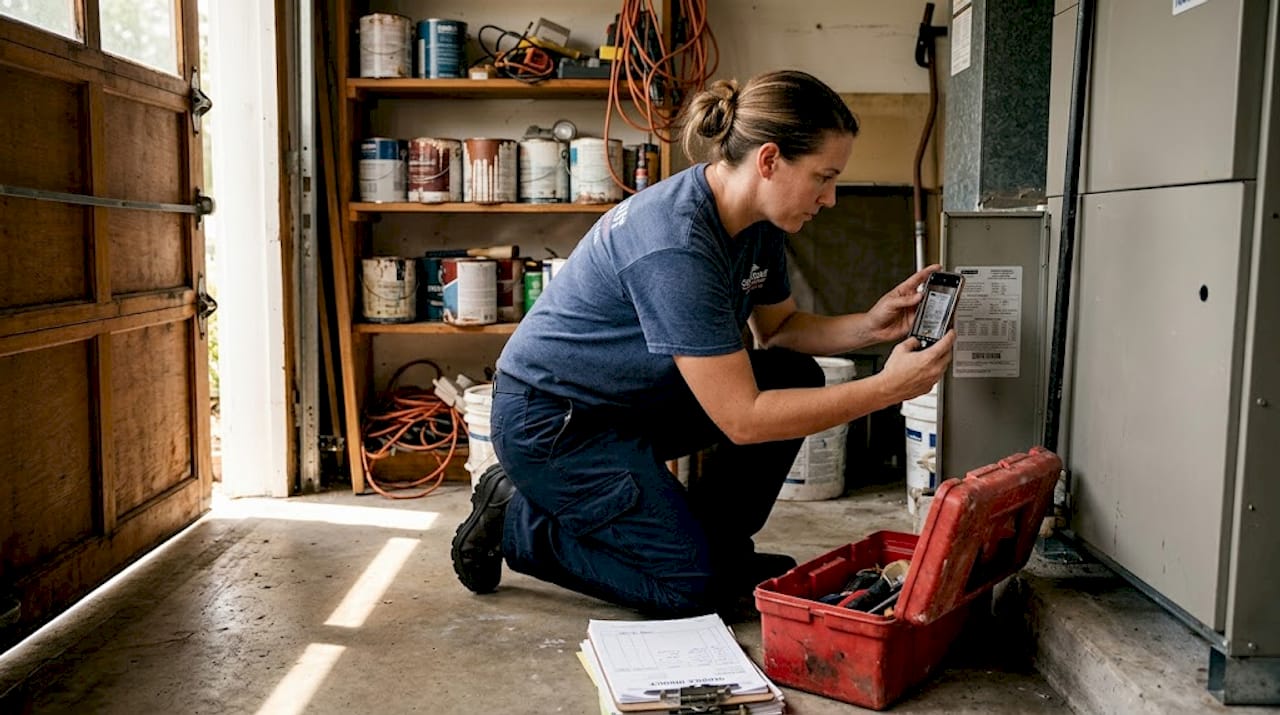
Pro Tip: Before your appointment, take a photo of your system’s data plate. The model and serial number help technicians arrive with the right parts, which reduces back-and-forth trips and gets your system running faster.
You can also reference verifying HVAC licenses and conduct service provider checks through the Florida DBPR website before you commit to a contractor.
How to choose the right HVAC service provider
You have gathered your system info. Now, make sure the team you hire will actually protect your investment rather than create new problems.
Vetting a contractor in Florida takes a few specific steps:
- Confirm licensing. Look up the contractor on the DBPR database. Valid Florida Class A or Class B certification and EPA 608 for refrigerant are required by law for most HVAC work.
- Ask for proof of insurance. General liability and workers’ comp protect you if something goes wrong on your property.
- Check manufacturer certifications. Contractors certified by brands like Carrier, Trane, or Lennox have completed additional training that benefits warranty claims.
- Read recent reviews. Look for patterns over time, not just the most recent five-star rating. Consistent praise for communication and follow-through matters more than a single glowing review.
- Ask about post-hurricane experience. Florida contractors who have worked through storm seasons understand the specific inspection checklist needed after major weather events.
- Get written estimates. Any contractor unwilling to provide a written scope of work and price is a red flag.
“An unusually low quote usually means something is being left out. Ask what’s included in writing before you agree to anything.”
A good contractor will walk you through their findings, explain your options, and never pressure you into same-day decisions on large purchases. Review a full maintenance checklist so you know exactly what a quality service visit should cover, and use it as a reference when comparing providers.
Pro Tip: Ask contractors how long they have been servicing your specific zip code. Local experience with Central Florida’s microclimates, soil conditions, and common duct problems is worth more than a national franchise name.
What happens during and after your scheduled HVAC appointment
Once you have scheduled, set realistic expectations for what the visit covers and what your responsibilities are afterward.
A standard professional maintenance appointment includes:
- Inspect and clean evaporator and condenser coils
- Check refrigerant levels and inspect for leaks
- Clear and treat the condensate drain line
- Test electrical connections, capacitors, and contactors
- Inspect blower motor and fan blades
- Check thermostat calibration
- Look for signs of mold or microbial growth in the air handler
After the technician leaves, your job is to maintain what they serviced. Monthly filter swaps and a quarterly bleach flush of the drain line are the two most impactful things you can do between professional visits. Review your maintenance tasks explained to build a simple home checklist.
| Potential issue | What it means | Action needed |
|---|---|---|
| Low refrigerant | Possible leak in the system | Professional repair required |
| Mold in air handler | High humidity, poor drainage | Immediate cleaning and drain fix |
| Corroded coils | Salt air exposure (coastal homes) | Coil cleaning or replacement |
| Tripped breaker | Electrical fault or overload | Electrician or HVAC tech |
| Warm air output | Refrigerant or compressor issue | Professional diagnosis |
Florida introduces specific edge cases that homeowners in other states rarely face. Post-hurricane inspections are essential after major storms because debris, flooding, and pressure changes can damage components that look fine from the outside. Coastal homes face accelerated salt corrosion that demands more frequent coil cleaning. And if your system is older than 15 years, each service visit should include an honest conversation about whether repair or replacement makes more financial sense.
If you need a HVAC inspection after storms, do not wait for obvious failure. Hidden moisture damage or bent fins reduce efficiency quietly before they cause a full breakdown. Knowing when to upgrade can save you from investing repair dollars into a system that is already past its practical lifespan.
“A system that is struggling is costing you money every day it runs. An honest inspection tells you whether it makes more sense to fix or replace.”
A Florida HVAC expert’s take: Why timing and diligence really pay off
Here is something we see constantly: the properties with the most neglected HVAC systems are not always the oldest homes. They are new-owner purchases and rental properties where someone assumed the previous occupant handled things. They did not. Nobody did. And the first summer in that house is a rude awakening.
The national advice of servicing your system once a year exists because it works reasonably well in moderate climates. In Central Florida, that advice leaves real money on the table. A system that runs nearly year-round ages faster, loses efficiency faster, and fails faster without the biannual attention it actually needs.
We have also seen homeowners lose manufacturer warranties simply because they could not produce service records when they filed a claim. Keeping a log of every visit, every filter change, and every repair is not bureaucratic busywork. It is financial protection.
Building a steady relationship with a local contractor who knows your specific system, your home’s duct layout, and your service history pays dividends that a one-time discount from an unknown company never will. For practical, expert tips for Florida homes, consistent local knowledge is the real competitive advantage.
Schedule your next HVAC service with local expertise
You now have a clear picture of what proper HVAC care looks like in Central Florida: twice-yearly professional visits, steady owner maintenance between appointments, a vetted contractor who knows Florida’s climate, and a realistic expectation of what every service call should accomplish.
At Lucas Air Conditioning and Heating, we serve homeowners across Central Florida with the kind of honest, thorough service that protects your comfort and your investment. Whether you need help from The Villages HVAC pros, want to understand your options for residential HVAC repair, or are ready to enroll in one of our preventative maintenance programs for ongoing peace of mind, we make it simple to get started. Contact us to book your next appointment and put your HVAC schedule on autopilot.
Frequently asked questions
How often should I schedule HVAC service in Central Florida?
Schedule professional service twice a year, in spring and fall, plus monthly homeowner tasks like filter changes for best results in Central Florida’s demanding climate.
What information should I have before booking HVAC service?
Have your system’s age, brand, model number, last service date, and any recent issues ready so technicians can prepare properly and save time during the visit.
Do I really need a licensed HVAC contractor?
Florida law requires licensed contractors for refrigerant handling, electrical work, and system installation to ensure your safety and compliance with local building codes.
What special maintenance is needed after hurricanes or storms?
Schedule an HVAC inspection after major storms to check for structural damage, moisture intrusion, and salt corrosion, especially if your home is near the coast.
