
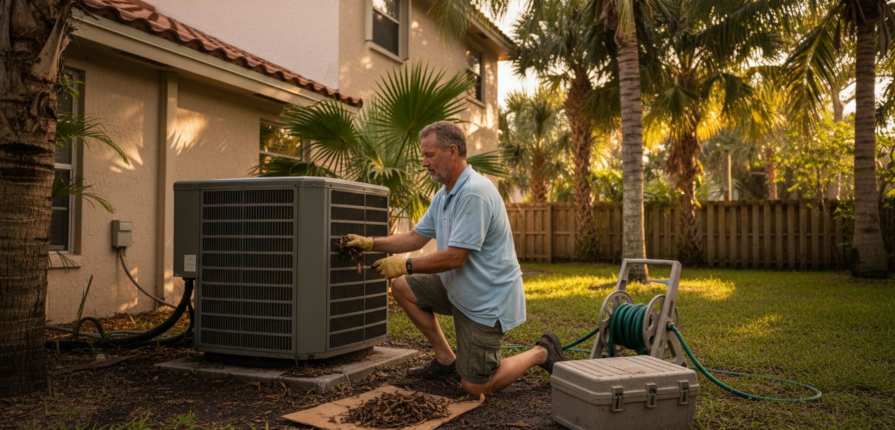
Facing the relentless heat and humidity of Central Florida, every homeowner knows the importance of a reliable HVAC system. Protecting your investment starts with understanding the facts behind HVAC lifespan and avoiding common misconceptions. By focusing on proactive maintenance strategies and choosing the right system for Florida’s climate, you can ensure years of comfort while saving on energy costs and unexpected repairs.
Table of Contents
- HVAC System Lifespan Basics and Misconceptions
- Types of HVAC Systems and Longevity in Florida
- Climate, Usage, and Environmental Impacts
- Maintenance and Installation Quality Effects
- Common Mistakes That Shorten System Life
- Signs It’s Time to Repair or Replace
Key Takeaways
| Point | Details |
|---|---|
| HVAC Lifespan Awareness | Most residential HVAC systems last between 10-15 years, with various factors influencing longevity. Regular maintenance can extend the lifespan by several years. |
| Environmental Impact | Florida’s climate, characterized by high humidity and heat, accelerates HVAC wear; proper system selection is crucial. |
| Maintenance Importance | Consistent professional inspections and maintenance can significantly increase system efficiency and longevity. |
| Signs of Replacement | Homeowners should monitor energy bills, inconsistent temperatures, and unusual noises to gauge HVAC performance and potential need for replacement. |
HVAC System Lifespan Basics and Misconceptions
Understanding the realistic lifespan of HVAC systems is crucial for Florida homeowners. Contrary to popular belief, these complex systems don’t last forever and require strategic maintenance to maximize their operational years. HVAC life expectancy standards reveal that multiple factors influence how long your heating and cooling equipment will effectively serve your home.
Most residential HVAC systems have an average operational lifespan between 10-15 years, though this can vary dramatically based on several critical factors:
- Maintenance Frequency: Regular professional inspections and tune-ups can extend system life by 3-5 years
- Environmental Conditions: Florida’s humid climate can accelerate system wear
- Installation Quality: Professional installation significantly impacts long-term performance
- Usage Patterns: High-demand households experience faster equipment degradation
Common misconceptions about HVAC systems can lead homeowners to neglect critical maintenance. Many people assume their system will continue functioning indefinitely without intervention. However, HVAC life expectancy research demonstrates that proactive care is essential for preserving system integrity and efficiency.
Modern HVAC systems represent sophisticated technology with multiple components that age at different rates. Compressors, heat exchangers, electrical systems, and mechanical parts all have unique wear characteristics. Understanding these nuanced degradation patterns helps homeowners make informed decisions about repairs, maintenance, and potential replacements.
Pro tip: Schedule professional HVAC inspections twice annually to catch potential issues before they become expensive repairs.
Types of HVAC Systems and Longevity in Florida
Florida’s unique climate demands specialized HVAC systems that can withstand extreme heat and high humidity. HVAC system configurations play a crucial role in determining overall system performance and longevity in this challenging environmental context. Understanding the different types of systems helps homeowners make informed decisions about their cooling infrastructure.
The primary HVAC system types found in Florida homes include:
- Direct-Expansion Systems: Most common residential setup
- Chilled-Water Systems: Typically used in larger commercial buildings
- Heat Pump Systems: Excellent for both heating and cooling
- Ductless Mini-Split Systems: Ideal for targeted cooling in specific areas
Each system type offers unique advantages and challenges specific to Florida’s demanding climate. Air conditioning efficiency ratings demonstrate that proper system selection can significantly impact energy consumption and long-term operational costs. Heat pumps, for instance, are particularly well-suited to Florida’s temperature ranges, providing efficient cooling and limited heating capabilities.
The longevity of HVAC systems in Florida is dramatically influenced by environmental stressors. High humidity, frequent thunderstorms, and intense solar radiation can accelerate equipment wear. Professional installation, regular maintenance, and selecting systems designed for subtropical conditions are critical strategies for maximizing system lifespan and performance.
Here’s a comparison of primary HVAC system types used in Florida and their unique suitability to the state’s climate:
| System Type | Climate Suitability | Typical Lifespan | Key Installation Consideration |
|---|---|---|---|
| Direct-Expansion | Good for most homes | 10-15 years | Needs regular filter changes |
| Chilled-Water | Handles large buildings | 15-20 years | Requires advanced mechanics |
| Heat Pump | Efficient in mild winters | 12-15 years | Should be sized for cooling |
| Ductless Mini-Split | Ideal for room zoning | 10-12 years | Proper wall positioning |
Pro tip: Consult with local HVAC professionals who understand Florida’s specific environmental challenges when selecting a new system.
Climate, Usage, and Environmental Impacts
Florida’s climate challenges create a uniquely demanding environment for HVAC systems, pushing equipment far beyond standard operational expectations. The combination of intense heat, extreme humidity, and frequent severe weather events dramatically accelerates system wear and reduces overall equipment longevity. Homeowners must understand these environmental stressors to protect their critical cooling infrastructure.
Key environmental factors impacting HVAC system performance include:
- High Humidity: Causes accelerated corrosion and mechanical stress
- Intense Solar Radiation: Increases equipment temperature and degrades components
- Frequent Thunderstorms: Creates electrical surge risks
- Salt Air Exposure: Particularly in coastal regions, causing rapid metal deterioration
- Temperature Fluctuations: Strains mechanical and electrical systems
Climate change impacts are progressively transforming HVAC system requirements in Florida. Rising temperatures and increased extreme weather events mean systems must work harder and longer, leading to faster degradation. Modern HVAC technologies are increasingly designed with enhanced durability and energy efficiency to counteract these challenging environmental conditions.
Usage patterns further complicate HVAC system longevity. In Florida, air conditioning isn’t just a comfort—it’s a necessity. Most systems operate almost continuously during summer months, which translates to significantly higher wear compared to systems in more temperate climates. This constant demand requires strategic maintenance and potentially more frequent system replacements.
Pro tip: Consider investing in HVAC systems with enhanced corrosion resistance and designed specifically for subtropical environments.
Maintenance and Installation Quality Effects
HVAC installation standards play a critical role in determining system longevity, especially in Florida’s challenging climate. Professional installation goes far beyond simply placing equipment—it involves precise measurements, correct sizing, proper sealing, and strategic positioning to ensure maximum efficiency and minimal wear.
Key factors influencing installation and maintenance quality include:
- Refrigerant Charge Accuracy: Prevents system stress and inefficiency
- Ductwork Sealing: Reduces energy loss and prevents moisture infiltration
- System Sizing: Ensures equipment matches home’s specific cooling requirements
- Component Alignment: Minimizes unnecessary mechanical strain
- Regular Professional Inspections: Catches potential issues before they escalate
Florida Building Code guidelines mandate specific requirements for HVAC installations, recognizing that proper setup is fundamental to system performance. Certified contractors must follow rigorous standards that account for Florida’s unique environmental challenges, including humidity resistance, surge protection, and corrosion prevention.
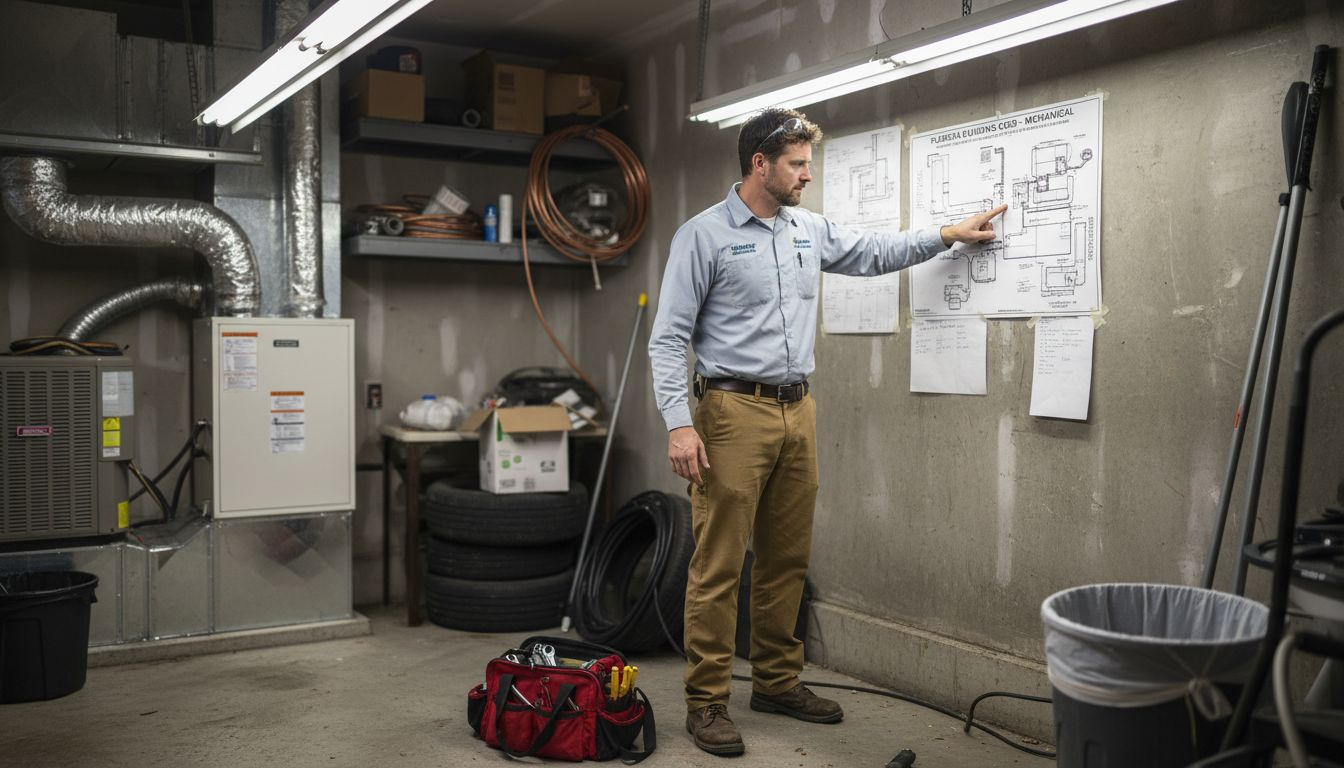
Maintenance isn’t just about occasional tune-ups—it’s a comprehensive strategy for protecting your investment. Homeowners who commit to quarterly professional inspections and annual deep maintenance typically see 30-50% longer system lifespans compared to those with minimal maintenance. This proactive approach involves cleaning components, checking electrical connections, verifying refrigerant levels, and identifying potential wear points before they become costly failures.
Pro tip: Schedule professional HVAC maintenance during spring and fall to prepare for Florida’s most demanding seasons.
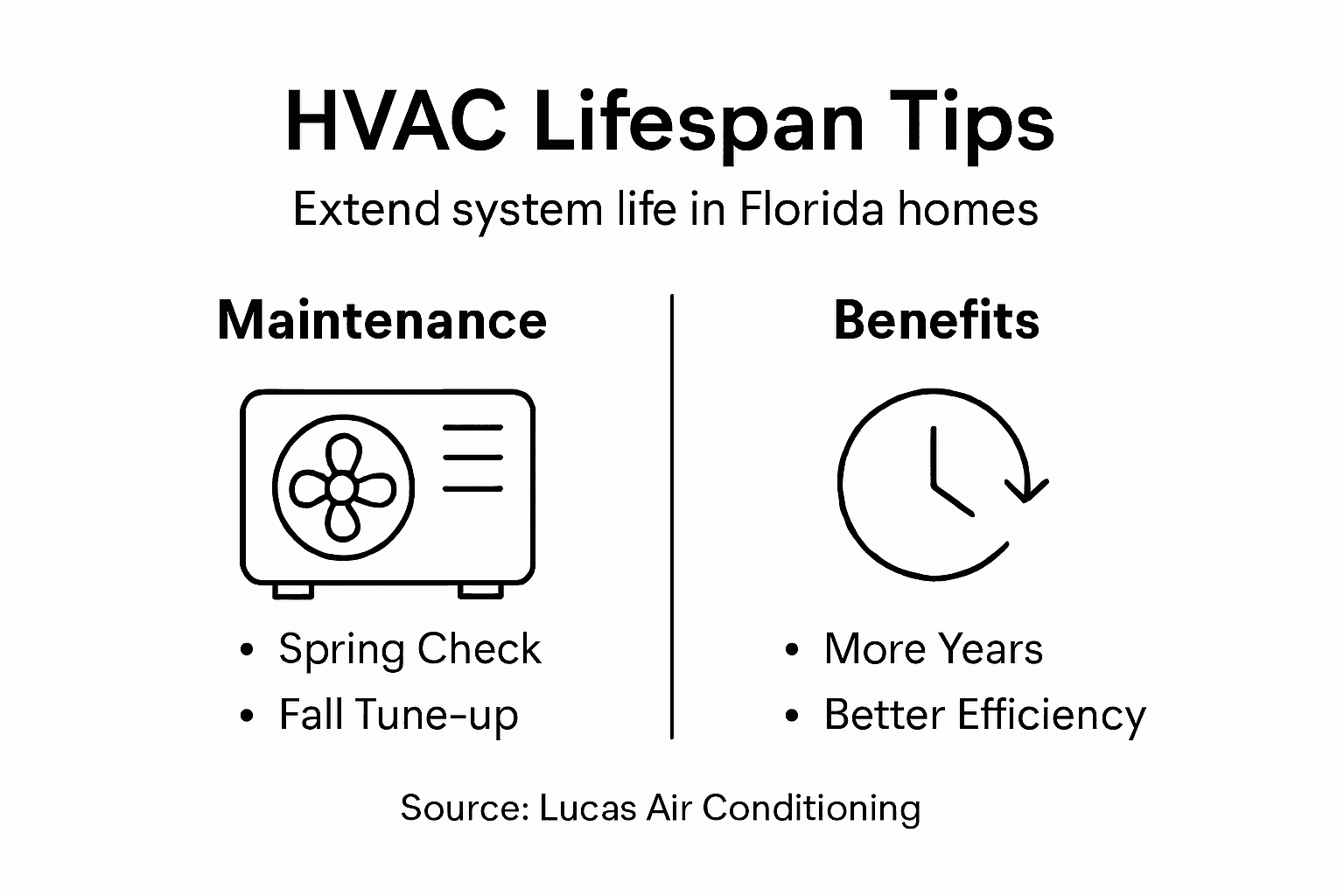
This summary highlights how key maintenance habits affect HVAC system longevity in Florida:
| Maintenance Strategy | Expected Lifespan Increase | Impact on Efficiency |
|---|---|---|
| Annual Professional Service | Adds 2-3 years | Reduces energy waste |
| Quarterly Filter Replacement | Adds 1 year | Boosts airflow |
| Spring/Fall Deep Inspection | Adds 3-5 years | Prevents major repairs |
Common Mistakes That Shorten System Life
Common HVAC system errors can dramatically reduce equipment longevity, especially in Florida’s unforgiving climate. Homeowners often unknowingly compromise their system’s performance through seemingly minor oversights that compound into significant long-term damage. Understanding these critical mistakes is the first step toward protecting your substantial HVAC investment.
The most prevalent mistakes that accelerate system deterioration include:
- Incorrect Filter Replacement: Allowing dirty filters to accumulate dust and restrict airflow
- Neglecting Regular Maintenance: Skipping professional annual inspections
- Improper System Sizing: Installing units too large or small for the space
- Blocking Air Registers: Reducing system efficiency and increasing mechanical stress
- Ignoring Unusual System Sounds: Letting minor issues develop into major failures
Maintenance recommendations emphasize that early intervention prevents catastrophic system breakdowns. Florida’s extreme heat and humidity exponentially magnify the consequences of these common errors. Homeowners who delay addressing minor issues frequently face significantly higher repair or replacement costs compared to those who maintain proactive maintenance strategies.
The financial implications of these mistakes are substantial. A system compromised by poor maintenance can lose up to 40% efficiency, leading to higher energy bills and increased wear. Rapid temperature fluctuations, combined with neglect, create a perfect storm of mechanical stress that can prematurely destroy even high-quality HVAC equipment.
Pro tip: Create a digital maintenance calendar to track filter changes, professional inspections, and system performance milestones.
Signs It’s Time to Repair or Replace
HVAC system warning indicators reveal critical thresholds that Florida homeowners must understand to avoid catastrophic equipment failure. Recognizing these signs early can mean the difference between a simple repair and a costly complete system replacement. The harsh Florida climate amplifies wear and demands vigilant monitoring of your cooling infrastructure.
Key signs indicating potential HVAC system failure include:
- Rising Energy Bills: Unexplained increases in monthly electricity costs
- Inconsistent Temperature Control: Uneven cooling or heating across different rooms
- Frequent Repair Requirements: Multiple service calls within a single year
- Age of System: Equipment over 10-15 years old
- Unusual Noises: Grinding, squealing, or banging sounds during operation
- Reduced Air Quality: Increased dust, humidity, or musty odors
Maintenance performance tracking emphasizes that professional assessment becomes crucial when these symptoms persist. A system struggling in Florida’s extreme climate might require replacement rather than continued repairs. Homeowners should consider total repair costs against potential long-term savings from a new, energy-efficient system.
Financial considerations play a significant role in repair versus replacement decisions. As a general rule, if repair costs approach 50% of a new system’s price, replacement becomes the most economical choice. Modern HVAC systems offer substantially improved energy efficiency, potentially reducing monthly utility expenses by 20-40% compared to older models.
Pro tip: Consult a professional HVAC technician for a comprehensive system evaluation before making final repair or replacement decisions.
Protect Your HVAC Investment with Expert Care from Lucas Air Conditioning and Heating
Florida homeowners face unique challenges maintaining HVAC systems due to intense heat, humidity, and frequent storms. As this article explains, proper maintenance, precise installation, and understanding system wear are essential to extend your equipment’s lifespan and avoid costly repairs. Don’t let common issues like incorrect filter changes or deferred inspections shorten your HVAC’s effectiveness. Take control of your home’s comfort and reliability with professional support designed specifically for Central Florida’s demanding climate.
Act now to maximize your HVAC system’s lifespan by scheduling expert tune-ups and repairs with Lucas Air Conditioning and Heating. Visit our Special Offers for January 2026 page for exclusive deals that make maintenance affordable. Learn more about how we can improve your home’s air quality and system efficiency through our Ventilation Archives. Ready to experience peace of mind and optimal comfort? Contact us today at https://lucasair.com and secure your appointment with a trusted local veteran-owned service provider.
Frequently Asked Questions
How long do HVAC systems typically last in Florida?
Most residential HVAC systems have an average lifespan of 10-15 years, but proper maintenance and installation can extend this period significantly.
What factors affect the lifespan of an HVAC system?
Key factors include maintenance frequency, environmental conditions, installation quality, and usage patterns. Regular professional inspections and proper installation are essential for maximizing lifespan.
How can I extend the life of my HVAC system?
You can extend the life of your HVAC system by scheduling regular professional maintenance, changing filters frequently, avoiding blocking air registers, and addressing any unusual sounds or performance issues promptly.
What are the signs that my HVAC system may need to be replaced?
Signs that indicate a potential need for replacement include rising energy bills, inconsistent temperature control, frequent repair calls, unusual noises, and the system being over 10-15 years old.
