
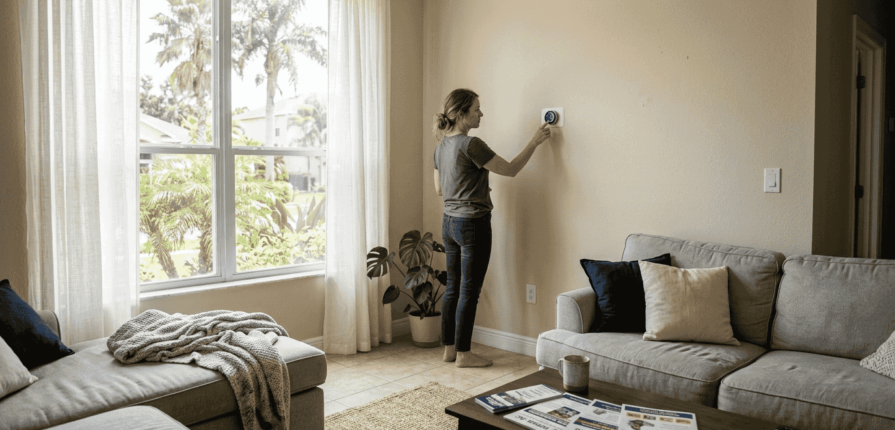
Most Central Florida property owners believe HVAC upgrades only matter when their system breaks down completely. This costly misconception ignores the substantial energy savings and comfort improvements available right now. Modern HVAC technology in 2026 delivers measurable efficiency gains that slash monthly utility bills while creating healthier indoor environments. Whether you manage a small business or own a residential property, understanding upgrade benefits helps you make informed decisions that pay dividends for years.
Table of Contents
- Why HVAC Upgrades Matter In 2026 Central Florida
- Energy Efficiency And Cost Savings From HVAC Upgrades
- Enhancing Comfort And Indoor Air Quality
- Choosing The Right HVAC Upgrade For Your Property
- Explore Premium HVAC Services From Lucas Air Conditioning 2026
- FAQ
Key takeaways
| Point | Details |
|---|---|
| Energy efficiency | Modern HVAC systems reduce energy consumption by 25 to 40 percent compared to older models. |
| Cost savings | Upgraded systems typically lower monthly utility bills by 15 to 30 percent annually. |
| Comfort improvement | Advanced humidity control and air filtration create healthier indoor environments year round. |
| Property value | Energy efficient HVAC systems increase resale appeal and documented home value. |
| Professional installation | Proper sizing and expert setup maximize all upgrade benefits and system longevity. |
Why HVAC upgrades matter in 2026 Central Florida
Central Florida’s relentless heat and humidity create unique demands on cooling systems. Your HVAC works harder here than in most regions, running nearly year round to maintain comfortable indoor temperatures. This constant operation exposes inefficiencies in older equipment that drain your budget silently.
Rising energy costs in 2026 make inefficient systems increasingly expensive to operate. Utility rates continue climbing while older HVAC units consume far more electricity than necessary. The gap between outdated and modern system performance has never been wider. HVAC systems play a critical role in managing Florida’s challenging climate while controlling operational costs.
Older systems typically operate at 10 to 12 SEER ratings, wasting energy with every cooling cycle. Modern equipment reaches 16 to 20 SEER or higher, delivering identical comfort with dramatically less power consumption. This efficiency gap translates directly into monthly savings you can measure on utility statements.
Key factors driving upgrade decisions in 2026 include:
- Extreme weather patterns requiring more reliable climate control
- Environmental regulations favoring energy efficient technologies
- Smart home integration capabilities in newer systems
- Improved refrigerants with better performance characteristics
- Advanced diagnostics preventing costly emergency repairs
Pro Tip: Schedule a professional energy audit before upgrading to identify your property’s specific efficiency opportunities and ensure proper system sizing for maximum savings.
Proper installation matters as much as equipment quality. Undersized systems run constantly without reaching target temperatures. Oversized units cycle too frequently, wasting energy and failing to control humidity effectively. Professional assessment ensures your upgrade delivers promised benefits rather than creating new problems.
Energy efficiency and cost savings from HVAC upgrades
Upgrading to modern HVAC systems reduces energy consumption by up to 40 percent compared to units over 10 years old. This dramatic improvement stems from advances in compressor technology, variable speed motors, and intelligent control systems that optimize performance continuously.
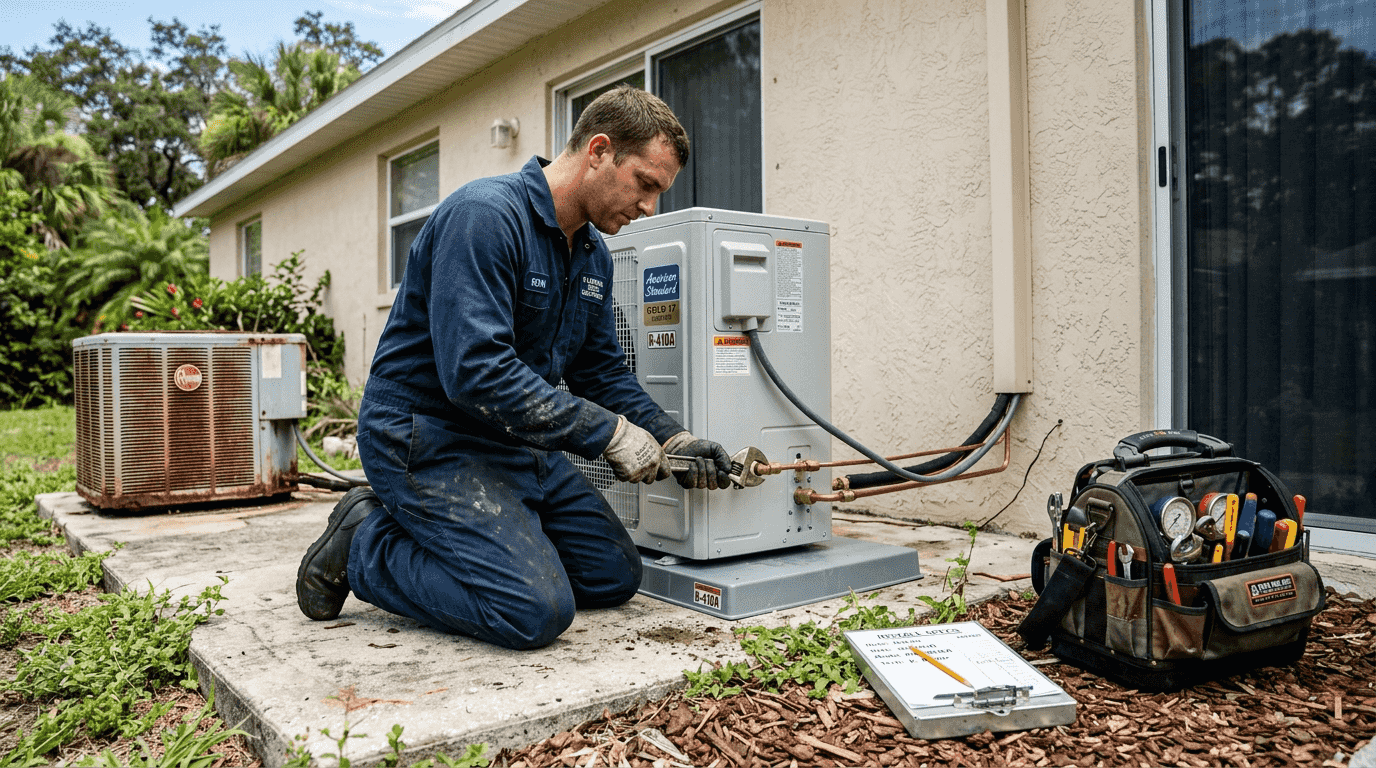
Consider a typical 2,000 square foot Central Florida home running an older 10 SEER system. Monthly cooling costs might reach $250 during peak summer months. Upgrading to an 18 SEER system could reduce that expense to $140 monthly, saving $110 each month or $1,320 annually. Over a 15 year system lifespan, that represents nearly $20,000 in cumulative savings.
Small businesses see even larger impacts due to extended operating hours and larger spaces. A 5,000 square foot commercial space upgrading from 12 SEER to 20 SEER equipment might save $400 monthly during cooling season. These savings improve profit margins while reducing environmental impact.
| System Age | Typical SEER | Monthly Cost | Annual Savings with Upgrade |
|---|---|---|---|
| 15+ years | 10 SEER | $250 | $1,320 |
| 10 to 15 years | 12 SEER | $210 | $960 |
| 5 to 10 years | 14 SEER | $180 | $480 |
| Modern | 18+ SEER | $140 | Baseline |
Maintenance amplifies upgrade benefits significantly. Seasonal tune-ups keep new systems operating at peak efficiency, preventing the gradual performance decline that erodes savings. Clean filters, calibrated thermostats, and proper refrigerant levels maintain the efficiency gap between old and new equipment.
Several factors influence your specific savings potential:
- Current system age and condition baseline
- Property insulation quality and air sealing
- Thermostat settings and usage patterns
- Ductwork condition and proper sealing
- Local utility rate structures and peak pricing
Pro Tip: Track utility bills for three months before and after upgrading to document actual savings, helping justify the investment and identify any installation issues requiring adjustment.
Financial incentives in 2026 make upgrades more affordable than ever. Federal tax credits cover up to 30 percent of qualifying equipment costs. Many utility companies offer additional rebates for high efficiency installations. Manufacturer promotions and financing options spread costs over time, making monthly payments smaller than the energy savings generated.
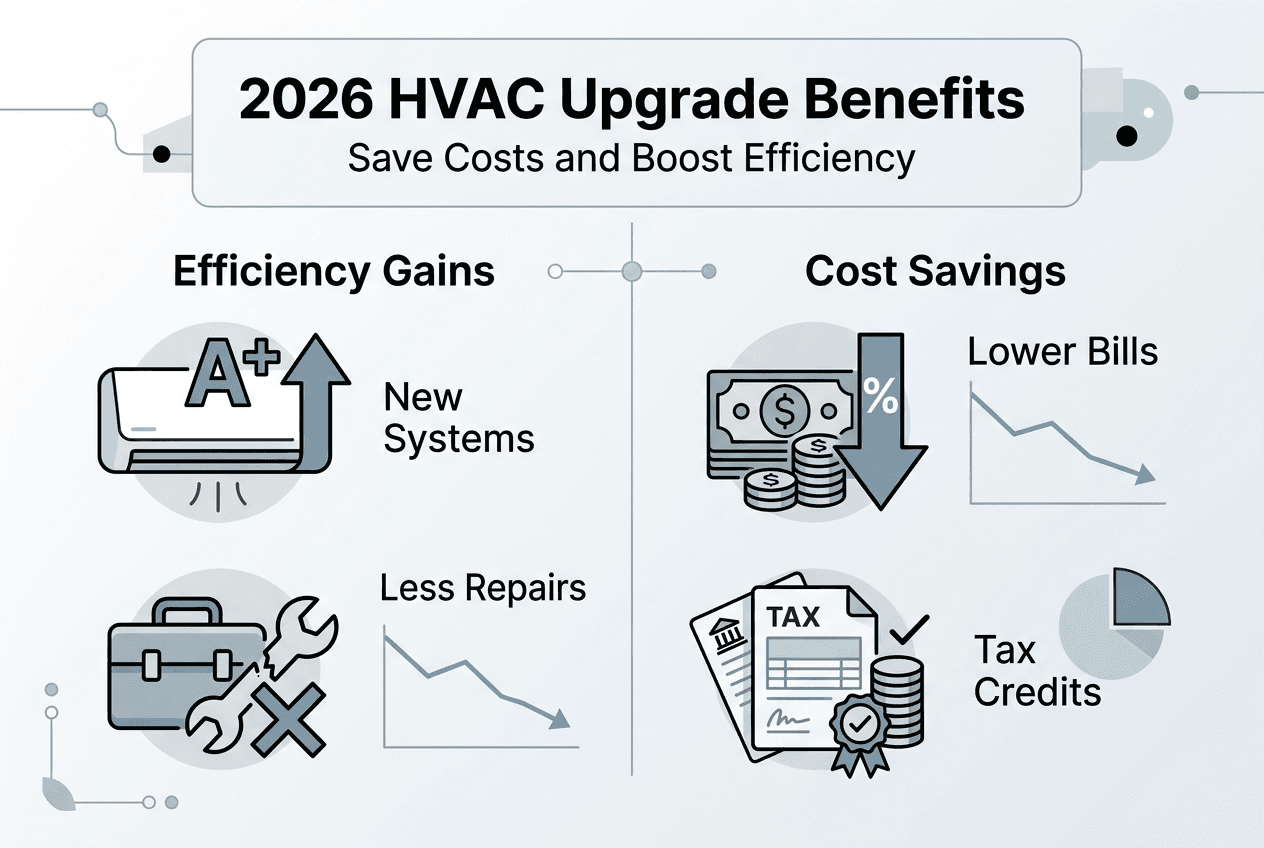
The benefits of upgrading extend beyond simple energy reduction. Newer systems require fewer repairs, avoiding the escalating maintenance costs that plague aging equipment. Warranty coverage provides peace of mind, protecting your investment against unexpected failures.
Enhancing comfort and indoor air quality
Energy savings tell only part of the upgrade story. Modern HVAC systems transform indoor environments in ways older equipment simply cannot match. Upgraded systems improve humidity control, air filtration, and temperature consistency throughout your property.
Florida’s humidity creates persistent comfort challenges. Older systems cool air but struggle to remove excess moisture effectively. This leaves spaces feeling clammy even at lower temperatures. You compensate by setting thermostats colder, wasting energy while never achieving true comfort.
Modern variable speed systems solve this problem elegantly. They run longer at lower speeds, removing humidity continuously while using less energy than old single speed units cycling on and off. Indoor humidity stays between 40 and 50 percent, the ideal range for comfort and preventing mold growth.
Air quality improvements deliver measurable health benefits:
- Advanced filtration captures allergens, dust, and airborne particles
- UV light options neutralize bacteria and viruses
- Better humidity control prevents mold and mildew growth
- Improved ventilation dilutes indoor pollutants
- Sealed ductwork prevents contamination from attics or crawlspaces
Temperature consistency improves dramatically with upgraded equipment. Hot and cold spots disappear as variable speed blowers distribute conditioned air more evenly. Every room maintains comfortable temperatures without the temperature swings common in older systems.
Noise reduction surprises many homeowners. Modern compressors and variable speed motors operate far more quietly than older equipment. You might forget the system is running, enjoying peaceful indoor spaces without the rattling, humming, or cycling sounds from aging units.
Simple daily comfort improvements include:
- Faster recovery when adjusting thermostat settings
- Elimination of stuffy or stale air sensations
- Reduced dust accumulation on furniture and surfaces
- Better sleep quality from consistent overnight temperatures
- Fewer allergy symptoms and respiratory irritation
Commercial spaces benefit from improved customer and employee experiences. Consistent comfort throughout retail or office areas enhances productivity and satisfaction. Customers linger longer in comfortable environments, potentially increasing sales. Employees work more effectively without temperature distractions.
Smart thermostat integration adds another comfort dimension. These devices learn your preferences and adjust automatically. Remote access lets you modify settings from anywhere. Energy reports show exactly how usage patterns affect costs, empowering better decisions.
Choosing the right HVAC upgrade for your property
Selecting appropriate upgrades requires understanding your property’s specific needs and priorities. Cookie cutter solutions waste money on unnecessary features or fail to address actual problems. Professional assessment identifies opportunities delivering maximum value for your situation.
HVAC upgrade categories include complete system replacement, component upgrades, and efficiency enhancements. Complete replacement makes sense for systems over 12 years old or requiring major repairs. Component upgrades like programmable thermostats or improved ductwork benefit newer systems. Efficiency enhancements such as air sealing complement any equipment level.
System sizing determines upgrade success or failure. Proper installation begins with accurate load calculations accounting for square footage, insulation levels, window quality, occupancy patterns, and equipment location. Manual J calculations provide the engineering foundation for correct sizing.
| Upgrade Type | Best For | Typical Cost | Payback Period |
|---|---|---|---|
| Complete system | 12+ year old units | $5,000 to $12,000 | 5 to 8 years |
| High efficiency unit | Frequent repairs | $6,000 to $15,000 | 4 to 7 years |
| Smart thermostat | Any system | $200 to $500 | 1 to 2 years |
| Duct sealing | Leaky ductwork | $1,000 to $2,500 | 2 to 4 years |
Common mistakes sabotage upgrade benefits and waste investment dollars:
- Oversizing equipment for faster cooling, creating humidity problems
- Ignoring ductwork condition when replacing equipment
- Choosing lowest price over quality installation
- Skipping load calculations and proper sizing
- Neglecting air sealing and insulation improvements
Pro Tip: Request written load calculations and equipment specifications before approving any installation, ensuring your contractor bases recommendations on engineering rather than guesswork or inventory.
Professional installation versus DIY attempts represents a critical decision point. HVAC systems involve refrigerant handling requiring EPA certification, electrical connections demanding licensed work, and complex mechanical assemblies needing specialized tools. Improper installation voids warranties, creates safety hazards, and prevents systems from achieving rated efficiency.
Quality installers provide detailed proposals explaining equipment selection rationale, installation scope, timeline expectations, and warranty coverage. They answer questions patiently and provide references from similar projects. Licensing, insurance, and manufacturer certifications demonstrate professional commitment.
Financial planning should account for total ownership costs beyond initial purchase price. Higher efficiency equipment costs more upfront but delivers greater lifetime savings. Maintenance agreements preserve performance and catch small problems before they become expensive failures. Extended warranties protect against unexpected repair costs.
Smart technology integration future proofs your investment. Systems compatible with home automation platforms adapt as technology evolves. Remote diagnostics enable service technicians to troubleshoot problems before dispatching, saving time and service call expenses.
Explore premium HVAC services from Lucas Air Conditioning 2026
Transforming your property’s comfort and efficiency requires expertise you can trust. Lucas Air Conditioning and Heating brings veteran owned professionalism to every residential and commercial installation throughout Central Florida. Our team specializes in matching modern HVAC technology to your specific property needs, ensuring upgrades deliver promised savings and comfort improvements.
From initial assessment through final testing, we handle every installation detail with precision. Our residential HVAC repair workflow ensures seamless project completion on schedule and within budget. Comprehensive tune-up services keep your investment performing optimally for years. Convenient scheduling and local expertise make upgrading simple, letting you focus on enjoying superior comfort while watching utility bills drop. Contact us today to discover how professional HVAC services transform your property’s performance.
FAQ
What are the key benefits of upgrading my HVAC system in 2026?
Upgrading delivers substantial energy savings, typically reducing consumption by 25 to 40 percent compared to older equipment. You’ll enjoy improved indoor comfort through better humidity control and temperature consistency. Modern systems enhance air quality by filtering allergens and pollutants more effectively. Property value increases with documented energy efficiency improvements that appeal to buyers.
How do I know if my HVAC system needs an upgrade?
Frequent breakdowns requiring repeated repairs signal equipment nearing end of life. Rising energy bills despite normal usage indicate declining efficiency. Uneven temperatures between rooms or persistent humidity problems suggest your system can’t meet current demands. Units over 12 years old typically benefit from replacement even without obvious failures. Schedule a professional evaluation to assess your specific situation and identify the most cost effective path forward.
Can upgrading my HVAC system increase my property value?
Yes, modern energy efficient HVAC systems significantly boost property appeal and documented value. Buyers prioritize homes with recent mechanical upgrades, knowing they avoid immediate replacement costs. Energy efficiency certifications and lower utility bills make properties more attractive in competitive markets. Keep all upgrade documentation, warranty information, and efficiency ratings to demonstrate value during sale negotiations.
What maintenance is recommended after upgrading my HVAC?
Regular filter changes every one to three months maintain airflow and efficiency. Schedule professional tune-ups twice yearly, ideally before cooling and heating seasons begin. These inspections catch minor issues before they escalate into expensive repairs. Follow manufacturer maintenance schedules to preserve warranty coverage. Our preventative maintenance guide provides detailed recommendations for keeping your upgraded system performing optimally throughout its lifespan.
