
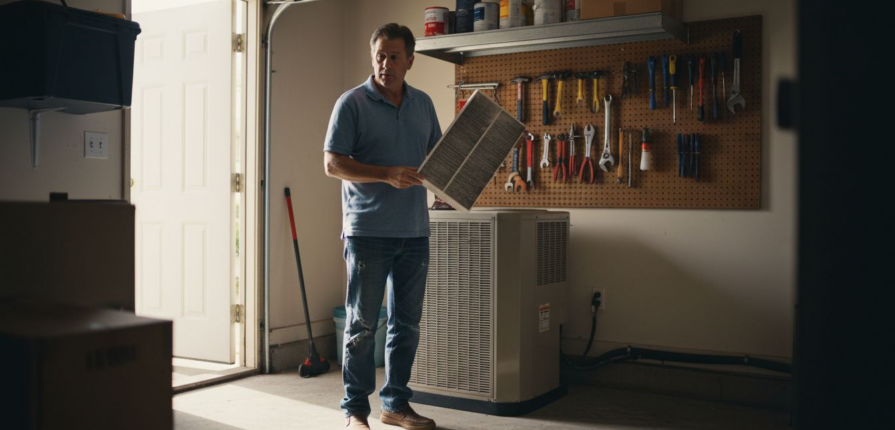
In Central Florida, HVAC systems are the unsung heroes of every comfortable summer. When air filters and vents get overlooked, your energy bills climb, and cooling becomes a struggle just as the heat ramps up. Regular filter inspection is a key factor in maintaining both indoor air quality and system efficiency, as required by ASHRAE ventilation standards for all residential systems. Taking a few small steps before the hottest days arrive will set you up for lower costs and reliable comfort all season.
Table of Contents
- Step 1: Inspect Filters And Clean Vents
- Step 2: Check Thermostat Settings And Functionality
- Step 3: Test Cooling System And Address Issues
- Step 4: Verify Airflow And System Performance
Quick Summary
| Key Insight | Explanation |
|---|---|
| 1. Regularly Inspect Filters | Check air filters monthly to ensure airflow efficiency and prevent energy waste. |
| 2. Test Thermostat Functionality | Ensure the thermostat reads accurately and operates effectively for optimal cooling. |
| 3. Run the Cooling System | Conduct a quick run test to identify cooling issues before the summer heat kicks in. |
| 4. Verify Airflow Balance | Check airflow consistency in each room to maintain comfortable temperatures throughout the home. |
| 5. Schedule Professional Help if Needed | If you identify persistent issues, contact a technician for expert assistance to avoid future breakdowns. |
Step 1: Inspect Filters and Clean Vents
Dirty filters and blocked vents are the main reasons air conditioning systems lose efficiency before summer even starts. Your system works harder when air can’t flow freely, driving up your energy bills and reducing comfort. This step takes about 15 minutes but makes a real difference.
Start by locating your air filter. Most residential systems keep the filter near the furnace or in a return air vent, often in a closet, basement, or attic. Turn off your air conditioning before you do anything—safety first.
Slide out the filter and hold it up to natural light. If you can’t see light through it, it’s clogged and needs replacing. ASHRAE ventilation standards require filters to maintain MERV 11 efficiency for residential homes, which means checking them monthly during peak cooling season makes sense.
Check your filter’s condition:
- Thick dust buildup = time for a new filter
- Gray or brown discoloration = filter has collected debris
- Visible particles escaping = efficiency is compromised
- Clear filter with minimal dust = good to keep for now
If the filter looks acceptable, you can reuse it. If not, replace it with a new one of the same size and type. Your system’s efficiency depends on proper filtration, so don’t skip this step.
Next, move to your vents. Walk through each room and check the air return vents—usually rectangular openings on walls or ceilings. Look for dust buildup, pet hair, or any blockages. Gently vacuum around the vent covers using a brush attachment.
For supply vents (where cool air comes out), wipe down vent covers with a damp cloth to remove dust. This simple action improves airflow throughout your home and prevents dust from circulating back into your system.
Regular filter inspection prevents blockages that reduce airflow and force your system to work harder than necessary.
If you notice significant dust accumulation in your ductwork or returns that you can’t reach, that’s when professional duct cleaning becomes valuable. Your system will breathe easier and cool your home more effectively.
Pro tip: Mark your calendar to check your filter every 30 days during summer—high heat and running time cause faster dust accumulation, so Central Florida homeowners should stay on top of this more frequently than winter months.
Step 2: Check Thermostat Settings and Functionality
Your thermostat is the command center for your entire cooling system. If it’s not working properly, your air conditioning can’t respond to your home’s temperature needs, wasting energy and leaving you uncomfortable. This step takes just 10 minutes and reveals potential problems before summer heat hits.
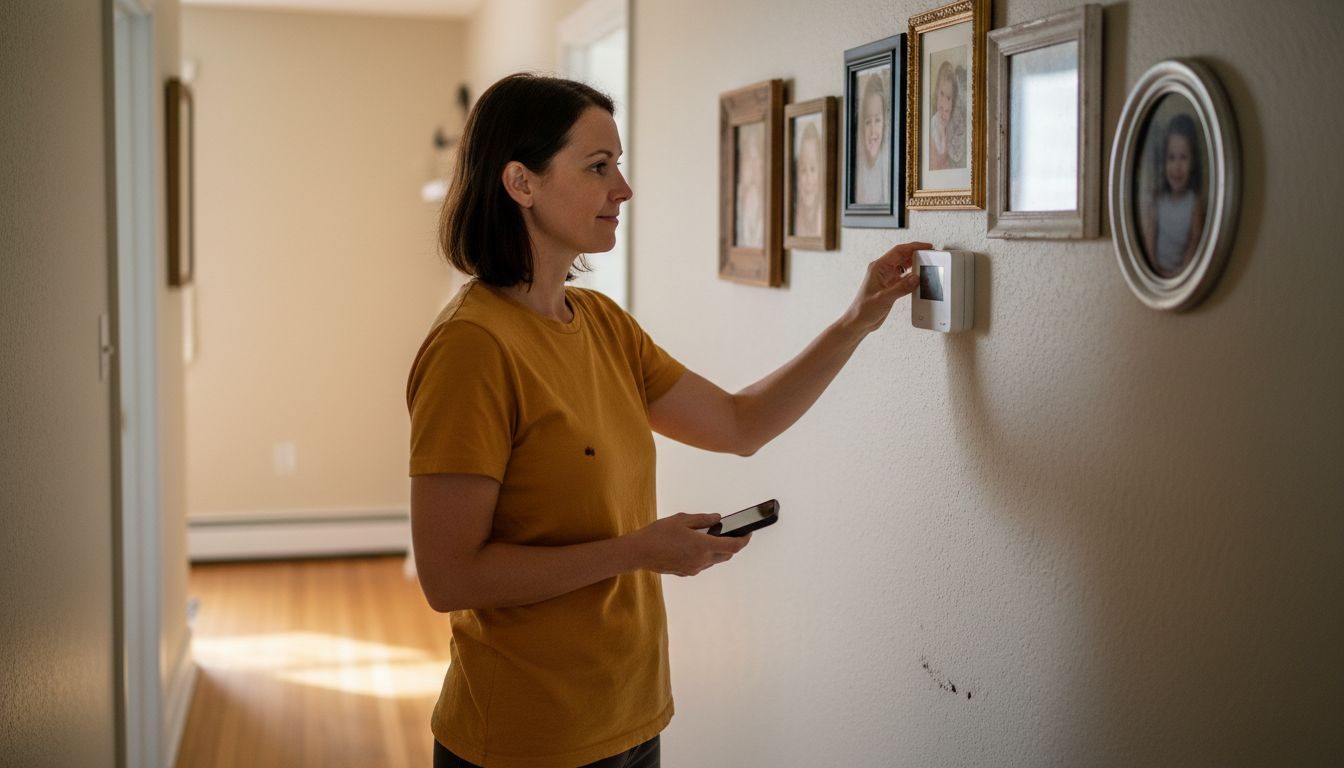
Start by looking at your thermostat’s display. Is it showing the correct current temperature? Walk over to it and check if the reading matches what you feel in that room. If there’s a big difference, your thermostat sensor might need recalibration or placement adjustment.
Next, test your thermostat’s basic functions. Set it to cooling mode and lower the temperature five degrees below the current room temperature. You should hear your air conditioning kick on within a minute or two. If nothing happens after three minutes, you have a control issue that needs professional attention.
Test these key functions:
- Set temperature five degrees lower and listen for the system to start
- Check that the display reads the correct current temperature
- Verify the thermostat switches between heating and cooling modes smoothly
- Confirm the fan cycles on and off as expected
Proper thermostat calibration and placement prevent erratic cycling and maintain stable temperatures throughout your home. A thermostat mounted on an exterior wall or in direct sunlight will read incorrectly, causing your system to overcool or undercool.
Check your thermostat’s location. It should be on an interior wall, away from direct sunlight, heating vents, or air conditioning registers. If it’s in a bad spot, the readings will never be accurate, no matter how hard your system works.
If you have a programmable or smart thermostat, review your summer schedule. Your cooling should kick in earlier if you’re typically home during hot afternoons, and temperatures can drift higher when you’re away to save energy. Test one programmed setting to confirm it’s actually working.
A malfunctioning thermostat can cause your system to run constantly or not at all, making your home uncomfortable and driving up your electric bill.
For digital thermostats with battery backup, check that the batteries are fresh. Weak batteries can cause the display to malfunction or lose programmed settings, leaving your system uncontrolled during the hottest parts of the day.
Pro tip: Set your thermostat to 78 degrees for summer when you’re home and 82 degrees when away—this sweet spot keeps you comfortable while reducing energy use by 10 to 15 percent, which adds up quickly in Central Florida’s heat.
Step 3: Test Cooling System and Address Issues
Now that your filters and thermostat are ready, it’s time to run your air conditioning and listen for problems. A quick test reveals whether your system is cooling properly or if issues need attention before the heat arrives. This step takes about 15 minutes and could save you from a breakdown in July.
Turn your thermostat to cooling mode and set the temperature to 68 degrees. Let the system run for five minutes, then walk around your home checking vents and listening for unusual sounds.
Your air conditioning should produce cool air within two minutes of startup. Feel the air coming from supply vents in different rooms. It should be noticeably cooler than the thermostat setting. If air feels lukewarm or room temperature, you likely have a refrigerant issue or a clogged evaporator coil.
Watch for these problem signs:
- Weak airflow from vents despite clean filters
- Warm or room temperature air instead of cool air
- System cycling on and off every few minutes
- Strange noises like hissing, grinding, or rattling
- Ice buildup around the outdoor unit or indoor coils
Common cooling issues include inadequate cooling from clogged filters or dirty coils, thermostats that cycle erratically, and refrigerant leaks that reduce cooling capacity. Many of these problems start small and get expensive if ignored.
If you notice weak cooling, double-check that your filter isn’t clogged again and that all supply vents are open. Sometimes the fix is that simple. If cooling is still inadequate after verifying these basics, your evaporator coil likely needs professional cleaning.
Listen carefully while your system runs. Normal sounds are a gentle hum and air whooshing through ducts. Hissing sounds suggest a refrigerant leak, grinding means a compressor problem, and rattling indicates loose components. Any of these require professional service soon.
If your air conditioning produces adequate cool air but cycles on and off every few minutes, your thermostat sensor needs recalibration or your system needs professional diagnostics.
Turn the thermostat back to your normal setting once testing is complete. If you discovered any issues during this test, now is the time to schedule service before summer demand makes appointments hard to get.
Pro tip: Run your cooling system for 15 minutes every week during spring before summer officially arrives—this early warning system catches problems when technicians have availability, not when everyone else needs emergency repairs during heat waves.
Step 4: Verify Airflow and System Performance
Balanced airflow keeps your home comfortable and your energy bills reasonable. Uneven cooling from room to room signals that your system isn’t distributing air efficiently. This step takes about 20 minutes and helps you spot airflow problems before they create hot spots throughout your home.
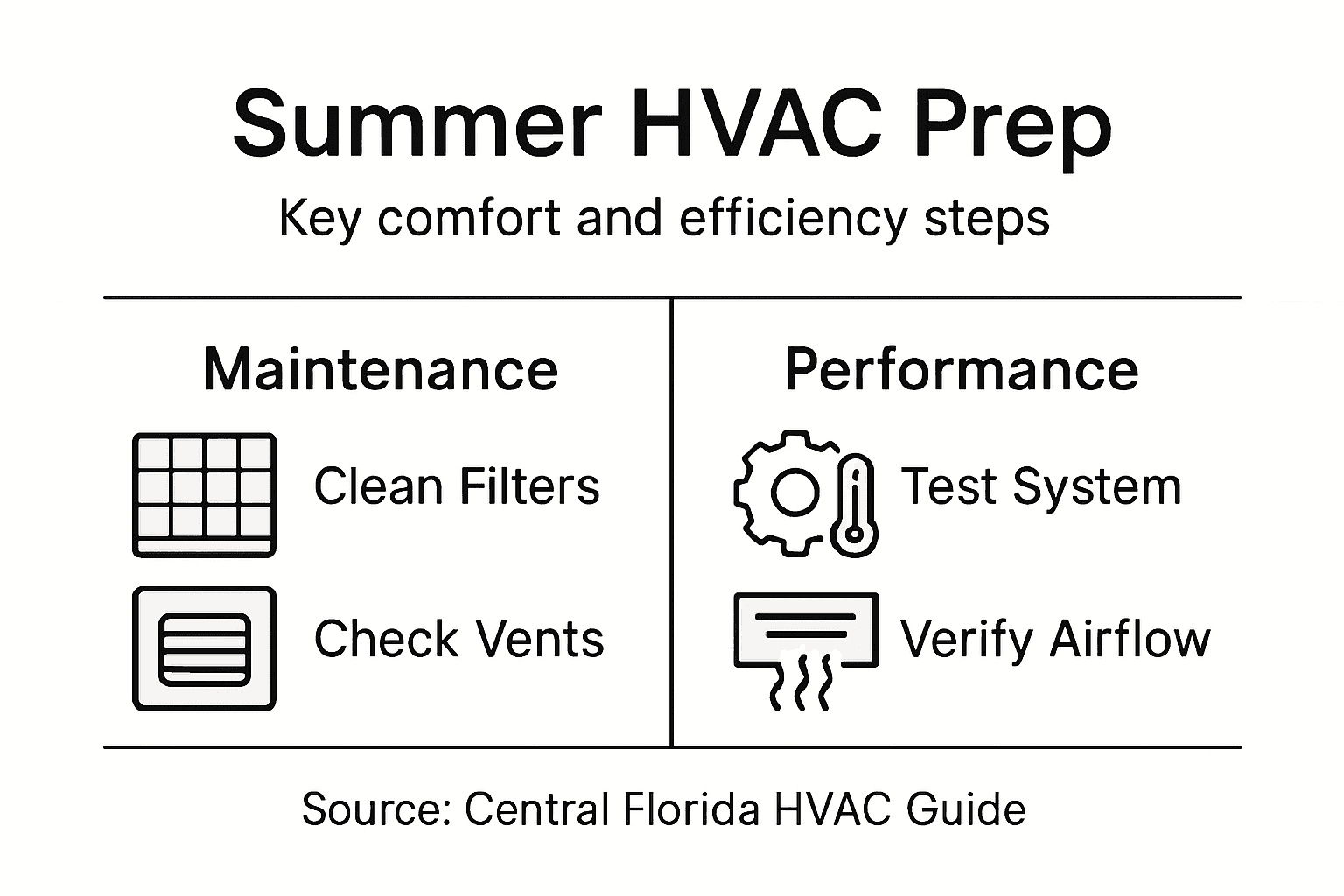
Start by closing all interior doors except one in each bedroom and living area. This forces your system to distribute air more evenly, making imbalances easier to detect. Turn your air conditioning back on and let it run for about five minutes.
Now walk through each room with your hand or a tissue near the supply vents. Feel the force of air coming from each vent and notice any differences between rooms. Strong, consistent airflow means your system is balanced. Weak airflow in some rooms while others feel icy indicates an imbalance that needs correction.
Check airflow in these key locations:
- Master bedroom and secondary bedrooms
- Living room and dining area
- Kitchen and hallways
- Basement or bonus rooms
- Any room that felt hot last summer
Proper airflow verification ensures thermal comfort and energy efficiency throughout your home. Imbalances degrade performance and leave some spaces cooler or warmer than others. If you notice weak airflow in a particular room, check that the supply vent isn’t blocked by furniture, curtains, or closed dampers.
Many ductwork systems have adjustable dampers that control air distribution to different zones. If one room consistently feels warmer than others, you may need to open or close dampers in your ductwork. These adjustments are simple if your system is accessible, but they require knowing your ductwork layout.
Check your return air vents too. These are usually larger openings where air gets pulled back into your system. If return vents are blocked by furniture or closed doors, your system has to work harder and cooling becomes uneven. Make sure at least one return vent per zone stays open and unobstructed.
Balanced airflow prevents hot and cold spots in your home, keeps your system running efficiently, and ensures every room receives adequate cooling during summer.
If airflow feels weak throughout your entire home despite clean filters, you may have ductwork blockages that only professional duct cleaning can fix. Central Florida’s heat and humidity create conditions where ductwork can accumulate dust and debris faster than other regions.
Compare typical causes of poor AC performance and recommended solutions:
| Problem Symptom | Likely Cause | Recommended Action |
|---|---|---|
| Weak airflow everywhere | Blocked ducts or vents | Schedule professional cleaning |
| Warm air from vents | Low refrigerant or dirty coil | Call technician for diagnosis |
| Erratic cycling | Faulty thermostat | Calibrate or relocate thermostat |
| Cold spots in some rooms | Closed dampers or blocked returns | Adjust duct dampers or move furniture |
Here’s a quick reference showing how each maintenance step impacts summer comfort and energy use:
| Maintenance Step | Primary Benefit | Impact on Comfort | Impact on Energy Use |
|---|---|---|---|
| Filter & Vent Cleaning | Improved airflow | Reduces hot spots | Lowers energy bills |
| Thermostat Check | Stable temperature control | Prevents overheating | Cuts wasteful cycling |
| Cooling System Test | Identifies hidden problems | Ensures reliable cooling | Prevents costly failures |
| Airflow Verification | Balanced air distribution | Even comfort in every room | Avoids extra system strain |
Pro tip: Take photos or notes of which rooms felt too hot last summer, then prioritize those areas when checking airflow balance—this helps you catch problems before they waste money and comfort during the season.
Keep Your HVAC System Ready for a Comfortable Central Florida Summer
Preparing your HVAC system before the intense Florida heat arrives is crucial to avoid unexpected breakdowns and high energy costs. This article highlights common challenges like clogged filters, thermostat issues, and uneven airflow that reduce your system’s efficiency and comfort. Lucas Air Conditioning and Heating understands these pain points and offers expert solutions including tune-ups, repairs, and professional duct cleaning to keep your home cool and energy bills low.

Don’t wait until the heat wave to address these problems. Take advantage of our current special offers to schedule your air conditioning service today. Experience the difference of veteran-owned, local expertise and ensure your system is ready for summer. Visit Lucas Air Conditioning and Heating now and book your appointment online for fast, trusted service in Eustis and surrounding Central Florida communities.
Frequently Asked Questions
How do I inspect and clean my HVAC filters?
Start by locating your air filter, usually found near the furnace or in a return air vent. Turn off the air conditioning, slide out the filter, and hold it up to the light; if you can’t see through it, replace it with a new one. Check your filters monthly during peak summer months to maintain efficiency and comfort.
What settings should I check on my thermostat for summer?
To ensure optimal performance, set your thermostat to cooling mode and verify that it accurately reflects the current temperature. Adjust the temperature setting to five degrees lower than the room temperature and listen for your system to kick on within a couple of minutes to confirm it’s functioning properly.
How do I test my air conditioning system for proper cooling?
Run your air conditioning by setting the thermostat to 68 degrees and letting it operate for at least five minutes. Check the air coming from supply vents; it should feel cool and be significantly lower than the room temperature. If not, there may be refrigerant issues or clogged coils that need attention.
What should I do if airflow is weak in certain rooms?
Identify which rooms have weak airflow by checking the supply vents with the air conditioning running. Ensure that vents are not blocked by furniture or curtains and check for any closed dampers in the ductwork. If airflow remains weak, consider adjusting damper settings or scheduling a professional duct cleaning.
How often should I perform HVAC maintenance before summer?
It’s recommended to perform thorough HVAC maintenance steps like filter inspection, thermostat checks, and airflow verification every month as summer approaches. Taking these actions regularly can improve your system’s efficiency and reduce energy costs by around 10 to 15 percent during the hottest months.
Why is balanced airflow important for comfort?
Balanced airflow keeps your home evenly cool and prevents hot or cold spots that can create discomfort. To verify proper airflow, close interior doors except one in each room to test the distribution; ensure at least one return vent remains open to help circulate air efficiently.
Recommended
- Landing Page for Seasonal Specials – Lucas Air Conditioning and Heating
- Landing Page for Seasonal Specials – Online Booking – Lucas Air Conditioning and Heating
- 7 Steps to a Complete Home HVAC Maintenance Checklist
- Role of HVAC Systems – How Comfort and Efficiency Affect Florida Homes
- Gebäudeautomation: Effizienz, Komfort und Sicherheit verbinden
