
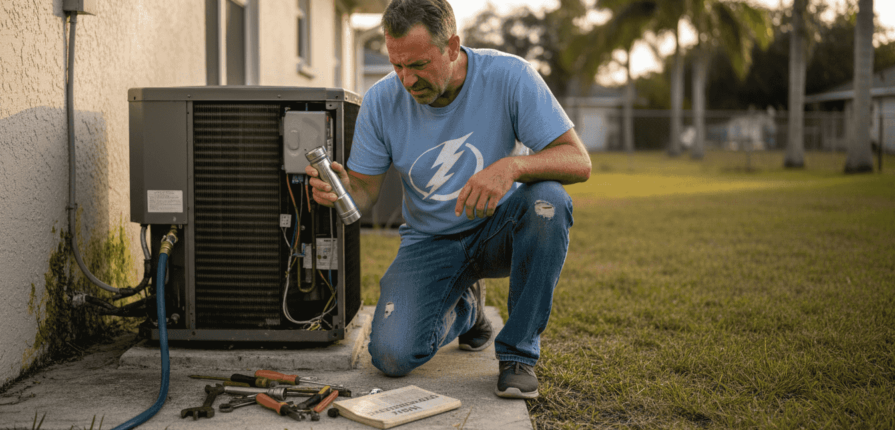
Florida homeowners know how important reliable indoor comfort is during the relentless summer heat. When your HVAC system starts acting up, subtle warning signs can quickly turn into expensive headaches and unwanted disruptions in your daily life. Spotting problems early saves you money and prevents major repairs that can interrupt your cool oasis at home.
This guide will show you how to recognize key signals your HVAC needs attention. From strange noises to rising energy bills, you’ll discover actionable tips that help you identify what’s wrong and address issues before they get worse. Ready to uncover the practical steps that keep your system running smoothly and your home comfortable all season long?
Table of Contents
- 1. Unusual Noises Coming From the System
- 2. Weak or Uneven Airflow in Rooms
- 3. Higher Energy Bills Without Reason
- 4. Inconsistent Temperatures Throughout Home
- 5. Strange Odors When System Is Running
- 6. Excess Moisture or Leaks Around Unit
Quick Summary
| Key Message | Explanation |
|---|---|
| 1. Address Unusual Noises Promptly | Strange sounds from your HVAC indicate issues like failing components or loose parts that require immediate attention to prevent costly repairs. |
| 2. Ensure Consistent Airflow | Check for dirty filters and closed vents to promote balanced airflow, preventing energy waste and discomfort across various rooms in your home. |
| 3. Investigate Unexpected Energy Bills | Sudden spikes in energy costs often stem from HVAC inefficiencies; perform maintenance to address issues and reduce excessive spending. |
| 4. Regularly Inspect for Moisture Leaks | Moisture around HVAC units can lead to mold and structural damage; keep drains clear and inspect for blockages regularly. |
| 5. Don’t Ignore Strange Odors | Different smells from your HVAC can indicate issues ranging from mold growth to electrical failures, which should be assessed by a professional immediately. |
1. Unusual Noises Coming From the System
Your HVAC system should operate quietly in the background. Strange noises are your system’s way of signaling trouble ahead.
Common problem sounds include screeching, banging, humming, and rattling coming from your outdoor unit or indoor components. Each noise tells a different story about what’s failing inside.
What These Noises Mean
Different sounds indicate different problems:
- Screeching signals metal grinding or high pressure buildup, often from a failing compressor or motor
- Banging suggests broken compressor supports or internal damage that needs immediate attention
- Rattling typically means loose parts, debris, or a failing condenser fan motor
- Humming without cooling indicates electrical issues or a stuck compressor
Loud compressor noises often mean the compressor itself is failing and may require complete replacement, making early detection crucial.
Central Florida’s heat pushes HVAC systems hard. When your unit works overtime cooling your home, worn components deteriorate faster. Screeching or banging from outdoor units can signal malfunctioning condenser fan motors, broken compressors, or internal spring damage.
Ignoring these warning signs leads to bigger problems. A small issue becomes an expensive repair when you wait too long. Metal grinding inside the compressor causes rapid deterioration.
Why Timing Matters
Your wallet depends on catching these noises early. Running a damaged system costs more in electricity and accelerates failure. A failing compressor replacement can cost $1,500 to $3,000 or more.
Fresh, cool air depends on smooth operation. Noises mean something has shifted out of place or broken internally. Don’t assume the sound will go away.
Pro tip: Record the noise on your phone and play it for your technician when you call for service—it helps them diagnose the problem faster and ensures they come prepared with the right parts.
2. Weak or Uneven Airflow in Rooms
Notice one bedroom stays cool while another feels like an oven? Weak or uneven airflow is a common complaint among Central Florida homeowners, and it directly impacts your comfort and energy costs.
Proper airflow is the backbone of effective cooling. When air moves inconsistently through your home, some spaces suffer while others waste cooled air. This imbalance means your system works harder without delivering results.
What Causes Airflow Problems
Multiple factors can restrict air movement through your HVAC system:
- Dirty filters block air at the source, reducing flow throughout your home
- Undersized return ducts can’t pull enough air back to the unit
- Low fan speed settings reduce the amount of air circulated
- Coil fouling or blockages inside the unit restrict cooling airflow
- Closed vents or dampers in certain rooms create uneven distribution
Optimal HVAC performance requires consistent airflow rates around 350 to 450 cubic feet per minute per ton of cooling capacity to maintain proper temperature and humidity balance throughout your home.
When airflow drops below optimal levels, your system can’t remove humidity effectively. Florida’s sticky climate makes this especially problematic. Weak airflow means weak dehumidification, leaving rooms feeling clammy even when the temperature feels right.
Quick Fixes You Can Try
Start by checking the simple things yourself before calling for service:
- Replace your air filter every 30 days during heavy cooling season
- Verify all supply vents are fully open in problem rooms
- Check that return air vents aren’t blocked by furniture or curtains
- Look for disconnected or collapsed flexible ductwork in your attic
These steps cost nothing and solve problems in roughly 20% of cases. If issues persist after checking these items, your system likely needs professional attention.
Pro tip: Use a phone flashlight to inspect inside your return air vents and supply registers for visible dust buildup or debris, then vacuum them out before replacing your filter for an immediate airflow boost.
3. Higher Energy Bills Without Reason
You open your electric bill and do a double take. Nothing changed in your home, yet you’re paying significantly more. This frustrating situation happens to countless Central Florida homeowners every summer.
Several factors drive up your costs, and your HVAC system is often the culprit. Understanding what causes bill spikes helps you take control of your spending.
Why Your Bills Climb Without Warning
Your HVAC system typically accounts for 40 to 50 percent of home energy use. When it runs inefficiently, your bill reflects that immediately. Several common issues trigger unexpected increases:
- Dirty air filters force your system to work harder and run longer
- Refrigerant leaks reduce cooling efficiency, making the compressor run continuously
- Worn compressors struggle to maintain proper pressure and temperature
- Unmaintained systems accumulate dust and debris that reduces performance
- Thermostat problems cause unnecessary runtime or incorrect temperature control
Beyond your HVAC system, grid-level factors affect your rates. Rising electricity prices stem from infrastructure maintenance and regional energy policies, which may explain some increases. However, most sudden spikes point to home-specific issues.
Taking Action on Your Bills
Start by investigating what’s changed. Proper HVAC maintenance and regular tune-ups significantly reduce energy consumption and eliminate waste. A single appointment often identifies the problem causing your spike.
Common quick fixes include replacing filters, sealing air leaks around windows and doors, and adjusting your thermostat by a few degrees. These steps cost little but deliver measurable results.
If your system hasn’t been serviced in over a year, schedule maintenance immediately. Dirty coils, loose connections, and low refrigerant all drain money from your wallet month after month.
An unmaintained HVAC system can waste 15 to 25 percent more energy than a well-maintained one, translating to hundreds of dollars annually in unnecessary costs.
Pro tip: Compare your current bill to the same month last year, then check if your system received any maintenance during that period; this quick comparison often reveals whether an HVAC tune-up would pay for itself in energy savings.
4. Inconsistent Temperatures Throughout Home
You set your thermostat to 72 degrees, but the master bedroom feels like 68 while the kitchen hovers near 75. Temperature swings across your home create discomfort and frustration, especially during Central Florida’s scorching summers.
Inconsistent temperatures reveal underlying HVAC problems that demand attention. Your system should maintain fairly uniform comfort throughout your living spaces.
Root Causes of Temperature Imbalances
Several issues create hot and cold spots in your home:
- Duct leaks allow cooled air to escape in attics or crawl spaces before reaching rooms
- Poor airflow distribution sends more cool air to certain areas while starving others
- Inadequate insulation in exterior walls allows heat to infiltrate unevenly
- Thermostat placement far from problem areas gives inaccurate readings of actual room conditions
- Zoning system failures prevent dampers from properly directing airflow to different areas
- Blocked or closed vents restrict air to specific rooms intentionally or accidentally
Uneven cooling often results from airflow distribution issues, duct leaks, and system imbalances that prevent uniform temperature control across your entire home.
Your thermostat only measures temperature at one location. If it sits in a naturally cool hallway, your system shuts down before reaching warmer rooms. Conversely, a thermostat in direct sunlight overworks your system trying to cool imaginary heat.
Finding and Fixing Problem Areas
Start by mapping temperature patterns throughout your home. Walk through each room with a simple thermometer and note variations. Look for patterns like upstairs being consistently warmer or one side of the house feeling uncomfortable.
Common quick fixes address obvious problems:
- Open all vents and dampers in rooms feeling too warm
- Close vents partially in rooms that feel too cold
- Check for furniture blocking return air vents or supply registers
- Inspect visible ductwork for obvious gaps or disconnections
Proper HVAC design and zoning strategies address airflow uniformity to eliminate uncomfortable temperature swings. If adjustments don’t solve the problem, your ductwork or system likely needs professional evaluation.
Pro tip: Place your thermostat in a central location away from direct sunlight, drafts, and exterior walls; if yours is poorly positioned, professional relocation might solve temperature inconsistencies without requiring expensive system repairs.
5. Strange Odors When System Is Running
You turn on your air conditioning and notice something smells off. Strange odors coming from your HVAC system should never be ignored, as they often signal problems ranging from minor to serious.
Your nose is a powerful diagnostic tool. Different smells point to different issues, and identifying them early prevents bigger problems down the road.
What Your HVAC Odors Mean
Various smells indicate specific problems within your system:
- Dirty socks or musty smell suggests bacterial growth on cooling coils, typically from excess moisture
- Fruity or sweet odor indicates mold or mildew growth inside ducts or the evaporator coil
- Dead animal smell means a rodent died inside your ductwork or unit
- Burning or metallic smell may indicate electrical wiring issues or component failure
- Rotten egg odor could signal a gas leak, requiring immediate professional attention
Unusual odors from HVAC systems can stem from bacterial growth, mold, dead animals, or electrical issues that demand quick attention for your health and safety.
Central Florida’s humidity creates ideal conditions for mold and bacterial growth. When your system cools air, moisture condenses on coils and in ducts. Without proper drainage and cleaning, this moisture breeds problems that smell terrible.
Understanding Electrical Odors
Sometimes a metallic or electrical smell occurs when your system first starts up. This can result from UV-C light technology installed in some HVAC units, which produces small amounts of ozone gas. This smell typically dissipates quickly and remains within safe limits.
If the odor persists or grows stronger, however, you likely have a wiring issue or component failure. Don’t wait to have this checked.
Persistent strange odors should always be evaluated by a professional to rule out health hazards and identify underlying system problems before they worsen.
What You Should Do
Trust your instincts when something smells wrong. Take action based on the type of odor:
- Musty or moldy smells require professional coil cleaning and duct inspection
- Burning smells demand immediate professional evaluation for electrical safety
- Dead animal odors need duct cleaning and potential ductwork replacement
- Gas-like smells require emergency service and possible evacuation
Pro tip: Note exactly when and where you smell the odor, then write down a description before calling for service; this information helps your technician diagnose the problem faster and arrive prepared with the right equipment.
6. Excess Moisture or Leaks Around Unit
You notice water pooling around your indoor or outdoor HVAC unit, or you spot visible condensation dripping steadily. Excess moisture around your system signals drainage problems that need immediate attention.
Moisture is the enemy of HVAC equipment and your home’s structure. Left unchecked, leaks lead to mold, water damage, and costly repairs.
Why Your System Produces Moisture
Your air conditioning system removes humidity from indoor air as part of normal operation. This moisture condenses on the cold evaporator coil and must drain away through a condensate line. When that line clogs or fails, water has nowhere to go.
Common causes of moisture problems include:
- Clogged condensate drains from algae, debris, or sediment buildup
- Frozen evaporator coils that overflow when they thaw
- Leaking refrigerant lines that produce water as they deteriorate
- Poor ductwork installation allowing condensation inside ducts
- Damaged drain pans that can’t contain water properly
- High indoor humidity overwhelming the system’s dehumidification capacity
Central Florida’s tropical climate makes this especially critical. Your system works constantly to remove humidity from the air you breathe. When condensate drains fail, indoor moisture levels spike quickly.
Identifying the Problem Source
Where water appears tells you where the problem likely originates. Water near the indoor unit usually means a clogged drain line or frozen coil. Puddles around the outdoor unit might indicate refrigerant leaks or damaged connections.
Proper drainage system maintenance and vapor barrier management prevent moisture damage and protect both your HVAC system and your home’s structural integrity.
Look for these warning signs:
- Water stains on ceilings or walls near your unit
- Musty or moldy odors indicating mold growth
- Visible algae or slime inside drain lines
- Moisture pooling in the crawl space or basement
- Rust or corrosion on unit components
Don’t attempt to fix refrigerant leaks yourself. These require certified technicians. However, you can clear accessible drain lines using a wet vacuum or flush them with bleach solution.
Pro tip: Pour a cup of white vinegar down your condensate drain line every month to prevent algae and mold buildup; this simple preventative step costs pennies and eliminates most drain clogs before they become problems.
Below is a comprehensive table summarizing the main points and actionable insights discussed in the article regarding common HVAC system issues, their causes, and recommendations for addressing them effectively.
| Issue | Causes and Indications | Recommended Solutions |
|---|---|---|
| Unusual Noises | Sounds like screeching, banging, rattling, or humming signal possible problems with components such as the compressor, motor, or electrical systems. | Record these noises and provide them to a technician for accurate diagnosis and necessary repairs. |
| Weak or Uneven Airflow | Dirty filters, improper duct sizing, or blocked vents can lead to inconsistent air distribution. | Check and clean air filters regularly, open all vents, and inspect accessible ductwork for issues. |
| Higher Energy Bills | Causes include dirty filters, refrigerant leaks, and worn components, along with potential external electricity rate changes. | Perform routine maintenance, adjust thermostat settings, and address efficiency losses through professional inspections. |
| Temperature Inconsistencies | Problems such as duct leaks, poor insulation, or zoning failures can cause uneven temperatures in a home. | Adjust vent positions, inspect ductwork for leaks, and consider thermostat relocation for better system performance. |
| Strange Odors | Smells like musty, burning, or gas indicate potential issues like mold growth, electrical problems, or even gas leaks. | Identify smell sources and request immediate professional intervention if necessary, prioritizing safety. |
| Excess Moisture or Leaks | Caused by clogged condensate drains, frozen coils, or refrigerant leaks. | Maintain the drainage system, regularly check for visible water accumulation, and use appropriate cleaning solutions. |
Don’t Let HVAC Issues Disrupt Your Comfort in Central Florida
Strange noises, uneven cooling, high energy bills, and persistent odors are clear signs your HVAC system needs expert care. Lucas Air Conditioning and Heating understands how these common problems impact your home’s comfort and your wallet. Our local veteran-owned company specializes in resolving these challenges quickly through reliable repairs, tune-ups, and duct cleaning. We use trusted solutions to restore consistent airflow and eliminate odors, so your home feels just right all year.

Take control of your HVAC system today by exploring our Ventilation Archives for tips and insights. Then, take advantage of our current special offers for affordable service options. Visit Lucas Air Conditioning and Heating now to schedule your appointment. Don’t wait until small issues turn into costly repairs—reach out now for fast, professional help that keeps your home comfortable and your energy bills in check.
Frequently Asked Questions
What should I do if I hear unusual noises from my HVAC system?
Hearing unusual noises like screeching or banging typically indicates a problem with your HVAC system. Schedule a service check immediately to diagnose the issue before it leads to more costly repairs.
How can I improve weak or uneven airflow in my home?
To improve weak or uneven airflow, start by checking and replacing your air filters regularly. Ensure all supply vents are open and not blocked by furniture, and inspect your return air vents for debris that may need cleaning.
Why are my energy bills higher without any changes at home?
Higher energy bills often result from an inefficient HVAC system, which can be caused by dirty air filters or malfunctioning parts. Investigate potential issues with your system, and consider scheduling maintenance to restore its efficiency.
What are the signs of inconsistent temperatures in my house?
Inconsistent temperatures in different rooms may indicate duct leaks or poor airflow distribution. To address this, check for closed vents or furniture blocking airflow, and inspect your ductwork for visible leaks.
What should I do if I notice strange odors when my HVAC system is running?
Strange odors from your HVAC system can signal various issues, including mold growth or electrical problems. Take action by documenting the odors and calling a professional for a thorough inspection to ensure safety and proper functionality.
How can I address excess moisture or leaks around my HVAC unit?
Excess moisture or leaks around your HVAC unit can indicate clogged drain lines or frozen coils. Act quickly by inspecting drain lines for blockages and consider scheduling a service appointment to resolve any serious issues.
Recommended
- Role of HVAC Systems – How Comfort and Efficiency Affect Florida Homes
- 7 Steps to a Complete Home HVAC Maintenance Checklist
- Essential HVAC Preventative Maintenance Guide for Homeowners
- Role of HVAC in Home Comfort: What Homeowners Need
- Features: Actron dual zone ducted reverse cycle heating/cooling system. | Elite Wealth Creators
