
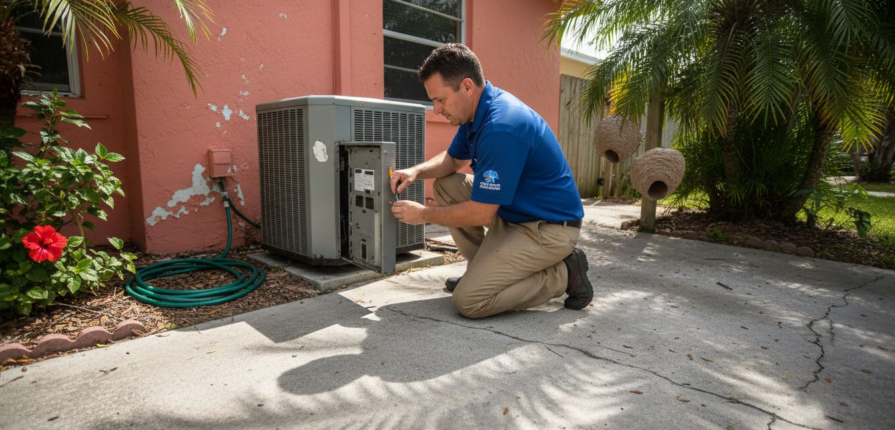
The Florida heat can turn home comfort into a challenge, especially when your cooling system is pushed to its limits day after day. Skipping regular HVAC care means your system battles humidity and salt air alone, risking sudden breakdowns and rising utility bills. Preventative HVAC maintenance protects your investment and helps keep your home energy efficient, letting you catch small problems before they become costly headaches.
Table of Contents
- What Is Preventative HVAC Maintenance?
- Types of Preventative HVAC Services
- How Scheduled Maintenance Works
- Benefits for Homeowners in Florida
- Risks and Costs of Delayed Maintenance
Key Takeaways
| Point | Details |
|---|---|
| Preventative Maintenance Saves Money | Regular preventative HVAC maintenance can reduce energy bills by 5-20% and prevent costly emergency repairs. |
| Prolongs Equipment Life | Well-maintained systems can last 15-20 years, whereas neglected ones often fail within 10-12 years. |
| Improves Indoor Air Quality | Consistent maintenance ensures clean air filters and ducts, enhancing overall air quality for your family. |
| Scheduled Maintenance Reduces Stress | Having a routine maintenance schedule mitigates the inconvenience and costs of unexpected breakdowns. |
What Is Preventative HVAC Maintenance?
Preventative HVAC maintenance is a proactive strategy to keep your air conditioning and heating systems running smoothly before problems develop. Unlike waiting for a breakdown to call a technician, you schedule regular inspections and upkeep to catch issues early.
This approach protects your home comfort year-round in Florida’s challenging climate. Your system works harder here than in most places, battling humidity, heat, and salt air that accelerate wear and tear.
Core Components of Preventative Maintenance
Preventative maintenance includes several key activities:
- Regular inspections to identify worn components or declining performance
- Cleaning of filters, coils, and ducts to maintain airflow and efficiency
- Lubrication of moving parts to reduce friction and mechanical strain
- Adjustments to refrigerant levels, thermostat settings, and electrical connections
- Component replacements of filters, capacitors, or other wear items before failure
These tasks keep your system operating as designed, just like oil changes maintain your car’s engine.
Why It Matters for Florida Homeowners
Preventative HVAC maintenance reduces energy bills by 5-20% while extending equipment life and improving indoor air quality. Your HVAC system runs constantly here, especially during summer months.
A well-maintained system catches problems before they become expensive repairs. Replacing a capacitor costs far less than replacing a compressor.
Regular maintenance prevents emergency breakdowns during peak cooling season when service costs spike and technician availability drops.
How It Differs from Reactive Repairs
Reactive maintenance waits for failure. Your air conditioning stops working, so you call someone to fix it. This approach costs more money, takes longer to resolve, and can leave your home uncomfortable for days.
Preventative maintenance schedules service on your timeline. You avoid the stress and expense of unexpected breakdowns. Your system stays reliable when you need it most.
Here’s a comparison of preventative versus reactive HVAC maintenance:
| Approach | Preventative Maintenance | Reactive Repairs |
|---|---|---|
| Timing | Scheduled in advance | After a breakdown |
| Cost Over Time | Lower due to fewer emergencies | Higher due to urgent repairs |
| System Reliability | High—fewer unexpected failures | Low—risk of sudden outages |
| Comfort Impact | Maintains stable comfort | Periods of discomfort possible |
| Equipment Lifespan | Extended 15–20 years | Shortened to 10–12 years |
Real-World Results
Homeowners who maintain their systems consistently avoid costly mid-summer repairs. Your equipment runs at peak efficiency, keeping energy bills lower throughout the year.
A properly maintained system lasts 15-20 years. Neglected systems often fail within 10-12 years. That’s the difference between hundreds and thousands of dollars.
Pro tip: Schedule your first preventative maintenance appointment before the cooling season hits in late spring, when technicians have more availability and can provide faster service.
Types of Preventative HVAC Services
Preventative HVAC services come in many forms, each targeting different parts of your system. Understanding what’s available helps you decide what your home needs most.
Think of these services as specialized tune-ups. Some focus on cooling, others on heating, and many address issues that affect both.
Air Filter Replacement and Duct Cleaning
Air filter replacement is the simplest yet most critical service. Dirty filters reduce airflow, force your system to work harder, and decrease efficiency.
You should replace filters every 1-3 months, depending on usage and household factors like pets or allergies. Lucas Air offers professional duct cleaning that removes accumulated dust, debris, and allergens from your entire system.
Clean ducts improve air quality throughout your home. They also allow air to move freely, reducing strain on your equipment.
Coil Cleaning and Refrigerant Checks
Your evaporator and condenser coils collect dirt and buildup over time. Professional coil cleaning restores heat transfer efficiency and prevents ice buildup during cooling season.
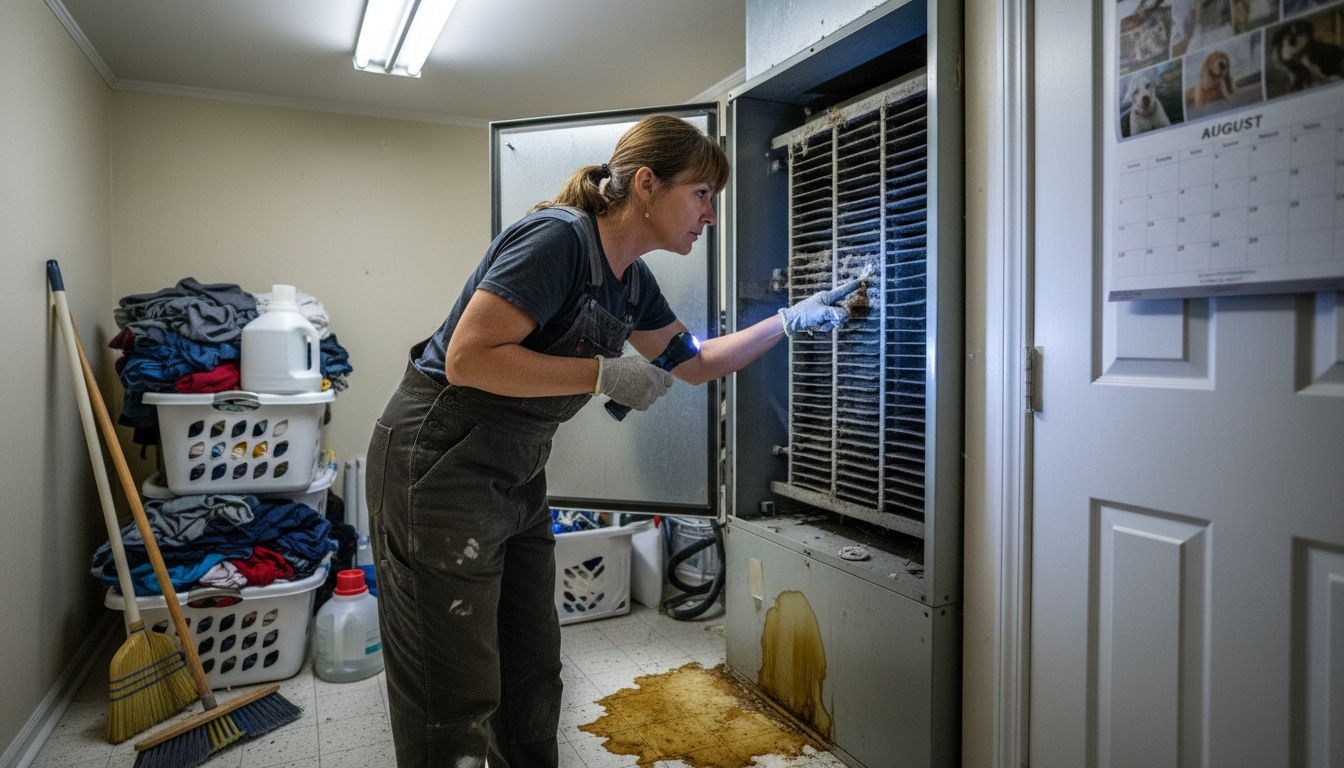
Refrigerant levels must stay within exact specifications. Too little refrigerant forces your compressor to work overtime; too much causes pressure problems.
Lubrication and Mechanical Adjustments
Moving parts need lubrication to operate smoothly. Over time, oil breaks down and parts wear faster.
Preventative maintenance includes:
- Motor lubrication to reduce friction and extend bearing life
- Belt and pulley inspection to catch fraying before failure
- Electrical connection tightening to prevent arcing and component damage
- Control calibration to ensure your thermostat reads accurately
These small adjustments prevent major mechanical failures down the road.
Comprehensive System Testing
Technicians perform functional tests on safety controls, limit switches, and electrical components. This ensures everything works as designed before an emergency occurs.
Testing catches failing capacitors, deteriorating wiring, and faulty switches early. These small parts fail silently but disable your entire system when they go.
Professional preventative maintenance identifies problems months before they cause breakdowns, giving you time to plan repairs without summer urgency.
Seasonal Service Plans
Many homeowners benefit from regular maintenance agreements. Lucas Air offers preventative maintenance agreements that schedule spring cooling tune-ups and fall heating checks automatically.
Agreement holders typically receive priority scheduling during peak seasons and discounted service rates.
Pro tip: Bundle your spring cooling maintenance with fall heating checks into one annual agreement to catch seasonal issues before they impact your comfort.
How Scheduled Maintenance Works
Scheduled maintenance creates a predictable routine for your HVAC system. Instead of waiting for problems, you plan service around your home’s needs and seasonal demands.
Think of it like dental appointments. You schedule cleanings twice a year to prevent cavities rather than waiting for a root canal emergency.
Setting Up Your Maintenance Schedule
A good schedule aligns with Florida’s seasonal patterns. Spring tune-ups prepare your cooling system for summer stress, while fall checks ensure heating works before cold snaps arrive.
Most homeowners benefit from:
- Spring service (March to April) before peak cooling season
- Fall service (September to October) before heating season
- Filter checks every 30-60 days year-round
- Emergency availability for unexpected issues between scheduled visits
Your technician establishes the best timing based on your system’s age and condition.
How Maintenance Tracking Works
Scheduled preventative maintenance uses systematic planning to organize inspections, cleaning, and repairs in advance rather than responding to emergencies. Many HVAC companies use scheduling systems that track what was done and what comes next.
You receive reminders before your appointment. Records document every service, creating a history that helps identify emerging patterns.
What Happens During Scheduled Visits
Each appointment follows a checklist tailored to your system and season. Spring cooling maintenance differs from fall heating checks, but both follow proven protocols.
Your technician will:
- Inspect all major components for wear or damage
- Clean filters, coils, and ducts as needed
- Check refrigerant levels and electrical connections
- Test controls and safety switches
- Lubricate moving parts
- Document findings and recommendations
You receive a report detailing what was serviced and any upcoming concerns.
Planning Reduces Emergency Costs
Scheduled service prevents the scenario where your system fails during the hottest week of summer. Emergency calls cost more, require longer wait times, and leave your home uncomfortable.
Proactive maintenance catches small issues before they disable your equipment. A worn capacitor costs $200 to replace on schedule versus $1,200 in emergency repair plus overnight sweating in July heat.
Regular scheduled maintenance prevents the stress and expense of emergency breakdowns by addressing wear before failure occurs.
Maintenance Agreements Simplify Everything
Many homeowners sign annual agreements that automatically schedule seasonal visits. Lucas Air’s maintenance agreements include priority scheduling during peak seasons and service discounts.
You never forget to call. Technicians visit on predetermined dates, and you maintain protection year-round.
Pro tip: Sign up for a maintenance agreement before peak season starts so you lock in service appointments when technicians have better availability and can provide faster response times.
Benefits for Homeowners in Florida
Florida homeowners face unique HVAC challenges that make preventative maintenance more valuable than in most states. Your system runs year-round, battling heat, humidity, and salt air that accelerate component wear.
Preventative maintenance addresses these specific conditions before they damage your equipment or your wallet.
Lower Energy Bills Year-Round
Preventative HVAC maintenance reduces energy consumption while optimizing system performance. Clean filters, coils, and ducts allow air to flow freely without resistance.
When your system works efficiently, it runs less frequently to maintain your desired temperature. Less runtime means lower electricity bills every month.
Homeowners typically see 5-15% reductions in cooling costs within the first year of consistent maintenance. Over 10 years, that’s thousands of dollars saved.
Avoid Expensive Emergency Repairs
Florida’s summer heat creates perfect conditions for equipment failure. When your air conditioning stops working in July, emergency technicians charge premium rates for rush service.
Proactive maintenance catches problems before they become emergencies:
- Worn capacitors fail silently until they disable your compressor
- Dirty coils reduce cooling capacity and force overwork
- Low refrigerant strains compressors toward failure
- Electrical issues develop gradually without warning
Replacing a part during scheduled maintenance costs one-third what an emergency replacement costs.
Extended Equipment Lifespan
Your HVAC system represents one of your largest home investments. Preventative maintenance extends its useful life by 5-10 years compared to neglected systems.
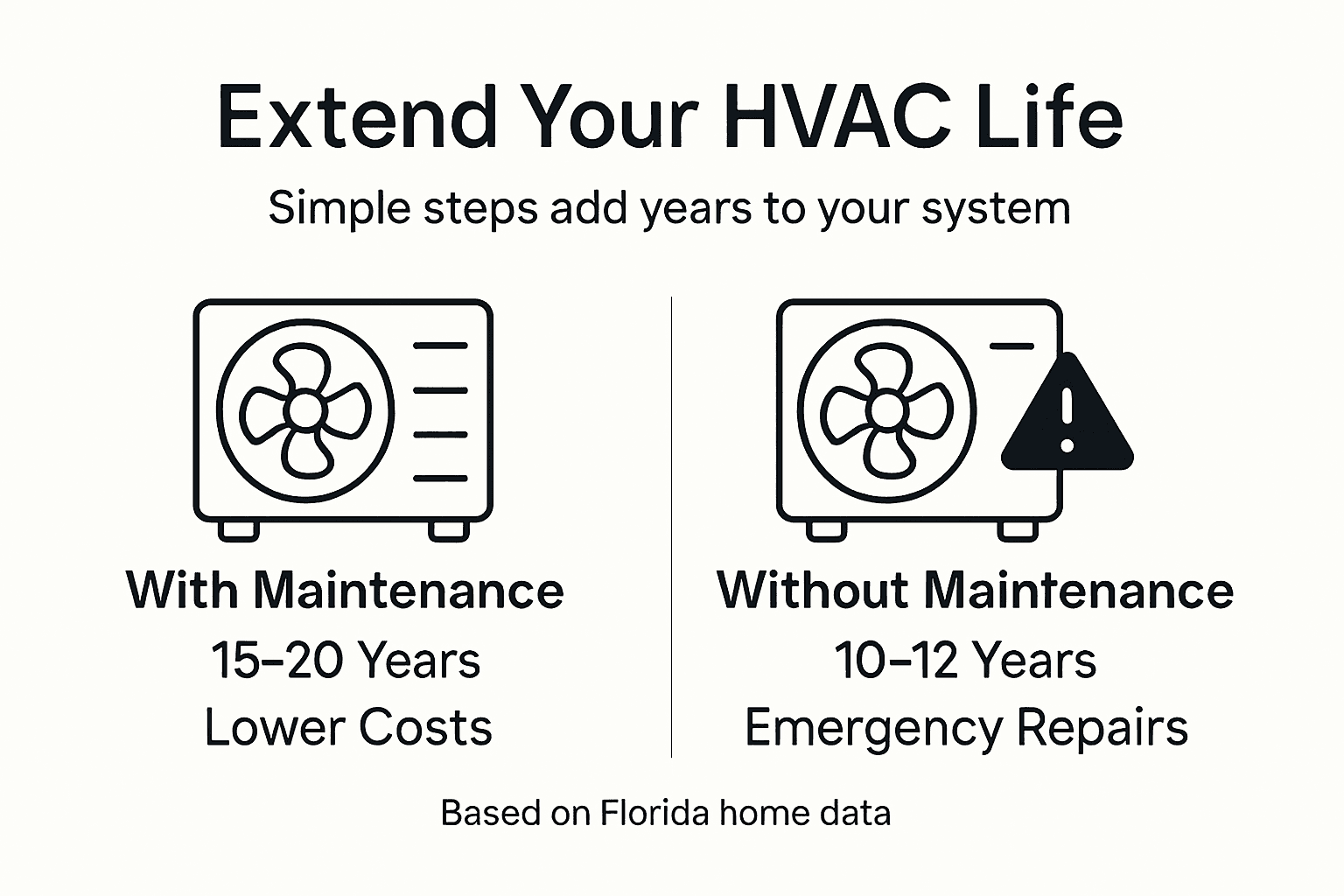
A well-maintained unit lasts 15-20 years. Neglected systems often fail at 10-12 years. That’s the difference between one replacement cycle and two during your ownership.
Improved Indoor Air Quality
Florida’s humidity creates conditions for mold growth in ducts and coils. Regular cleaning removes accumulated dust, allergens, and microbial growth.
Clean systems deliver healthier air to your family. People with allergies, asthma, or respiratory sensitivities notice improvements within weeks.
Consistent preventative maintenance protects both your equipment investment and your family’s health by maintaining efficiency and air quality year-round.
Peace of Mind in Extreme Weather
Florida’s hurricane season and summer heat waves create urgency for working air conditioning. A well-maintained system stays reliable when you need it most.
You avoid the stress of system failure during weather emergencies when service availability drops and temperatures soar. Your family stays comfortable while neighbors struggle with broken equipment and expensive emergency calls.
Pro tip: Schedule spring maintenance by April to catch issues before peak summer demand, ensuring your system runs at full capacity when cooling needs are highest.
Risks and Costs of Delayed Maintenance
Skipping preventative maintenance creates a false sense of savings. You avoid the cost of scheduled service today, but pay far more tomorrow through breakdowns, repairs, and inefficiency.
Florida’s climate makes delayed maintenance especially costly because your system works harder and fails faster without care.
Equipment Failure and Emergency Repairs
Neglected HVAC systems face increased risks of equipment failure leading to costly emergency repairs and premature replacement. When your air conditioning stops working, emergency technicians charge premium rates for same-day or after-hours service.
A compressor replacement costs $1,200-2,500 in an emergency. During scheduled maintenance, the same replacement costs $800-1,500. That’s hundreds of dollars difference for the exact same part and labor.
Rising Energy Bills
Unmaintained systems work inefficiently, consuming more electricity to deliver the same cooling. Dirty filters, clogged coils, and low refrigerant force your compressor to run longer and harder.
Homeowners with neglected systems see 15-30% higher cooling costs compared to those with maintained equipment. Over five years, that difference totals thousands of dollars.
A system that costs $50 monthly to cool becomes $65-70 monthly without maintenance. That’s an extra $600-800 annually.
Review this summary of costs associated with delayed HVAC maintenance in Florida:
| Issue Caused by Delay | Typical Emergency Cost | Scheduled Maintenance Cost | Possible Savings |
|---|---|---|---|
| Compressor Replacement | $1,200–2,500 | $800–1,500 | $400–1,000 |
| Emergency Diagnostic | $150–300 | $0–100 | $50–200 |
| Annual Electricity Use | $600–800 extra | Standard billing | $600–800/year |
| Early System Replacement | $5,000–8,000 | Deferred 5+ years | Up to $8,000 |
Shortened Equipment Lifespan
Your HVAC system should last 15-20 years with proper care. Neglected systems often fail within 10-12 years, forcing you to replace your entire system early.
A new system costs $5,000-8,000 installed. Accelerating that replacement by five years means buying another system a decade earlier than planned.
Poor Indoor Air Quality
Dirty filters and unclean ducts circulate allergens, dust, and mold throughout your home. Family members with asthma or allergies suffer increased symptoms.
You may blame allergies when the real problem is your HVAC system spreading contaminants:
- Clogged filters stop trapping particles
- Moldy coils release microbial growth into airflow
- Dusty ducts distribute accumulated debris
- Blocked vents create stagnant air pockets
Compounding Problems
One small issue creates a cascade of failures. A worn capacitor stresses the compressor, which then works harder and fails prematurely. A refrigerant leak reduces cooling power, forcing longer runtime, which accelerates wear on all components.
Small problems caught during maintenance cost $200-500. The same problems ignored cost $2,000-4,000 once they cascade into major failures.
Delayed maintenance doesn’t save money; it redistributes costs from affordable preventative service to expensive emergency repairs and premature replacement.
Pro tip: Track your cooling costs monthly and compare this year to last year; a sudden increase signals hidden problems that preventative maintenance would catch early.
Protect Your Florida Home with Expert Preventative HVAC Care
The article highlights the critical need for proactive HVAC maintenance to keep your system efficient, avoid costly emergency repairs, and extend equipment lifespan in Florida’s demanding climate. If you want to prevent unexpected breakdowns, lower your energy bills, and enjoy peace of mind year-round, it is vital to act before problems arise. Key pain points include avoiding the stress of mid-summer failures, reducing the high cost of reactive repairs, and maintaining healthy indoor air quality.
Lucas Air Conditioning and Heating offers tailored preventative maintenance services designed specifically for Florida homes like yours. With professional inspections, cleaning, and mechanical tune-ups scheduled on your timeline, you stay comfortable when it matters most. Veteran-owned and community-focused, Lucas Air provides trustworthy solutions including duct cleaning and system repairs to keep your HVAC system running at peak performance.
Don’t wait for an emergency to strain your budget and comfort. Take control now with a preventative maintenance agreement to secure priority scheduling and discounted service rates before the next cooling season. Visit Lucas Air Conditioning and Heating to schedule your appointment today and protect your home investment with expert care you can trust.
Frequently Asked Questions
What is preventative HVAC maintenance?
Preventative HVAC maintenance is a proactive approach to upkeep your heating and air conditioning systems, involving regular inspections and services to identify and address potential issues before they cause breakdowns.
Why is preventative maintenance important for HVAC systems?
Preventative maintenance helps reduce energy bills, extend the lifespan of your equipment, improve indoor air quality, and prevent costly emergency repairs by addressing minor issues before they escalate into major problems.
How often should I schedule HVAC maintenance?
It’s recommended to schedule HVAC maintenance at least twice a year, ideally in the spring for cooling and in the fall for heating, to prepare your systems for extreme seasonal demands.
What are the common services included in preventative HVAC maintenance?
Common services include air filter replacement, duct cleaning, coil cleaning, lubrication of moving parts, refrigerant checks, and comprehensive system testing to ensure everything functions as intended.
