
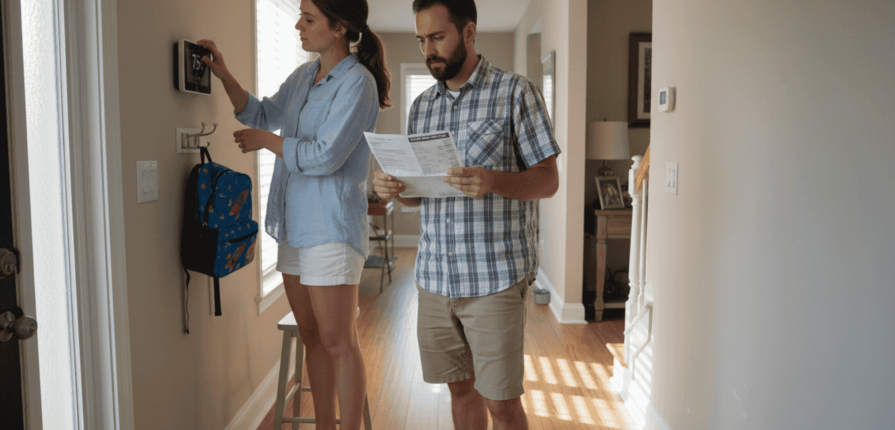
Your HVAC system consumes over 40% of your utility bill, yet most homeowners believe simply running the air conditioner harder will cool their home better. This misconception leads to wasted energy and inflated costs. Energy efficiency is the real key to reducing expenses while maintaining comfort in Central Florida’s demanding climate. Understanding how your HVAC system uses energy, what SEER ratings mean, and how proper installation affects performance can transform your monthly bills. This guide reveals practical strategies to maximize efficiency, cut costs, and improve comfort in your home or business.
Table of Contents
- How HVAC Energy Efficiency Impacts Your Utility Bills
- Understanding SEER Ratings And Their Effect On Energy Savings
- Importance Of Proper Installation And System Sizing For Efficiency
- Practical Tips To Maximize HVAC Energy Efficiency Daily
- Enhance Your HVAC Energy Efficiency With Expert Services
- Frequently Asked Questions
Key takeaways
| Point | Details |
|---|---|
| HVAC dominates energy bills | Air conditioning and heating account for the largest share of utility costs in Florida homes and businesses. |
| SEER ratings determine savings | Upgrading to higher efficiency systems can reduce cooling costs by up to 40% compared to older units. |
| Installation quality matters | Proper sizing and professional installation are essential to achieve rated efficiency and avoid energy waste. |
| Small adjustments save big | Each degree you raise your thermostat below 78°F can increase cooling costs by up to 8%. |
| Maintenance preserves efficiency | Regular filter changes and professional tune-ups keep systems running at peak performance levels. |
How HVAC energy efficiency impacts your utility bills
Your air conditioning and heating system represents the single largest energy expense in your home or business. In Florida, HVAC accounts for more than 40% of utility bills, making it the primary target for cost reduction. This percentage climbs even higher during summer months when air conditioners run constantly to combat heat and humidity.
Electricity rates in Florida compound this challenge. Residential rates averaged $0.1521 per kWh in 2023, sitting 1.19% above the national average. These rates continue trending upward in 2026, making every kilowatt-hour count. When nearly half your bill comes from cooling and heating, even small efficiency improvements translate to significant savings.
Energy efficiency directly reduces this massive slice of your monthly expenses. An efficient HVAC system delivers the same comfort using less electricity. The difference shows up immediately in lower utility bills. For small business owners, these savings can improve profit margins. For homeowners, the extra money stays in your pocket month after month.
Understanding your energy consumption patterns helps you prioritize improvements. Track your bills throughout the year to identify peak usage months. Compare your consumption to similar homes or businesses in your area. This baseline reveals where efficiency upgrades will deliver the biggest impact. The role HVAC plays in home comfort extends beyond temperature control to include air quality and humidity management, all while consuming substantial energy.
Consider these factors driving your HVAC energy consumption:
- System age and efficiency rating affect baseline energy use
- Home insulation quality determines how hard your system works
- Thermostat settings directly control runtime and costs
- Duct condition impacts how much cooled air actually reaches living spaces
- Maintenance status influences system performance and efficiency
Pro Tip: Install a smart meter or energy monitor to track real-time HVAC consumption. Seeing immediate feedback helps you understand how thermostat adjustments and system runtime affect your bill, making it easier to optimize settings for maximum savings.
Understanding SEER ratings and their effect on energy savings
SEER stands for Seasonal Energy Efficiency Ratio, measuring how efficiently an air conditioner converts electricity into cooling. The rating represents the total cooling output during a typical season divided by the total energy consumed. Higher SEER numbers indicate better efficiency and lower operating costs for the same amount of cooling.
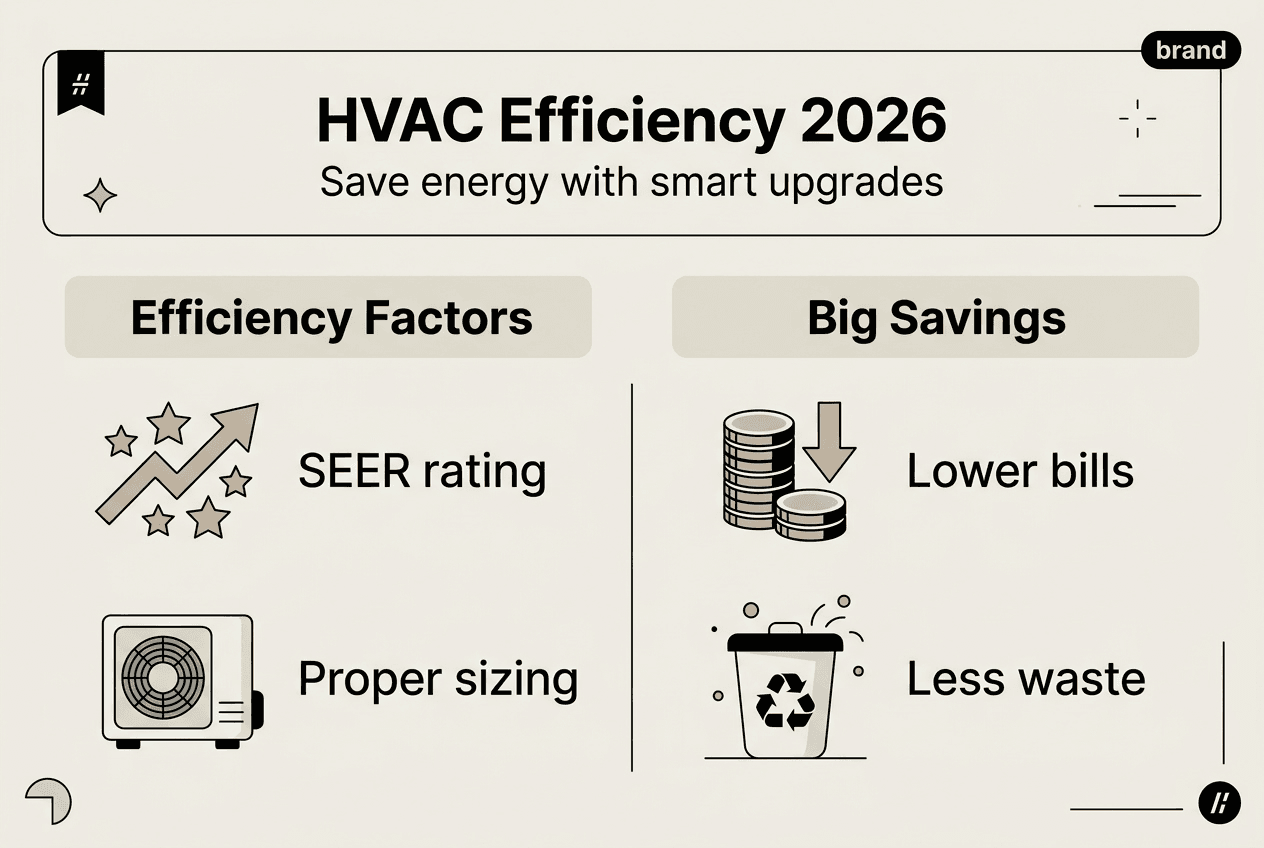
Think of SEER like miles per gallon in a car. A vehicle getting 30 MPG travels farther on the same tank than one getting 15 MPG. Similarly, a 16-SEER air conditioner delivers more cooling per dollar spent on electricity than an 8-SEER unit. The math is straightforward: higher efficiency means lower bills.
Upgrading from an older, inefficient system delivers substantial savings. Moving to a 15-SEER system can reduce air conditioning costs by up to 40% compared to units with SEER ratings below 10. This reduction applies to the cooling portion of your bill, which represents the majority of HVAC costs in Florida’s climate.
Here’s how different SEER ratings compare in real-world savings:
| Current SEER | Upgrade SEER | Estimated Savings | Annual Cost Reduction |
| — | — | — | |
| 8 | 14 | 43% | $430 on $1,000 cooling bill |
| 10 | 15 | 33% | $330 on $1,000 cooling bill |
| 12 | 16 | 25% | $250 on $1,000 cooling bill |
| 13 | 18 | 28% | $280 on $1,000 cooling bill |
The benefits of upgrading HVAC systems extend beyond immediate energy savings. Newer systems offer better humidity control, quieter operation, and improved air quality. They also come with warranties protecting your investment.
Modern high-efficiency systems typically range from 14 to 20+ SEER. The minimum SEER for new systems sold in Florida is 14, reflecting the state’s cooling demands. Premium systems reaching 18-20 SEER cost more upfront but deliver faster payback through energy savings. Calculate your break-even point by dividing the price premium by annual savings.
Pro Tip: Don’t chase the highest SEER number without considering your specific situation. A 16-SEER system with perfect installation often outperforms a poorly installed 18-SEER unit. Focus on finding the sweet spot between efficiency rating, installation quality, and total cost. Work with experienced contractors who understand how to match system capacity to your home’s actual cooling load for optimal performance.
Importance of proper installation and system sizing for efficiency
Your HVAC system’s rated SEER tells only part of the efficiency story. Operating efficiency relies on proper installation to achieve the performance rating printed on the label. Poor installation can reduce a high-efficiency system’s actual performance by 30% or more, erasing the benefits you paid for.
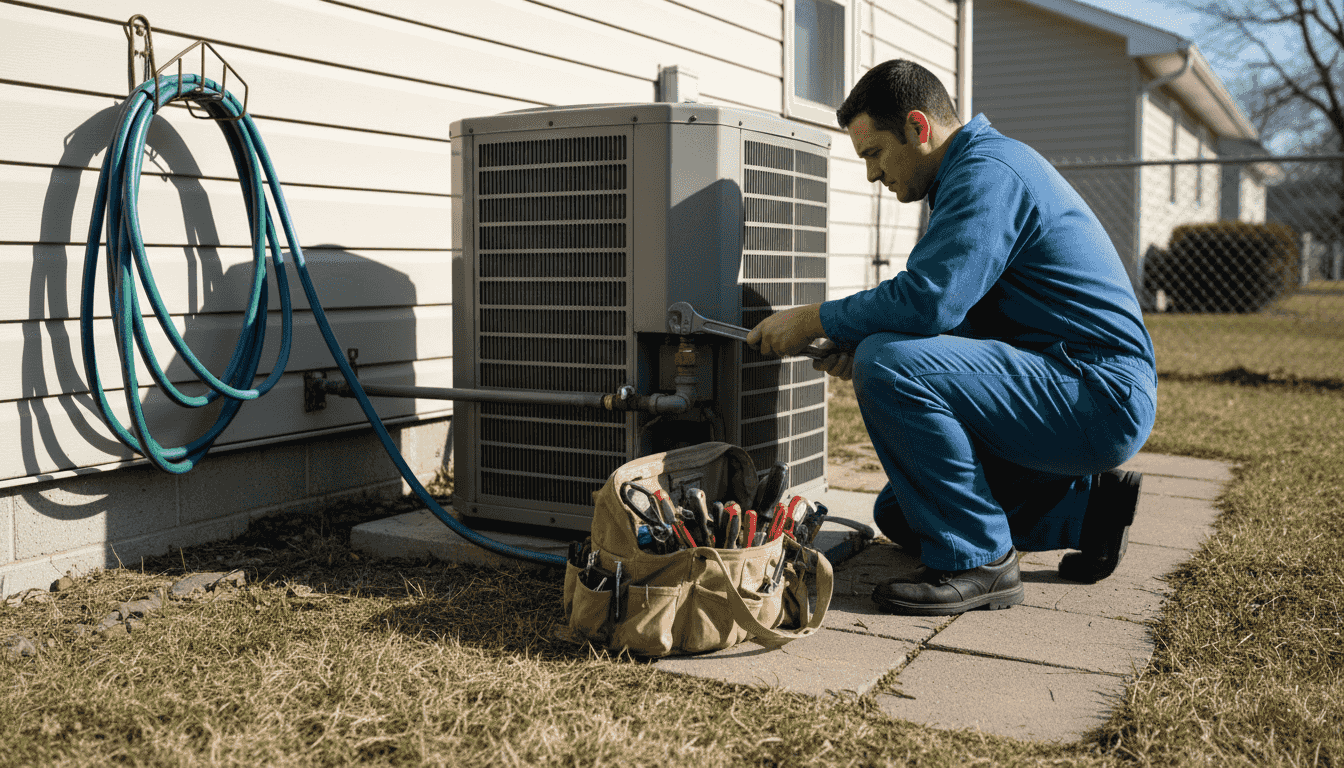
System sizing represents the most critical installation decision. Bigger is not better when it comes to air conditioners. Sizing close to actual cooling load provides better humidity control and typically results in energy savings compared to oversized units. An oversized system short-cycles, running in brief bursts that cool air quickly but fail to remove humidity effectively.
Short-cycling wastes energy in multiple ways. The system uses extra power during startup, the most energy-intensive phase of operation. Frequent on-off cycles prevent the unit from reaching peak efficiency. Your home feels clammy because the system shuts off before adequately dehumidifying. You end up lowering the thermostat to compensate, driving costs even higher.
Professional load calculations determine the right system size for your space. These calculations account for square footage, insulation levels, window area and orientation, ceiling height, and local climate data. Contractors using Manual J calculations can precisely match system capacity to your needs. Avoid any installer who sizes equipment based solely on square footage or replaces your old unit with the same size without performing calculations.
Proper installation involves multiple critical factors beyond sizing:
- Duct sealing prevents conditioned air from escaping into attics or crawl spaces
- Adequate insulation on ductwork maintains air temperature during distribution
- Correct refrigerant charge ensures optimal heat transfer and efficiency
- Proper airflow across coils maximizes cooling capacity
- Thermostat placement in representative locations provides accurate temperature readings
- System commissioning verifies all components operate as designed
The HVAC installation process requires technical expertise and attention to detail. Cutting corners during installation creates problems that persist throughout the system’s lifespan. Leaky ducts alone can waste 20-30% of cooled air before it reaches living spaces.
Common installation mistakes that kill efficiency include:
- Oversizing equipment to avoid callbacks, creating comfort and humidity problems
- Reusing old ductwork without sealing leaks or verifying adequate sizing
- Incorrect refrigerant charge due to rushed installation or inadequate training
- Poor airflow from kinked ducts, blocked returns, or undersized ductwork
- Thermostat installed in direct sunlight or near heat sources, causing false readings
Pro Tip: Always hire certified HVAC contractors with proven experience in Central Florida’s climate. Ask for references, verify licenses and insurance, and request a detailed load calculation before accepting any equipment recommendation. A quality installation costs more upfront but pays dividends through lower bills and better comfort for 15-20 years.
Practical tips to maximize HVAC energy efficiency daily
You control HVAC costs through daily choices and seasonal habits. Small adjustments compound into substantial savings over time. These practical strategies help you optimize efficiency without sacrificing comfort.
Thermostat management delivers the quickest savings. Every degree below 78°F increases cooling costs up to 8%. Setting your thermostat to 78°F when home and 82°F when away can cut cooling costs by 25-30% compared to keeping your home at 72°F constantly. Your body adapts to slightly warmer temperatures within a few days, making the adjustment easier than expected.
Programmable and smart thermostats automate these savings. Program higher temperatures during work hours and overnight when you’re sleeping under covers. Smart thermostats learn your schedule and adjust automatically. Some models connect to weather forecasts, pre-cooling your home before heat waves using off-peak electricity rates.
Filter maintenance represents the simplest efficiency task. Dirty filters restrict airflow, forcing your system to work harder and use more energy. Check filters monthly during heavy use periods. Replace standard filters every 30-90 days depending on dust levels, pets, and system runtime. Upgrading to higher-quality pleated filters improves air quality while maintaining efficiency.
Regular professional maintenance preserves system efficiency as equipment ages. Annual tune-ups catch small problems before they become expensive failures. Technicians clean coils, check refrigerant levels, test electrical connections, and verify proper airflow. Well-maintained systems maintain 95% of their original efficiency. Neglected systems lose 5% efficiency annually.
Duct sealing prevents energy waste in unconditioned spaces. Professional duct testing identifies leaks using pressure measurements. Sealing ducts in attics and crawl spaces can improve system efficiency by 20% or more. Insulating ductwork in hot attics prevents heat gain that forces your system to work harder.
Follow these five practices to optimize HVAC efficiency year-round:
- Set thermostats to 78°F or higher during cooling season, using ceiling fans to enhance comfort through air movement without lowering temperature.
- Replace air filters on schedule, marking your calendar or subscribing to filter delivery services that remind you when replacements are due.
- Schedule professional maintenance before cooling season starts, ensuring your system operates at peak efficiency during the highest-demand months.
- Use window treatments strategically, closing blinds on sun-facing windows during the hottest parts of the day to reduce cooling load.
- Eliminate phantom loads by ensuring outdoor units have clear airflow, trimming vegetation at least two feet away and removing debris that blocks condenser coils.
The HVAC preventative maintenance guide provides detailed steps for keeping your system running efficiently. Combining professional service with diligent homeowner maintenance maximizes equipment lifespan while minimizing operating costs.
Enhance your HVAC energy efficiency with expert services
Achieving optimal HVAC efficiency requires more than good intentions. Professional installation ensures your system meets its rated performance. Expert maintenance preserves efficiency as equipment ages. Upgrading to modern, high-efficiency systems delivers the biggest long-term savings.
Central Florida’s climate demands HVAC systems designed for constant cooling loads and high humidity. Professional contractors understand these regional requirements. They select equipment matched to your specific needs and install it correctly the first time. The HVAC installation guide for homeowners walks you through what to expect during professional installation.
Considering an upgrade? Learn why upgrading your HVAC system makes financial sense in 2026. Modern systems offer efficiency levels impossible just a decade ago. Combined with proper installation and ongoing maintenance, these systems deliver comfort and savings for years. The HVAC preventative maintenance guide helps you protect your investment through regular care.
Frequently asked questions
What does SEER mean and why is it important?
SEER stands for Seasonal Energy Efficiency Ratio, measuring how much cooling your air conditioner produces per unit of electricity consumed. Higher SEER ratings indicate more efficient systems that cost less to operate. A 16-SEER system uses roughly half the electricity of an 8-SEER unit to deliver the same cooling, translating directly to lower monthly bills.
How much can I save by upgrading my HVAC system?
Upgrading to a 15-SEER system can reduce air conditioning costs by up to 40% compared to older, inefficient units. Your actual savings depend on your current system’s SEER rating, how many hours it runs annually, and local electricity rates. Most homeowners in Central Florida see payback within 5-8 years through reduced utility bills, with continued savings throughout the system’s 15-20 year lifespan.
What role does proper installation play in HVAC efficiency?
Proper installation ensures your HVAC system achieves its rated efficiency rather than underperforming due to technical errors. Correct sizing prevents short-cycling and humidity problems. Sealed ductwork delivers conditioned air to living spaces instead of wasting it in attics. Accurate refrigerant charge and airflow optimization maximize heat transfer efficiency. Poor installation can reduce a high-efficiency system’s actual performance by 30% or more.
What simple steps can I take to improve my HVAC efficiency daily?
Set your thermostat to 78°F or higher when home, raising it further when away to reduce runtime. Replace air filters every 30-90 days to maintain proper airflow and system efficiency. Schedule annual professional maintenance to catch problems early and keep components clean. Use programmable thermostats to automate temperature adjustments based on your schedule. Seal ductwork and ensure outdoor units have clear airflow for optimal performance.
