
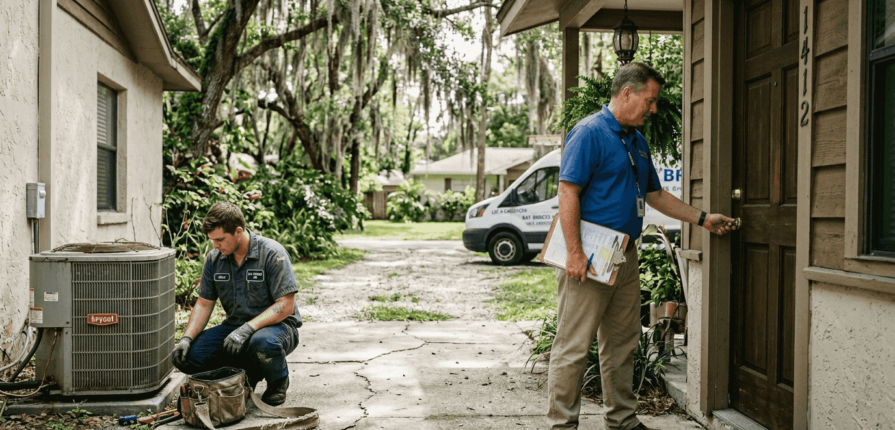
Owning rental property in Central Florida means managing a climate where temperatures regularly exceed 90°F with humidity levels that make indoor comfort impossible without air conditioning. Yet many landlords remain unclear about their legal obligations regarding HVAC systems and how these systems directly impact tenant satisfaction, retention, and property value. Understanding the role HVAC plays in home comfort transforms maintenance from a reactive expense into a strategic investment that protects your rental income and reduces costly emergency repairs while keeping tenants happy year round.
Table of Contents
- Why HVAC Matters In Central Florida Rental Properties
- Landlord Responsibilities And Legal Considerations For HVAC In Florida Rentals
- Ensuring Optimal HVAC System Design, Installation, And Maintenance In Rentals
- Best Practices For Managing HVAC In Rental Properties
- Enhance Your Rental Property’s HVAC With Expert Support
- FAQ
Key takeaways
| Point | Details |
|---|---|
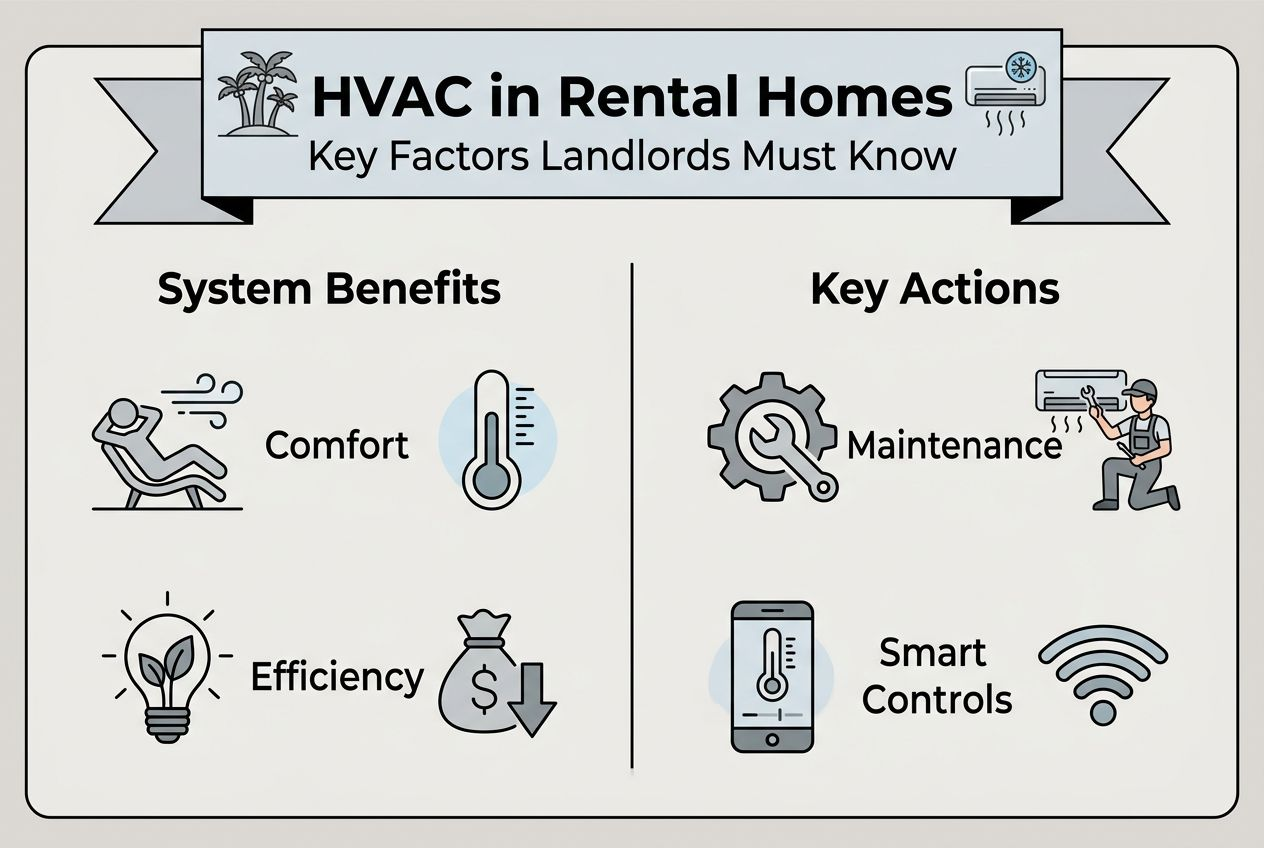
| HVAC impacts tenant comfort and property value | Proper cooling systems directly affect tenant satisfaction, retention rates, and your property’s market appeal in Florida’s demanding climate. |
| Florida law requires maintenance, not provision | Landlords must maintain any AC unit included in the lease agreement but are not legally required to install air conditioning in rental properties. |
| Regular maintenance extends system life | Scheduled inspections, filter changes, and professional tune-ups reduce energy costs by up to 20% while preventing expensive emergency breakdowns. |
| Programmable thermostats save money | Smart temperature controls give tenants comfort flexibility while reducing energy consumption and lowering utility expenses for all parties. |
| Clear lease terms prevent disputes | Explicitly defining HVAC maintenance responsibilities and repair procedures in rental agreements eliminates confusion and protects both landlords and tenants. |
Why HVAC matters in Central Florida rental properties
Florida’s subtropical climate creates indoor conditions that are simply unbearable without mechanical cooling. Summer temperatures combined with oppressive humidity levels make air conditioning essential for basic habitability rather than a luxury amenity. Tenants expect reliable cooling, and properties without functioning HVAC systems face extended vacancies and difficulty attracting quality renters willing to pay competitive rates.
Proper HVAC systems do far more than lower temperatures. They control indoor humidity levels that prevent mold growth, reduce allergens, and create healthier living environments. Poor air quality from inadequate ventilation or failing equipment contributes to respiratory problems, allergic reactions, and general discomfort that drives tenants to seek better housing options. Your HVAC system directly affects tenant health and well-being in ways that impact retention and reduce turnover costs.
The financial implications extend beyond tenant satisfaction. Properties with well maintained cooling systems command higher rents, experience fewer vacancy periods, and attract responsible tenants who value comfortable living conditions. Conversely, HVAC failures during peak summer months create emergency situations requiring immediate attention. Heat-related illnesses claim hundreds of lives each year nationwide, underscoring the serious health risks when cooling systems fail in hot climates.
Consider these critical impacts of HVAC on rental property success:
- Tenant retention improves dramatically when indoor comfort remains consistent throughout the year
- Energy efficient systems reduce utility costs, making your property more attractive to budget conscious renters
- Regular maintenance prevents catastrophic failures that require expensive emergency repairs
- Modern HVAC equipment increases property value and justifies premium rental rates
Investing in quality HVAC performance protects your property value while creating living conditions that tenants appreciate enough to renew leases year after year. The cost of maintaining cooling systems pales in comparison to lost rental income from vacancies, tenant turnover expenses, and emergency repair bills that result from neglected equipment.
Landlord responsibilities and legal considerations for HVAC in Florida rentals
Florida law creates specific obligations for landlords regarding air conditioning in rental properties. While AC is not legally required but must be maintained if included in the lease agreement, this distinction matters tremendously for property owners. You can legally rent a property without air conditioning, but once you provide cooling equipment, you assume responsibility for keeping it operational.
The implied warranty of habitability requires landlords to maintain essential services that affect health and safety. In Florida’s climate, a broken air conditioner during summer months can render a property uninhabitable. Landlords generally have seven days to repair AC after notification, though emergency situations may require faster response times to avoid liability issues.
Your lease agreement should explicitly define HVAC responsibilities to prevent disputes. Specify who handles routine maintenance tasks like filter changes versus major repairs requiring professional service. Clear documentation protects both parties when questions arise about equipment failures or maintenance neglect. Include provisions addressing:
- Tenant obligations for basic upkeep such as monthly filter replacement and keeping outdoor units clear
- Landlord responsibilities for professional inspections, repairs, and equipment replacement
- Notification procedures when HVAC problems occur
- Timeframes for addressing repair requests
- Consequences for tenant negligence that damages equipment
Document every maintenance activity and repair with dated records, invoices, and photographs. This documentation proves compliance with legal obligations if disputes escalate to court proceedings. Keep detailed logs showing when you performed seasonal HVAC tune-ups and responded to tenant repair requests.
Follow these steps to manage HVAC legal obligations effectively:
- Include detailed HVAC clauses in every lease agreement specifying maintenance responsibilities
- Conduct thorough HVAC inspections before new tenants move in and document equipment condition
- Respond promptly to repair requests with written acknowledgment and estimated completion dates
- Maintain records of all service calls, repairs, and preventative maintenance activities
- Schedule annual professional inspections using a home HVAC maintenance checklist to catch problems early
Tenants bear responsibility for operating equipment properly and performing basic care outlined in lease terms. Damage resulting from negligence, such as running the system with extremely dirty filters or blocking airflow, may justify charging repair costs to tenants. However, normal wear and replacement of aging equipment remains the landlord’s financial responsibility.
Ensuring optimal HVAC system design, installation, and maintenance in rentals
Proper system sizing makes the difference between efficient cooling and constant problems. Undersized units run continuously without adequately cooling the space, while oversized equipment cycles on and off too frequently, failing to remove humidity effectively. HVAC system design and installation critically affect performance and tenant satisfaction, making professional load calculations essential before equipment selection.
Central Florida’s climate demands systems with robust cooling capacity and superior dehumidification features. High humidity levels require equipment that removes moisture efficiently while maintaining comfortable temperatures. Split systems with variable speed air handlers provide better humidity control than single stage units, though they cost more initially. The investment pays dividends through improved comfort, lower energy bills, and extended equipment life.
Maintenance directly impacts system performance and longevity. Regular maintenance reduces energy costs by up to 20% and extends system lifespan significantly compared to neglected equipment. Simple tasks like monthly filter changes prevent airflow restrictions that force systems to work harder, consuming more energy while delivering less cooling.
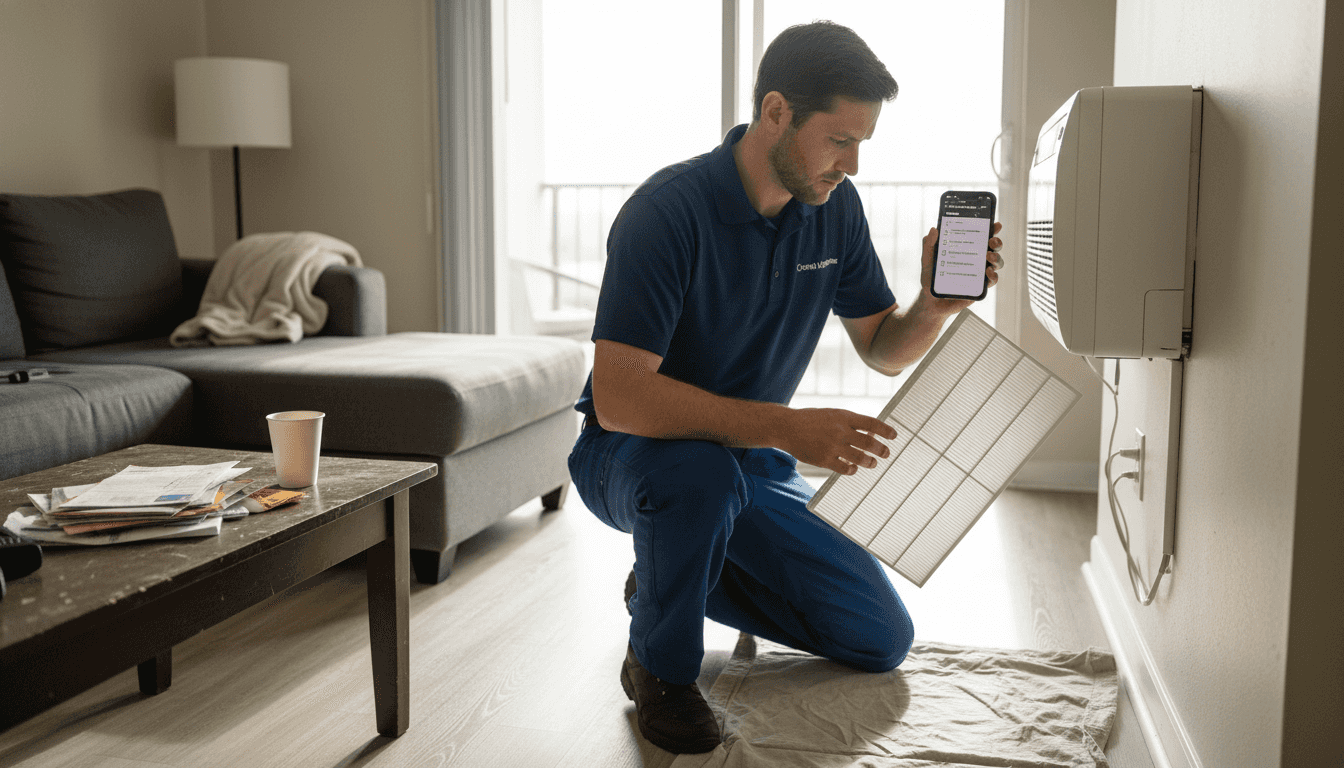
Compare maintenance approaches to understand cost implications:
| Maintenance Strategy | Annual Cost | System Lifespan | Emergency Repairs | Tenant Satisfaction |
|---|---|---|---|---|
| Reactive (repairs only) | $800-1200 | 8-10 years | Frequent | Low |
| Basic (seasonal tune-ups) | $400-600 | 12-15 years | Occasional | Moderate |
| Comprehensive (quarterly service) | $600-900 | 15-20 years | Rare | High |
Professional maintenance includes tasks beyond tenant capabilities. Technicians check refrigerant levels, clean evaporator and condenser coils, inspect electrical connections, test capacitors, and verify proper airflow throughout the system. These services prevent gradual performance decline that tenants may not notice until the system fails completely during the hottest days of summer.
Programmable smart thermostats offer significant benefits for rental properties. Tenants gain convenient temperature control through smartphone apps while you benefit from energy savings and usage monitoring. Some models provide maintenance reminders and alert you to potential problems before they become emergencies. The relatively small investment in quality thermostats pays back through reduced energy consumption and improved system care.
Pro Tip: Schedule HVAC maintenance during spring before cooling season begins and again in fall before heating needs arise. This timing catches problems when repair demand is lower, often resulting in faster service and better pricing than emergency calls during peak seasons.
Key maintenance tasks that protect your investment include:
- Replace air filters monthly during heavy use periods or every three months minimum
- Clean outdoor condenser coils annually to maintain heat transfer efficiency
- Verify proper refrigerant charge and repair any leaks immediately
- Inspect and clean condensate drain lines to prevent water damage
- Test thermostat accuracy and calibrate as needed for proper temperature control
Investing in quality HVAC installation and ongoing maintenance creates rental properties that attract and retain quality tenants while minimizing your long term ownership costs. The benefits of upgrading HVAC systems extend beyond immediate comfort improvements to include higher property values and reduced operating expenses that improve your bottom line year after year.
Best practices for managing HVAC in rental properties
Successful landlords implement proactive strategies that prevent problems rather than simply reacting to tenant complaints. Your lease agreement serves as the foundation for clear communication about HVAC responsibilities. Include specific clauses addressing filter replacement schedules, thermostat settings during vacancy periods, and procedures for reporting cooling problems. Ambiguity creates disputes, while clarifying HVAC responsibilities in leases and scheduling routine maintenance reduces conflicts significantly.
Document the HVAC system’s condition when tenants move in using photographs, written descriptions, and test results from recent professional inspections. This baseline record protects you from claims about pre-existing problems and helps identify damage caused by tenant negligence. Include HVAC condition in your standard move in checklist alongside other property features.
Schedule professional inspections and tune-ups at regular intervals regardless of whether tenants report problems. Preventative maintenance catches minor issues before they escalate into expensive repairs or complete system failures. Most HVAC contractors offer maintenance agreements that provide priority service, discounted repairs, and scheduled visits that keep your equipment running efficiently.
Follow this systematic approach to HVAC management:
- Conduct thorough HVAC inspection before listing vacant properties and address any deficiencies
- Include detailed HVAC responsibilities and maintenance requirements in lease agreements
- Provide new tenants with written instructions for filter replacement and basic system care
- Schedule professional maintenance visits twice annually, coordinating with tenants in advance
- Respond to repair requests within 24 hours and complete necessary work within legal timeframes
- Keep detailed records of all maintenance activities, repairs, and tenant communications
Tenant education prevents many common HVAC problems. Provide simple instructions explaining proper thermostat use, the importance of regular filter changes, and signs that indicate professional service is needed. Many tenants lack experience with HVAC systems and genuinely don’t understand how their actions affect equipment performance. A brief orientation during move in can prevent problems that result from ignorance rather than negligence.
Programmable thermostats can reduce energy consumption significantly when tenants understand how to use them effectively. Show tenants how to set schedules that maintain comfort while avoiding energy waste. Some landlords include utility costs in rent and use smart thermostats to monitor usage patterns and identify potential equipment problems through unusual consumption patterns.
Pro Tip: Create a simple one page HVAC guide for tenants covering filter replacement, thermostat basics, and when to call for professional service. Include photos showing filter location and installation direction, plus your preferred method for reporting HVAC problems. This small investment in tenant education prevents countless service calls and extends equipment life.
Consider these additional strategies that successful rental property owners implement:
- Keep spare filters on hand and provide them to tenants quarterly with reminder notices
- Install filter alert systems that notify tenants when replacement is overdue
- Schedule maintenance visits during lease renewals to verify system condition
- Build HVAC replacement reserves into your property budget for aging equipment
- Develop relationships with reliable HVAC contractors who provide priority service
Partnering with experienced air conditioning services for rental properties ensures you have professional support when problems arise. Established relationships with quality contractors mean faster response times, fair pricing, and technicians who understand your properties and equipment. Using a comprehensive HVAC preventative maintenance guide helps you track service history and plan for future equipment needs.
Enhance your rental property’s HVAC with expert support
Managing HVAC systems across multiple rental properties demands reliable professional partnerships that deliver consistent quality service. You need contractors who respond promptly to tenant comfort issues, provide honest assessments of equipment condition, and complete repairs correctly the first time. Professional maintenance keeps your properties comfortable and compliant with legal obligations while protecting your investment through early problem detection.
Expert HVAC services transform system management from a reactive burden into a strategic advantage. Regular inspections identify efficiency improvements that reduce operating costs, while planned upgrades enhance tenant satisfaction and justify premium rental rates. Whether you need comprehensive maintenance programs, emergency repairs, or system replacements, working with experienced local contractors ensures your properties receive the attention they deserve. Explore detailed guidance on the HVAC repair workflow to understand professional service processes, review available HVAC repair services that address common rental property issues, or learn about HVAC system upgrades that improve efficiency and tenant comfort while increasing property value.
FAQ
Are landlords required to provide air conditioning in Florida rentals?
Florida law does not mandate that landlords install air conditioning in rental properties. However, if you include AC in the lease agreement or the unit was present when the tenant moved in, you must maintain it in working condition. This legal distinction means you can rent properties without cooling systems, but once provided, the equipment becomes your responsibility to repair and maintain throughout the tenancy.
What maintenance responsibilities do tenants have for HVAC systems?
Tenants must operate HVAC equipment properly, keep accessible components clean, and replace air filters according to lease terms, typically monthly. They should avoid blocking vents, maintain reasonable thermostat settings, and report problems promptly when cooling performance declines. Lease agreements should specify these basic care requirements, and landlords can charge tenants for repairs needed due to negligence such as running systems with severely clogged filters or damaging equipment through misuse.
How can landlords ensure HVAC systems meet tenant comfort and legal requirements?
Regular professional inspections and preventative maintenance prevent equipment failures that create legal liability and tenant dissatisfaction. Schedule tune-ups twice annually before cooling and heating seasons to catch problems early when repairs cost less and technicians have better availability. Clear lease terms defining HVAC responsibilities, combined with prompt responses to repair requests and thorough documentation of all maintenance activities, reduce disputes and demonstrate your commitment to providing habitable living conditions that meet Florida’s legal standards.
How long do landlords have to repair broken air conditioning in Florida?
Landlords typically have seven days to complete AC repairs after receiving proper notification from tenants, though this timeframe can vary based on the severity of the problem and local ordinances. During extreme heat conditions that create health hazards, courts may expect faster responses to avoid liability for tenant injuries or property damage. Document all repair requests immediately and communicate realistic completion timelines to tenants while arranging professional service as quickly as possible to maintain good landlord tenant relationships and legal compliance.
