
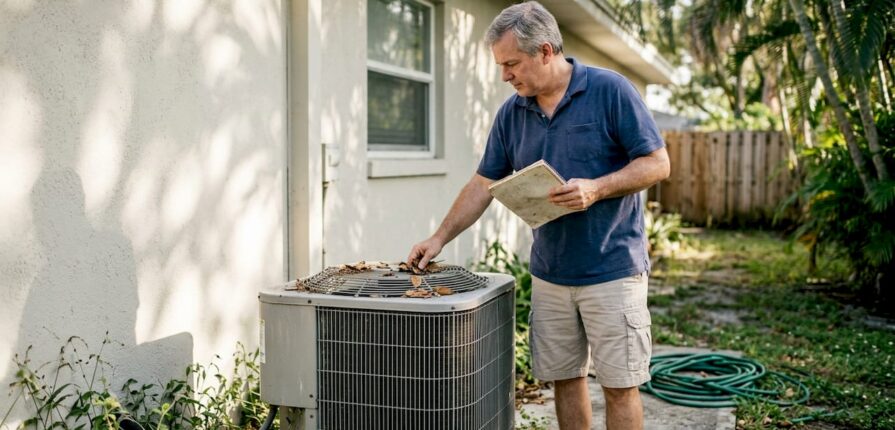
Sweltering summers and relentless humidity make Central Florida one of the toughest climates for HVAC systems. If your air conditioner struggles to keep up, your energy bills climb each month, or your system is over a decade old, you’re likely facing expensive repairs or total failure soon. Upgrading your HVAC system isn’t just about comfort. It’s about cutting energy costs, improving indoor air quality, and avoiding emergency breakdowns during peak heat. This guide walks you through every step of upgrading your HVAC system in Central Florida, from recognizing when it’s time to replace your equipment to measuring your savings after installation.
Table of Contents
- Key takeaways
- Understanding when and why to upgrade your HVAC system
- Preparing effectively: How to evaluate your HVAC system needs
- Step-by-step execution: Upgrading your HVAC system for efficiency and comfort
- Verifying success: Measuring savings and maintaining your upgraded HVAC system
- Get professional help with your HVAC upgrade in Central Florida
- Frequently asked questions
Key Takeaways
| Point | Details |
|---|---|
| Lifespan in Florida | In Central Florida, HVAC units typically last 10 to 15 years, but coastal properties often reduce to 8 to 12 years due to salt exposure. |
| Repair vs replacement rule | Multiply your system age by the estimated repair cost, and if the result exceeds five thousand dollars, replacement is usually the wiser choice. |
| R 22 refrigerant issue | R 22 refrigerant systems face expensive repairs or replacement because the refrigerant is phased out and newer systems use refrigerants like R 410A. |
| Proper sizing with Manual J | A proper load calculation using Manual J ensures the new system is correctly sized for your home, preventing oversizing or undersizing that wastes energy. |
| Costs and incentives | Replacement costs in Central Florida typically run from about four thousand to twelve thousand dollars and rebates, tax credits, and financing options can offset about forty to fifty percent. |
Understanding when and why to upgrade your HVAC system
Central Florida’s climate pushes HVAC systems harder than almost anywhere else in the country. High heat, constant humidity, and salt air near the coast accelerate wear and tear. HVAC systems last 10-15 years in this region, but coastal properties often see lifespans drop to 8-12 years due to corrosion from salt exposure. If your system is approaching or past this age, you’re entering the danger zone for breakdowns and inefficiency.
Use the $5,000 rule to decide between repair and replacement. Multiply your system’s age by the estimated repair cost. If the result exceeds $5,000, replacement makes more financial sense. A 12-year-old system needing a $600 repair equals $7,200, signaling it’s time to upgrade. This rule helps you avoid pouring money into equipment that will fail again soon.
Outdated refrigerants add another layer of urgency. Systems using R-22 refrigerant face expensive repairs because this refrigerant is phased out and increasingly scarce. If your system uses R-22 and needs a major repair, replacement is the only practical option. Modern systems use R-410A or newer refrigerants that are more efficient and environmentally friendly.
Watch for these warning signs that indicate your system needs replacement:
- Uneven temperatures between rooms or floors
- Rising energy bills despite similar usage patterns
- Frequent cycling on and off without reaching set temperature
- Excessive humidity indoors even when the system runs
- Strange noises like grinding, squealing, or banging
Replacement costs in Central Florida range from $4,000 for basic single-zone systems to $12,000 or more for high-efficiency multi-zone setups. Commercial systems vary widely based on building size and complexity. However, utility rebates, federal tax credits, and PACE financing can offset 40-50% of these costs, making upgrades more affordable than many homeowners expect.
Understanding why upgrade your HVAC system matters most when you’re facing repair decisions. The difference between a $500 repair today and a $5,000 emergency replacement next summer often comes down to making informed choices now.
Preparing effectively: How to evaluate your HVAC system needs
Before spending a dollar on new equipment, you need accurate data about your home’s cooling requirements. The Manual J load calculation is the industry standard for determining proper system size. This calculation accounts for your home’s square footage, insulation levels, window types, orientation, and occupancy patterns. Skipping this step leads to oversized or undersized systems that waste energy and fail to control humidity properly.
Oversized systems are particularly problematic in Florida. They cool spaces too quickly without running long enough to remove humidity, leaving your home feeling clammy and uncomfortable. Undersized systems run constantly, driving up energy bills and wearing out components faster. A proper load assessment ensures you get equipment matched to your actual needs.
Pro Tip: Request a detailed Manual J report from any contractor proposing a system replacement. If they estimate size based solely on square footage or existing equipment, find another contractor. Proper sizing requires comprehensive analysis.
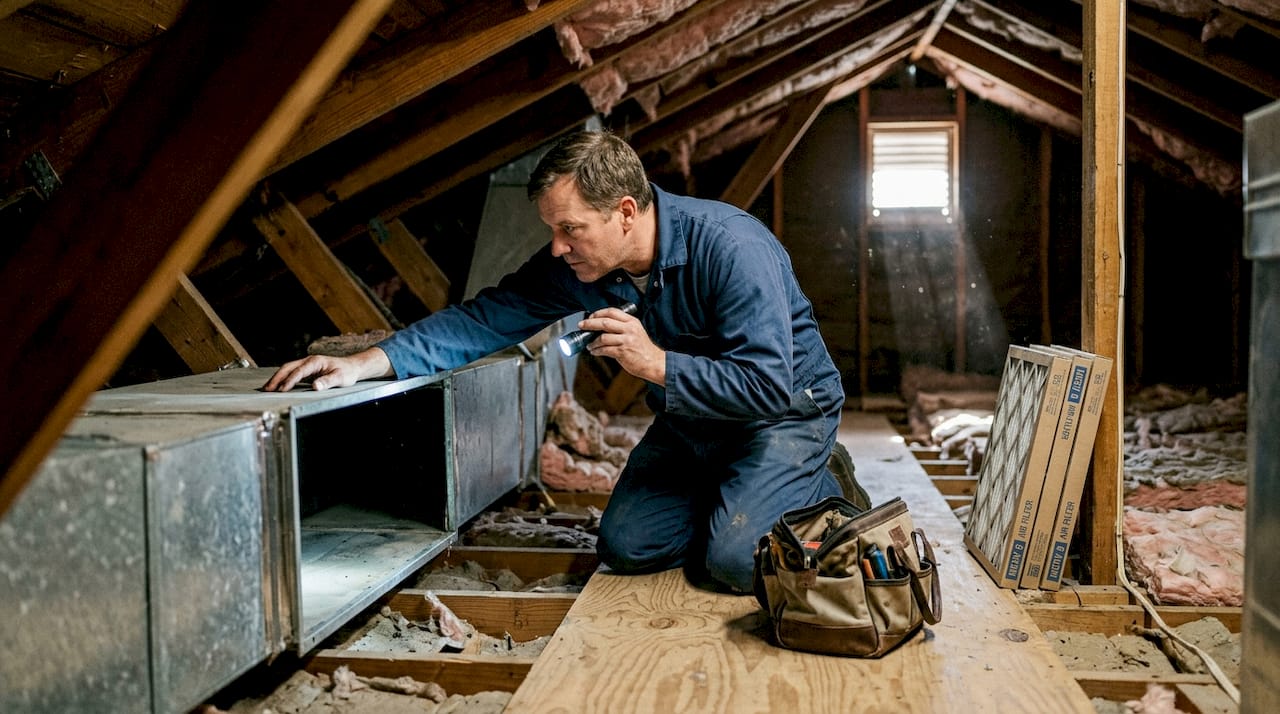
Next, evaluate your ductwork condition. Duct leakage above 25% destroys efficiency gains from even the best new equipment. Have a professional perform a duct blaster test to measure leakage rates. If leakage exceeds 25%, sealing and insulating ducts should be your first priority before upgrading equipment.
| Assessment Type | What It Measures | Why It Matters |
|---|---|---|
| Manual J calculation | Precise cooling load requirements | Prevents over/undersizing that wastes energy |
| Duct blaster test | Air leakage percentage in ductwork | Identifies efficiency losses before equipment upgrade |
| Electrical panel review | Capacity for new equipment | Ensures infrastructure supports modern systems |
| Structural inspection | Attic access, equipment placement | Confirms installation feasibility and costs |
Decide between retrofit and full replacement based on these factors:
- System age and condition: If under 10 years with sound structure, retrofit may work
- Duct system quality: Sealed ducts in good condition support equipment upgrades
- Electrical capacity: Modern systems need adequate panel capacity and dedicated circuits
- Refrigerant type: R-22 systems require full replacement regardless of age
- Budget constraints: Phased retrofits spread costs while delivering measurable savings
Consider ductless mini-split systems if your ductwork is severely compromised or you’re adding conditioned space. These systems eliminate duct losses entirely and offer precise zone control. They work especially well for additions, converted garages, or multi-story homes with temperature balance issues.
Understanding the role of HVAC systems Florida climate demands helps you appreciate why proper assessment matters so much. The equipment that works perfectly in Atlanta or Charlotte may fail miserably here without proper sizing and installation.
Prepare for electrical and structural requirements early. Modern high-efficiency systems often need upgraded electrical panels or dedicated circuits. Multi-zone systems require additional space for air handlers and controls. Identifying these needs during assessment prevents costly surprises during installation.
Step-by-step execution: Upgrading your HVAC system for efficiency and comfort
Start with equipment selection focused on Florida’s unique climate demands. Heat pumps outperform traditional air conditioners here because they provide both cooling and efficient heating for the occasional cold snap. Look for units with SEER2 ratings of 16 or higher and variable-speed compressors that adjust output to match demand precisely.
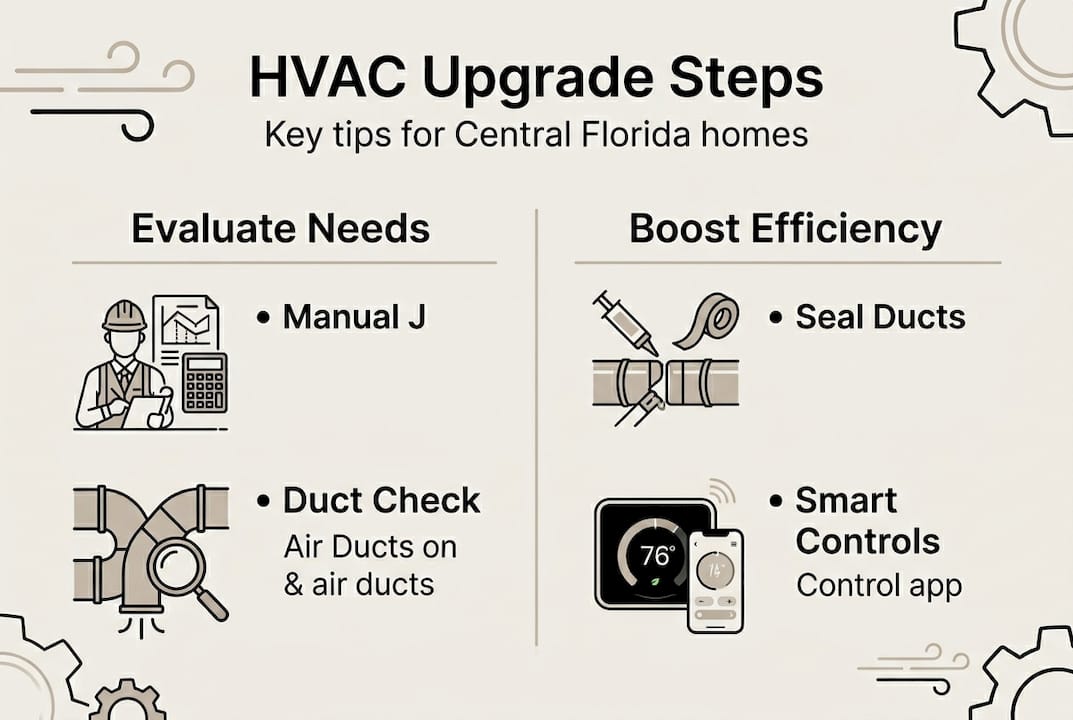
Variable-speed technology delivers three major benefits. First, it maintains more consistent temperatures by running longer at lower speeds instead of cycling on and off. Second, it removes more humidity because longer run times allow better moisture extraction. Third, it cuts energy use by 20-30% compared to single-stage systems because it runs at partial capacity most of the time.
Follow this implementation sequence for best results:
- Seal and insulate ductwork to eliminate the biggest efficiency losses
- Install programmable or smart thermostats with humidity control
- Add zoning controls if you have multi-story or large spaces
- Replace outdoor and indoor units with properly sized high-efficiency equipment
- Commission the system with airflow testing and refrigerant charge verification
For commercial properties, VFDs deliver 20-40% energy savings by allowing fans and pumps to operate at variable speeds matched to actual demand. Installing VFDs on existing equipment often provides the fastest payback of any efficiency upgrade, sometimes under two years.
Duct sealing deserves special attention because it’s the most cost-effective upgrade available. Professional aeroseal or mastic sealing typically costs $1,500-$3,000 but can reduce cooling costs by 20-30% immediately. This upgrade pays for itself in 2-3 years and makes any subsequent equipment upgrade far more effective.
Pro Tip: Schedule duct sealing before new equipment installation. This ensures your contractor sizes the new system based on your actual post-sealing load, not the inflated requirements caused by leaky ducts.
Smart controls and zoning transform comfort and efficiency in larger homes and commercial buildings. Modern systems learn your schedule, adjust for occupancy, and optimize runtime to minimize energy use while maintaining comfort. Zoning allows you to condition only occupied spaces, cutting waste dramatically in buildings with variable occupancy patterns.
| Upgrade Type | Typical Cost | Energy Savings | Payback Period |
|---|---|---|---|
| Duct sealing | $1,500-$3,000 | 20-30% | 2-3 years |
| Smart thermostat | $200-$500 | 10-15% | 1-2 years |
| High-SEER2 heat pump | $4,000-$8,000 | 30-40% | 5-8 years |
| Zoning system | $2,000-$4,000 | 15-25% | 4-6 years |
Phased implementation works well when budget constraints prevent a complete overhaul. Start with low-cost, high-impact fixes like duct sealing and smart controls. These deliver immediate savings that help fund equipment replacement later. This approach also lets you verify savings at each stage, building confidence in the overall investment.
The role of HVAC in home comfort extends beyond temperature control. Proper humidity management, air filtration, and consistent airflow all depend on correctly sized, properly installed equipment. Rushing installation or cutting corners on any step compromises all these benefits.
Insist on proper commissioning after installation. This includes verifying correct airflow at each register, checking refrigerant charge, testing all controls and safety devices, and documenting baseline performance. Commissioning catches installation errors before they cause problems and establishes performance benchmarks for future comparison.
Verifying success: Measuring savings and maintaining your upgraded HVAC system
Track energy consumption before and after your upgrade to quantify savings. Compare kilowatt-hour usage from utility bills during similar weather periods. Phased retrofits achieve up to 40% whole-house energy savings when properly executed, but individual results vary based on starting conditions and upgrade scope.
Expect these typical savings benchmarks:
- Duct sealing alone: 20-30% reduction in cooling costs
- High-efficiency equipment replacement: 30-40% reduction
- Combined duct sealing and equipment upgrade: 40-50% reduction
- Commercial retrofits with VFDs and controls: 20-40% reduction
Monitor comfort indicators alongside energy data. Consistent temperatures throughout your home, lower indoor humidity levels, and reduced system runtime all signal successful upgrades. If you’re not seeing these improvements, contact your contractor to investigate potential installation issues.
Establish a preventative maintenance schedule immediately after installation. New systems need regular attention to maintain peak efficiency. Schedule professional tune-ups twice yearly, before cooling season and before heating season. These visits should include filter changes, coil cleaning, refrigerant level checks, and electrical connection inspection.
Pro Tip: Sign up for a maintenance plan that includes priority service and discounted repairs. Regular maintenance extends system life by 3-5 years and prevents 80% of common breakdowns. The HVAC preventative maintenance guide details exactly what each service should include.
| Maintenance Task | Frequency | DIY or Professional |
|---|---|---|
| Filter replacement | Monthly during peak use | DIY |
| Coil cleaning | Twice yearly | Professional |
| Refrigerant check | Annually | Professional |
| Duct inspection | Every 3-5 years | Professional |
| Control calibration | Annually | Professional |
Maximize your return by stacking available incentives. Federal tax credits, utility rebates, and PACE financing programs can offset 40-50% of upgrade costs. Research programs before purchasing to ensure you meet all eligibility requirements. Some rebates require pre-approval or specific contractor certification.
Avoid these common pitfalls that undermine efficiency gains:
- Neglecting filter changes allows dust buildup that restricts airflow
- Setting thermostats too low wastes energy without improving comfort
- Blocking supply or return vents disrupts system balance
- Skipping annual maintenance allows small issues to become major failures
- Ignoring unusual sounds or performance changes until breakdown occurs
Document all maintenance, repairs, and performance data. This record helps identify developing problems early and provides valuable information if you sell your property. Many buyers pay premium prices for homes with well-maintained, high-efficiency HVAC systems and complete service records.
Realistic payback periods range from 5-10 years for complete system replacements, but individual components often pay back much faster. Duct sealing and smart controls typically recover costs in 1-3 years. Factor in avoided emergency repairs and improved comfort when calculating true return on investment.
Get professional help with your HVAC upgrade in Central Florida
Upgrading your HVAC system delivers the best results when you work with experienced professionals who understand Central Florida’s unique climate challenges. Lucas Air Conditioning and Heating guides you through every step, from initial assessment and load calculations to equipment selection, installation, and ongoing maintenance. Our team serves homeowners and businesses throughout Lake County and surrounding communities, bringing veteran-owned expertise and commitment to every project.
We help you navigate rebate programs, select the right equipment for your specific needs, and ensure proper installation that maximizes efficiency and comfort. Whether you need a trusted HVAC contractor The Villages residents rely on or a professional HVAC contractor Tavares businesses trust, our comprehensive HVAC services cover everything from emergency repairs to complete system replacements and preventative maintenance plans.
Frequently asked questions
How long does an HVAC system last in Central Florida?
Systems last 10-15 years in Central Florida under typical conditions. Coastal properties experience shorter lifespans of 8-12 years due to salt air corrosion that accelerates component deterioration. Regular maintenance, prompt repairs, and protection from the elements help maximize system longevity regardless of location.
What is the best way to improve energy efficiency when upgrading HVAC?
Start with a Manual J calculation to ensure proper sizing, then seal ductwork to eliminate the biggest efficiency losses. Select high-SEER2 heat pumps with variable-speed compressors for superior humidity control and energy performance. Smart controls and zoning further optimize efficiency by conditioning only occupied spaces when needed.
Are there rebates or incentives for HVAC upgrades in Central Florida?
Utility companies offer rebates ranging from $45 to several hundred dollars for qualifying high-efficiency equipment. Federal tax credits up to $2,000 apply to heat pumps meeting efficiency standards. PACE financing programs allow you to spread costs over time through property tax assessments. Combining these incentives can offset 40-50% of total upgrade costs.
How do I know if I should retrofit or fully replace my HVAC system?
Retrofit if your system is under 15 years old, structurally sound, and uses modern refrigerant. Replace if over 15 years old, experiencing major component failure, or using R-22 refrigerant. Also consider replacement if ductwork is severely compromised or your home has undergone major renovations that changed cooling requirements significantly.
