
Central Florida homeowners know the struggle of sky-high energy bills, especially when your HVAC system runs nearly year-round. With 2026 bringing both rising energy costs and advanced efficiency technologies, now is the perfect time to optimize your heating and cooling systems. This guide delivers expert-backed strategies to slash your energy consumption, extend equipment lifespan, and keep your home comfortable without breaking the bank. From simple maintenance tasks to strategic upgrades, you’ll discover actionable tips tailored specifically for our humid subtropical climate.
Table of Contents
- Key takeaways
- Evaluating your HVAC system: criteria for energy savings
- Top energy-saving HVAC tips for Central Florida homes
- Comparing upgrade options: equipment and technology
- Making the right decision for your property and budget
- Get expert help with your HVAC energy savings
- Frequently asked questions
Key Takeaways
| Point | Details |
|---|---|
| Regular tune ups | Schedule professional HVAC tune ups twice yearly before peak seasons to keep components clean and operating at manufacturer specifications. |
| Smart thermostat | Install a smart thermostat to automate heating and cooling and cut cooling costs by up to fifteen percent in hot climates. |
| Duct sealing | Professional duct sealing combined with proper insulation stops conditioned air from leaking into attics or crawl spaces and lowers energy use. |
| Air filter upkeep | Replace air filters monthly to maintain airflow and reduce strain on the system in Florida with dusty conditions. |
| Right sizing | Ensure proper system sizing to avoid short cycling or continuous running and improve humidity control. |
Evaluating your HVAC system: criteria for energy savings
Before diving into specific tips, you need to understand what makes an HVAC system energy-efficient in Florida’s demanding climate. The foundation starts with proper system sizing. An oversized unit cycles on and off constantly, wasting energy and failing to control humidity. An undersized system runs continuously, struggling to cool your home while driving up bills.
Proper HVAC system sizing and maintenance significantly enhance energy efficiency in Florida homes. Regular professional inspections catch small issues before they become expensive problems. Your technician checks refrigerant levels, tests electrical connections, and cleans components that directly impact performance.
Insulation and air sealing work hand in hand with your HVAC system. Even the most efficient unit wastes energy if cool air escapes through gaps around windows, doors, or poorly insulated attics. Hot Florida air infiltrating your home forces your system to work overtime.
Consider these evaluation criteria:
- System age and condition (units over 15 years old lose efficiency dramatically)
- Current energy bills compared to similar-sized homes
- Frequency of repairs and service calls
- Indoor comfort consistency across rooms
- Visible signs of wear like rust, leaks, or unusual noises
Understanding the role of HVAC systems in Florida homes helps you recognize when efficiency improvements deliver the biggest impact. Your climate demands more from cooling equipment than most regions, making optimization essential rather than optional.
Pro Tip: Check your last 12 months of electric bills. If summer months spike above $250 for a typical 2,000 square foot home, your HVAC system likely needs attention.
Top energy-saving HVAC tips for Central Florida homes
Let’s get practical. These proven strategies deliver immediate results without requiring a complete system overhaul. Start with the easiest wins, then work toward more involved improvements.
Schedule professional tune-ups twice yearly, ideally before summer and winter. Technicians clean coils, check refrigerant levels, calibrate thermostats, and identify potential failures. Seasonal HVAC tune-ups prevent breakdowns during peak demand and keep your system running at manufacturer specifications.
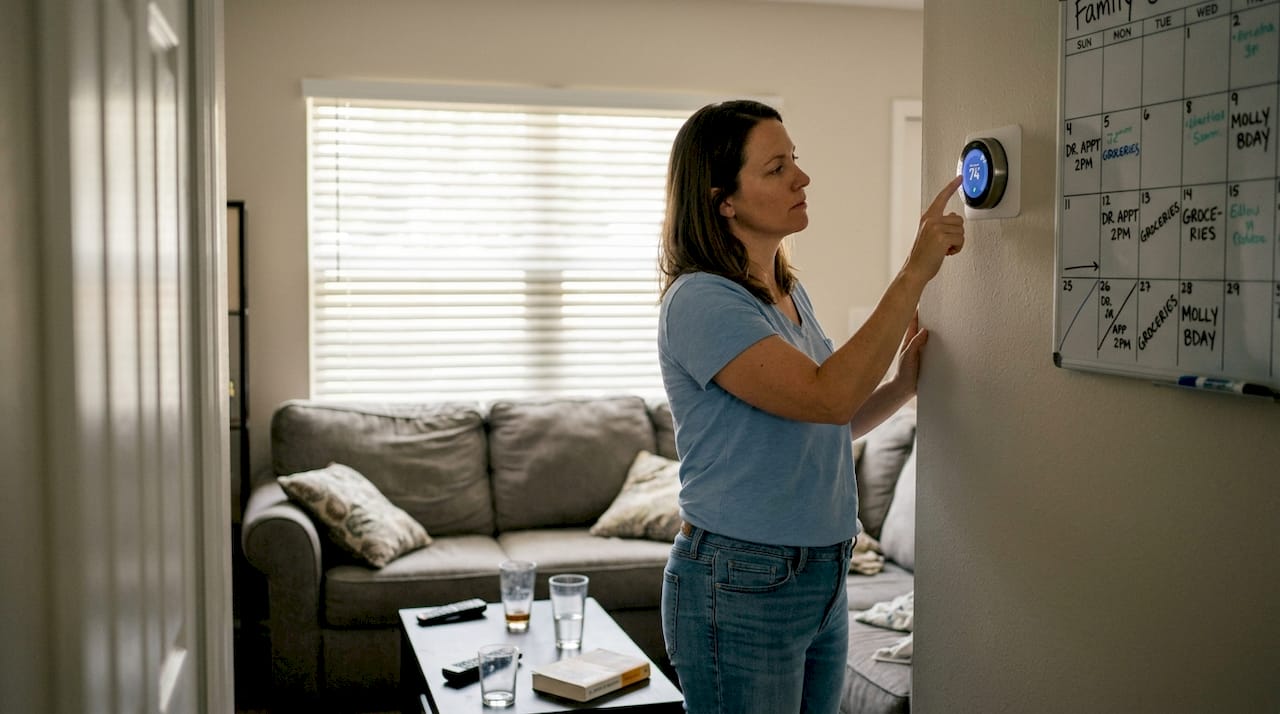
Smart thermostats revolutionize energy management. These devices learn your schedule, adjust temperatures automatically, and provide detailed energy reports. Using a smart thermostat can lower cooling costs by up to 15% in hot climates by eliminating unnecessary runtime when you’re away or asleep.
Duct leaks waste an astonishing amount of energy. Conditioned air escaping into attics or crawl spaces never reaches living spaces. Professional duct sealing combined with proper insulation stops this invisible drain on your wallet. Many homeowners see 20-30% reductions in energy use after addressing ductwork issues.
Air filter replacement ranks among the simplest yet most neglected maintenance tasks. Dirty filters restrict airflow, forcing your system to work harder. In Florida’s dusty, pollen-heavy environment, replace standard filters monthly. High-efficiency filters may last 90 days but check them regularly.
Ceiling fans complement your HVAC by creating wind chill effects. You can raise thermostat settings by 4 degrees without sacrificing comfort when fans circulate air. Remember to reverse fan direction seasonally: counterclockwise in summer, clockwise in winter.
Key implementation steps:
- Set reminders for filter changes on your phone
- Program thermostat setbacks for sleeping and away hours
- Inspect visible ductwork for gaps or disconnections
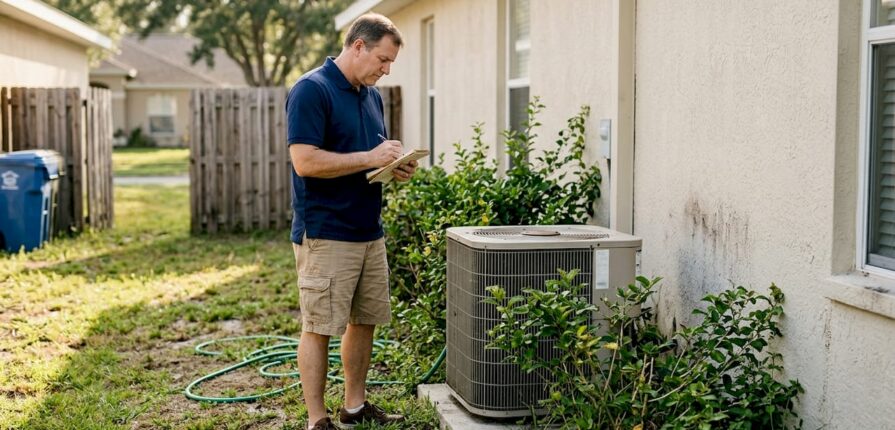
- Keep outdoor unit clear of debris and vegetation
- Close blinds during peak sun hours to reduce cooling load
Your home HVAC maintenance checklist should become a monthly routine. Consistency matters more than perfection. Small actions compound into significant savings over time.
Explore additional energy-saving HVAC methods for 2026 to stay current with evolving technology and techniques.
Pro Tip: Place a recurring calendar event for the first Saturday of each month labeled “HVAC Check.” Spend 15 minutes inspecting filters, clearing debris, and listening for unusual sounds.
Comparing upgrade options: equipment and technology
When maintenance alone doesn’t deliver desired results, strategic upgrades offer substantial long-term benefits. Understanding your options helps you invest wisely based on budget and energy goals.
Component replacement versus full system upgrades presents the first decision point. Replacing a failing compressor or air handler costs less upfront but may not address underlying inefficiency. Full system replacement provides matched components optimized for maximum performance.
Upgrading to ENERGY STAR certified HVAC units can cut home energy use by 20-40%. These systems use variable-speed compressors, advanced refrigerants, and superior heat exchange technology. The initial investment typically pays back within 5-8 years through reduced utility bills.
| Upgrade Type | Upfront Cost | Energy Savings | Best For |
|---|---|---|---|
| Smart thermostat | $200-$500 | 10-15% | All homeowners |
| Duct sealing | $1,000-$2,500 | 20-30% | Homes with accessible ducts |
| ENERGY STAR AC | $3,500-$7,000 | 20-40% | Units over 12 years old |
| Zoning system | $2,000-$4,500 | 15-25% | Multi-story or large homes |
| Variable-speed air handler | $1,500-$3,000 | 15-20% | Existing outdoor unit under 8 years |
Smart thermostats and zoning systems customize comfort while slashing waste. Zoning divides your home into separate temperature zones, cooling only occupied areas. This proves especially valuable for two-story homes where upper floors trap heat.
Professional installation matters critically for efficiency and warranty protection. Improper refrigerant charging, incorrect ductwork connections, or poor electrical work sabotage even the best equipment. Licensed technicians ensure systems operate at rated efficiency from day one.
Consider these factors when comparing options:
- Remaining lifespan of current equipment
- Financing terms and available rebates
- Expected time in your current home
- Severity of current comfort issues
- Local utility rates and usage patterns
The benefits of upgrading HVAC systems extend beyond energy savings to improved air quality, quieter operation, and enhanced home value. Modern systems include features like humidity control and air purification that older units lack.
Your HVAC installation guide for homeowners walks through the complete process, helping you understand what to expect during upgrades.
Pro Tip: Request load calculations from contractors before accepting equipment recommendations. Proper sizing based on your home’s specific characteristics prevents the most common efficiency killer.
Making the right decision for your property and budget
With strategies and options clear, you need a framework for prioritizing actions. Not every home requires every upgrade. Smart decision-making balances immediate needs against long-term goals.
Start by assessing your current system’s condition and energy consumption. Pull 12 months of utility bills and compare usage to regional averages. If you’re spending 30% more than similar homes, investigation becomes urgent. Age matters too. Systems approaching 15 years face increasing failure risk and declining efficiency.
Prioritize cost-effective maintenance before expensive upgrades. A $150 tune-up that restores 10% efficiency beats a $5,000 replacement if your system has years of life remaining. Regular maintenance combined with targeted upgrades delivers the most consistent energy savings over time.
Weigh long-term savings against upfront costs using simple payback calculations. Divide upgrade cost by annual energy savings to find years until break-even. Upgrades paying back within 7 years generally make financial sense, especially considering increased comfort and reliability.
“The best HVAC investment combines immediate comfort improvements with measurable energy savings. Focus on solutions addressing your specific pain points rather than chasing every available upgrade.” — HVAC Efficiency Expert
Consult professionals for honest repair, upgrade, or replacement advice. Reputable contractors assess your situation objectively, explaining when repairs suffice versus when replacement makes sense. Your residential HVAC repair workflow guide helps you understand diagnostic processes and decision criteria.
Evaluate financing and incentive programs:
- Check utility company rebates for high-efficiency equipment upgrades
- Research federal tax credits for ENERGY STAR certified systems
- Compare contractor financing terms against home equity options
- Calculate total cost of ownership including maintenance and energy over 10 years
- Factor in home value increases from modern, efficient systems
Your property characteristics influence optimal strategies. Single-story homes benefit most from whole-house approaches. Multi-story homes see bigger returns from zoning systems. Older homes with poor insulation need envelope improvements alongside HVAC upgrades.
Budget constraints shouldn’t prevent action. Phase improvements over time, starting with highest-impact, lowest-cost changes. Replace filters and seal obvious air leaks immediately. Schedule professional maintenance next. Save for equipment upgrades while maximizing current system performance.
Timing matters strategically. Off-season installations (spring and fall) often come with better pricing and faster scheduling. Emergency replacements during summer heatwaves limit negotiation power and contractor availability.
Get expert help with your HVAC energy savings
You’ve learned the strategies. Now it’s time to implement them with professional support tailored to Central Florida’s unique demands. Lucas Air Conditioning and Heating specializes in helping homeowners maximize efficiency while minimizing costs.
Our veteran-owned company brings military precision to every installation, repair, and maintenance visit. We understand that energy savings matter most when they’re measurable and consistent.
Professional HVAC installation services ensure your new equipment operates at peak efficiency from day one. Our technicians perform detailed load calculations, verify proper refrigerant charging, and test airflow across all vents. We don’t cut corners because your comfort and savings depend on precision.
Regular HVAC tune-up services keep systems running efficiently year after year. Our comprehensive inspections catch small issues before they escalate into expensive failures. We clean coils, test capacitors, calibrate controls, and provide detailed reports on system health.
Preventative maintenance agreements offer the ultimate peace of mind with priority scheduling, discounted repairs, and twice-yearly service visits. Members save an average of $300 annually through improved efficiency and avoided emergency calls.
Frequently asked questions
What are the most effective HVAC maintenance tasks to save energy?
Routine filter changes every 30 days prevent airflow restrictions that force systems to work harder. Duct sealing eliminates 20-30% energy losses from conditioned air escaping into unconditioned spaces. Annual professional inspections catch refrigerant leaks, dirty coils, and electrical issues before they impact efficiency. Maintaining clear vents and outdoor units ensures proper airflow and heat exchange. Your home HVAC maintenance checklist provides detailed monthly and seasonal tasks.
How much can I save by upgrading to an ENERGY STAR HVAC system?
ENERGY STAR certified HVAC units can reduce home energy use by up to 40% compared to older standard-efficiency models. For a typical Central Florida home spending $2,400 annually on cooling, that translates to $960 in yearly savings. Upgrades also improve humidity control and indoor comfort while reducing environmental impact. The benefits of upgrading HVAC systems extend beyond energy savings to include quieter operation, better air quality, and increased home value. Most homeowners see payback within 5-8 years.
Are smart thermostats worth it for Florida homeowners in 2026?
Absolutely. Smart thermostats can lower cooling costs by up to 15% in hot climates by optimizing runtime based on occupancy and weather patterns. They prevent unnecessary cooling when you’re away or asleep while ensuring comfort when you’re home. Installation costs between $200-$500 typically pay back within 2-3 years through energy savings. Advanced models provide detailed energy reports, remote control via smartphone, and integration with other smart home devices. For Florida’s nearly year-round cooling demands, the optimization benefits prove especially valuable during seasonal HVAC tune-ups when technicians can verify thermostat programming matches your lifestyle.
How often should I replace my HVAC air filter in Florida?
Central Florida’s climate demands monthly filter replacement for standard 1-inch filters due to high pollen counts, humidity, and dust. Homes with pets, smokers, or allergy sufferers may need even more frequent changes. High-efficiency pleated filters can last 60-90 days but require monthly inspection. Dirty filters reduce airflow by up to 15%, forcing your system to run longer and consume more energy. Set phone reminders and buy filters in bulk to ensure consistent replacement. Visible dirt, reduced airflow from vents, or increased dust accumulation signal overdue filter changes.
What temperature should I set my thermostat to save energy in summer?
The Department of Energy recommends 78 degrees when you’re home and awake, 82-85 degrees when away or sleeping. Each degree below 78 increases cooling costs by approximately 3-5%. Ceiling fans allow comfortable temperatures 4 degrees higher through wind chill effects. Smart thermostats automate these adjustments based on your schedule and preferences. Avoid setting thermostats extremely low hoping for faster cooling. Systems cool at the same rate regardless of setting, but lower targets waste energy overshooting comfortable temperatures. Gradual adjustments help your body acclimate while maximizing savings.
