
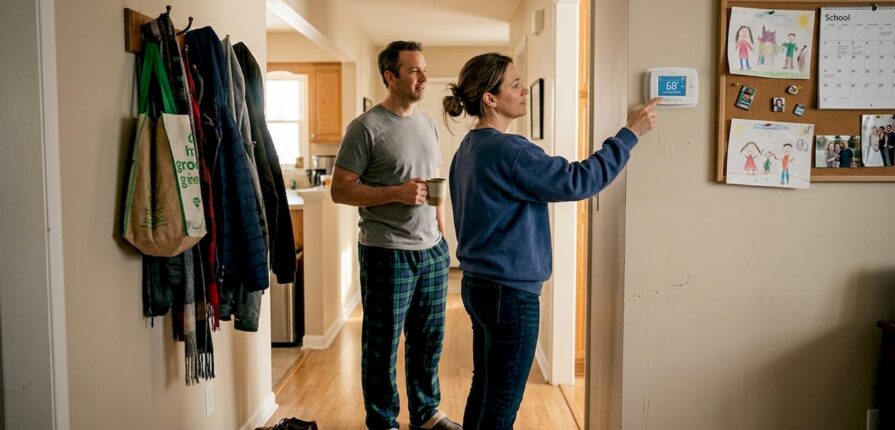
Many homeowners believe energy efficient heating means enduring chilly rooms or spending a fortune on upgrades. That’s simply not true. Modern heating technology delivers comfort while slashing energy bills, especially in Central Florida’s mild winters. This guide explains what energy efficient heating really means, which systems work best for your home, and how to maximize savings without sacrificing warmth. You’ll discover practical steps to lower utility costs, boost comfort, and make informed decisions about your heating system.
Table of Contents
- Key takeaways
- Understanding energy efficient heating: what it means and why it matters
- Common types of energy efficient heating systems suited for Central Florida homes
- How to maximize energy efficiency with your heating system
- Cost versus benefits: evaluating energy efficient heating for your home
- Explore energy efficient heating options with Lucas Air Conditioning and Heating
- Frequently asked questions
Key Takeaways
| Point | Details |
|---|---|
| What efficiency means | Energy efficient heating means getting more warmth from less energy, which lowers utility bills and improves overall comfort. |
| Heat pumps favored | Heat pumps move heat rather than generate it and provide heating and cooling, making them well suited to Florida’s mild winters. |
| Upfront costs offset by rebates | Rebates and long term savings offset the initial investment of upgrading to an efficient system. |
| Maintenance boosts efficiency | Regular maintenance keeps your heating system running efficiently and extends its lifespan. |
Understanding energy efficient heating: what it means and why it matters
Energy efficient heating simply means getting more warmth from less energy. Your system delivers the comfort you need while consuming fewer resources, which directly translates to lower utility bills. The role of HVAC in home comfort extends beyond just temperature control to include air quality and energy management.
Why does efficiency matter? Three big reasons. First, your wallet benefits immediately through reduced monthly energy costs. Second, less energy consumption means a smaller carbon footprint, which helps the environment. Third, efficient systems often run more reliably and require fewer repairs over their lifespan.
Central Florida’s climate creates unique heating considerations. Our mild winters rarely demand the heavy-duty heating systems common in northern states. You might only need supplemental heat for a few weeks each year, making efficiency even more important. Why pay for excessive capacity you’ll barely use?
Many homeowners hold misconceptions about heating efficiency:
- Efficient systems cost too much upfront (reality: rebates and long-term savings offset initial investment)
- Lower energy use means less comfort (reality: modern systems maintain consistent temperatures more effectively)
- All heating systems perform similarly (reality: technology and design create massive efficiency differences)
- Maintenance doesn’t impact efficiency (reality: dirty filters and worn components waste significant energy)
Your heating system works as part of your overall HVAC setup. The furnace or heat pump, ductwork, thermostat, and insulation all interact to determine your home’s comfort and efficiency. A highly efficient furnace can’t overcome leaky ducts or poor insulation. That’s why understanding the complete picture matters when evaluating your heating options.
Common types of energy efficient heating systems suited for Central Florida homes
Choosing the right heating system for your Central Florida home depends on several factors: your budget, home size, insulation quality, and comfort preferences. Let’s explore the main options and their real-world performance.
Heat pumps dominate the efficiency conversation for good reason. These systems move heat rather than generate it, using electricity to transfer warmth from outside air into your home. Even when outdoor temperatures drop, modern heat pumps extract usable heat efficiently. Why upgrade your HVAC system becomes clear when you consider heat pumps provide both heating and cooling, eliminating the need for separate systems. They excel in Florida’s mild climate, often achieving 300% efficiency or higher.
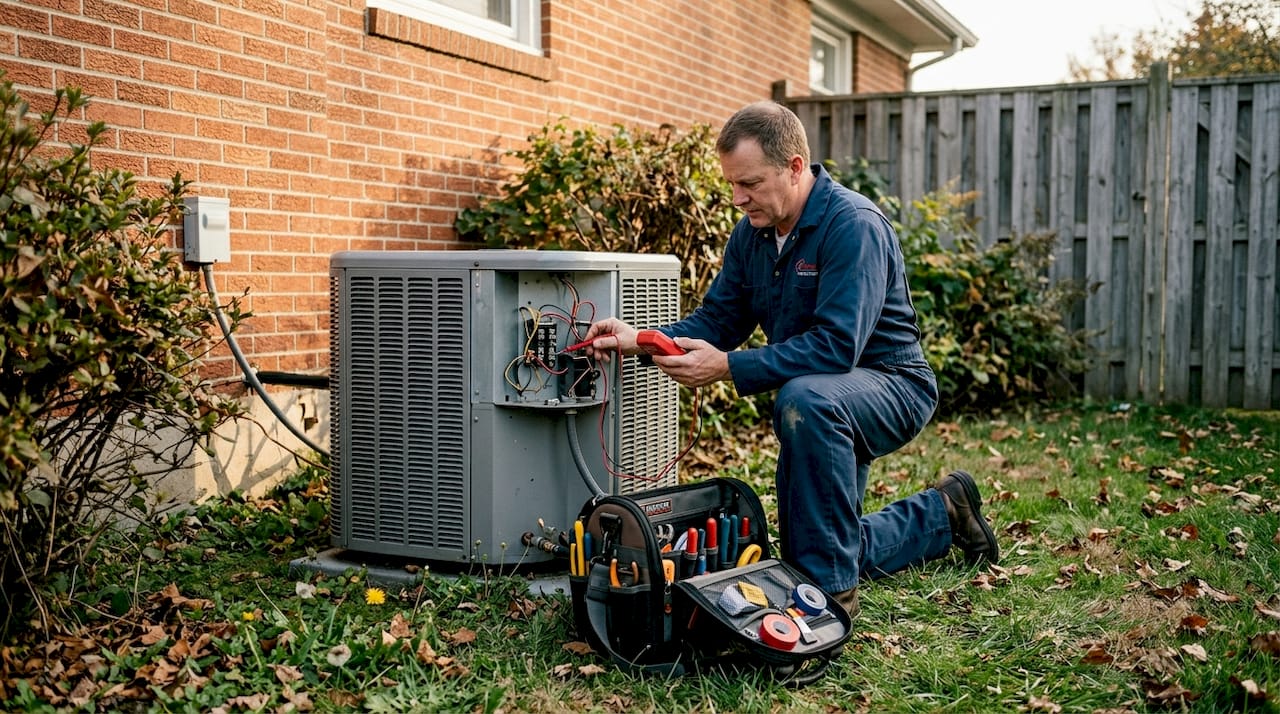
Energy-efficient gas furnaces offer another option, though they’re less common in Central Florida. These systems burn natural gas to create heat, with modern models achieving 95% efficiency or better. Gas furnaces make sense if you already have natural gas service and experience extended cold periods. However, most Florida homeowners find heat pumps more practical and economical.
Electric resistance heating uses electric coils to generate warmth directly. While simple and inexpensive to install, these systems operate at 100% efficiency at best, meaning every dollar of electricity produces one dollar of heat. Heat pumps deliver three dollars of heat for every dollar of electricity, making electric resistance heating the least efficient choice for most applications.
Solar heating options continue evolving, with passive solar design and active solar collectors offering supplemental heating. Solar systems work best when integrated with conventional heating, providing free warmth on sunny days while your primary system handles cloudy periods and nighttime heating needs.
| System type | Efficiency rating | Best for | Typical cost |
|---|---|---|---|
| Heat pump | 300-400% (HSPF 8-10) | Year-round comfort in mild climates | $4,000-$8,000 installed |
| Gas furnace | 90-98% AFUE | Homes with natural gas access | $3,000-$6,000 installed |
| Electric resistance | 100% | Small spaces or backup heat | $500-$2,000 installed |
| Solar heating | Variable | Supplemental heating | $2,000-$10,000 installed |
Pro Tip: Match your heating system to your home’s insulation and size. An oversized system wastes energy cycling on and off, while an undersized unit runs constantly without achieving comfort. Professional load calculations during residential and commercial installation ensure proper sizing for optimal efficiency and comfort.
Key considerations when selecting your system:
- Initial purchase price versus long-term operating costs
- Heating and cooling needs (heat pumps serve both functions)
- Available fuel sources (electricity, natural gas, propane)
- Climate zone and typical winter temperatures
- Home size, insulation quality, and ductwork condition
How to maximize energy efficiency with your heating system
Owning an efficient heating system is just the starting point. How you maintain and operate that system determines your actual energy savings and comfort level. Small habits and regular care make enormous differences in performance and costs.
Start with simple maintenance tasks you can handle yourself. Replace or clean air filters monthly during heating season. Dirty filters restrict airflow, forcing your system to work harder and consume more energy. Keep outdoor heat pump units clear of leaves, debris, and vegetation. Ensure supply and return vents throughout your home remain unblocked by furniture or curtains. Check your thermostat batteries annually and verify accurate temperature readings.
Professional maintenance goes deeper than DIY tasks. Regular HVAC maintenance and timely repairs can improve heating efficiency significantly and extend equipment life. Schedule annual tune-ups before heating season begins. Technicians inspect electrical connections, measure refrigerant levels, clean coils, lubricate moving parts, and test safety controls. These preventive steps catch small issues before they become expensive failures.
Your home’s building envelope dramatically impacts heating efficiency. Air leaks around windows, doors, electrical outlets, and attic access points waste conditioned air and force your heating system to run longer. Seal gaps with weatherstripping and caulk. Adequate insulation in attics, walls, and crawl spaces reduces heat loss and heating demand. Most Central Florida homes benefit from R-30 to R-38 attic insulation.
Thermostat strategy matters more than most homeowners realize. Every degree you lower your winter thermostat saves roughly 3% on heating costs. Set temperatures to 68-70°F when home and awake, then reduce to 62-65°F when sleeping or away. Programmable and smart thermostats automate these adjustments, ensuring comfort when needed and savings when possible.
Pro Tip: Use programmable thermostats to reduce heating during unoccupied times automatically. Modern smart thermostats learn your schedule and adjust temperatures without manual programming, maximizing savings while maintaining comfort when you’re home.
Follow this maintenance sequence for optimal efficiency:
- Check and replace filters monthly during heating season
- Schedule professional tune-ups annually before winter
- Seal air leaks and add insulation to reduce heating demand
- Program thermostat for automatic temperature setbacks
- Monitor energy bills for unusual increases indicating problems
- Address repairs promptly before minor issues escalate
- Review system performance with technicians during maintenance visits
Consider HVAC preventative maintenance as an investment, not an expense. The cost of annual service typically pays for itself through improved efficiency, fewer repairs, and extended equipment life. Neglected systems fail sooner and cost more to operate throughout their shortened lifespan.
Cost versus benefits: evaluating energy efficient heating for your home
Making smart decisions about heating efficiency requires understanding both upfront investments and long-term returns. The math often surprises homeowners who assume efficient systems cost too much.
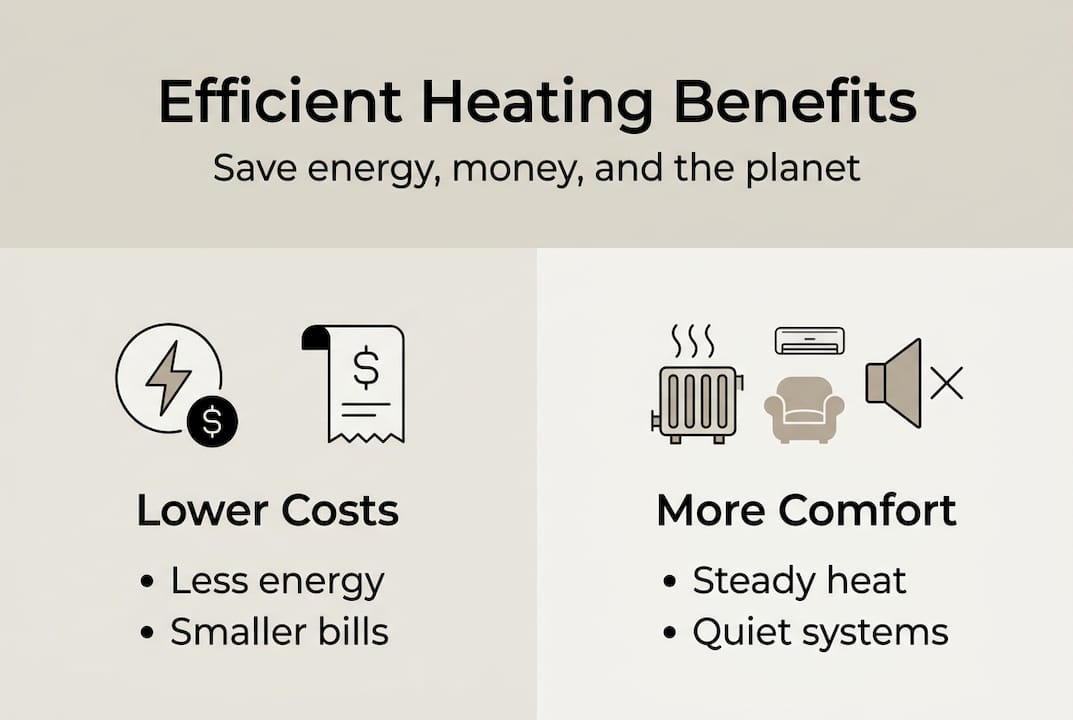
Typical installation costs vary by system type and home characteristics. Heat pump installations range from $4,000 to $8,000 for complete systems, while high-efficiency gas furnaces cost $3,000 to $6,000 installed. These numbers include equipment, labor, and necessary modifications to ductwork or electrical systems. Compare these figures against your current heating costs and expected savings.
Investing in energy efficient heating systems often results in lower energy bills that offset upfront costs within a few years. A homeowner spending $200 monthly on heating with an old system might reduce costs to $100 monthly with a modern heat pump, saving $1,200 annually. At that rate, a $6,000 system investment pays for itself in five years, then continues delivering savings for 15-20 more years.
Incentives and rebates significantly improve the financial picture. Federal tax credits currently offer up to $2,000 for qualifying heat pump installations. Florida utilities provide additional rebates ranging from $200 to $1,000 depending on system efficiency and your location. These programs reduce your net investment substantially, shortening payback periods.
| Cost factor | Traditional system | Energy efficient system |
|---|---|---|
| Initial installation | $2,500-$4,000 | $4,000-$8,000 |
| Monthly energy cost | $150-$250 | $75-$125 |
| Annual maintenance | $100-$150 | $100-$150 |
| Typical lifespan | 10-15 years | 15-20 years |
| Available incentives | Minimal | $500-$2,000+ |
Environmental impact considerations extend beyond personal savings. Efficient heating systems reduce carbon emissions and fossil fuel consumption. If environmental stewardship matters to you, efficiency improvements represent direct action toward sustainability goals. Your heating choices ripple outward, influencing energy demand and environmental health.
Comfort and home value benefits often get overlooked in purely financial calculations. Modern efficient systems maintain more consistent temperatures, eliminate cold spots, and operate more quietly than older equipment. When selling your home, updated HVAC systems appeal to buyers and may increase property value by $2,000 to $5,000 or more.
Calculate your payback period using this simple formula: divide net system cost (after rebates) by annual energy savings. A $5,000 net investment saving $1,000 yearly achieves payback in five years. After that point, you enjoy pure savings plus improved comfort and reliability.
Key financial considerations:
- Compare total ownership costs over system lifespan, not just purchase price
- Factor in available rebates and tax credits when calculating net investment
- Account for maintenance costs (similar for efficient and standard systems)
- Consider comfort improvements and home value increases
- Evaluate environmental benefits alongside financial returns
Explore energy efficient heating options with Lucas Air Conditioning and Heating
Understanding energy efficient heating principles helps you make informed decisions, but professional installation and maintenance ensure you actually achieve those promised benefits. Lucas Air Conditioning and Heating specializes in helping Central Florida homeowners optimize comfort while minimizing energy costs.
Our team evaluates your home’s specific needs, considering size, insulation, existing ductwork, and your comfort preferences. We recommend systems that match your situation rather than pushing one-size-fits-all solutions. Whether you need HVAC installation step by step guidance or complete residential and commercial installation services, we handle every detail professionally.
Regular maintenance keeps your efficient system performing at peak levels. Our comprehensive service plans include the inspections, cleaning, and adjustments that prevent efficiency losses over time. When repairs become necessary, our HVAC repair workflow ensures quick, effective solutions that restore full efficiency. Contact Lucas Air Conditioning and Heating today to explore how energy efficient heating can transform your home’s comfort and operating costs.
Frequently asked questions
What is energy efficient heating?
Energy efficient heating delivers comfortable warmth while consuming minimal energy resources. These systems achieve the same temperature control as standard equipment but use less electricity or fuel, reducing both utility costs and environmental impact. Modern heat pumps, high-efficiency furnaces, and properly maintained systems all qualify as energy efficient when they meet current performance standards.
How does energy efficient heating save money on utility bills?
Efficient systems require less energy to produce each unit of heat, directly lowering your monthly costs. A heat pump moving heat from outside air uses one-third the energy of electric resistance heating for the same warmth. Over a heating season, this efficiency difference translates to hundreds of dollars in savings. Modern systems also maintain temperatures more precisely, avoiding the energy waste from temperature swings and excessive cycling.
What heating systems are best for Central Florida homes?
Heat pumps generally perform best in Central Florida’s mild climate, providing efficient heating and cooling in one system. They excel when winter temperatures rarely drop below freezing, which describes most of Florida. Gas furnaces work well if you have natural gas service and prefer that fuel source, though heat pumps typically cost less to operate. Electric resistance heating should be reserved for small spaces or backup applications due to higher operating costs.
How often should I maintain my energy efficient heating system?
Schedule professional maintenance annually, ideally before heating season begins in late fall. Technicians inspect components, clean critical parts, and optimize performance during these tune-ups. Between professional visits, homeowners should check filters monthly and replace them when dirty. This simple task maintains airflow and prevents efficiency losses. Addressing minor issues promptly prevents them from developing into major repairs that compromise efficiency and comfort.
