
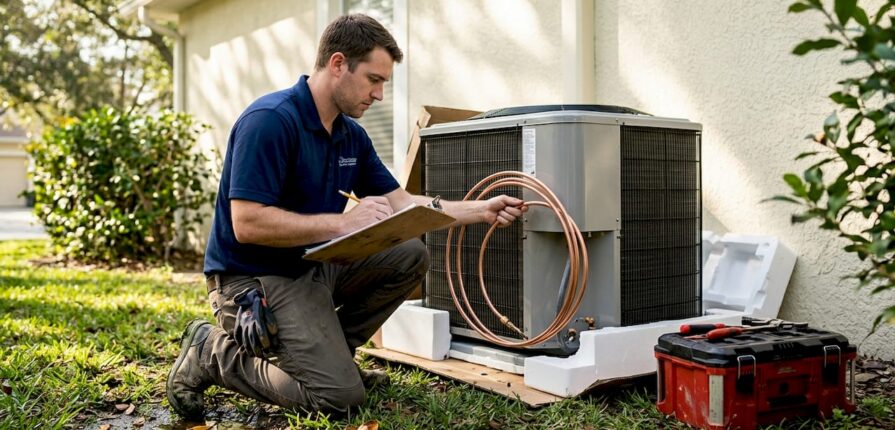
Most Central Florida homeowners assume that buying a new AC unit means getting the latest technology. That assumption is getting more expensive to hold onto. In 2026, sweeping regulatory changes, new refrigerant mandates, and a surge in smart home integration are reshaping every decision around HVAC upgrades, repairs, and maintenance. Florida’s year-round humidity makes these shifts hit harder here than almost anywhere else in the country. Whether you manage a rental property in The Villages or own a home in Eustis, understanding what’s actually changing, and why it matters to your comfort and your wallet, puts you ahead of the curve before your next service call.
Table of Contents
- The refrigerant revolution: What’s changing and why it matters
- Indoor air quality upgrades: From trend to necessity
- Rise of smart HVAC: Predictive maintenance and AI
- Regional realities: Central Florida considerations for 2026
- The biggest HVAC trend in 2026 no one talks about
- Planning your next upgrade? Connect with a Central Florida HVAC expert
- Frequently asked questions
Key Takeaways
| Point | Details |
|---|---|
| Mandatory refrigerant switch | All new HVAC systems now require low-GWP, mildly flammable refrigerants with safety sensors. |
| Boost in air quality tech | Smart IAQ solutions like HEPA, UV-C, and real-time sensors are essential for healthy, mold-free Central Florida homes. |
| Smarter, predictive maintenance | AI and IoT enable early fault detection, prevent costly surprises, and shorten downtime. |
| Dehumidification is critical | Managing humidity is more important than just cooling for comfort and mold control in this region. |
| Expert advice maximizes ROI | The right system, installed correctly and maintained regularly, delivers the biggest comfort gains and savings. |
The refrigerant revolution: What’s changing and why it matters
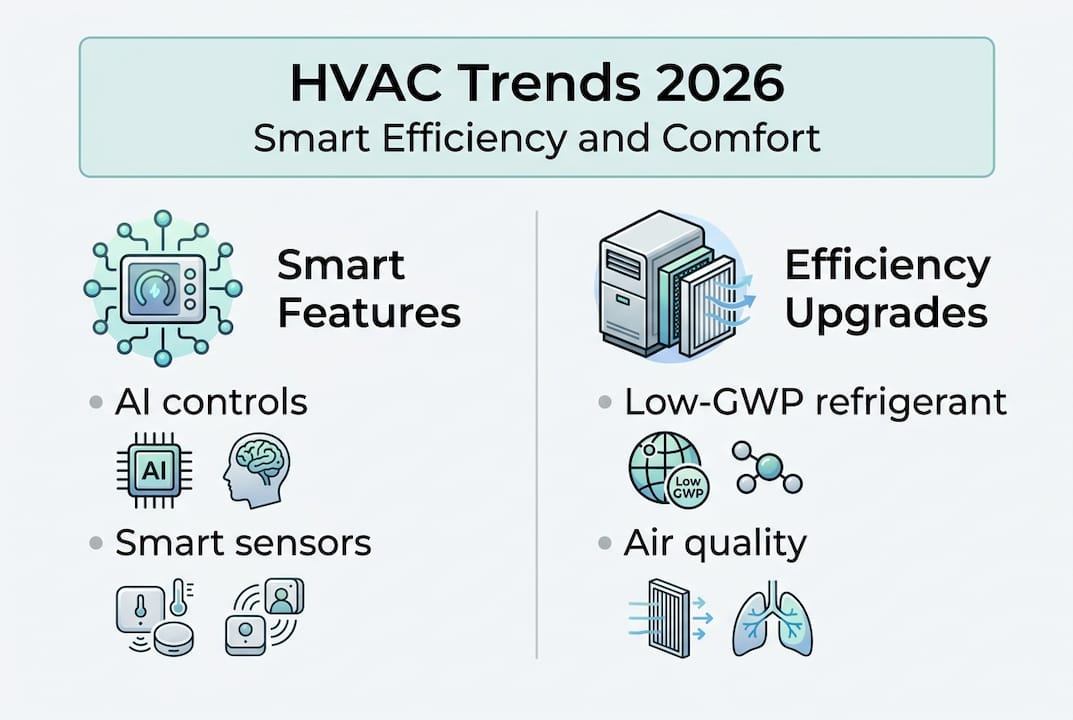
The single biggest regulatory shift hitting HVAC in 2026 is the mandatory move away from R-410A refrigerant. New systems must now use low-GWP refrigerants with a much smaller environmental footprint. The two leading replacements are R-454B and R-32, both classified as A2L refrigerants, meaning they are mildly flammable but far less harmful to the atmosphere.
According to HVAC Trends 2026, R-454B carries a Global Warming Potential (GWP) of 466, which is 78% lower than R-410A, while R-32 comes in at a GWP of 675. Both deliver efficiency comparable to what you’re used to, with R-454B performing at roughly 102 to 105% of R-410A’s efficiency rating. The tradeoff is that new equipment, updated installation practices, and leak detection sensors are now required for safe operation.
Here’s a quick comparison of the key refrigerants:
| Refrigerant | GWP | Flammability class | Efficiency vs. R-410A |
|---|---|---|---|
| R-410A | 2,088 | A1 (non-flammable) | Baseline |
| R-454B | 466 | A2L (mildly flammable) | ~102-105% |
| R-32 | 675 | A2L (mildly flammable) | ~100-103% |
For Central Florida homeowners, this transition has real, practical consequences:
- Older R-410A systems can still run legally, but replacement parts will become harder to source over time.
- New installations must use A2L-compatible equipment, which costs more upfront but qualifies for efficiency rebates.
- Technician training matters more now. Not every contractor is certified to handle A2L refrigerants safely.
- Leak sensors are no longer optional on new systems. They’re a code requirement.
Pro Tip: If your current system is more than 8 years old and uses R-410A, ask your technician to evaluate its remaining lifespan during your next tune-up. Understanding the HVAC installation process before you need a replacement gives you time to budget and choose wisely rather than scrambling in a Florida heat wave.
Indoor air quality upgrades: From trend to necessity
Beyond refrigerant changes, air quality advancements are reshaping what it means to have a healthy indoor environment. The indoor air quality (IAQ) market is projected to reach $29 billion by 2032, fueled by growing awareness of how pollutants, allergens, and humidity affect health. In Central Florida, this isn’t abstract. It’s mold season almost year-round.
The most effective IAQ upgrades for Florida homes include:
- HEPA filtration: Captures 99.97% of particles including dust mites, pollen, and pet dander.
- UV-C purification: Kills airborne bacteria, viruses, and mold spores directly inside the air handler.
- Whole-home dehumidifiers: Keep relative humidity below 60%, which is the threshold above which mold thrives.
- Smart IAQ sensors: Monitor CO2, VOCs (volatile organic compounds), humidity, and particulate matter in real time.
Here’s how common upgrades compare for a typical Central Florida home:
| Upgrade | Estimated cost | Best for |
|---|---|---|
| HEPA filter upgrade | $200-$600 | Allergy sufferers, pet owners |
| UV-C air purifier | $500-$1,500 | Mold prevention, illness reduction |
| Whole-home dehumidifier | $1,200-$2,800 | All Florida homes |
| Smart IAQ sensor kit | $150-$400 | Renters, property managers |
Smart sensors are especially useful for property managers overseeing multiple units. A humidity spike detected remotely is far cheaper to address than a mold remediation job discovered during a tenant turnover. The role of HVAC in home comfort goes well beyond temperature, and upgrading your HVAC for Florida conditions means treating air quality as a core feature, not an add-on.
Rise of smart HVAC: Predictive maintenance and AI
Of course, hardware isn’t the only area of transformation. Software and sensors are quietly revolutionizing upkeep and longevity. Predictive maintenance, powered by artificial intelligence, is one of the most practical advances hitting residential and commercial HVAC in 2026.
Here’s how it works in plain terms:
- Sensors monitor system performance continuously, tracking refrigerant pressure, airflow, motor current draw, and temperature differentials.
- AI algorithms analyze patterns and flag anomalies that suggest a component is starting to fail.
- Alerts go to your phone or contractor weeks before a breakdown actually happens.
- You schedule a repair at your convenience instead of paying emergency rates on the hottest day of the year.
The numbers back this up. AI fault detection identifies problems 3 to 8 weeks early, saving homeowners 3 to 4 times the cost of emergency repairs. For property managers with multiple units, portfolio-wide IoT integration cuts operational costs by 20 to 30%.
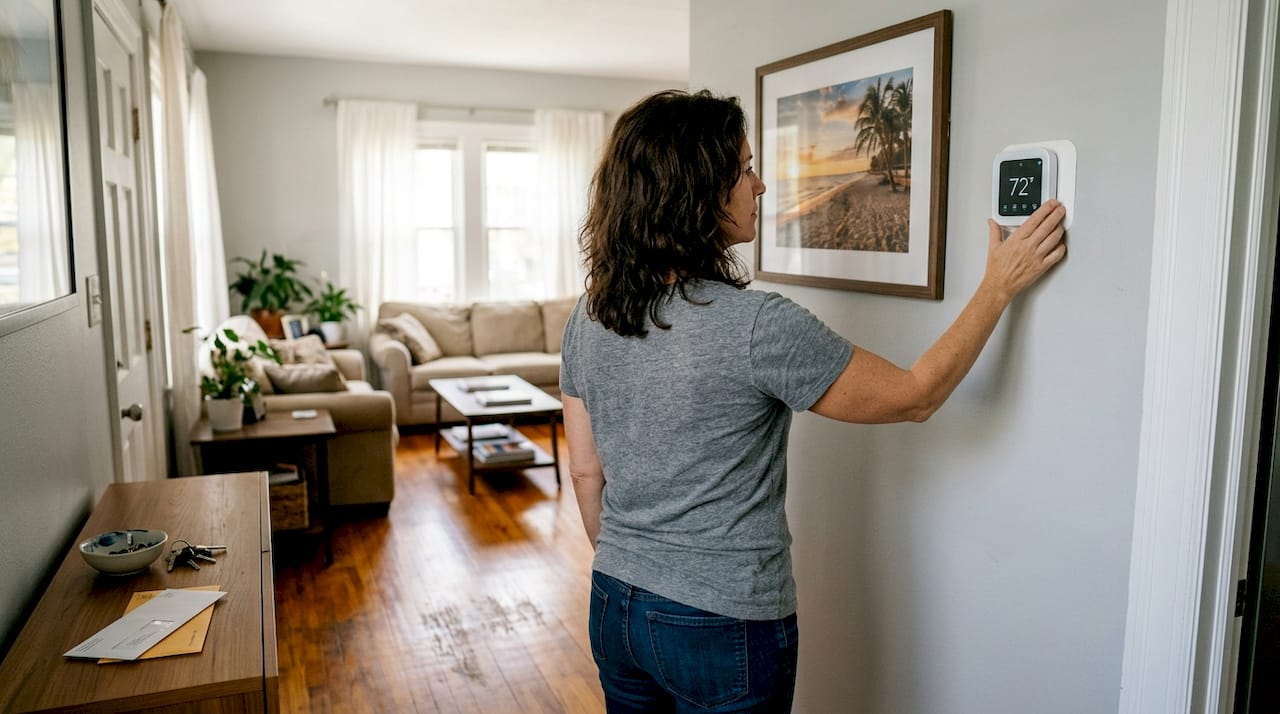
Smart thermostats are the most accessible entry point. Devices like the Ecobee and Google Nest now integrate with whole-home systems, learning your schedule and adjusting run times to reduce wear. Pairing a smart thermostat with a solid HVAC preventative maintenance guide and a complete maintenance checklist creates a layered defense against unexpected failures.
Pro Tip: When hiring a contractor to install or service a smart-enabled system, ask specifically whether they are trained in IoT diagnostics and A2L refrigerant handling. These are two distinct skill sets that not every technician has yet.
Regional realities: Central Florida considerations for 2026
With smart and sustainable tech covered, it’s crucial to localize these national trends to the unique Florida context. Central Florida isn’t just hot. It’s relentlessly humid, and that changes the math on almost every HVAC decision.
As noted in the Low-GWP Refrigerants HVAC Guide 2026, Florida’s humidity demands dehumidification over cooling alone, and a poor installation can drop a heat pump’s efficiency by 20 to 30%. That’s a massive performance loss that no amount of smart technology can fully compensate for.
“Residential HVAC pricing is expected to stabilize after a post-2025 supply slump, making 2026 a reasonable window for planned upgrades.”
Here’s what sets Central Florida apart from other markets:
- Mold risk is constant, not seasonal. Humidity control is a 12-month job.
- Systems run harder and longer than in northern states, accelerating wear on compressors and coils.
- Power surges from afternoon storms are a real threat to smart electronics in newer HVAC systems.
- Oversized units are a common mistake. A system that’s too large short-cycles, leaving humidity high even when temps feel cool.
- Rental properties face higher IAQ scrutiny as tenant awareness of mold and air quality grows.
Understanding the impact of HVAC systems in Florida helps you make smarter decisions about sizing, equipment type, and service frequency. Following seasonal tune-up advice tailored to Florida’s climate is one of the highest-return habits a homeowner can build.
The biggest HVAC trend in 2026 no one talks about
So, with the most visible trends unpacked, what’s the real secret to comfort and cost-efficiency heading into the next decade? It’s not the refrigerant. It’s not the AI thermostat. It’s proper system commissioning and consistent follow-through.
Every year, we see homeowners invest in the latest equipment and then wonder why their energy bills barely move. The answer is almost always installation quality and ongoing calibration, not the hardware itself. A cutting-edge heat pump installed in an undersized duct system or without a proper Manual J load calculation will underperform a basic unit installed correctly every single time.
The uncomfortable truth is that trend-chasing can actually cost you money. Not every IAQ upgrade is worth it for every home. Not every smart thermostat pays for itself in energy savings. The best HVAC systems for 2026 are the ones matched precisely to your home’s square footage, insulation, window exposure, and occupancy patterns. That requires an expert assessment, not a product catalog.
Central Florida’s conditions demand more active oversight than most homeowners realize. Skipping a single annual tune-up in this climate can mean the difference between catching a refrigerant leak early and replacing a compressor mid-summer.
Planning your next upgrade? Connect with a Central Florida HVAC expert
Ready to future-proof your property? The trends covered in this guide aren’t distant possibilities. They’re shaping the options and costs you’ll face the next time your system needs attention.
At Lucas Air Conditioning and Heating, we help Central Florida homeowners and property managers navigate these changes with honest guidance and hands-on expertise. Whether you need a full system replacement using the latest A2L-compatible equipment, a smart thermostat upgrade, or a dehumidification assessment, our team is trained and ready. As a veteran-owned business serving Eustis and the surrounding communities, we treat every home like our own. Explore our HVAC services, review our maintenance guide, or reach out to an expert HVAC contractor today.
Frequently asked questions
Are older R-410A systems still legal to operate in 2026?
Yes, existing R-410A equipment can continue operating legally. The new refrigerant mandate applies only to new system installations, not systems already in service.
Does every new air conditioner need leak sensors in 2026?
Any system using A2L refrigerants requires leak sensors and specific safety features due to the mild flammability classification of these new refrigerant types.
How can smart HVAC prevent surprise breakdowns?
AI fault detection identifies problems 3 to 8 weeks before failure, which means you avoid paying 3 to 4 times the normal repair cost in emergency service fees.
Is dehumidification really more important than cooling in Florida?
In Central Florida, humidity demands dehumidification as a priority because mold growth and discomfort persist even when indoor temperatures feel cool without proper moisture control.
Will residential HVAC prices rise or fall in 2026?
After a post-2025 supply slump, residential pricing is expected to stabilize, making this a reasonable year to plan upgrades rather than react to emergencies.
Recommended
- Why Upgrade HVAC Systems: Comfort and Cost Benefits
- Role of HVAC in Home Comfort: What Homeowners Need
- HVAC Tips & News Archives – Lucas Air Conditioning and Heating
- Role of HVAC Systems – How Comfort and Efficiency Affect Florida Homes
- TM59 Compliance: Ensuring Thermal Comfort in Residential Buildings – Complete EPC
